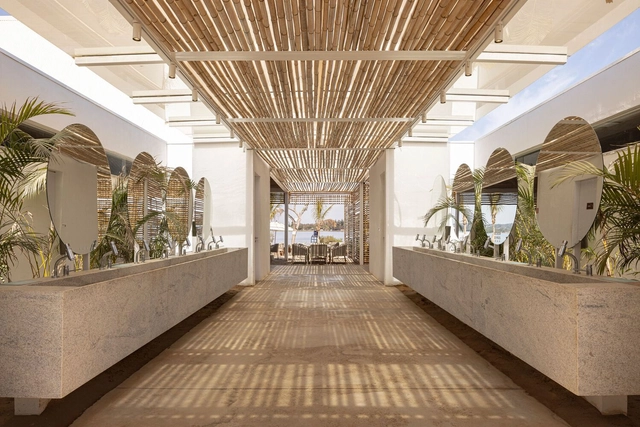
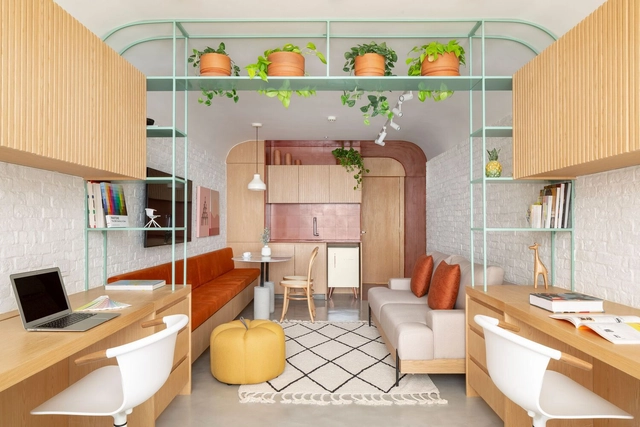
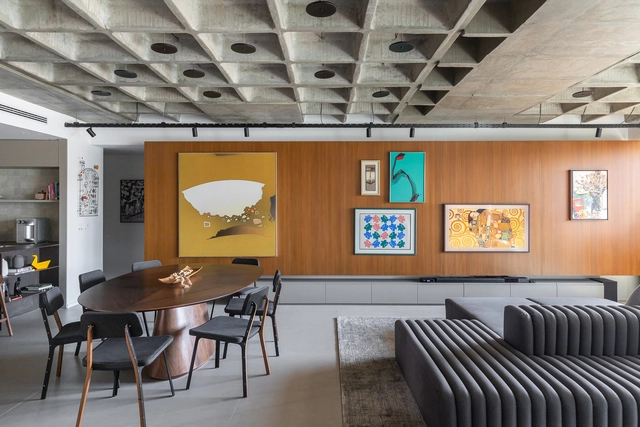
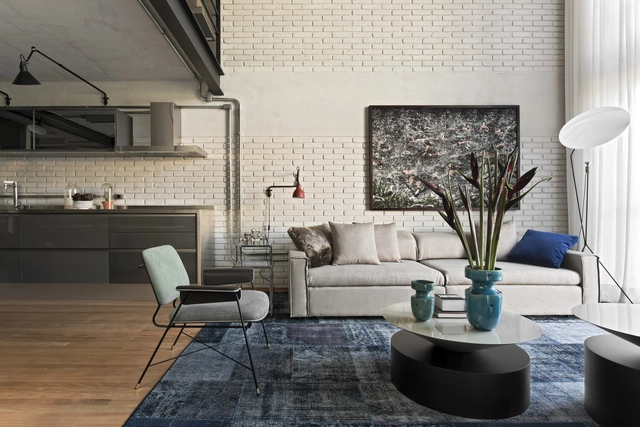
In recent years, there has been a noticeable surge in the pursuit of sustainability and eco-conscious practices across diverse domains, including interior architecture projects. Bamboo has garnered significant attention among various elements thanks to its remarkable versatility. It presents a wide array of creative opportunities for crafting environmentally conscious and elegant spaces.
Housing has always been a significant issue in metropolises. It accommodates the city's population and can impact other urban concerns, such as the necessary commute between home and work or school.
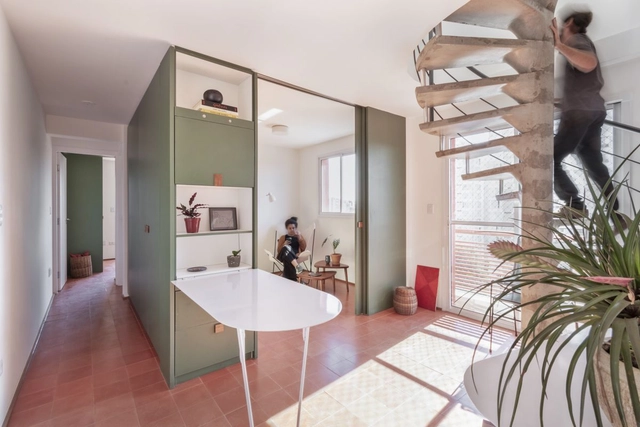
Broadly, urban densification enjoys widespread acceptance in urban planning. In today's context, the correlation between densification and housing is addressed by designing high-rise buildings with smaller floor areas. This approach yields apartments with minimal functionalities, known in Brazil as kitchenettes. As with any architectural type, these compact residences have advantages and disadvantages, serving either as a model of efficiency or as an illustration of housing instability.
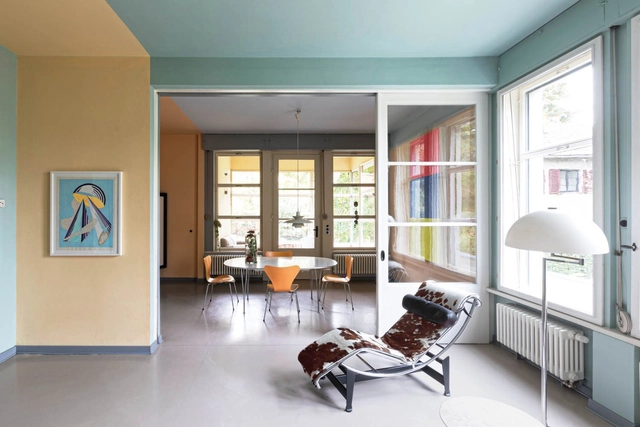
Art has always been a means for people to connect with space, and art movements have served as a platform for exploring new relationships with architecture. By incorporating art into buildings and interior spaces, they have been transformed, resulting in a fusion that creates beautiful, inspiring, and spiritually uplifting environments. Throughout history, various art movements, such as the Renaissance in the 17th century, Baroque in the 18th century, and Art Nouveau, Art Déco, and Bauhaus in the early 20th century, have had a significant impact on architecture. Architects drew inspiration from the ideals, concepts, stylistic approaches, and techniques of these movements, using them to create large-scale habitable structures. As the home is a fundamental expression of an architectural movement and the simplest canvas to exhibit the artistic ethos of any particular era, studying the interior spaces of houses provides a detailed picture of art's influence on spatial organization, furniture design, product patterns, and user interaction.
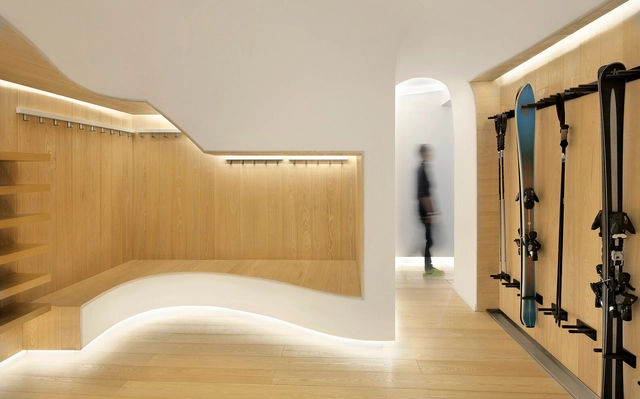
Many architectural projects have been giving special attention to cabinetry and built-in furniture. These custom-made wood pieces are designed for specific purposes and can be used to organize the space, which can be living rooms, bedrooms, studies, kitchens, and bathrooms. Besides functionality, these elements also introduce different materials, textures, and colors into the environments. This article will explore some examples of how colorful cabinets and furniture can make architectural projects more vibrant.
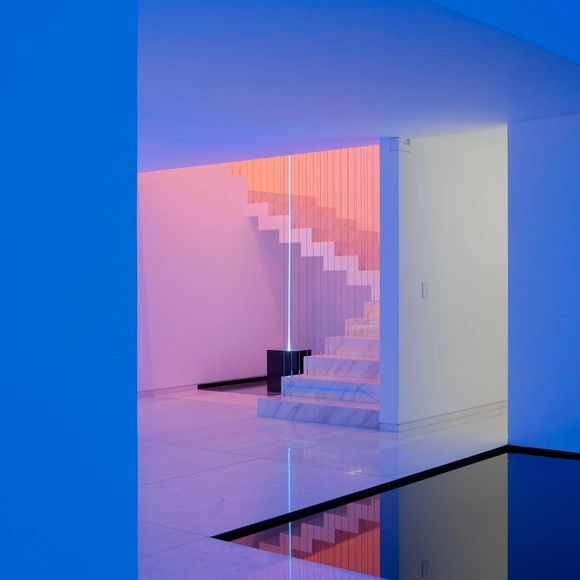
Light is a key feature in architecture. Centuries ago, the sun and fire were the only sources of illumination, but in today's technology-driven world, artificial lighting and cutting-edge optical technologies have found ways to mimic the qualities of natural light, making it possible to have a naturally-lit-looking space within four walls. LED technologies have even made it possible to embed lighting in furniture, interior surfaces, and facades, altering their intensities and hues to make light a main feature in the architecture's storytelling.
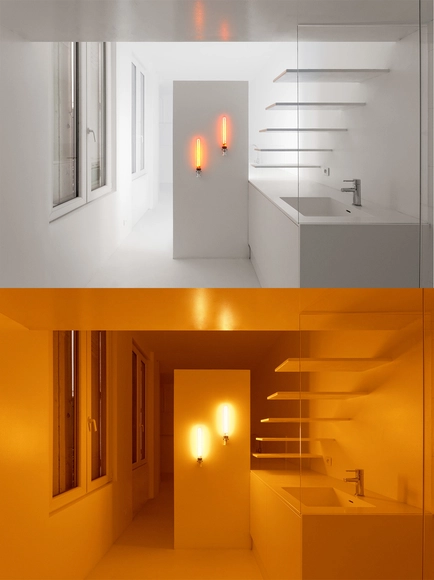
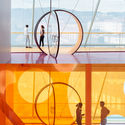
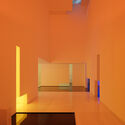
If used effectively, lighting can become a lot more than just an illuminator; it becomes a mood setter, a symbol of a specific emotion the architect is trying to convey. For instance, indirect lighting becomes a floater, levitating the walls from the ground and making the space seem lighter in weight, whereas orange light manipulates the space's temperature, creating the illusion that the users are walking into an intense, overheated room.
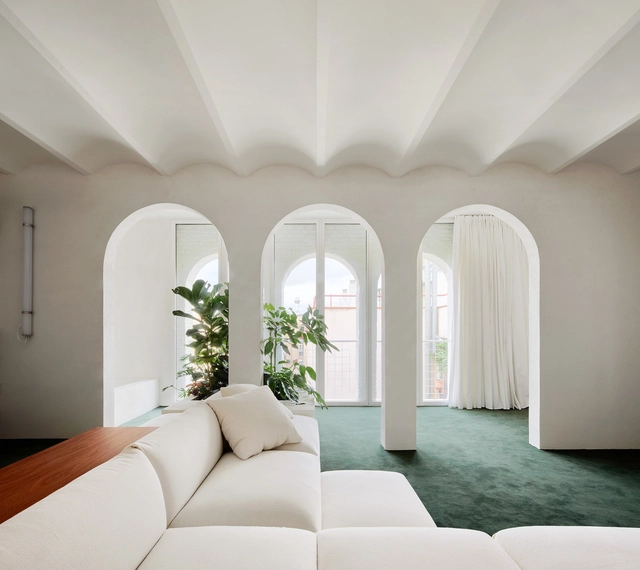
Although the use of arches in architecture dates back to the 2nd millennium B.C., it was the Romans who solidified them as both an engineering element and a symbol of military victories, which we now see excessively as memorial arches. Shortly after, different civilizations and cultures adopted the arch for their own purposes, bridging together structural necessity and aesthetics. In this article, we look at how arches evolved from significant structural elements to captivating decorative details.
Change is hard, especially when it’s being forced upon you. But change can often be a good thing, too. Forcing growth and refreshing vitality. Those first few months after a child flies the nest are the hardest to bear when having to get to grips with the new normal of a quiet, lonely household.
Just as many soon-to-be-parents hit a sudden period of ‘nesting’ before the stork’s arrival, those on the other end of the child-rearing timeline experience an opposing feeling of grief when their home with a child reverts back to one without. Feelings of emptiness, loneliness, and a lack of purpose are joined by anxiety for them and their new life, and the loss of parental identity.
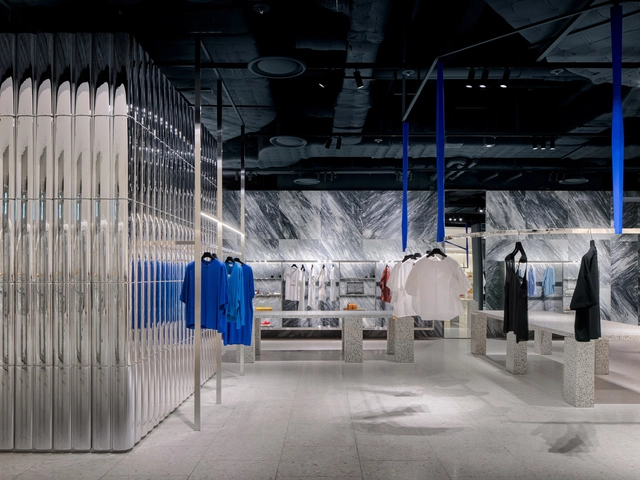
Within the realm of commercial architecture, the design of spatiality can adopt multiple approaches, conceiving proposals that achieve a balance between aesthetics and functionality. Taking into consideration that various cultural variables, social tensions, and economic interests are involved, the construction of these spaces directly involves the interaction between users, brands, and their products, participating in the experience on-site from colors and materials to lighting, climate control, sounds, aromas, and more.
Making a space more practical, facilitating daily tasks, creating unity in interior design, providing different possibilities for an area without modifying it, and adding beauty are not easy tasks. Still, some elements are essential for achieving them: cabinets and shelves.
Housing is one of the primary aspects of the architecture profession. There are many ways to explore it, from a subordinate program such as a religious cloister to the splendor of a single-family home. Luis Fernández-Galiano is torn between the "waste" of a low-density area in this type of housing and its seductive formal charm. He reminds us that high-density collective housing, such as apartments, makes more sense in an urban context.
Art Deco is an artistic and design style that emerged in Europe in the late 19th and early 20th centuries, reaching its peak in the 1920s and 1930s. Although it's difficult to identify a single origin for Art Deco, it's believed that the style developed as a reaction against the Arts and Crafts and Art Nouveau movements, which emphasized craftsmanship and naturalistic ornamentation. The style quickly spread throughout the world and had a major influence on architecture, interior design, fashion, and visual arts during the first half of the 20th century.
One of the most common decorative objects in projects, mirrors have existed since the Badarian civilization, around 4,000 BC. With several transformations in its material and manufacture, the mirror is a decorative object and can also serve as a design strategy.
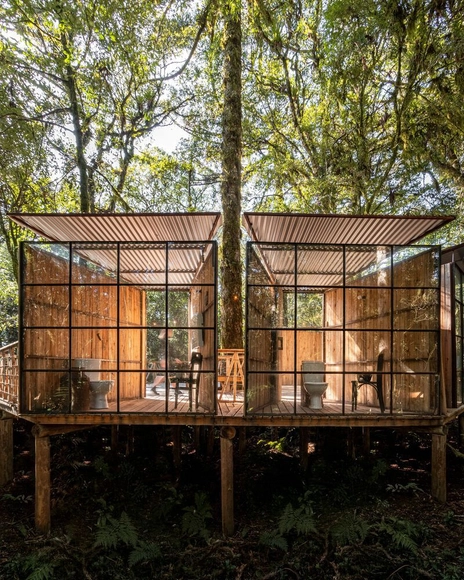
Humans are hard-wired to respond positively to nature; the crackling sound of fire, the smell of fresh rain on soil, the healing characteristics of plants and the color green, being in proximity to animals, etc. That, along with today’s critical environmental conditions and rapid urbanization, shifted architects' focus towards eco-conscious projects to bring people closer to nature. Architects explored numerous approaches: rammed earth structures, recycled materials and furnishing, designing around the site's sun orientation... The practice was so driven by green architecture that the lines became blurred between what is truly sustainable and ecological and what is "greenwashed". But what proved to bring about the most innate biological connection with nature was biophilia, and "bringing the outdoors in" through design.
Light is part of various disciplines, shaping the world as we know it. In physics, it serves as a measure of speed and makes vision, and the recording of images by the eye and camera lens possible. Throughout art history, the representation of light - or its absence - has guided secular movements in various manifestations with equally different techniques and supports. This means that light - and its derivative shadow - can create environments, atmospheres and sensations, which can be perceived in objects and spaces. Light is also a part of architecture.
The traditional architecture of the past can sometimes seem a long way from the modern, open-plan environments we enjoy today. But while some seemingly bygone upper-class room typologies like parlors, drawing rooms, and smoking rooms still exist by other names – dens, snugs, and man caves, to name a few – other architectural intricacies are more rarely replicated.
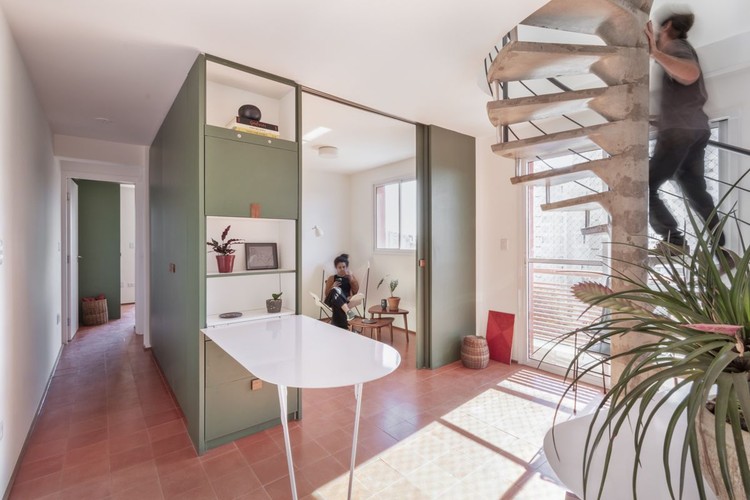
Back staircases, sculleries, and drying rooms, for example, were at one stage imperative for properties of a certain size and status to function. But just like a woolen jumper accidentally washed on the wrong setting, technology has reduced the size of laundry workspaces over the past century. Small homes like Under the Barao’s Sky Apartment in Sao Paolo, Brazil, for example, are now able to replace separate laundry rooms and pantries with all-in-one kitchen-diners that integrated small washing/drying appliances into an open kitchen layout, leaving more room for living.
Within various - if not all - architectural programs, there is a function that is an essential and common requirement: the bathroom. A residence, office, commercial space, theater, museum, religious space, park, or school can only be designed with it. In some countries, public toilets are part of urban infrastructure like public transport or waste collection. A fundamental human right, although denied to a considerable portion of the global population, the toilet follows a historical evolution. Modernity brought with it the separation between public and private, and the room became increasingly reserved in Western society.
Exposed pipes highlighted in architecture are not a novelty. Classics like Centre Pompidou and Sesc Pompeia already adopted infrastructure elements as objects that helped compose the building's aesthetics. Solutions inspired by the industrial architecture of the 50s, urging to remodel industrial sheds for other uses, made their facilities apparent to make the work more cost-effective and less complex. After a few decades, we find this idea at different scales.
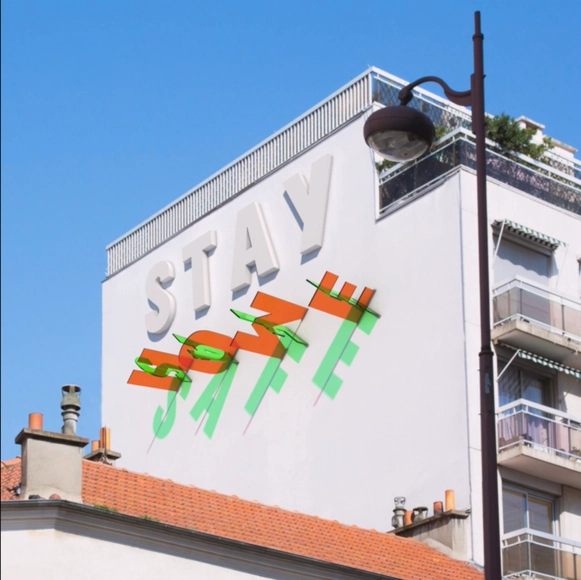
When transparent facade elements deliberately evolve from the course of the sun, we can explore a fascinating slow movement in stark contrast to the hectic urban street life on the ground. Especially the French designer Pierre Brault has responded to the accelerated rhythm of our society with facade installations that combine the principle of the sundial with colorful pop design. His three-dimensional works made of recycled colored plexiglass mesmerize through simple but dramatic movements of colored shadows. In the interview, Brault explains his inspiration, the experimental approach and his interest in working responsibly with material.