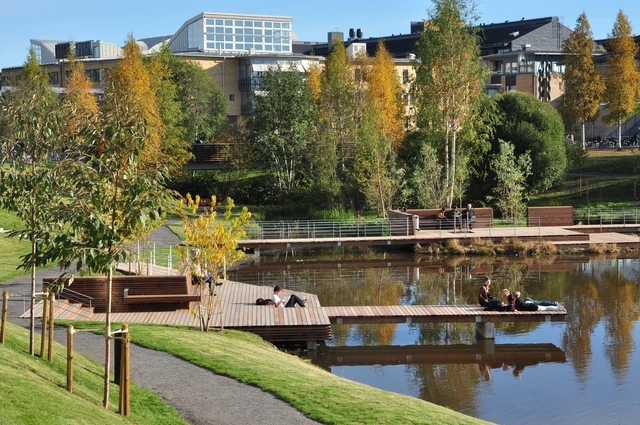
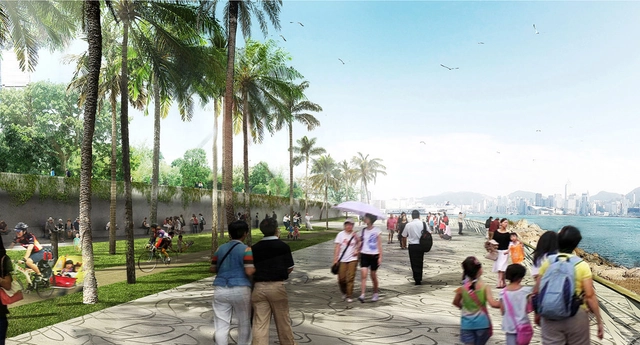
The West Kowloon Cultural District Authority has recently unveiled the landscape design plans for the West Kowloon Cultural District, a scheme that will activate the waterfront and create a dynamic green space in what will be one of the largest cultural developments in the world. Developed by Dennis Lau & Ng Chun Man Architects & Engineers, with West 8 and ACLA, the concept plan features outdoor areas for exhibitions and performances, recreational lawns, and a waterfront promenade.
“Ninety-five percent of the world’s designers focus all of their efforts on developing products and services for the richest 10% of the world’s customers.” - Paul Polak, Design for the 90% [1]
The vast majority of contemporary architectural practice today is service industry based, where a fee-paying client commissions a firm for a defined scope of services. Master of self-effacing cynicism Philip Johnson wryly accepted this structure, calling architects “high-class whores.” The recent surge of interest in designing for traditionally underserved communities, from groups such as Architecture for Humanity, MASS Design, Project H and Public Architecture challenges the traditional firm model. The Prizker Prize jury’s recognition of Shigeru Ban’shumanitarian designs highlights that high design and a socially conscious practice are not mutually exclusive.
Believing that architecture can alleviate societal ills and improve the quality of life for all people is not a new concept. Two eras, the 1920s and 1960s-70s, brought a social agenda to the forefront of the discourse. Hindsight reveals flaws of each. Modernism’s utopian visions for public housing and urban renewal are blamed for the detrimental impact of Post-WWII urban housing projects; participatory design in the 1960s and 70s is criticized for ceding expertise in the name of consensus, ending with projects that were no better than the status quo. Despite this, there are lessons to be learned from those who emphasized the social and humanitarian role of architecture.
https://www.archdaily.com/508534/classic-architecture-with-a-social-agenda-1960-todayMichelle Miller
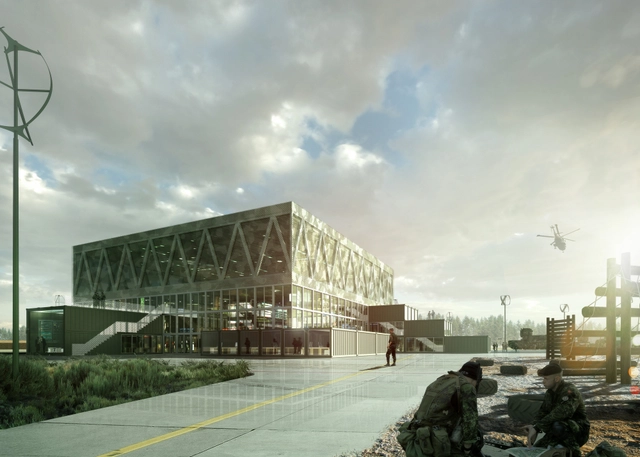
Danish architecture firm ADEPT has won first place in a competition to add three new buildings to the Danish Armed Forces Complex in Aalborg, Denmark. In keeping with the Armed Forces’ Green Establishments initiative, a project that encourages the lowering of energy use and CO2 emissions, the new barracks will be a visible model of sustainability.
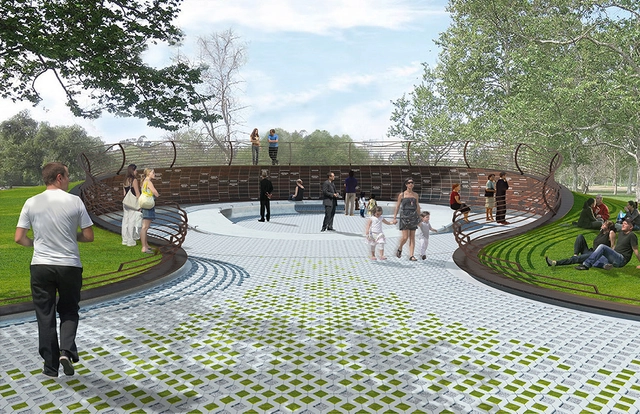
Manhattan-based Zerafa Architecture Studiohas been announced as winner of a competition to design a monument to Orange County’s crime victims. Placed between two natural mounds on axis with Irvine’s Mason Regional Park office, the winning scheme carves a subtle, circular void within the park’s forested landscape that offers a range of experiences to the community.



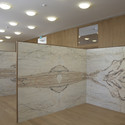
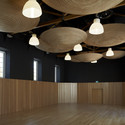


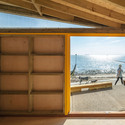





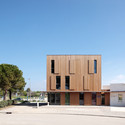
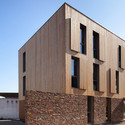














.jpg?1403052903 "© Maxime Delvaux @ 354 photographers")
.jpg?1403052695 "© Maxime Delvaux @ 354 photographers")
.jpg?1403052881 "© Maxime Delvaux @ 354 photographers")
.jpg?1403052817 "© Maxime Delvaux @ 354 photographers")

.jpg?1402505145&format=webp&width=640&height=580)

.jpg?1402505098 "© Ross Campbell")
.jpg?1402505145)