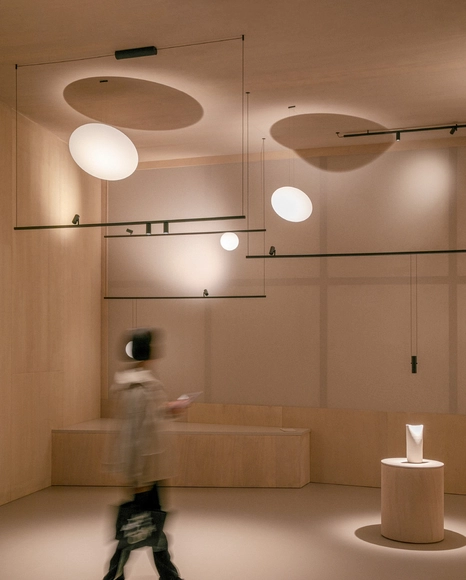
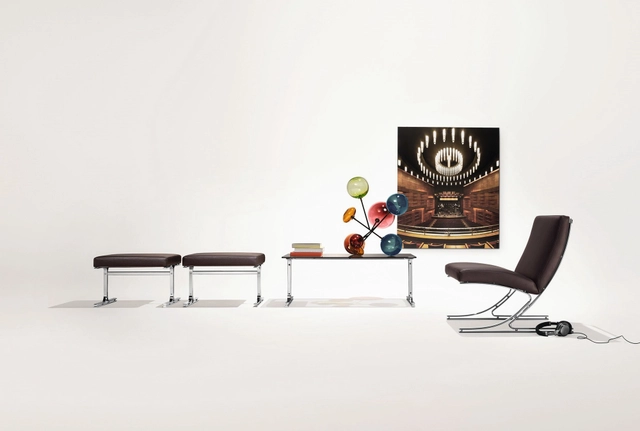
When designing and lighting a space, is the goal to fulfill a specific requirement or to be creative? Both perspectives hold merit; however, a unifying principle should always prevail: people must remain at the center of everything we do. Today, it is well understood that our environment significantly influences our well-being, affecting mood and performance, even in challenging contexts such as outer space. While this standpoint has encompassed anthropometric and biological aspects, new approaches are expanding design beyond the tangible. Lighting is now used to shape atmospheres that resonate deeply with our emotions.
https://www.archdaily.com/1022444/shaping-atmospheres-with-lighting-a-human-centered-approach-to-emotional-designEnrique Tovar
Nowadays, diversity and inclusion stand as fundamental pillars in the design of spaces, guiding the creation of structures that adapt to the needs of all individuals. This comprehensive approach addresses the functionality of buildings aiming to transform every aspect of design, promoting accessibility from scratch. A key milestone in this matter was the establishment of legislation such as the Americans with Disabilities Act (ADA) in the US. This document established a legal framework to prohibit discrimination against people with disabilities and set a precedent for promoting the design of public spaces and services that are accessible to all.
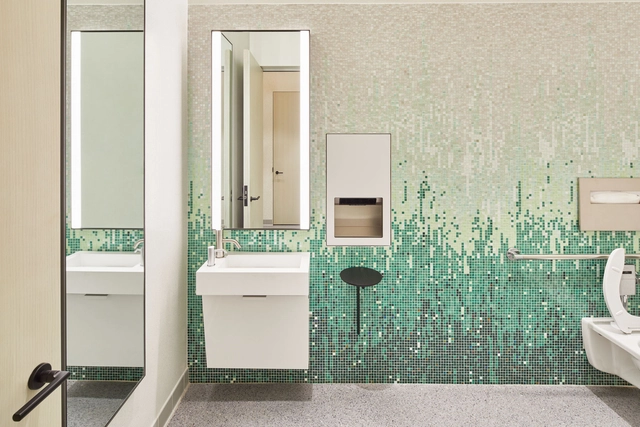
While it is undeniable that these advances have marked a turning point in the accessibility of the built environment, historically, these codes have led to the predominant aesthetics of accessible restrooms being based on conformity. This focus has gradually moved away from design, resulting in aesthetically limited proposals. Although compliance is not questioned, this situation has generated a need for new visions that can transform the aesthetics of bathrooms while adhering to these regulations. The growing need for accessible facilities has led to the development of innovative concepts, such as the Superloo cubicles. This self-contained facility maximizes usable space while highlighting the trend of merging functionality and inclusivity in an aesthetically pleasing environment.
https://www.archdaily.com/1021626/style-meets-accessibility-cutting-edge-restroom-solutions-for-everyoneEnrique Tovar
The sun is an inescapable partner in architecture, influencing lighting, energy efficiency, and comfort inside and outside buildings. This influence has become increasingly relevant in the context of climate change, which has led to rising temperatures and the creation of challenging environments. In response, designers are constantly working to adapt cities to heatwaves through large-scale urban strategies. On a smaller scale, such as in residential settings, the issue can be addressed more specifically through various shading solutions.
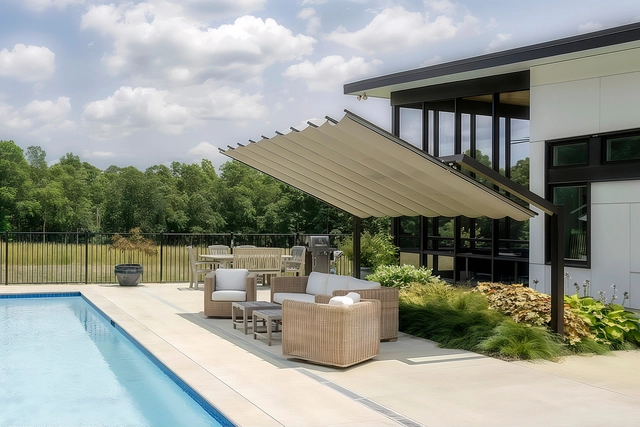
Since the sun's behavior varies by region and time of year, adjustable shade structures are crucial for managing sunlight and heat effectively. In high latitudes, the solar angles shift with the changing seasons, while in equatorial regions, the radiation remains more consistent throughout the year. ShadeFX retractable solutions are crafted to adapt to these varying conditions, regulating direct light intensity and minimizing excessive heat. By enhancing the comfort and functionality of spaces, these solutions also help reduce the impact of an overheated planet.
https://www.archdaily.com/1020060/how-to-choose-shade-structures-strategies-based-on-solar-angles-and-seasonsEnrique Tovar
After two weeks of open voting in the 15th edition of the Building of the Year Awards, our readers have meticulously narrowed down a pool of over 4,000 projects to a select group of 75 finalists spanning 15 categories. This year's awards enthusiastically honor the pinnacle of design, innovation, and sustainability on a global scale, showcasing an exceptional range of projects within the shortlist. As a crowdsourced award, we take pride in affirming that your selections authentically mirror the current state of architecture, and the caliber of this year's finalists further underscores the excellence and diversity prevalent in the field.
After two weeks of voting in our 14th edition of the Building of the Year Awards, our readers have narrowed down over 4,500 projects to just 75 finalists across 15 categories, casting over 100,000 votes. This year's awards celebrate the very best in design, innovation, and sustainability from around the globe, with the shortlist featuring an exceptional range of projects, from a house in a favela to cutting-edge cultural centers and innovative public spaces that are sure to impress. As a crowdsourced award, we are proud to say that your selections are a true reflection of the state of architecture, and this year's finalists are no exception.
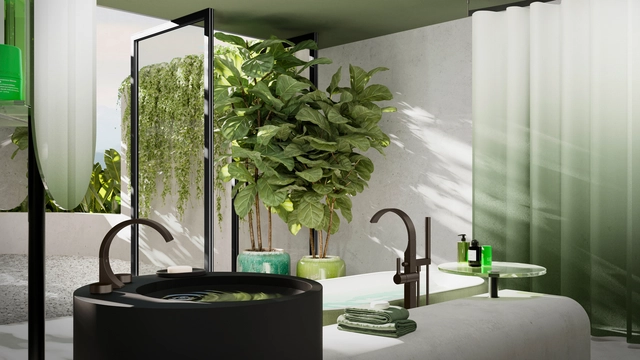
The CYO Oasis Bathroom . Image Courtesy of Dornbracht
What we are currently experiencing in the world is a shift in values. A crisis like COVID-19 leads us to question how we want to live, who is important to us, how we should spend our time. As our needs change, we focus on enduring values such as family, community, and an emphasis on our physical and mental well-being. When it comes to the objects that we surround ourselves with, themes such as lasting value, longevity, and quality are coming to the forefront. It is no longer only about what is good for the individual today, but also what will be useful and relevant tomorrow.
It is officially the time of year when the streets of Milan flood with design enthusiasts, eager to explore cutting-edge innovations and intricate Italian craftsmanship exhibited during Milan Design Week. From the 9th till the 14th of April, ArchDaily, along with 300,000 visitors hailing from countries all across the globe, will exchange ideas and indulge in the most recent furniture, product, and interior design technologies.
As part of Milan Design Week, Salone del Mobile, the most anticipated furniture and interior design event of the year, will be hosting more than 2,000 exhibitors at the Milan Fairgrounds in Rho, ranging from renowned architecture studios and architects to upcoming designers who are debuting their creations for the very first time. The list of acclaimed architecture studios participating in the Salone includes Zaha Hadid Design, Renzo Piano, John Pawson, and UNStudio to name a few.
The emergence of interconnectivity, smart and sensor-driven designs, home automation, clean energy, shared knowledge, and efficient software have created numerous opportunities for those looking to build their businesses around products. This includes architects who, by design, have a large skill set that allows them to engage with a wide variety of business models.
The idea of automating or productizing architectural design services is a contentious one and it trickles down to the very definition of architecture. But when it comes to the business aspect of the profession, it becomes clear that many among today’s most renowned architects owe their success to the idea of productizing their services.
https://www.archdaily.com/803788/5-architects-who-turned-to-selling-products-not-architectureLidija Grozdanic for Archipreneur.com
Videos
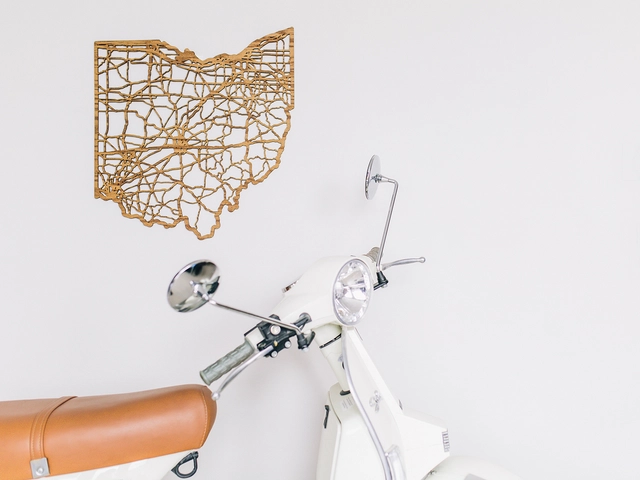
Oak State Art, Ohio. Image Courtesy of Cut Maps
Have you ever wanted to decorate your walls with old-style maps but been discouraged because they don't fit your minimal and contemporary aesthetic? Enter Cut Maps, the Virginia-based company that creates cartographic representations of cities and states using laser technologies to precisely define borders and streets. The resultant maps offer the illusion of their paper precedents, but with an otherworldly precision only possible in the digital age.
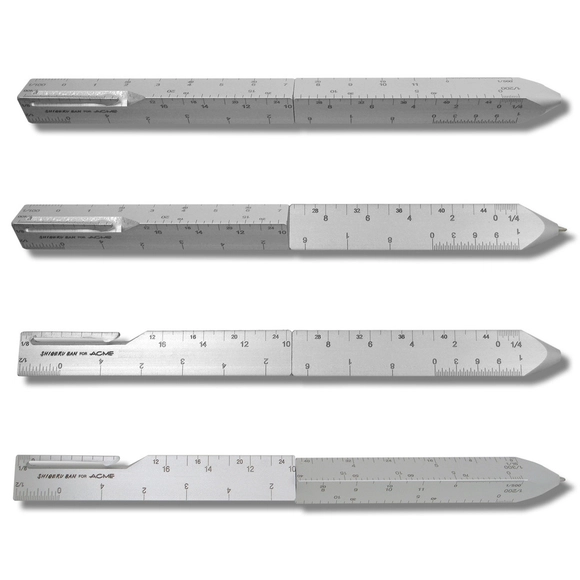
Shigeru Ban has designed a retractable, refillable "SCALE" pen for ACME Studio that was inspired by the architect's ruler. The aluminum pen, designed to fit comfortably into your hand, serves as a fully functional architect's scale outfitted with a ballpoint pen that retracts with a simple twist of the pen's two halves.
In “Architect + Entrepreneur Volume Two”, we follow along as architect Eric Reinholdt scales his business, continuing the narrative begun in volume 1 and applying an entrepreneurial mindset to every facet of his work. The book chronicles his experiments – failures and successes – as he reinvents his architectural practice.
The primary innovation is a focus on passive income producing products and it involves a simple shift supplementing the standard consulting arrangement – hours traded for revenues earned – with an architecture-as-product revenue model. We discover how products, especially digital products, are nearly infinitely scalable. As compared with the limits of time, which govern the standard consulting arrangement, passive-income-generating products reinforce the brand message and create more freedom for the business owner.
Rather than wholly rejecting the individualized, high-touch service side of the business in favor of products, the book demonstrates how a line of products can actually nourish the consulting arm with only those clients best suited for the brand, while producing enough residual income to fully fund the practice.
The following is an excerpt from chapter 2, “A New Hope Model.”
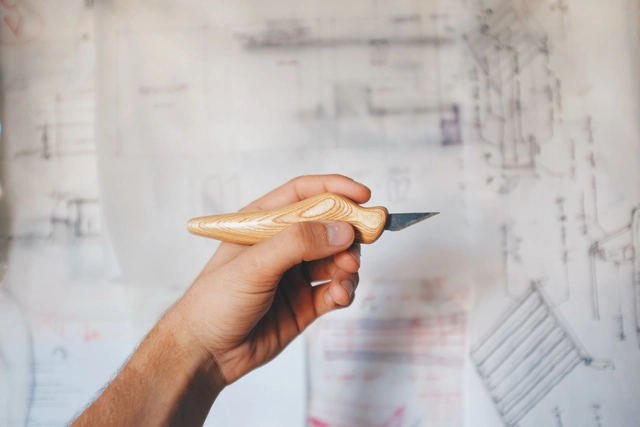
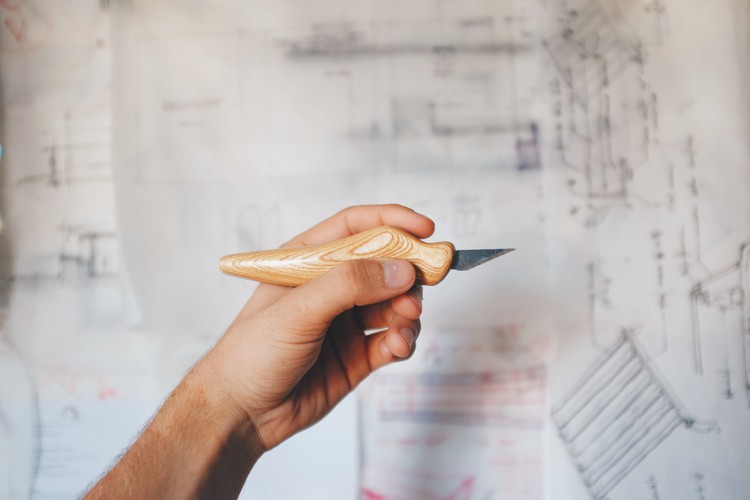
If you've been through architecture school you're probably wary of craft knives, which can puncture the skin of an non-alert, caffeinated student at a fraction of a second's notice. Even if you manage to avoid the hospital, though, these scourges of the studio still know how to hurt you: their designs are the antithesis of ergonomics, making a marathon modeling session a mighty endurance battle against hand cramps and joint pain. Aiming for a more comfortable solution, architecture graduate Sean Riley developed the Ergo Kiwi, and today is launching a Kickstarter campaign to help bring the product to market.
In addition, Riley has also meticulously cataloged his design and production process. At ArchDaily, we thought it gave a fascinating insight into not only the design of Ergo Kiwi, the but the steps involved in developing and bringing to market a convincing product. As a result, we invited him to share his story.
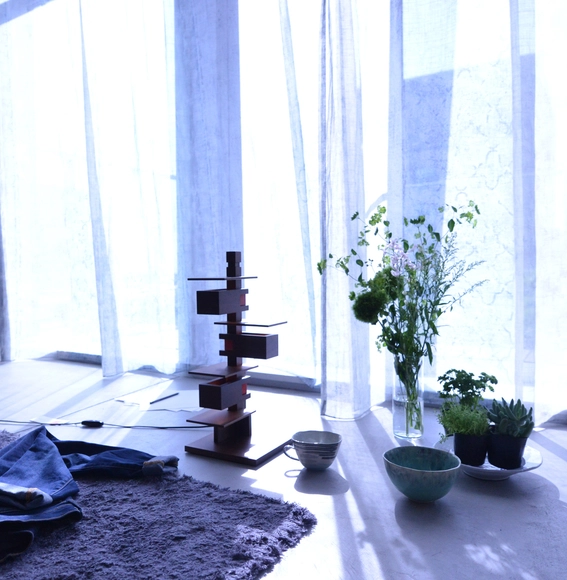
Available in both cherry and walnut, the towering geometrical lamp was originally designed by Wright for the Hillside Home School theater that had burned and was reconstructed at Taliesin in 1952. It features an array of stacked boxes, embellished with red accents, that indirectly reflect off directional boards placed above and below each cube.
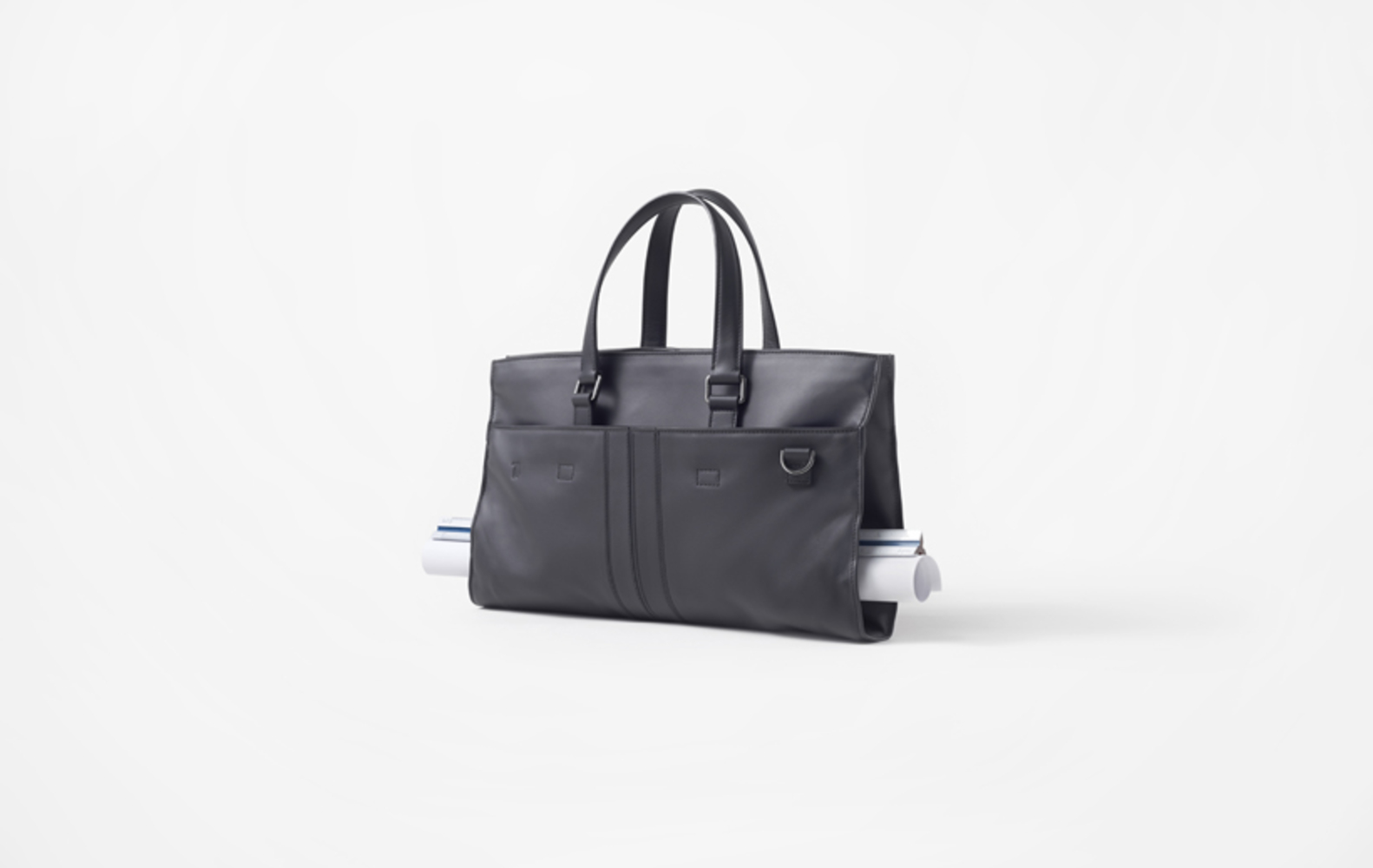
Designed with the architect in mind, nendo has created a morphable Architect Bag for TOD's. "In the extended form," says nendo, "the bag holds a full-size A3 drawing as well as samples with quite a bit of length. Folding it into half creates two spaces where you can store A4 size drawings and documents, and the middle part of the flex section houses rolled-up drawings, heavy catalogues or books and samples of construction materials. With the ability to store away the two handles, you can turn it into a clutch bag when you have fewer things to carry." Take a closer look, after the break.
Renzo Piano has designed a limited-edition handbag for the Italian fashion brand Max Mara to match his newly completed Whitney Museum of American Art in New York. The leather, top-handle bag, inspired by the "pure design and sophisticated materials" of the Whitney, features distinct ribbing inspired by the museum's facade.
"Our aim was to apply one of the most characteristic elements of the museum project - the facade - to the bag: hence the idea of the modular strips enveloping the exterior," said Piano in an interview with Max Mara. "We tried to maintain a simple, pure design, working only on the details by applying a creative use of technology and placing the accent on respect for the materials."
The 54th edition of Milan Design Week (also known as Salone del Mobile) recently came to a close. In celebration of its success, we have compiled a list of the most talked about architect-designed products showcased this year. Take a look after the break to see new products from Rem Koolhaas, Zaha Hadid, David Chipperfield, and more.