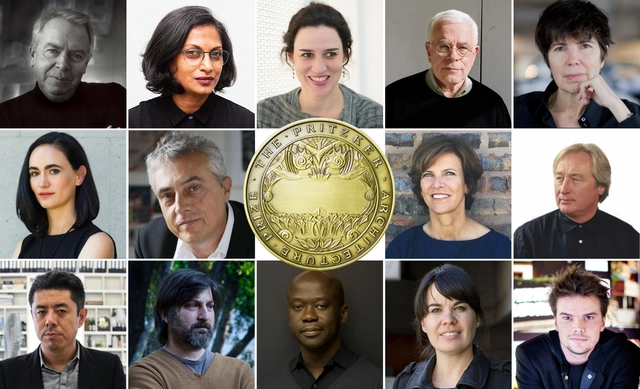
Once the Pritzker family of Chicago through the Hyatt Foundation has revealed the announcement date of the 2023 Pritzker Prize Laureate, the speculation has begun to swirl around which architect or architects will be honored with "the profession’s highest honor."
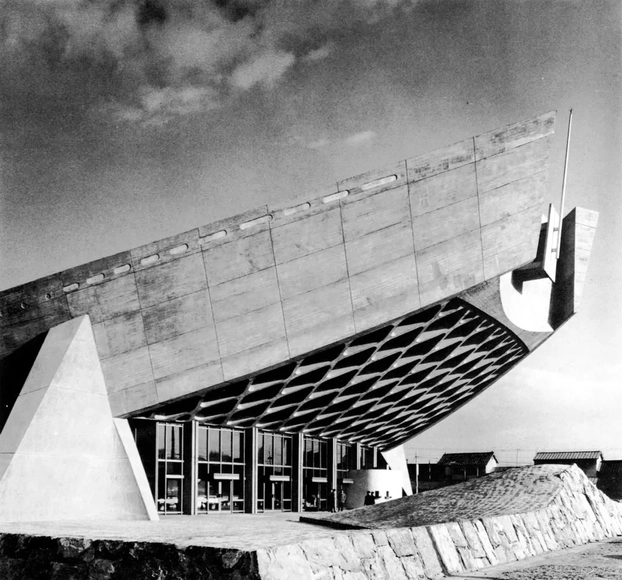
Local governor Toyohito Ikeda of Takamatsu, in Japan, announced that the famous Kagawa Gymnasium will be demolished. Built between 1961 and 1964 by the Pritzker Prize winnerKenzo Tange, the structure is a landmark of the modernist post-war era in Japan. This news has sparked the creation of a petition in an effort to save this 47-year-old monument.
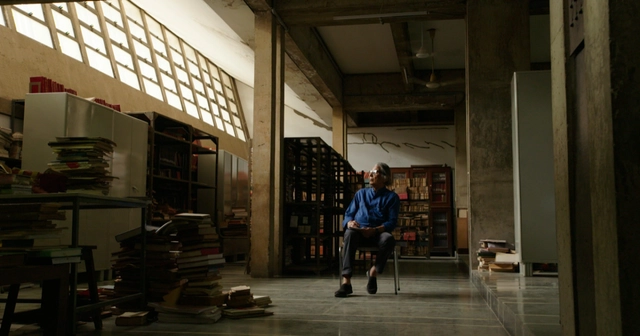
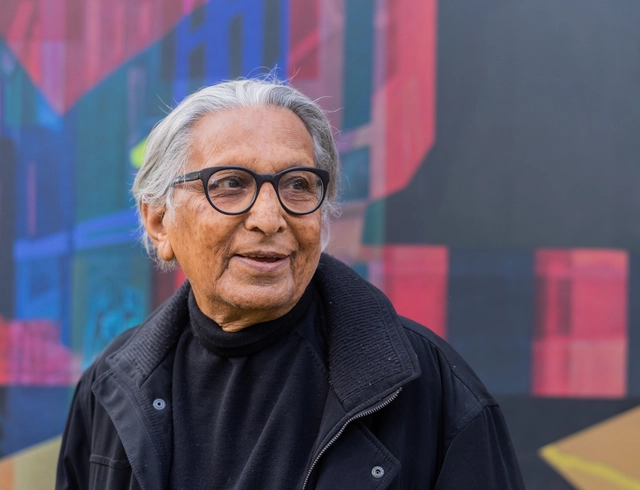
“I am not an architect,” he says with a sparkle in his eyes, “I am merely a person seeking out their destiny.” To the late pioneer of Indian modernism, Balkrishna Vithaldas Doshi, architecture was a practice of self-discovery. The veteran’s stellar works of poetic functionality resulted from a humanist philosophy bearing the influence of modernist principles, Mahatma Gandhi, and Indian spiritual texts. Doshi believed that architecture was synonymous with life - a vehicle for constant celebration; a medium for heightened experiences. His greatest contribution to the architecture community was his powerful words of wisdom that echo the timelessness of his structures.
Balkrishna Vithaldas Doshi, master architect, urban planner, educator, 2018 Pritzker Prize Winner, and 2022 Riba’s Gold Medal has passed away at 95, in Ahmedabad, India on Tuesday the 24th of January 2023, as reported by several Indian outlets and Architectural Digest India on their Instagram page. One of the most renowned Indian architects that shaped the architecture of India and its adjacent regions, Doshi, who was inspired greatly by the works of Le Corbusier and Louis Kahn, has “combined pioneering modernism with vernacular”. Known especially for his urban planning and social housing projects, as well as his academic work as a visiting professor at various universities worldwide, Balkrishna Doshi has designed, over his 70-year career, some of the most iconic buildings in India.
The profession of architecture is often marked by those individuals who employ their talent and resources to enable change and bring forth a vision for a better future. While some of them began their careers with bold gestures that captured the attention of the architectural world and changed paradigms, others worked in a more quiet manner, shifting the focus to the users of the space and asking themselves how they can best contribute to enriching the lives of those around them.
Every “Year In Review” assessment of anything is both myopic and timely. That being said, 2022 was a "Boom" time for architects (and the building industry in general). This snapshot will change in 2023 when this year’s manufactured interest rate jumps will crib death this short and intense boom.
Japanese architect and theorist Arata Isozaki, winner of 2019's Pritzker Prize, passed away at the age of 91. Since the 60s, Isozaki has been showing outstanding innovative ideas in his works, influencing eastern professionals with a forward-thinking approach that takes its roots from Japan. In a special tribute to the architect's achievements, ArchDaily highlights the immense list of Arata Isozaki’s projects and recreates the architect's professional development path since his very first works.
The “Reconstructing the Future for People and Planet” Conference, hosted by Bauhaus Earth and the Pontifical Academy of Sciences (PAS), has begun at the Casina Pio IV in the Vatican Gardens. The conference opened with a speech from Ursula von der Leyen, president of the European Commission. The extensive program brings together renowned scientists, architects, spatial planners, and policymakers to discuss the transformation of the built environment from a driver of climatic and societal crises into a force for regeneration.
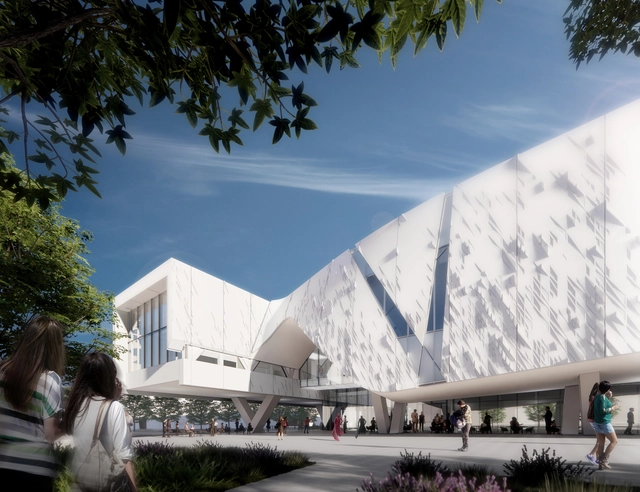
Rendering of Crow Museum of Asian Art at the O’Donnell Athenæum at UT Dallas, view of arrival and drop off from northwest. Image Courtesy of Morphosis Architects
The new arts campus, designed by global architecture and design firm Morphosis, has broken ground in Dallas, Texas. This marks the beginning of the first phase of construction for Edith and Peter O’Donnell Jr. Athenæum, a twelve-acre expansion of the University of Texas at Dallas (UT Dallas). The Athenæum complex will feature three main buildings: the Crow Museum of Asian Art (Phase I), a performance hall (Phase II), and a museum for the traditional arts of the Americas (Phase III). Phase I of the plan, the Crow Museum of Asian Art, is expected to be completed in 2024. The whole project is catalyzed by a $32 million donation from the O’Donnell Foundation.
Pritzker Prize 2022 Laureate Francis Kéré is known for “empowering and transforming communities through the process of architecture”, as the jury stated in its citation. In this recently published video, Martha Thorne, Dean of IE School of Architecture and Design and former executive director of the Pritzker Architecture Prize, shares some of the reasons why Francis Kéré has won the Pritzker Prize 2022.
Videos
Diébédo Francis Kéré: Architecture is a wake-up call. Image Courtesy of Kéré Architecture
Meet 2022 Pritzker Architecture Prize winner, Francis Kéré, Burkina Faso-born black architect, in an interview about his architectural philosophy, with Louisiana Channel. As the official statement of the Pritzker Architecture Prize notes, “Through buildings that demonstrate beauty, modesty, and invention, and by the integrity of his architecture and geste, Kéré gracefully upholds the mission of this Prize”, continually “empowering and transforming communities through the process of architecture.”
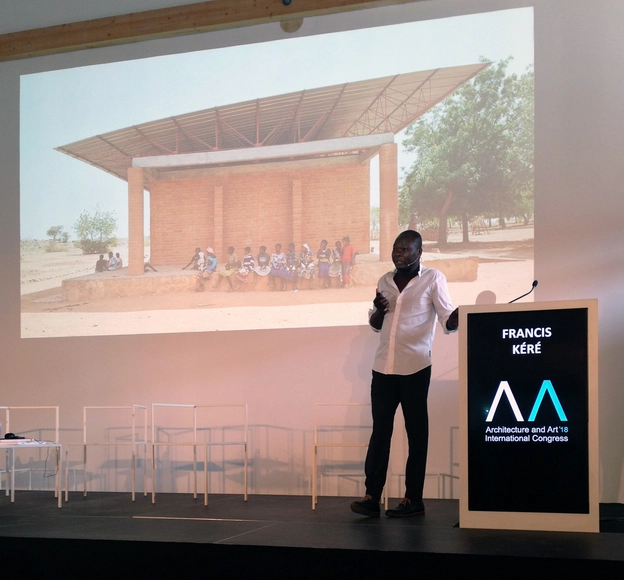
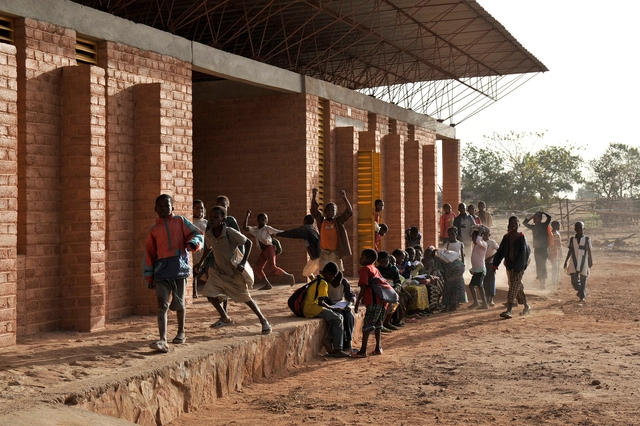
"I Draw on Paper, but I Prefer to Draw on the Ground". This phrase caught my eye during Diébédo Francis Kéré's speech at the AAICO (Architecture and Art International Congress), which took place in Porto, Portugal from September 3 to 8, 2018. After being introduced by none other than Eduardo Souto de Moura, Kéré began his speech with the simplicity and humility that guides his work. His best-known works were built in remote places, where materials are scarce and the workforce is of the residents themselves, using local resources and techniques.
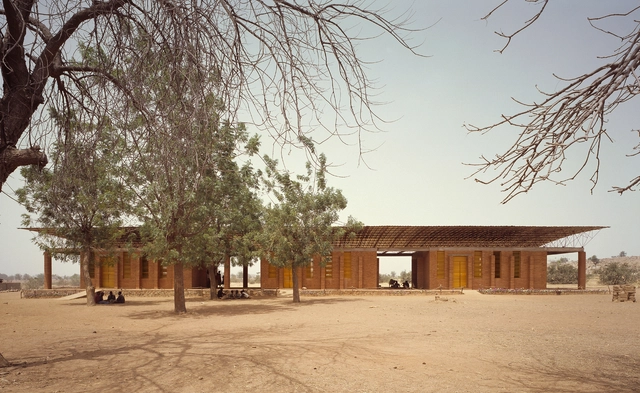
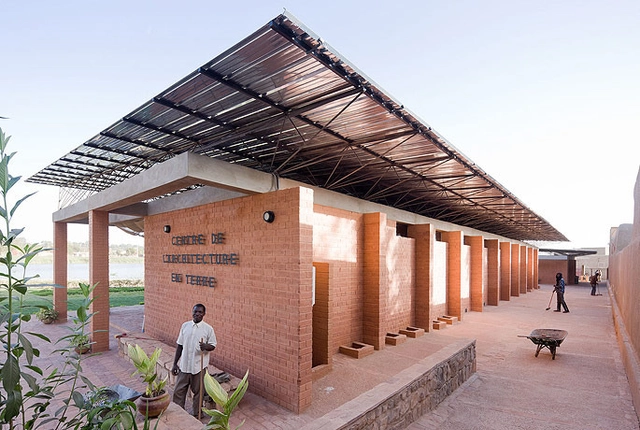
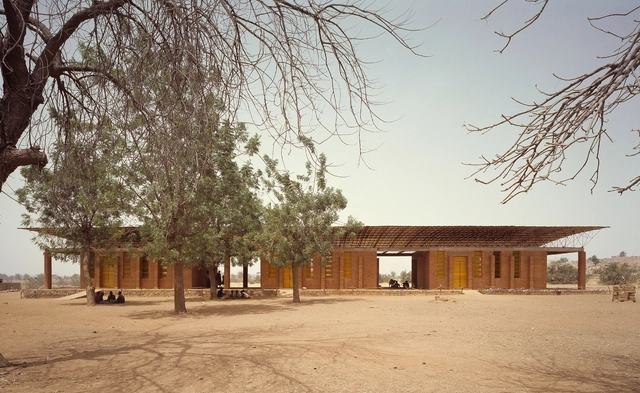
African architecture has received deserved international attention in the last decade and one of the main responsible for this is, undoubtedly, Diébédo Francis Kéré, 2022 Pritzker Prize Winner. Born in Gando, Burkina Faso, Kéré graduated in architecture at the Technische Universität Berlin, in Germany. Today, he maintains branches of his firm, Kéré Architecture, in both countries, through which he seeks to develop works in the "intersection of utopia and pragmatism", exploring the border between Western architecture and local practice.
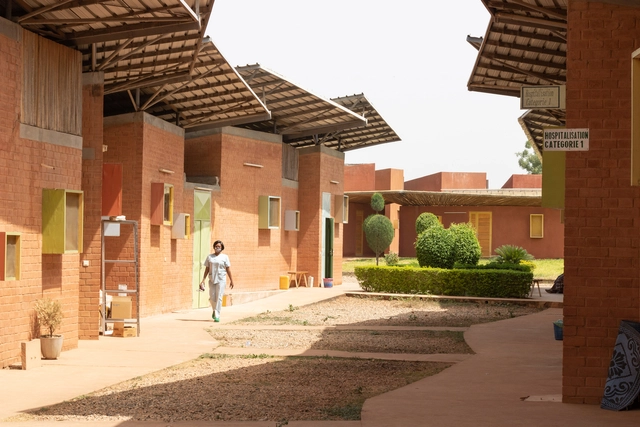
Surgical Clinic and Health Center. Cortesia de Francis Kéré
"I just wanted my community to be a part of this process," Diébédo Francis Kéré said in an ArchDaily interview published last year. It's hard to think of another phrase that so well sums up the modesty and impact caused by the newest winner of the Pritzker Prize of Architecture, whose work gained notoriety precisely for involving the inhabitants of his village in the construction of works that combine ethical commitment, environmental efficiency, and aesthetic quality.
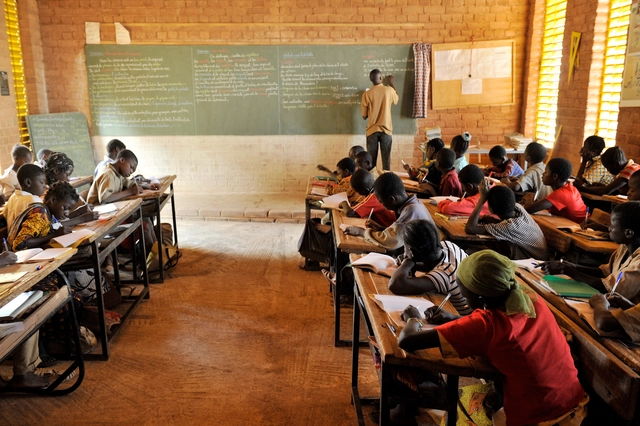
Diébédo Francis Kéré founded his architecture practice Kéré Architecture, in Berlin, Germany in 2005, after a journey in which he started advocating for the building of quality educational architecture in his home country of Burkina Faso. Deprived of proper classrooms and learning conditions as a child, and having faced the same reality as the majority of children in his country, his first works aimed at bringing tangible solutions to the issues faced by the community.
https://www.archdaily.com/978482/francis-kere-get-to-know-the-2022-pritzker-winners-built-workHana Abdel & Paula Pintos





.jpg?1647823274&format=webp&width=640&height=580)