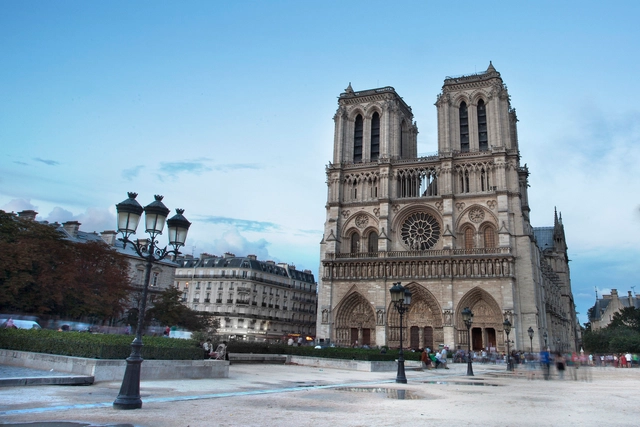
A few years ago, while visiting, or rather exploring, Notre-Dame, the author of this book found, in an obscure corner of one of the towers, this word carved upon the wall:
'ANÁΓKH
These Greek characters, black with age, and cut deep into the stone with the peculiarities of form and arrangement common to Gothic calligraphy that marked them the work of some hand in the Middle Ages, and above all the sad and mournful meaning which they expressed, forcibly impressed the author.
The Getty Foundation has selected 12 significant 20th century buildings to receive 2017 grants as part of its Keeping It Modern initiative, which aims to advance the understanding and preservation of modern architecture through a focus on conservation planning and research. Since its founding in 2014, the program has supported the preservation of 45 projects from around the globe.
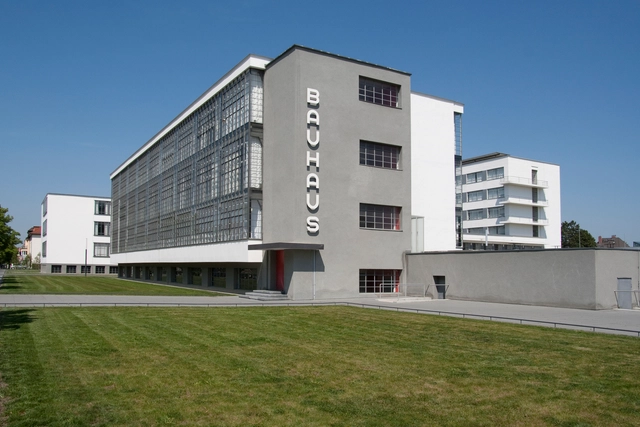
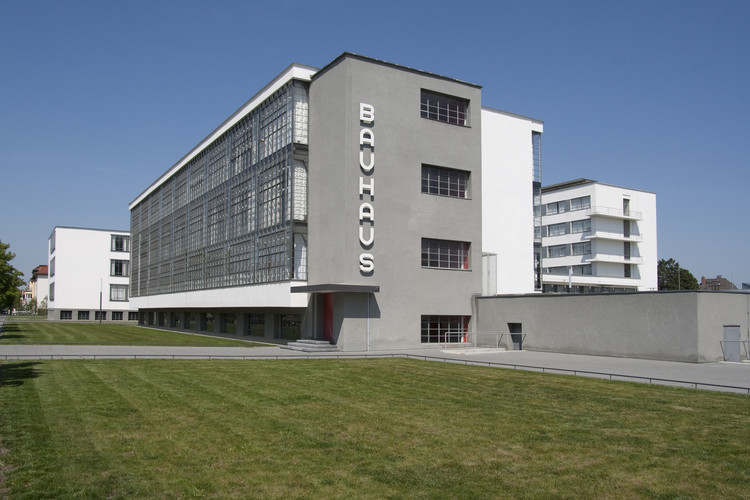
This year $1.66 million in grants were awarded to recognizable projects including the Walter Gropius-designed Bauhaus Building in Dessau; the Melnikov House in Moscow (the first Russian project to receive a grant); and Frank Lloyd Wright’s only skyscraper, Price Tower.
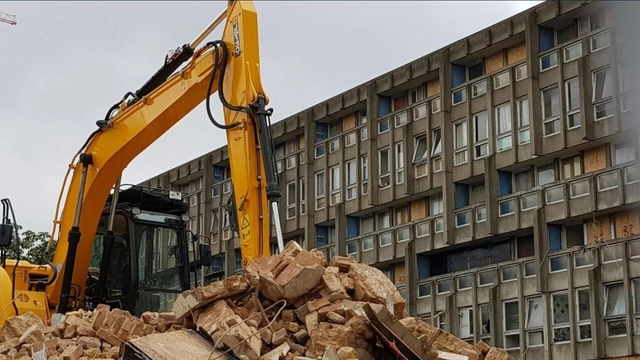
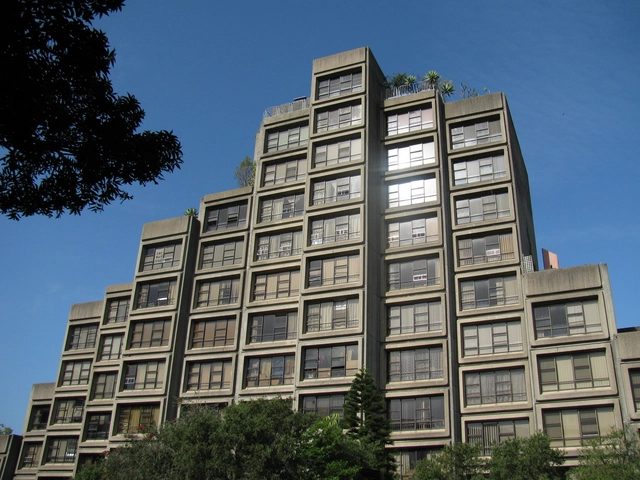
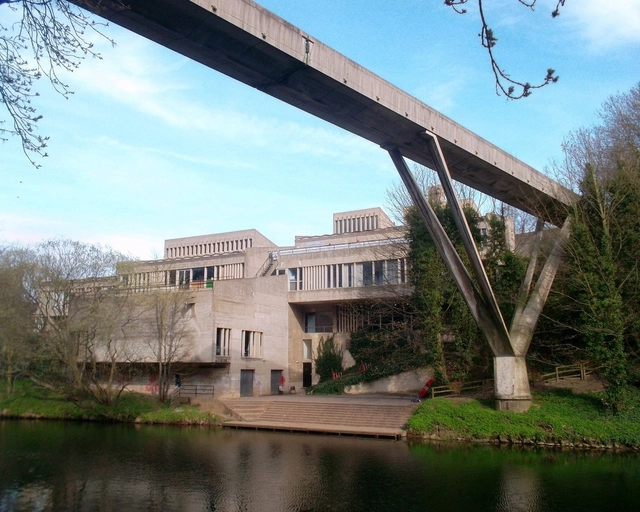
In a major victory for preservationists, one of Sydney’s few examples of brutalist architecture, the Sirius Apartment Building, has been saved from the wrecking ball after court ruled against the government’s attempt to deny it a place on the State Heritage Register.
https://www.archdaily.com/876508/sydneys-brutalist-sirius-building-saved-from-demolition-after-court-rulingAD Editorial Team
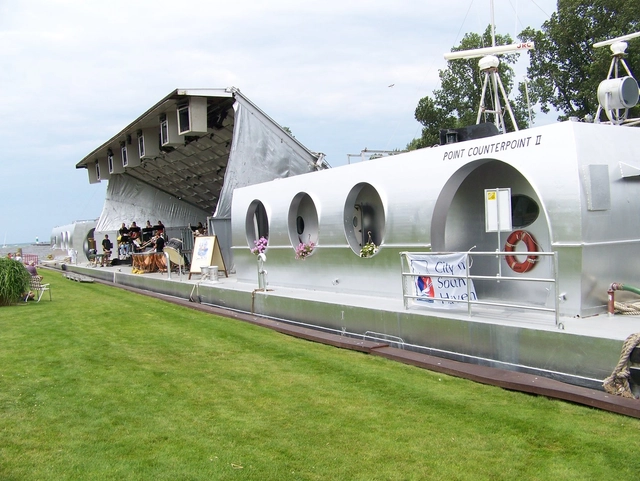
One of Louis Kahn’s most unique and lesser-known projects, the floating concert hall known as Point Counterpoint II, is at risk of demolition, reports the Pittsburgh Post Gazette.
Built from 1964 to ’67 as part of celebrations for the American Bicentennial, the 195-foot-long vessel has since been used as the waterborne home of the American Wind Symphony Orchestra (AWSO), allowing the group to take their own venue places as far away as Paris, France and St. Petersburg, Russia. Along with circular doorways and portholes, the structure features a 75-foot-wide stage that can be opened and closed using a hydraulic lift system.
DINÂMIA’CET-IUL is delighted to announce the 1st Summer School on the Island of São Miguel in Azores.
“Moytirra 2017, Sketch design for deep-sea mining labour’s housing” includes Master-Classes, studio sessions and field trips, led by lecturers and researchers from ISCTE-IUL and University of Azores (Portugal), Northeastern and Dartmouth College (USA), Kuwait University (Kuwait) and University of Waterloo (Canada), with the support of local architectural offices. On 5th day, the final results of the workshop will be presented and discussed with the local community.
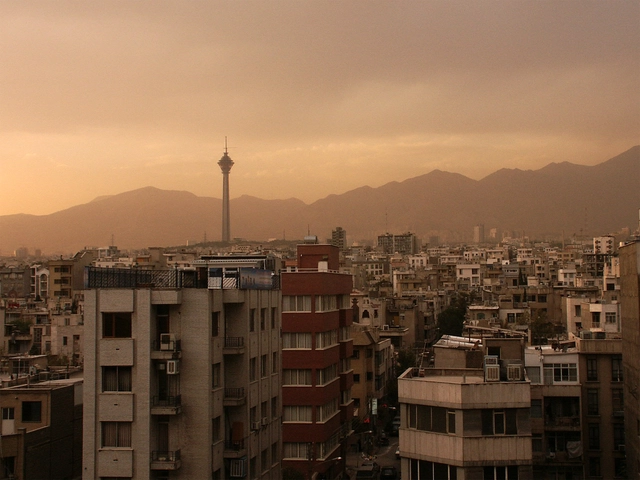
Taking a taxi from Tehran Imam Khomeini International Airport into the city, one cannot help but look at the seemingly random distribution of buildings along the road; an array of mismatched concrete blocks, worlds away from the images of Sheik Lotfollah Mosque that typically adorn the covers of Iran travel guides. “My observations about architecture in Iran are like that of many other countries that have changed in terms of architectural characteristics; Iran has changed too,” says Tehran-based architect, M. Reza Karfar. “Now we are in a time where everything is mass produced and we are just using and using, but not making memories with anything. That sense of belonging will, of course, go away. You see a 50 or 60, or 200-year-old house that just gets demolished and replaced by a 4 or 5-story building, and in 5 years they will demolish that 4 to 5-story building too.”
Not to say that Iran should be an exhibit for tourists, only consisting of beautiful tiled buildings, but this fear of memories fading in disappearing public spaces is one that, despite the numerous historical sites preserved around the country, is noticeable in Iran’s big cities. And while the subject is particularly pertinent in Iran, as Karfar points out this phenomenon is not unique to just one country. As a result, Iran might offer something of a case study for other countries around the world.
If I had to guess, I would say that it has been forty years since Columbus, Indiana, was the hot topic of cocktail conversations at design-related get-togethers in New York City. In those days, it was the supercharged patronage of industrialist J. Irwin Miller and his relationships with designers like Eero Saarinen and Alexander Girard that spurred a wave of innovative and provocative architecture in the small Midwestern town. Columbus, with a population of 45,000, has a Robert Venturi fire station, a John Johansen school, a park by Michael Van Valkenburgh, and several buildings by Eliel and Eero Saarinen, including the younger’s iconic Miller House.
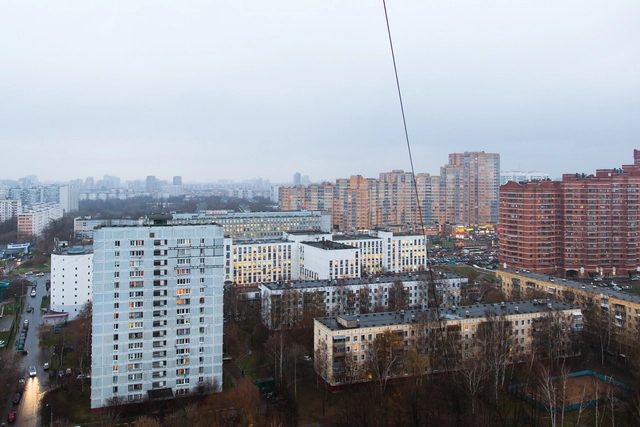
The Moscow government has just launched the biggest demolition program in the city’s history. Its goal is to get rid of 8,000 5-story residential buildings constructed in the Soviet era—it is probably the biggest program of erasure of modernist architectural heritage in world history. The main assumptions of the plan, as well as the press comments following it, show that we have forgotten what modernism was about, and what the real values of this architecture are.
A few years ago I published an essay titled Belyayevo Forever, dedicated to the preservation of generic modernist architecture. I focused on Moscow’s microrayons—vast, state-funded housing estates built in the Soviet era. In the essay, I explained the spatial and cultural values these prefabricated landscapes had. I also speculated about how one would go about preserving architecture that completely lacks uniqueness. The essay ended with a provocative statement: we should put Belyayevo—the most generic of all Soviet estates—on the UNESCO heritage list.
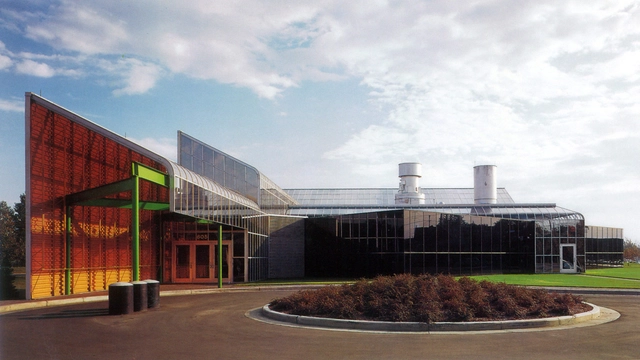
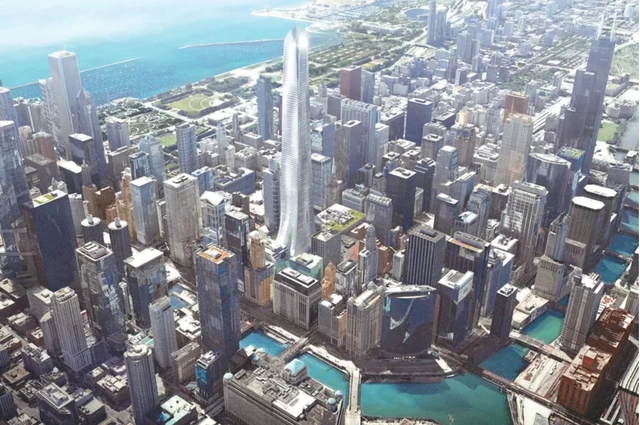
Chicago may be about to receive a new supertall skyscraper in the heart of the Loop – but it would require the demolition of one of the city’s most polarizing buildings, the James R. Thompson Center, designed by Chicago architect Helmut Jahn.
Owned by the state, the postmodernist Thompson Center and its colorful glass atrium have been the subject of both criticism and adoration since its opening in 1985. But wear on the building throughout the years has led to an estimated maintenance bill of $326 million, prompting the state government to find ways to rid itself of the potentially crippling costs.
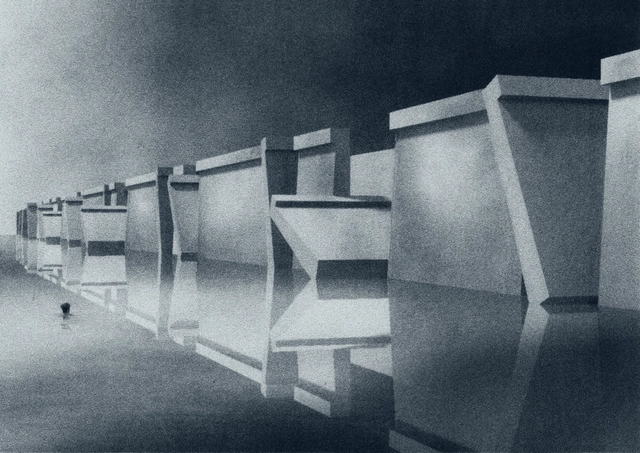
In the practice of historic preservation, there is often a temptation to turn a building into an object on display—meticulously restored, unchanging, physically isolated—in order to remove it from the flow of history. The multidisciplinary Amsterdam-based studio Rietveld-Architecture-Art-Affordances (RAAAF) situates itself in opposition to this method of dealing with architectural remnants. Instead, it proposes to make history tangible by altering these decaying structures in a way that makes their stories plainly visible. The practice has a name for this approach—"hardcore heritage."
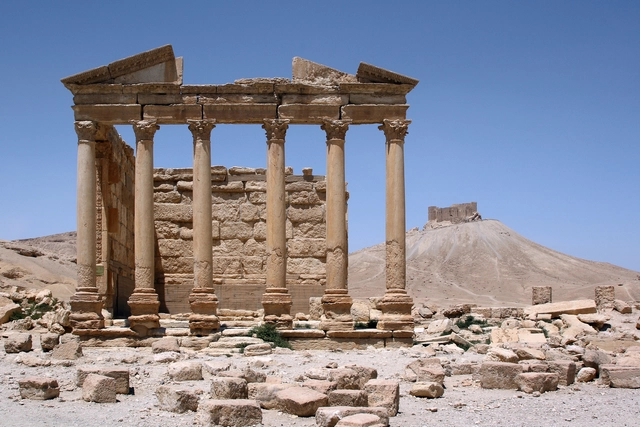
The Aggregate Architectural History Collaborative has organized a collection of essays, entitled The Destruction of Cultural Heritage: From Napoléon to ISIS, which examines several centuries of the demolition of monuments in the Middle East. With world events like ISIS and the protection of architectural heritage growing to be more and more topical, this collection is a useful tool in considering the role of violence, how ancient architecture is perceived as a cultural entity, what role the media has to play, and beyond.
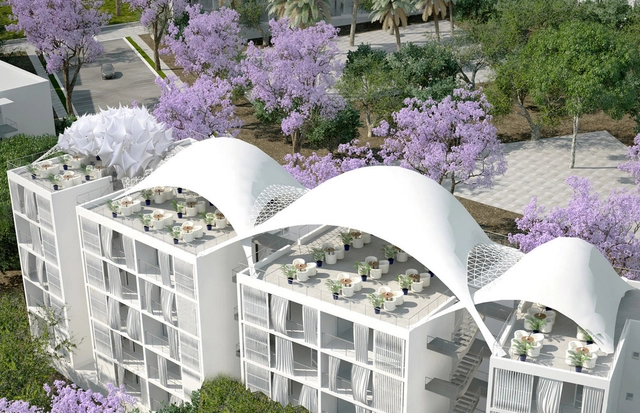
Philippe Barrière Collective (PB+Co) has created the urban plan for a new semi-rural/semi-urban development in Manouba, Tunisia. Utilizing an existing olive grove estate, the environmentally driven project includes collective housing pavilions among its ecological design composed of 4,475 salvaged olive trees, newly planted taller trees, and a wild botanical garden that fosters local biodiversity.
Villa Beer (1930) / Josof Frank. ImagePublic Domain
The Villa Beer (1929-1930) is considered to be one of Josef Frank's—the great Austro-Swedish architect—most important built projects. As reported by DisegnoDaily, the architectural integrity of the house—which was originally commissioned by the industrialist Julius Beer and built in the Viennese suburb of Hietzing—is now under threat despite being proposed for protection by the Austrian government as a historic site in 2007.
https://www.archdaily.com/799821/the-architectural-integrity-of-josef-franks-villa-beer-may-be-irrevocably-lostAD Editorial Team
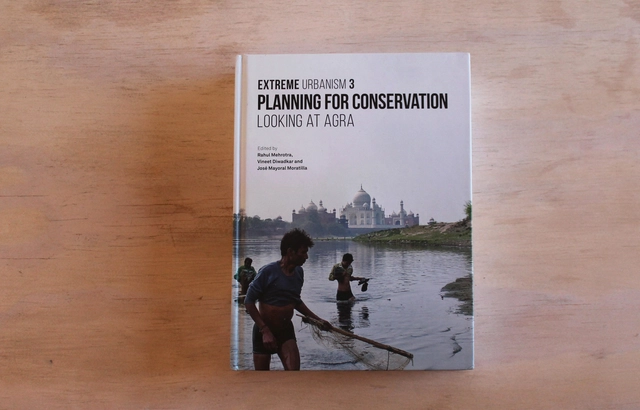
This volume presents the research and speculations produced by scholars, Loeb Fellows and graduate students at Harvard Graduate School of Design by looking at possibilities for the city of Agra in India and the agency of design between Architecture, Critical Conservation, Urban Planning & Design, and Landscape Architecture in heritage conservation, economic development, and the planning of medium-sized South Asian cities.
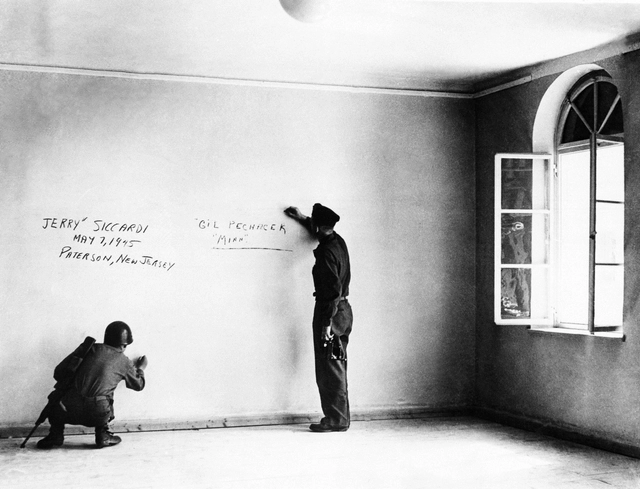
US soldiers photographed defacing Hitler's birth house in Braunau am Inn (1945)
Mankind has a strange relationship with the darker elements of its history. While some argue that we must consign our greatest mistakes to the past in order to move forward, others believe that ignoring, or refusing to acknowledge, our transgressions dishonors those who suffered – and leaves us vulnerable to repeating them. This ongoing debate has found its latest incarnation in western Austria, where the national government has announced its intention to demolish a seemingly unremarkable yellow house in the riverside town of Braunau am Inn – a house which, despite its unassuming façade, has gained infamy as the birthplace of Adolf Hitler.
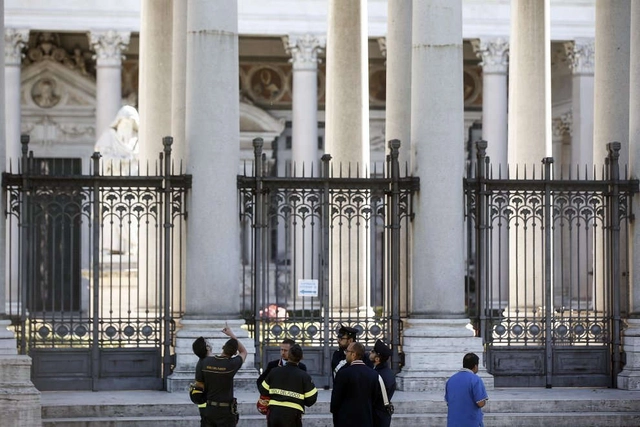
Inspections underway in Rome. Image via La Repubblica (Roma)
Following an earthquake measuring 6.6 on the Richter Scale that struck central Italy this morning at 7:40 a.m. local time—the fourth to hit this part of the country in three months—a number of structures have collapsed entirely or been severely damaged. While no deaths have been reported at this time, the BBC suggests that twenty people have been injured.