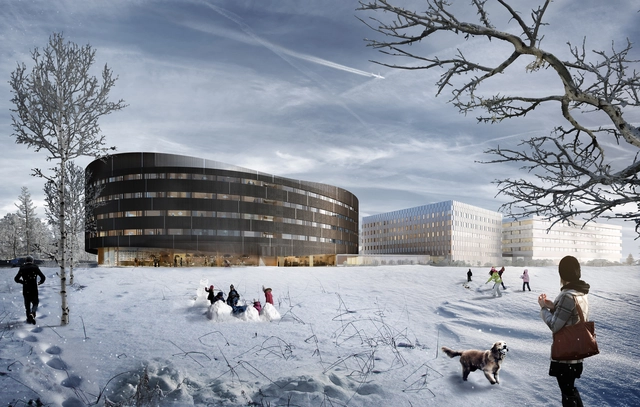
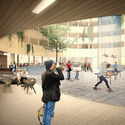
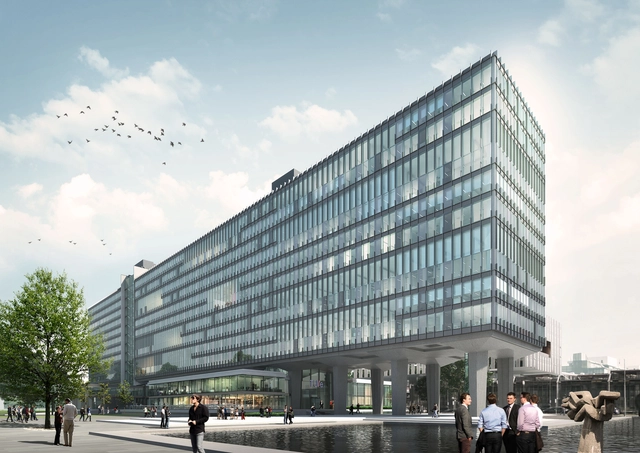
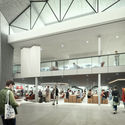
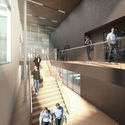
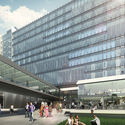
Total Engineer Team RSVP has unveiled the renovation design for the Main Building of the Eindhoven University of Technology in the Netherlands, which, once completed, will be the most sustainable university building in the world. On September 27, the design was awarded as BREEAM Outstanding under the BREEAM-NL sustainability label of the Netherlands, with a score of 93.86%.
The university building, which will be called Atlas upon completion, was designed by a multidisciplinary team consisting of Team V (architect), Van Rossum (construction engineer), Valstar Simonis (building installations engineer), and Peutz (building physics engineer and sustainability expert).
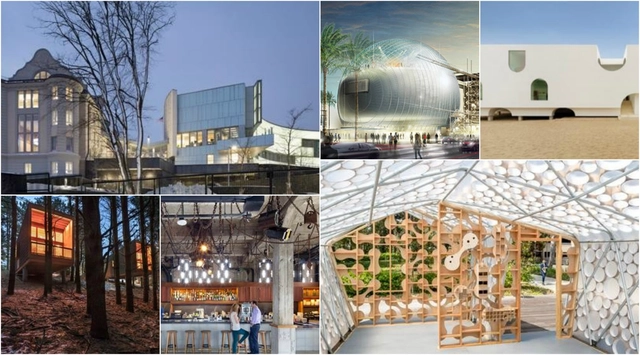
75 buildings have been announced as the winners of the 2016 American Architecture Awards by The Chicago Athenaeum: Museum of Architecture and Design and The European Center for Architecture Art Design and Urban Studies. Now in its 22nd year, the American Architecture Awards recognize “the best new buildings designed and constructed by American architects in the U.S. and abroad and by international architects for buildings designed and built in the United States.”
This comprehensive and even-handed overview of new American Architecture for 2016, allows you (as a viewer) to witness the enormous diversity in the American practice of architecture today, said Christian Narkiewicz-Laine, Museum President, The Chicago Athenaeum. This year’s selection by the Denver jury was more interested in discussions concerning the problems of the environment, social context, technical and constructive solutions, the responsible use of energies, restoration and adaptive- reuse, and the sensitive use of materials and ecology.
The 75 winners of the 2016 American Architecture Awards are:
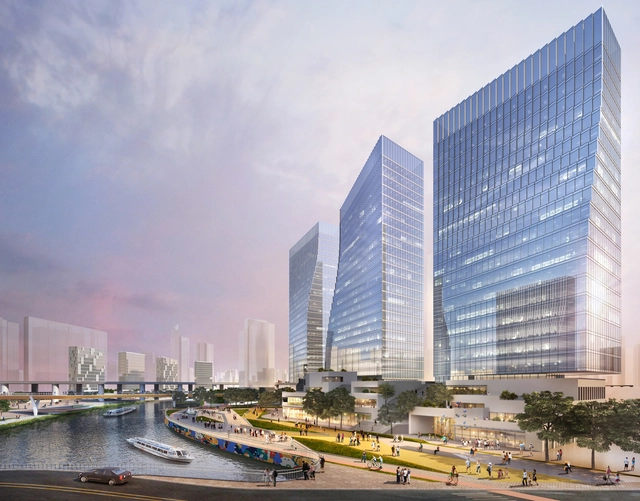
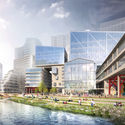
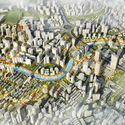
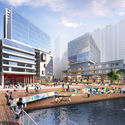
U.S.-based firm Sasaki has won the international competition to redesign Suzhou Creek—also known as the Wusong River—in Shanghai, China, which was historically one of the city’s most vital water routes, but which, in recent decades, suffered severe pollution and neglect. After receiving a grant from the Asian Development Bank, the waterway has been cleaned and is now in the process of becoming a new centerpiece for Shanghai.
Videos
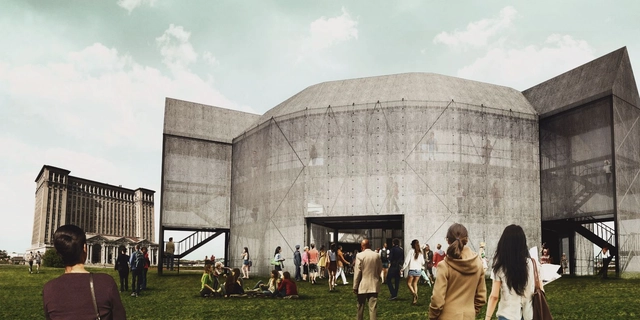
Globe by Michigan Station, Detroit. Image Courtesy of The Container Globe
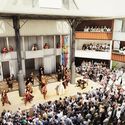
All the world’s a stage – quite literally so, in the case of the Container Globe, a proposal to reconstruct a version of Shakespeare’s famous Globe Theatre with shipping containers. Staying true to the design of the original Globe Theatre in London, the Container Globe sees repurposed containers come together in a familiar form, but in steel rather than wood. Founder Angus Vail hopes this change in building component will give the Container Globe both a "punk rock" element and international mobility, making it as mobile as the shipping containers that make up its structure.
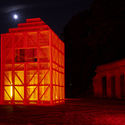
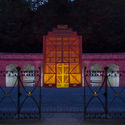
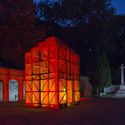
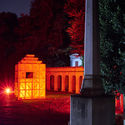
Sam Jacob Studio has created a replica of Adolf Loos’ unrealized 1921 mausoleum in Highgate Cemetary, London, which is home to the graves of Karl Marx and Malcolm McLaren, amongst other notable figures.
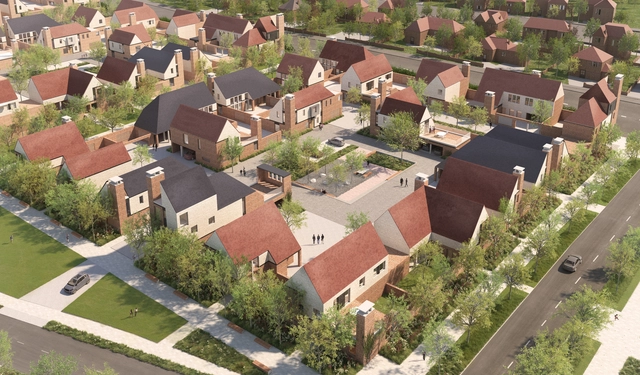
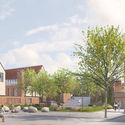
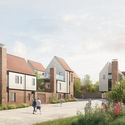
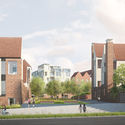
Proctor and Matthews Architects have released its plans for 140 homes in the first development phase of Mountfield Park, a major urban extension of Canterbury, England as a 21st-century garden city.
Inspired by the local landscape and vernacular forms, namely nearby courtyard farms and the site’s existing landscape of hops fields and fruit orchards, this first phase of the development will feature six residential clusters with houses interconnected around an orchard landscape. These clusters will be configured as a series of stepped terraces, in response to the site’s topography.
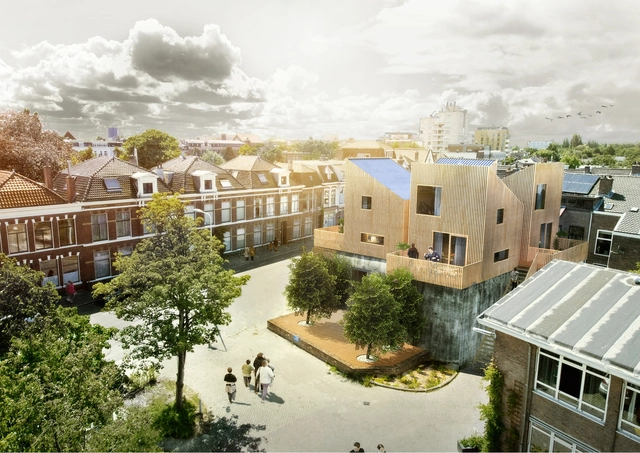
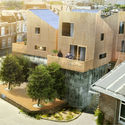
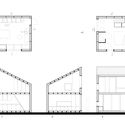
Dutch firm Froscen Architects has unveiled FOON HOUSE(S), a tiny house concept in Leiden, the Netherlands. To be built on a former communications bunker from World War II in the middle of the city, the design focuses on the adaptive reuse of a small concrete complex overgrown with ivy.
The project will consist of four separate micro-houses on top of the bunker, each with a floor space of about 38 square meters, and equipped with necessary facilities.
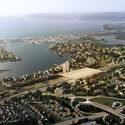
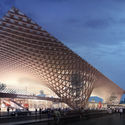
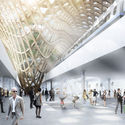
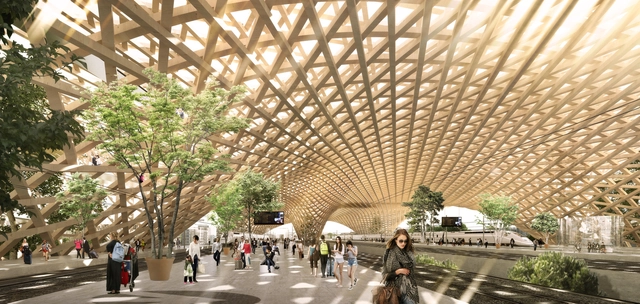
Erik Giudice Architecture has released its proposal for a transit station at Södra Munksjön, in Jönköping, Sweden, a design that was created as an entry for the station area ideas competition, which recruited four firms to create a new station as a part of the area’s larger expansion plan.
Based on the idea of connecting the city and its surrounding nature, the station proposal utilizes light and a playful wooden canopy structure to create a portal from Jönköping to Munksjön, a lake on its opposite side. The “matchstick” structure of the station additionally pays homage to the city’s past as Tändsticksstaden, a famous matchstick capital of Sweden.
Steven Holl has been awarded the 2016 Daylight Award in Architecture, which honors architects “who have distinguished themselves by realizing architecture or creating urban environments that showcase a unique use of daylight, for the benefit of overall quality of life, its impact on human health, well-being and performance, and its value to society.”
SPOL Architects’First Hotel OSL, a hotel near the newly extended Oslo Airport, has received planning approval after a unanimous vote in the Jessheim City Council. Designed to be a destination in itself, the hotel will be an environmentally friendly oval shape, featuring 300 rooms and a large atrium for sports activities.
Acting as a “meeting place for globe trotters,” the hotel aims to become a shared space for shared experiences for travelers.
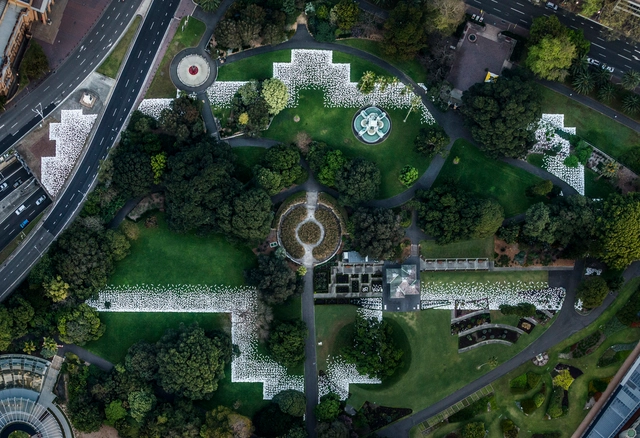
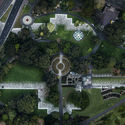
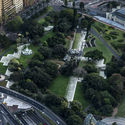
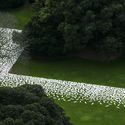
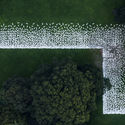
Kaldor Public Art Projects, in collaboration with artist Jonathan Jones, has created barrangal dyara (skin and bones), the first Kaldor Public Art project to be produced together with an Aboriginal artist in the Royal Botanic Garden of Sydney, Australia. Inspired by the history of the 19th century Garden Palace building, which originally stood in the Royal Botanic Garden from 1879 to 1882 before burning to the ground, the artwork marks the original footprint of the building with a sculptural installation of 15,000 white shields spanning 20,000 square meters.
Where the Garden Palace’s dome once crowned the city, a dynamic meadow of kangaroo grass now disrupts the garden’s formal European design.
Eight Aboriginal language soundscapes, which were developed with communities throughout south-east Australia, are installed throughout the site.
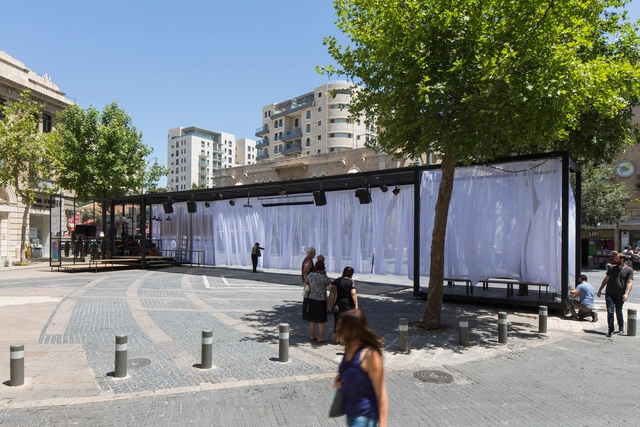
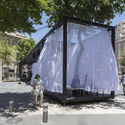
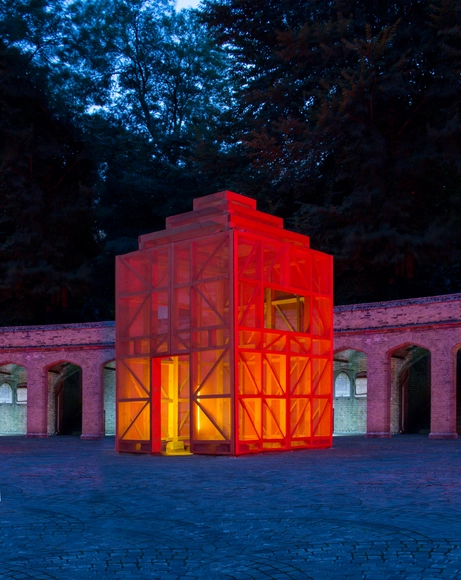
Located in Zion Square parallel to the tramway line, the pavilion creates a space to host art programs including lectures, concerts, dance performances, video screenings, and theater productions. The structure beautifully frames a dialogue between the urban routine and cultural experiences, giving users a new understanding of the Israel Festival, and of the potential of the spaces within their city.
In this TED Talk, co-founder of MASS Design Group, Michael Murphy, presents the question “what more can architecture do?” as the springboard philosophy behind the practice. Following a trajectory of MASS’s projects, Murphy reflects upon their practice’s progress in seeing architecture as an opportunity to invest in the future of communities.
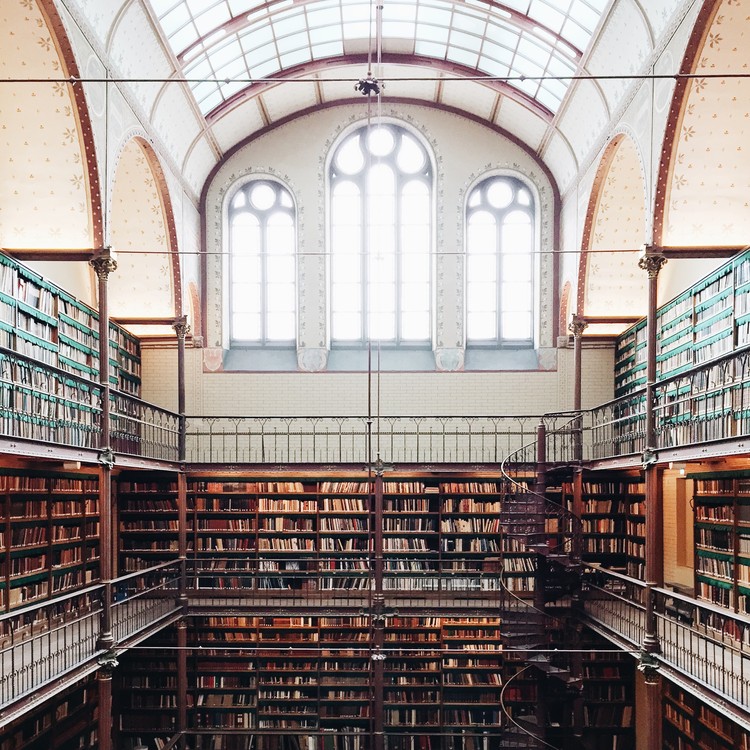
Self-proclaimed “Instagram purist” Olivier Martel Savoie (@une_olive) has created #olive_libraries, a series of Instagram photographs portraying libraries around the world, using only the camera on his iPhone. Over the past two years, Savoie has traveled from his home city of Montréal, to Berlin, Amsterdam, Budapest, Rome, Riga, Paris, Moscow, and several other cities photographing the stunning architecture of libraries. Encountering language barriers and even intense security, Savoie’s dedication to taking the perfect photo has resulted in a stunning collection of images.
Experience the beauty of libraries around the world, after the break.
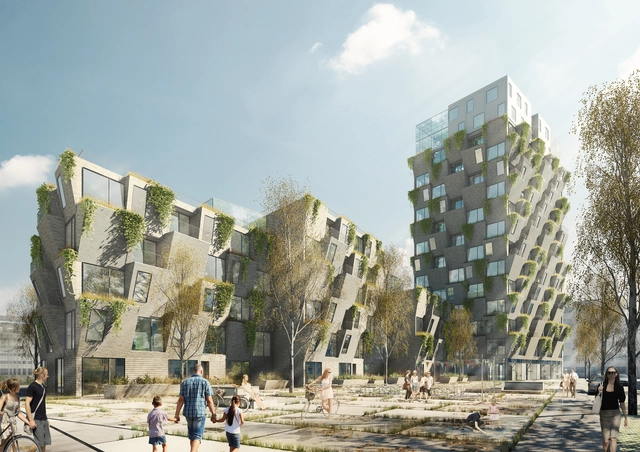
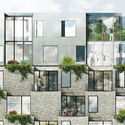
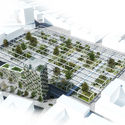
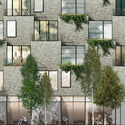
Denmark-based Studio LOKAL has won the competition for the design of a residential tower in Copenhagen, with The Hanging Gardens, its proposal for a merger of the historic brick buildings of Carlsberg with the concept of a personal garden for each resident.
Located on the site of a former vegetable market, the proposal aims to return to these homegrown roots by encouraging residents to grow their own produce in one of the tower’s gardens. Furthermore, the ground floor of the building will house a farmers market where residents can trade their own produce.
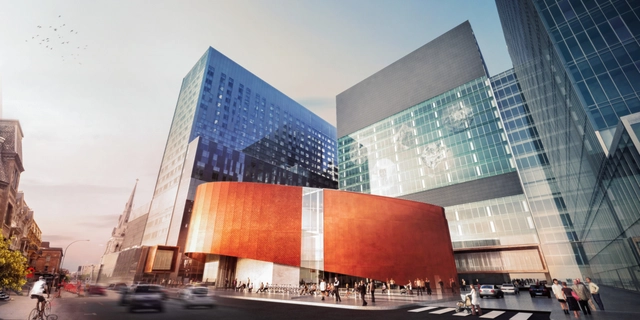
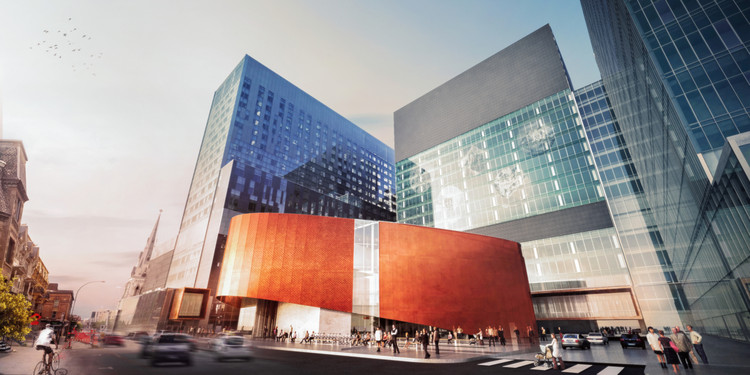
CannonDesign and NEUF architect(e)s have unveiled the design for the Centre Hospitalier de l’Université de Montréal (CHUM), the largest healthcare construction project in North America and one of the largest current healthcare projects in the world, which has been in the works for almost a decade.
Spanning over 3 million square feet, the 22-story complex will merge three aging hospitals into one, creating a space with 772 single-bed patient rooms, 39 operating theaters, and more than 400 clinics and examination rooms.
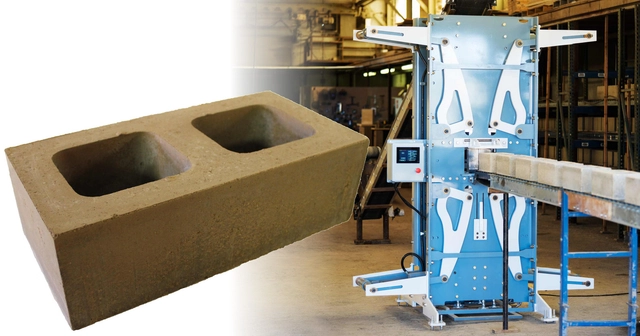
Excavation is usually a bane for real estate developers. To make way for new buildings, truckloads of excavated waste are removed from site in a noisy, time-consuming and gas-guzzling process. Exploring a more sustainable solution, the California-based company Watershed Materials have developed an onsite pop-up plant which repurposes excavated material right at the job site to create concrete masonry units (CMUs) used in the development. By eliminating truck traffic, reusing waste and reducing imported materials, the result is a win for the environment.
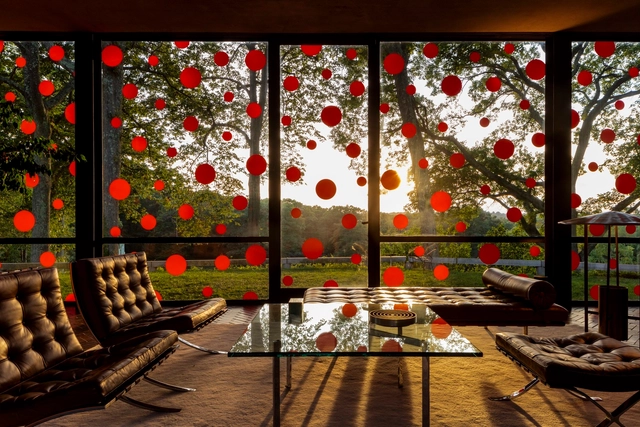
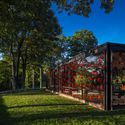
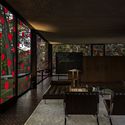
Artist and writer Yayoi Kusama has created an installation for the Glass House that will be on display in celebration of the 110th anniversary of Philip Johnson’s birth, as well as the 10th anniversary of the opening of the Glass House site to the public.
From September 1 through 26, Dots Obsession – Alive, Seeking for Eternal Hope will be on display, with the Glass House itself covered with polka dots. “Visitors who attend the exhibition during this time will be offered the unique experience to simultaneously see the world through the eyes of both Philip Johnson and Yayoi Kusama.”








.jpg?1474243524 "Globe in Waitangi Park, Wellington NZ. Image Courtesy of The Container Globe")




.jpg?1474339556 "Courtesy of Erik Giudice Architecture")