Videos
Courtesy of Delfino Sisto Legnani and Marco Cappelletti
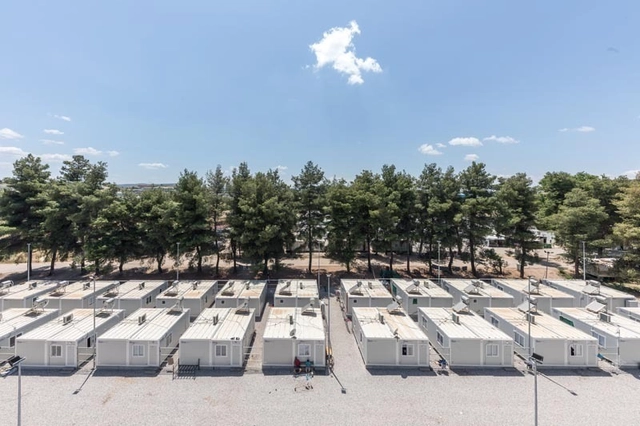
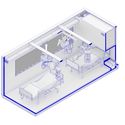
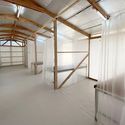
As the healthcare infrastructure is becoming overwhelmed and hospitals around the world are reaching their capacities, new alternative possibilities are emerging. In response to bed shortage and facility saturation, architects around the world are taking action, in the on-going fight against the coronavirus. Focusing their knowhow to find fast and efficient design solutions that can be implemented anywhere, they are proposing flexible, fast assembled, mobile, and simple structures. With a very tight timetable, some projects are already implemented and in service, while others remain on a conceptual level, waiting to be adopted.
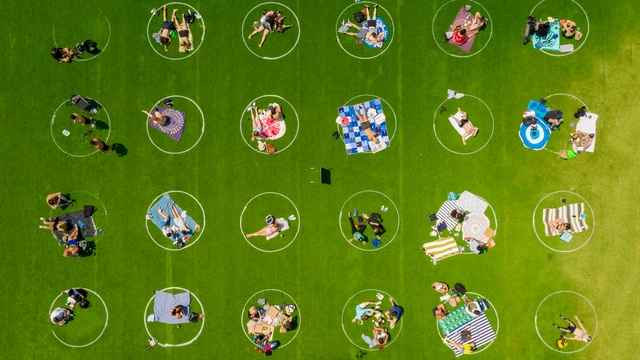
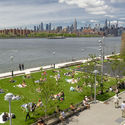
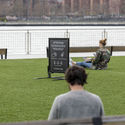
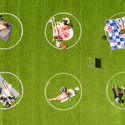
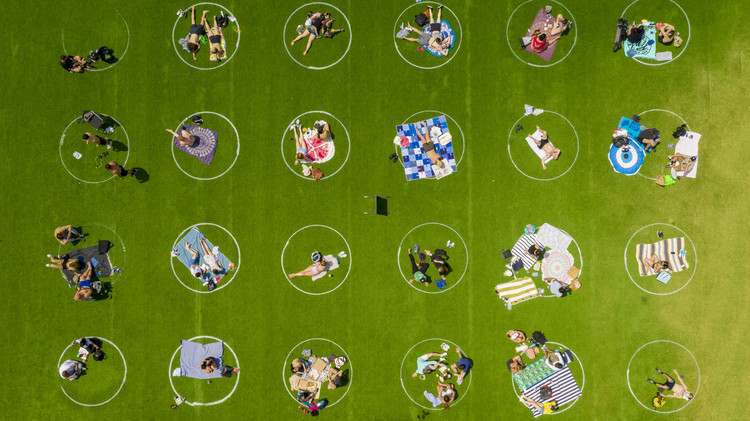
While all public spaces around the world are trying to innovate and implement safety measures to open during the coronavirus pandemic, Domino Park has introduced a series of painted social distancing circles. This strategical urban design intervention ensures that people are “following proper social distancing procedures recommended by the CDC and government”.
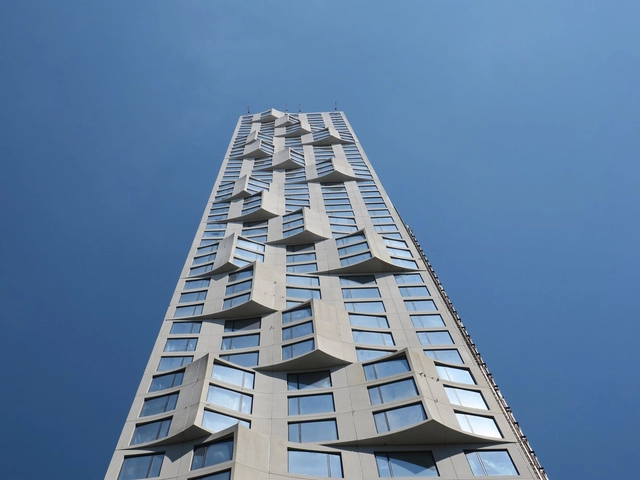
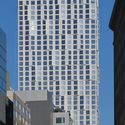
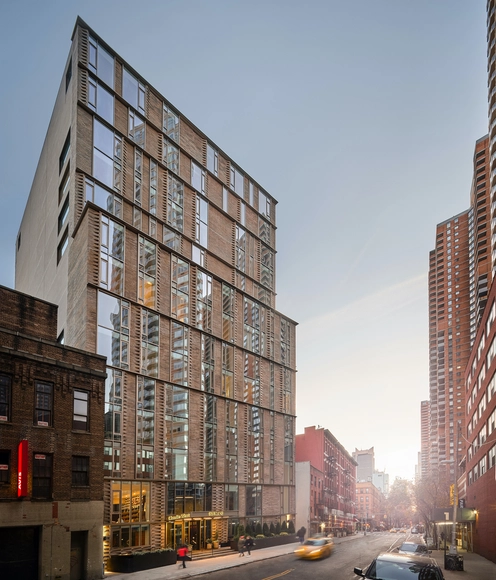
Paul Clemence has just released his latest photographs of the Studio Gang-designed 11 Hoyt tower in Downtown Brooklyn, New York. Almost completed, the residential development is characterized by an eye-catching crafted precast concrete and glass façade.
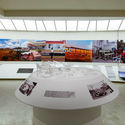
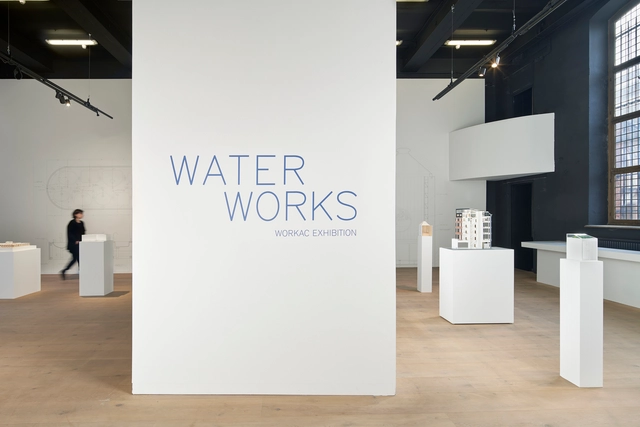
WORKac in collaboration with Musea Brugge and Cultuurcentrum Brugge has created an exhibition entitled Water Works. Set to run initially from March 7th to June 7th, 2020 at the historic Poortersloge in Bruges, Belgium, the exhibition has been temporarily closed to the public due to the ongoing COVID-19 epidemic. However, the New York-based architectural practice has produced a brief video highlighting its six themed rooms and the eighteen projects on display.
After surpassing many hurdles, the long-awaited public park and performance venue is on a set course to completion. The construction of the Little Island is underway, and new images by photographer Paul Clemence of Archi-Photo show the undulating artificial landscape coming together above the Hudson River.
As New York is facing unprecedented circumstances and as the numbers of infected people with the coronavirus are reaching new highs, officials are seeking fast and efficient solutions to generate useful spaces for patients. With a timeline of a few weeks, the city is looking into ways of altering the existing structures.
One of the most important cities in the world –and the most populated in the United States of America–, New York is home to a great mix of cultures and history that has been shaped over the years, while art and architecture play a fundamental role in this development.
KPF with NYCHA created a resiliency and renewal program for the Red Hook Houses in Brooklyn, severely damaged by Hurricane Sandy. The redevelopment plans aim to reduce the vulnerability of the area and its community.
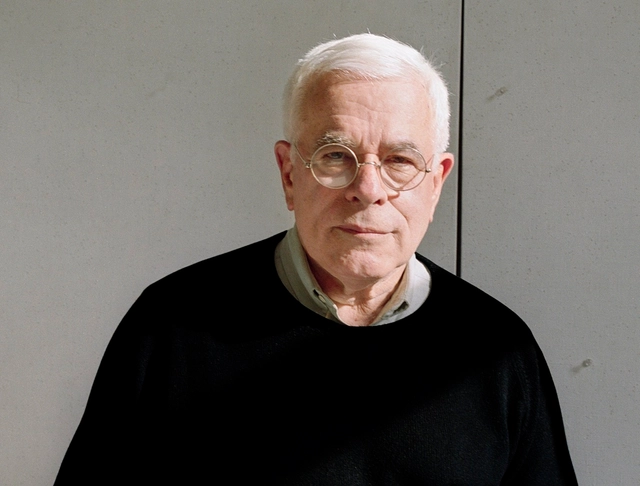
This January, Peter Eisenman was interviewed by Marc-Christoph Wagner at his studio in New York City. Featured by the Louisiana Museum of Modern Art, the video “Learn the language” explores how Eisenman stresses the importance of communication and of knowing the language of the field you’re interested in.
Human-centered design places people at the center of our cities. Using this philosophy to rethink traditional approaches to planning, the architectural and urban designer Zarith Pineda founded Territorial Empathy. Pineda's research lab specializes in mitigating urban conflict through architectural interventions. Over the last few years, her team has been working to create a deeper understanding of equity and empathy.
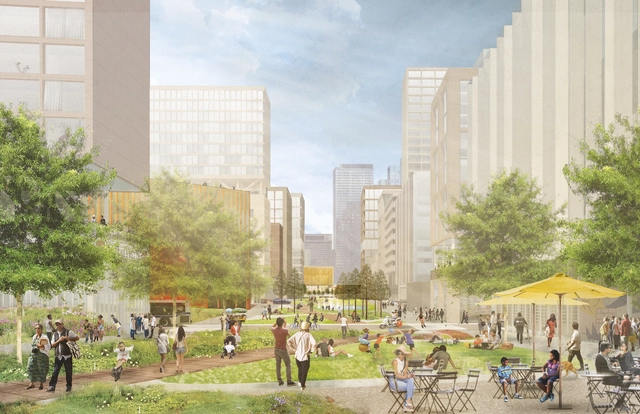
PAU or Practice for Architecture and Urbanism, a multi-disciplinary design and planning firm founded by Vishaan Chakrabarti, created a revitalization plan for Sunnyside Yard in western Queens, New York. Envisioning a more equitable and sustainable future, the 180-acre human-centered carbon-neutral master plan reflects the community’s needs.
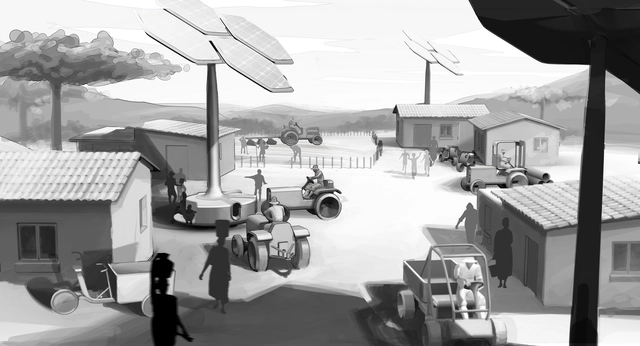
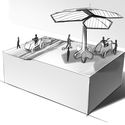
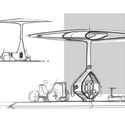
AMO, the think tank of the Office for Metropolitan Architecture (OMA), co-founded by Rem Koolhaas and led by Samir Bantal, has announced a recent research collaboration with Volkswagen. Focused on rural areas and the countryside, the partnership will look into the future of rural mobility, through a first conceptual study on electric tractors.
Ensuring a platform for everyone, ArchDaily is rounding up, every once in a while, a curated selection from our readers’ submissions. With proposals coming from all over the world, our aim is to feature the best Unbuilt Architecture out there.
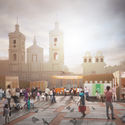
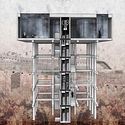
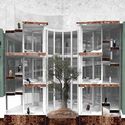
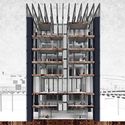
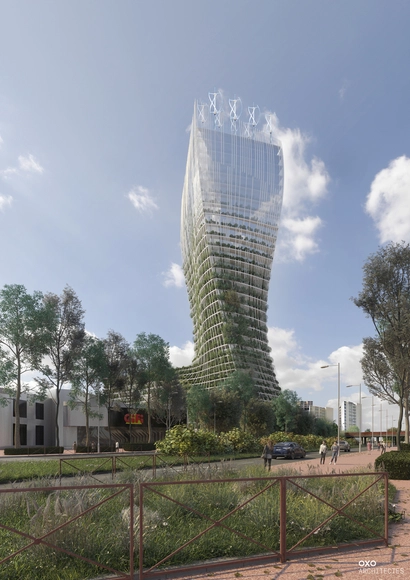
In this article, we are highlighting proposals that were awarded the first prize in international competitions. Each one of these projects showcases a unique conceptual approach and responds to a different program. With a mixed-use project in France, a market in Helsinki, an aquarium in New York and a civic building in Norway, to name a few, the variety of these unbuilt interventions underlines the vast scope of the architectural field.















.jpg?1585888341&format=webp&width=640&height=580)
.jpg?1585857060 "© Paul Clemence")
.jpg?1585857994 "© Paul Clemence")
.jpg?1585888713 "© Paul Clemence")
.jpg?1585888938 "© Paul Clemence")
.jpg?1585888341)
.jpg?1585197773 "15 Union Square West / ODA Architecture + Perkins Eastman Architects. Image © Robert Granoff")
_Frank_Oudeman_19.jpg?1585198175 "15 Renwick / ODA New York. Image © Frank Oudeman")