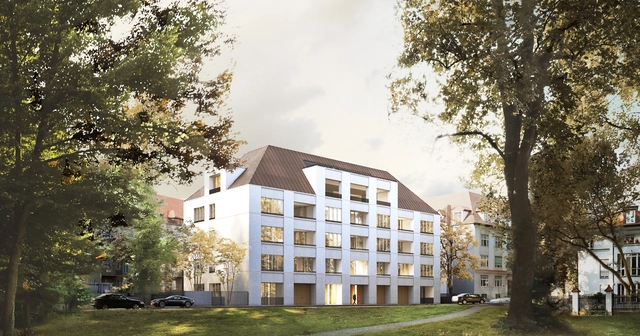
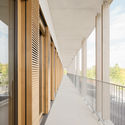
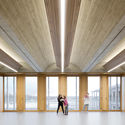
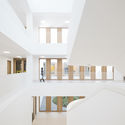
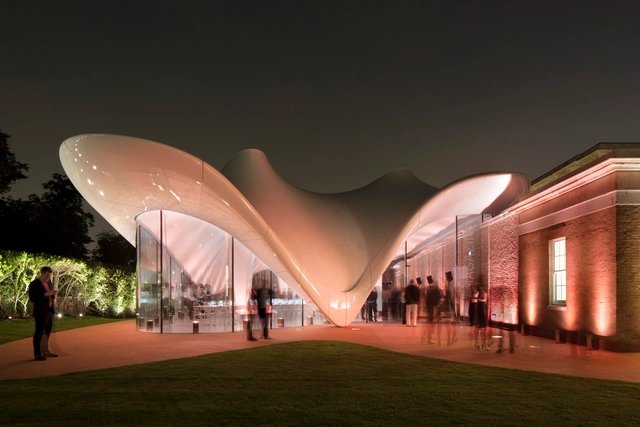
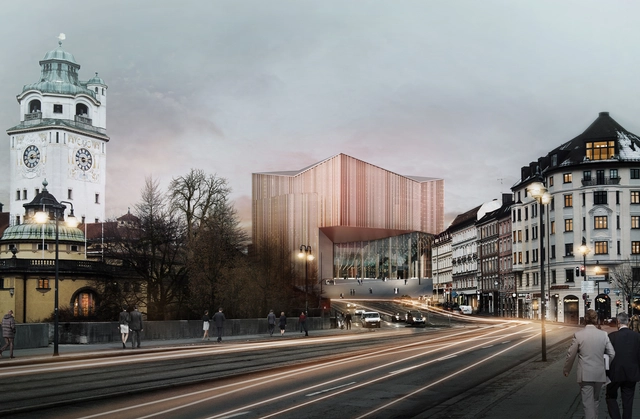
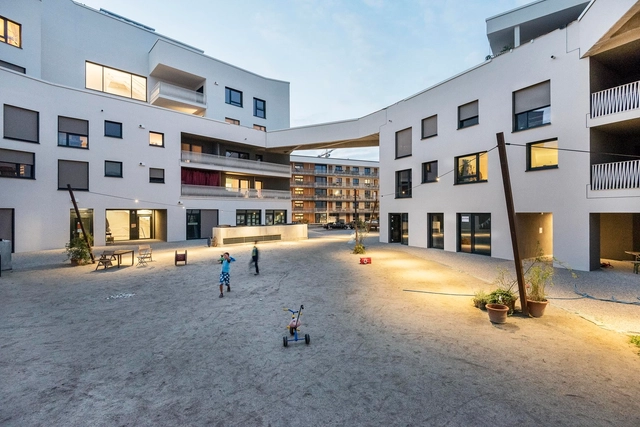
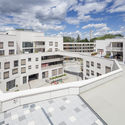
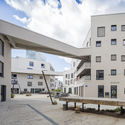
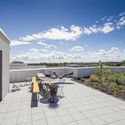
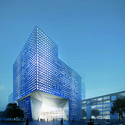
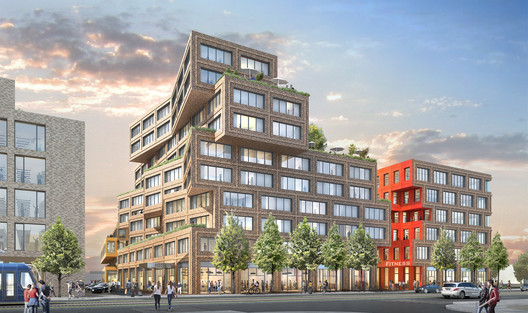
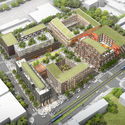
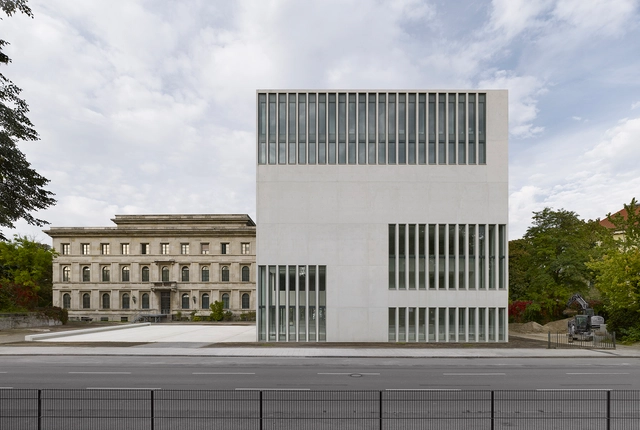
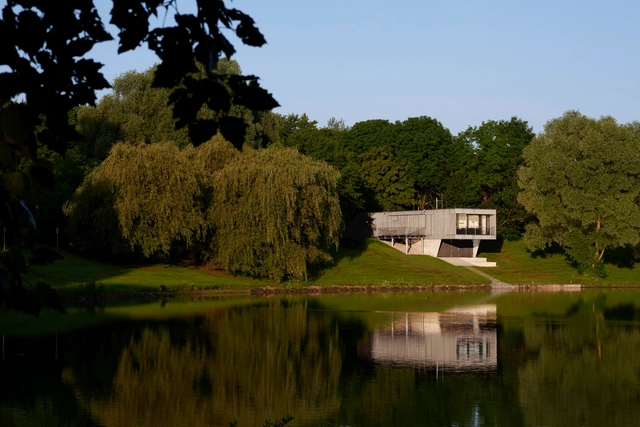
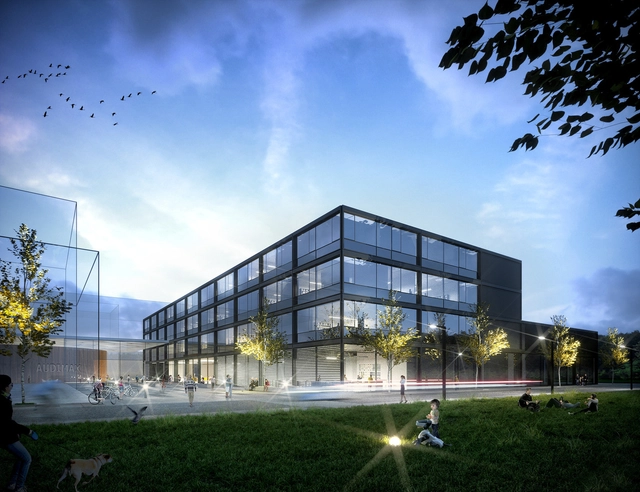
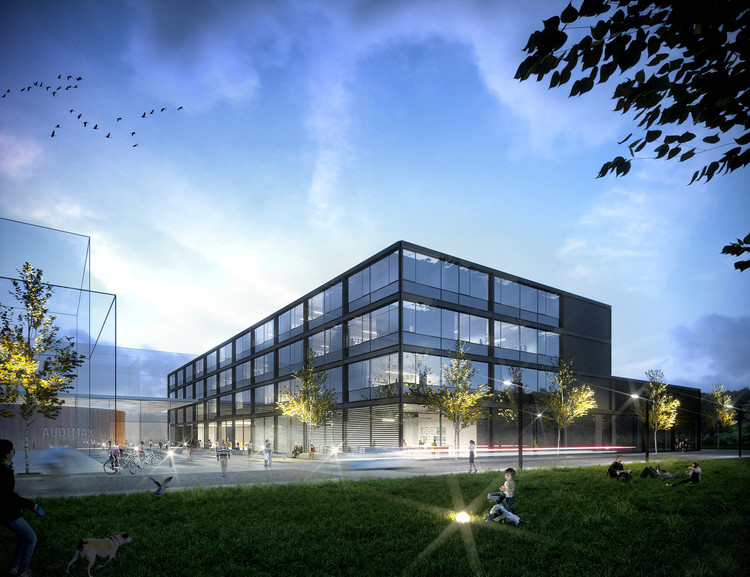
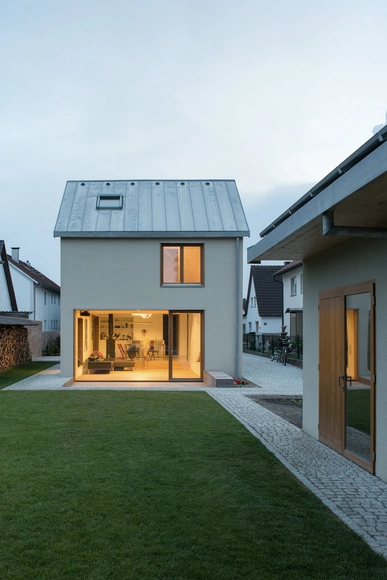
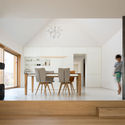
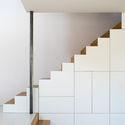
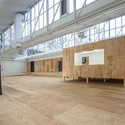
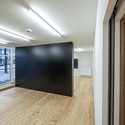
David Chipperfield and Euroboden have collaborated on the design of a five-story building in Munich, located near the city’s Herzog Park. The 2800-square-meter scheme seeks to “fit sensitively into the historic fabric of the neighborhood.”
The design process revolved around the incorporation of history and pattern from the surrounding environment, without copying or resorting to historicization. The result is a scheme which is “simultaneously self-confident yet restrained, a building that integrates itself into its context without subordinating itself.”
When you think of your favorite spot to grab a beer, what architectural features come to mind? Is it the swanky furniture, themed artwork, or the heavily designed cocktail menu? Today, the aesthetics of bars are now as much a draw as the drinks themselves. From movie set inspired spaces to rooftops that offer spectacular city views, we’ve compiled a list of nine bars and beer gardens that every architect needs to cross off their list.
After conducting a concert at Munich’s Gasteig concert hall, Leonard Bernstein offered a scathing edict for the building: “burn it down.”
The Gasteig’s behemoth structure of brick and mirrored glass never met Bernstein’s decree. Instead, it has stood for decades, garnering vitriol from those who resent its postmodern aesthetic. In a design competition hosted by the Gasteig, seventeen architecture firms have attempted to change the concert hall and cultural center’s public perception with varied renovation schemes.
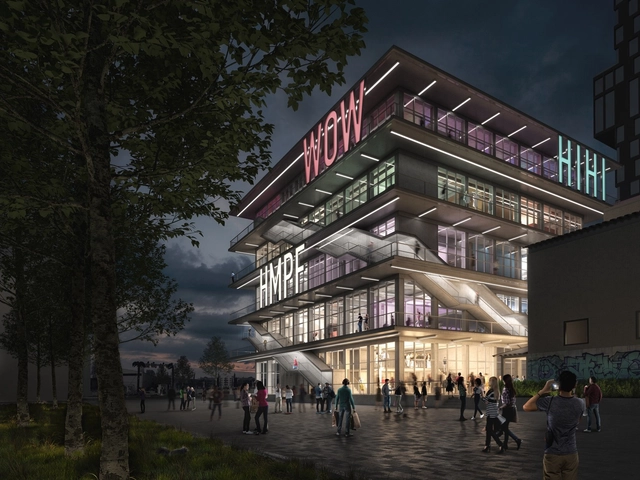
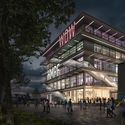
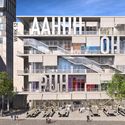
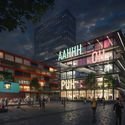
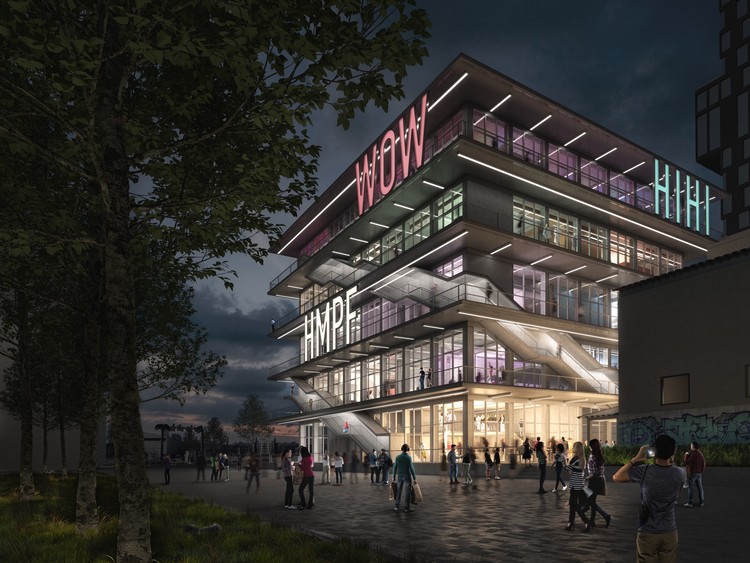
MVRDV has unveiled the design of an adaptable building to be located at the center of Munich’s Knödelplatz square adorned with 5-meter-tall (16-foot-tall) German internet slang words as a homage to the neighborhood’s graffiti culture. To be known as WERK12, the building will house flexible entertainment, restaurants, office space and a multi-story fitness center within a highly transparent envelope, allowing the building to become a vertical extension of the plaza.
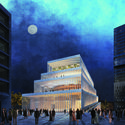
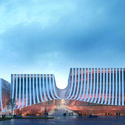
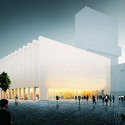
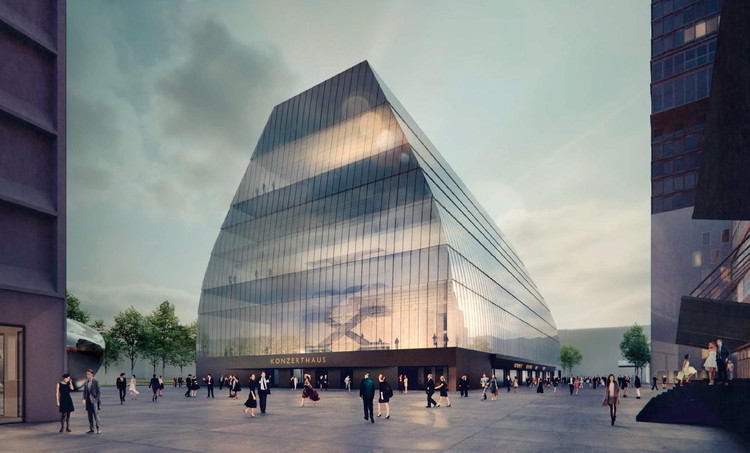
The Austrian firm Cukrowicz Nachbaur Architekte has been selected as the winner of an international competition for the design of a signature new concert hall in Munich, Germany, beating out proposals from 30 of the world’s most notable architecture practices.
The competition tasked architects with designing a stand-alone new structure on a 5,300-square-meter site near the Ostbahnhof train station in the neighborhood of Werksviertel. The building program included an overall floor area of approximately 9,500 square meters, including a larger 1800-seat concert hall and a more intimate 600-seat venue that satisfy “the most exacting acoustic requirements.”
“I could not be more excited to realize our first European project in my hometown. Designed not just as a series of buildings but as an exploration of the spaces between the buildings, Die Macherei is an innovative design for a new way of working and interacting, integrating social activity and behaviors to promote a sense of community,” expressed Matthias Holwich, principal at HWKN.
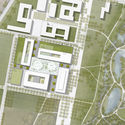
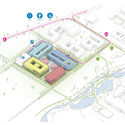
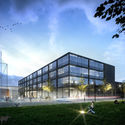
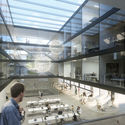
HENN has won a competition to design the new Department of Electrical and Computer Engineering Building for the Technical University of Munich at the Garching research campus, which is Europe’s largest research campus. The design features four rectangular buildings encircling a central glass hall envisioned as a beacon and hub to promote interaction among students and academics.
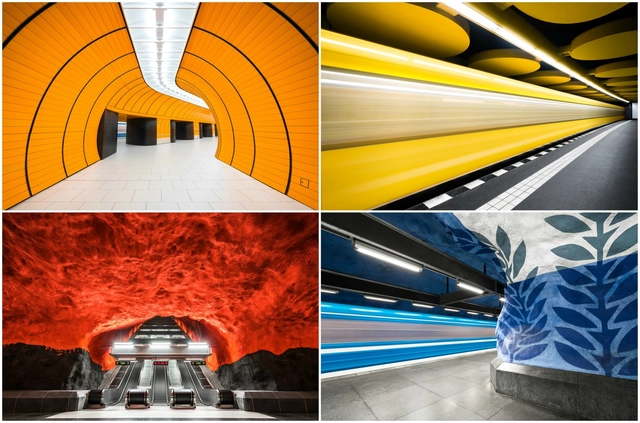
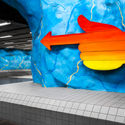
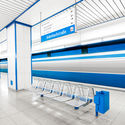
Photographer Chris Forsyth has released the latest images from his photo series Metro. Having previously gone underground to capture the surreal beauty of Montreal’s metro system, Forsyth traveled to Europe to shoot stations in Munich, Berlin and Stockholm. His photographic style portrays the stations in their best light – bright, clean, colorful and completely absent of people.
"Seeing the design strengths of various metro systems, from the hand painted cave-like stations in Stockholm, to the well-lit modern platforms of Munich’s U-Bahn, I really began to feel the how good design can change your day for the better,” says Forsyth. “Whether it be awe-inspiring or simply bright and colorful, I can only imagine how it feels to start your daily commute in one of these metro stations."
Continue after the break for a sampling of Forsyth’s favorite photos from the series.
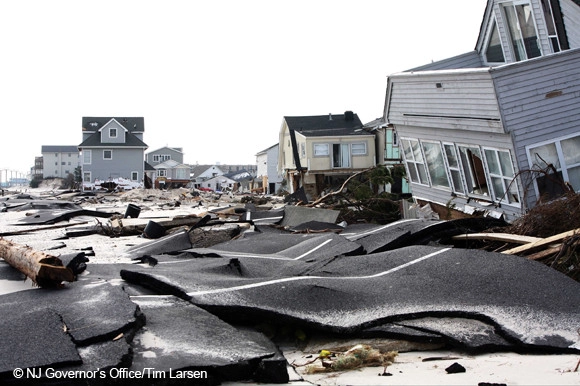
Rebuild By Design (NJ Governor's Office/Tim Larsen)
Spanning practice and theory in an innovative and integrative manner, “REBUILD BY DESIGN MUNICH” is oriented towards a broad audience including the interested public, practitioners, scholars and students alike from disciplines in planning and design for the built environment.
Disasters triggered by environmental hazards impact urbanized areas worldwide to increasing degrees. There is an urgent need to deal not only with disaster, but climate change as well. The challenge is to ensure the sustainability of the built environment and the communities that inhabit it. This comprises an emerging field of inquiry and research within the planning and design disciplines. A knowledge-based approach to planning and designing resilient cities and architecture is the key.
Pritzker laureateFrei Otto was best known for his tensile structures. A prime example Otto’s ingenuity, the 1972 Olympic Stadium in Munich was a collaborative work with Gunther Behnisch that connected the park’s main programs - the natatorium, gymnasium and main stadium - with a whimsical, lightweight canopy structure that mimicked the “rhythmic protrusions” of the Swiss Alps. Watch the Spirit of Space short film above to see the project in its current state and learn more about the pioneering structure, here.