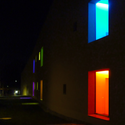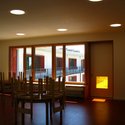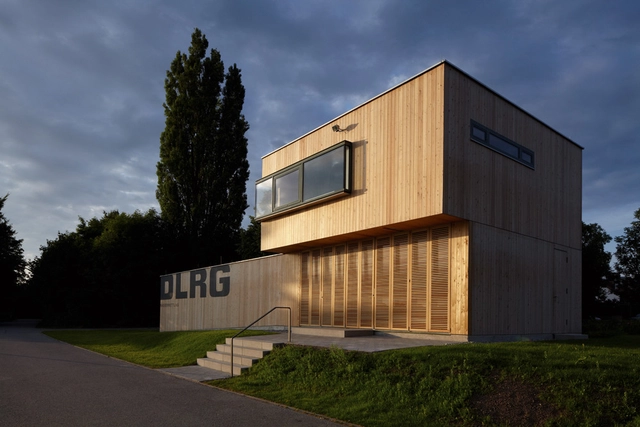

-
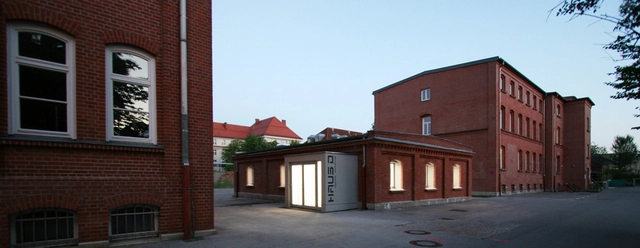
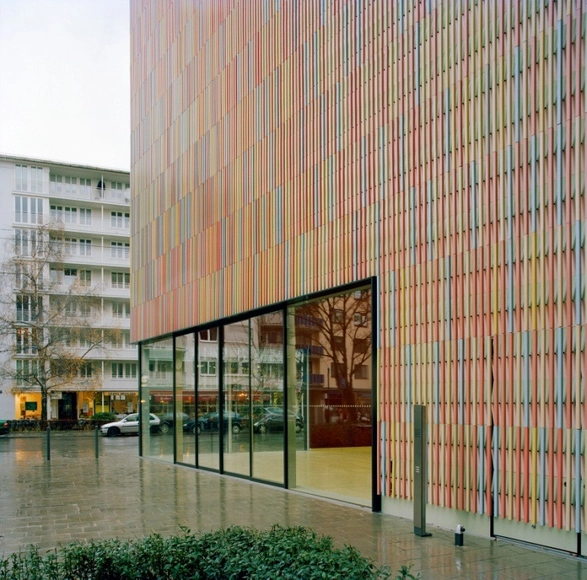
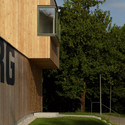
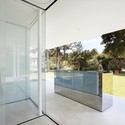
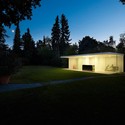
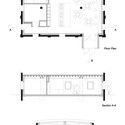
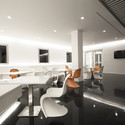
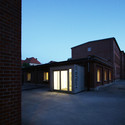
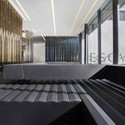
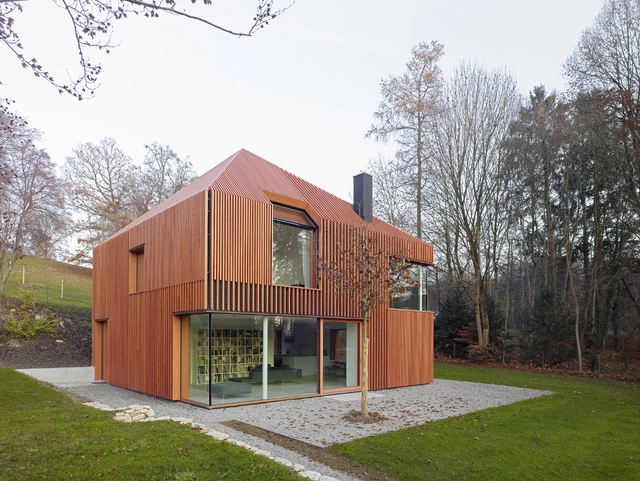
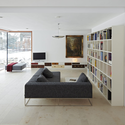
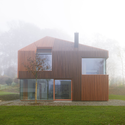
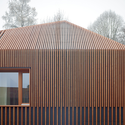
Architects: Titus Bernhard Architekten
- Area: 182 m²

Todd Saunders of Saunders Architecture will be giving a lecture at the Academy of Fine Arts in Munich on January 25th at 7:30pm. Led by a strong contemporary design sensibility, Saunders has worked on cultural and residential projects right across Norway, as well as England, Denmark, Italy, Sweden and Canada. The studio believes that architecture must play an important role in creating place, using form, materials and texture to help evoke and shape memory and human interaction.
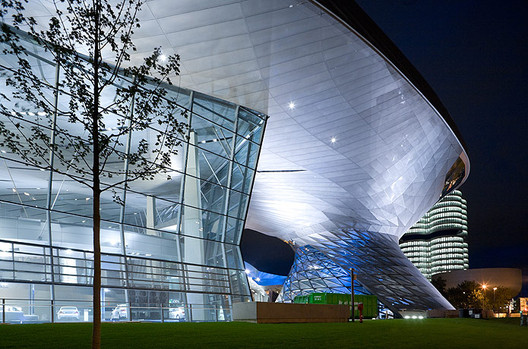
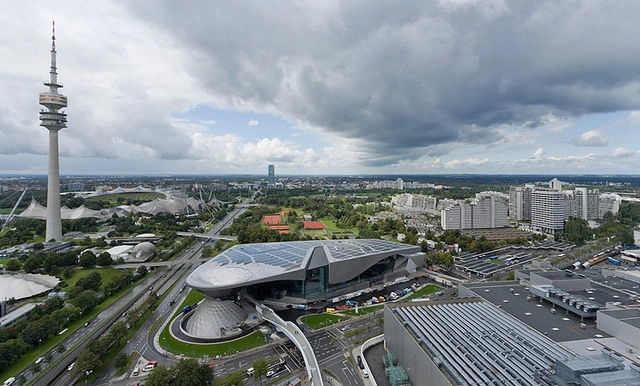
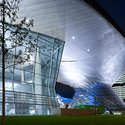
This summer Coop Himmelb(l)au recieved two awards for two different buildings in Europe. The Dedalo Minosse International Prize was awarded for the firm’s design of BMW Welt in Munich on June 24, 2011 in Vicenza, Italy. According to the president of the Italian Association ALA, Bruno Gabbiani, who presented the award, the prize boosts “the quality of architecture looking at final result, analysing and focusing on project and constructive plan process and giving special attention to people who determine the success of the work: the architect and the client”. The awarded works, with Coop Himmelb(l)au among them, will be presented at the CISA, Cento Studi di Architecttura Palladio in Vicenza until September 18, 2011. Read more on this project here: BMW Welt / Coop Himmelb(l)au

Henning Larsen Architects was recently awarded the international competition for Siemens’ new headquarters. The design by Henning Larsen Architects is an urban, recognizable composition of plazas, courtyards and alleys that will unfold a new, vibrant urban space in central Munich. Siemens and Munich are integrated into a harmonious whole by merging two archetypal entities – mass (Siemens) and void (Munich) – into a complementing formation. The city opens up the mass, which in response opens up to the city.
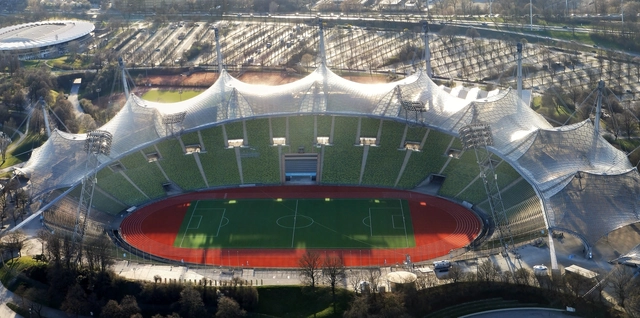
With peaks and valleys echoing the nearby Alps, the vast canopy of the Munich Olympic Stadium has been a local landmark since the opening of the 1972 Olympics for which it was designed. Intended to present a new face for post-war Germany, the stadium—strikingly Modernist in character—was meant to stand in harmony with its surroundings. Despite these modest intentions, however, controversy surrounded the project from its outset, which centered on skyrocketing costs, the erosion of local heritage, and the grim specter of the country’s own recent past.