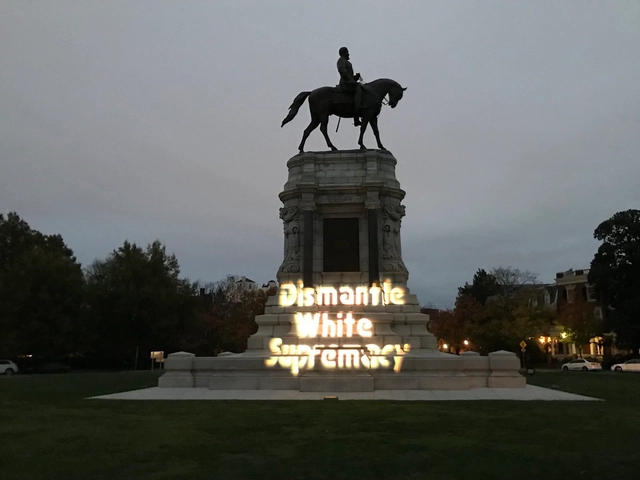
Monuments, as Alois Riegl pointed out a century ago, are aids to memory. “In memoriam,” the carvings cry out. Though they are almost always tainted with political ideologies and social values, they can stand on their own as works of art, absorbing meanings over millennia. Many that we continue to treasure were once associated with events and practices antithetical to modern mores and taboos: Greek temples were founded on the altars of animal—and, earlier, human—sacrifice; the pyramids were made by slaves; market crosses may have served as flogging posts. There really are no innocent human artifacts dedicated to remembering human acts, as fact or fiction.
https://www.archdaily.com/943834/status-statues-and-statutes-the-issue-with-monuments-to-flawed-menMark Alan Hewitt
Graveyards full of names that have long been forgotten, plaques etched with portraits that you ignore on your morning jog, monuments with friezes that depict the triumphs of war—all these are examples of memorial architecture, which once held intense emotional meaning for certain individuals or groups of people, but have now gradually become tourist attractions or anachronistic sites within a changed landscape.
Since the horrors of World War II memorial architecture has changed drastically, from monuments focusing on names, heroes, and patriotism to abstract symbols of mourning and loss. How will this shift in the design of memorials change the way we experience them in the present and, more importantly, in the future? When generations pass away and the memorialized event becomes almost forgotten, how will we experience and remember?
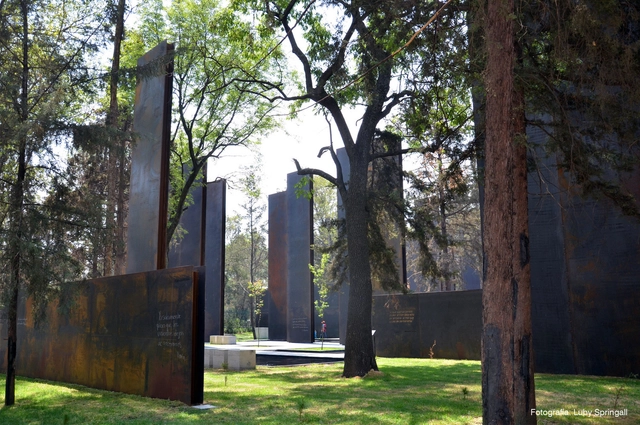
You wouldn’t think it looking at Mexico City today—a densely populated metropolis, where empty space is hard to come by—but decades earlier, following a devastating earthquake on September 19, 1985, more than 400 buildings collapsed, leaving a collection of open wounds spread over the cityscape.
Exactly thirty-two years later, the anniversary of that disaster was ominously commemorated with an emergency evacuation drill. Then, in one of those odd occurrences in which reality proves to be stranger than fiction, a sudden jolt scarcely two hours after the drill led to what would be yet another of the deadliest earthquakes in the city’s history. Buildings once again collapsed, leaving a rising-by-the-hour death toll that eventually reached 361, as well as swarms of bewildered citizens wandering the streets, frantically attempting to reach their loved ones through the weakened cell phone reception. “We’d just evacuated for the drill,” people said, like a collective mantra. “How could this happen again?”
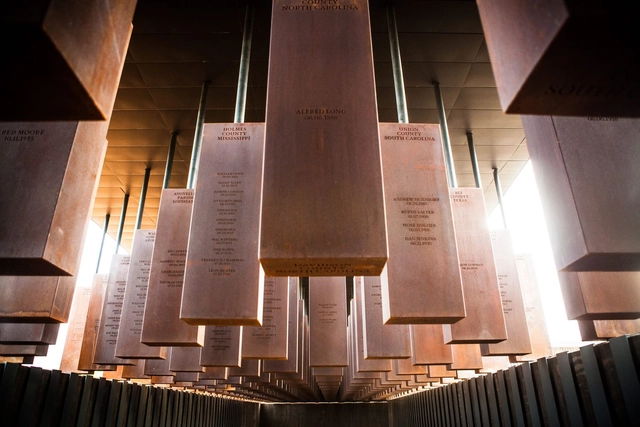
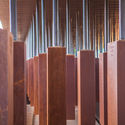
The "National Memorial for Peace and Justice," designed in collaboration with MASS Design Group, has opened in Montogomery Alabama. Commissioned by the Equal Justice Initiative, the scheme is America’s first memorial dedicated to “the legacy of enslaved black people, people terrorized by lynching, African Americans humiliated by racial segregation and Jim Crow, and people of color burdened with contemporary presumptions of guilt and police violence.”
The memorial's April 23rd opening coincided with the opening of the Equal Justice Initiative's Legacy Museum, addressing similar injustices.
Memorials play an integral role in marking significant people, moments, or events. In recent years, they have become glorifications of tragedy by attempting to express unimaginable horrors in poetic and beautiful ways. The issue with the many forms that memorials take is that they seek to placate the immediate reaction and hurt of an event, an understandable societal reaction, but one that often feels rote and hallow.
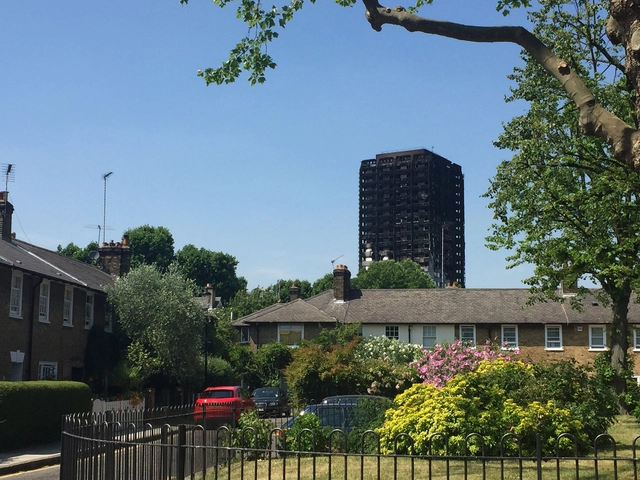
But what if memorials sought to preserve the memory of those affected by offering a solution that addressed how the tragedy occurred? The international response to tragedy has, by default, become to install a statue, build a wall, create a healing water feature, erect an aspirational sculptural object, or simply rename a park. None of these responses are inherently bad—they’re usually well-meaning and on occasion quite moving—but there is another approach available to us: changing the public perception of memorials by looking at them through the lens of solutions, encouraging people to think of them as a testament or proper response to tragedy, not just a plaque that over time goes unnoticed. While this approach might be difficult in some instances, the case of Grenfell Tower fire in London presents a rather obvious solution.
The Arch for Arch, an intertwined wooden archway honoring Nobel Peace Prize Laureate Archbishop Desmond Tutu, has debuted in downtown Cape Town, South Africa on a site near Parliament where Tutu held many of his anti-Apartheid protests.
Designed by Snøhetta and Johannesburg-based Local Studio, in collaboration with Design Indaba and Hatch engineers, the Arch for Arch consists of 14 woven strands of Larch wood, representing the 14 chapters of South Africa’s constitution. Reaching nearly 30 feet tall (9 meters), the structure invite visitors to pass through and be reminded of the location’s prominent role in their country’s history on their way to the Company’s Garden, one of the most popular public spaces in the city since its establishment in 1652.
A groundbreaking ceremony was held yesterday at the National Mall site, located at the intersection of Maryland and Independence Avenues and across from the National Air and Space Museum.
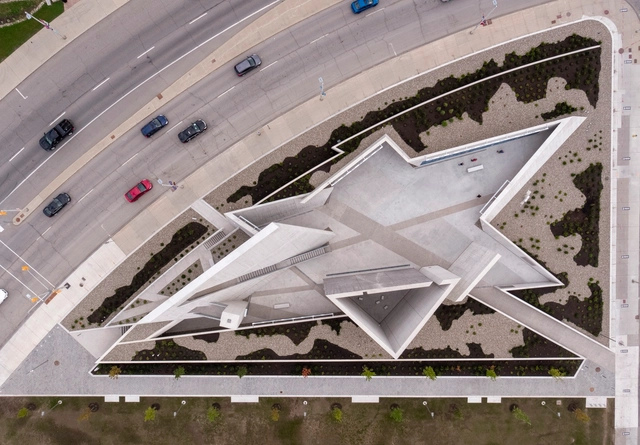
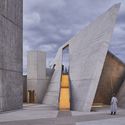
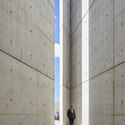
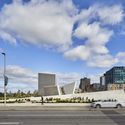
The Studio Libeskind-designed Canadian National Holocaust Monument has opened to the public in Ottawa, honoring “the millions of innocent men, women and children who were murdered under the Nazi regime and recognize those survivors who were able to eventually make Canada their home.”
Located on a .79 acre site across from the Canadian War museum, the cast-in-place concrete monument evokes the form of the 6-pointed star of David, deconstructed to create an “experiential environment” laced with symbolism throughout.
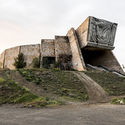
The Republic of Georgia’s past is defined by turbulence and a struggle for identity. A former republic of the USSR, Georgia is perhaps best known as the birthplace of Joseph Stalin. The nation's history has been anything but calm, and remnants of the architectural past provide a glimpse into the nation that was.
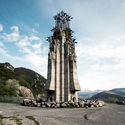
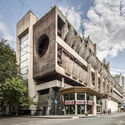
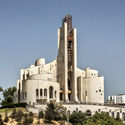
The country's remaining Soviet landmarks give Georgia an air of being caught between the past and the present. Italian photographers Roberto Conte and Stefano Perego capture this in their photo series, Soviet Architecture Heritage in Georgia, with a compilation of photos that highlights the existing Soviet heritage in Georgian architecture today.
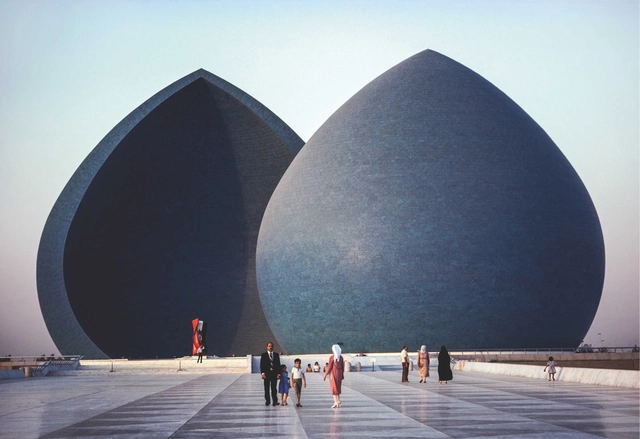
It is difficult to imagine how the serene curves of the Al Shaheed Monument, reflected in a glimmering lake in the ancient city of Baghdad, could have been built in a time of conflict and genocide. Commissioned by Saddam Hussein’s regime as a memorial for the fallen soldiers in the Iraq-Iran War of the 1980s, this graceful structure exudes a quiet beauty that belies the turmoil of its birth.
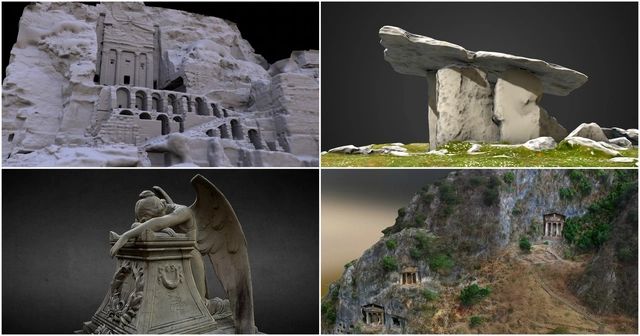
In most architecture projects, the input of the end user of the space is an important consideration; but what if those users are no longer living? Memorial architecture for the dead is a uniquely emotional type of design and often reveals much about a certain culture or group of people. Especially in the case of ancient tombs, archaeologists can learn about past societies’ customs and beliefs by examining their burial spaces. The personal nature of funerary spaces and monuments conveys a sense of importance and gravity to viewers and visitors, even centuries after the memorials were created.
The list of 3D models that follow, supplied by our friends at Sketchfab, explores memorial spaces and artifacts that span both space and time, representing a variety of cultures and civilizations.
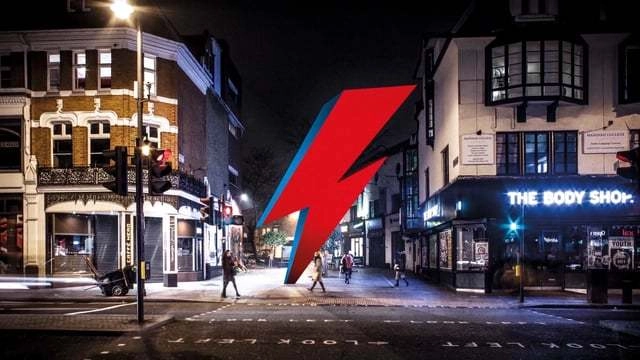
A year since the passing of David Bowie, one of music and pop culture’s greatest icons, fans have launched a fundraising campaign to support the erection of a permanent memorial statue in London, in honor of the late musician.
“We’re taking the lightning flash from the cover of Aladdin Sane, and turning it into a three-storey tall sculpture,” explains Charlie Waterhouse of This Ain’t Rock ‘n’ Roll, one of the organizations behind the campaign, working in conjunction with David Bowie’s team.
https://www.archdaily.com/805983/this-campaign-envisions-a-three-storey-lightning-bolt-in-honour-of-david-bowieOsman Bari
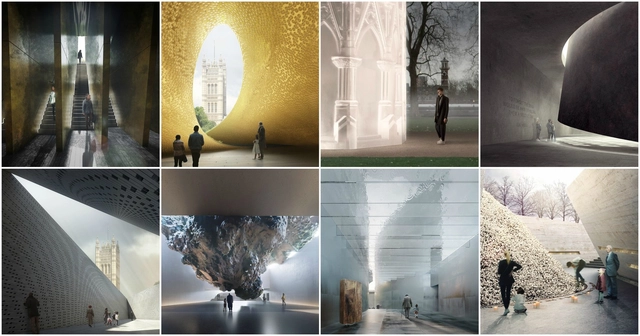
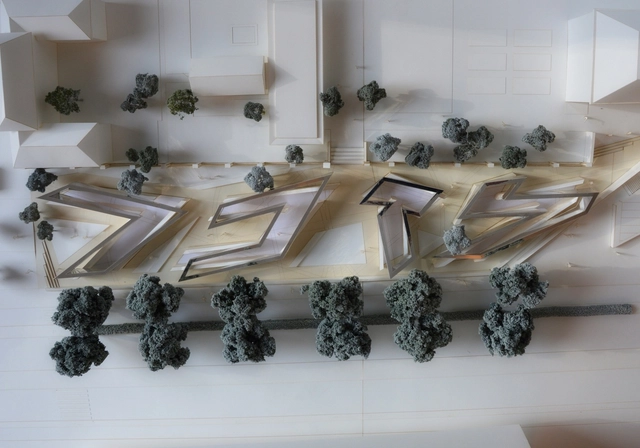
The UK Holocaust Memorial Foundation and Malcolm Reading Consultants have revealed the designs of 10 teams shortlisted to design a new Holocaust Memorial, to be located in London's Victoria Tower Gardens next to the Houses of Parliament. After a call for expressions of interest was launched in September, 10 star-studded teams were selected in November and invited to submit their designs for an "emotionally powerful and sensitively designed memorial."
With the designs now revealed to the public, competition organizer Malcolm Reading Consultants and the government-led Memorial Foundation are now consulting with the public and are inviting people to submit feedback about the designs here. The feedback received in this consultation period "will play a crucial role in informing the jury’s final decision on the memorial," they explained in a press release. Read on to see all 10 shortlisted designs.
Courtesy of Flickr user Phil Whitehouse (licensed under CC BY 2.0)
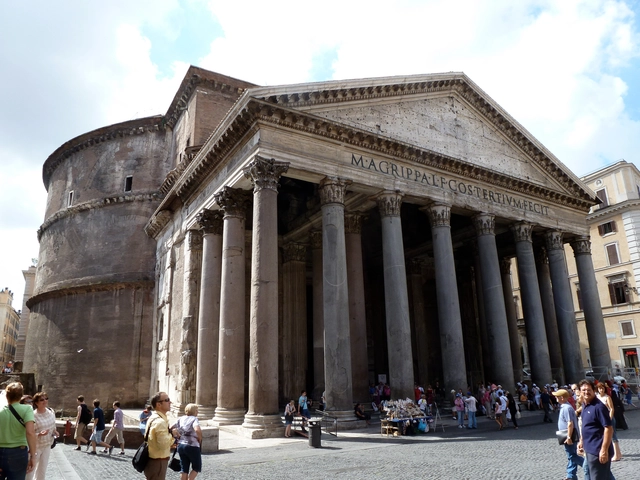
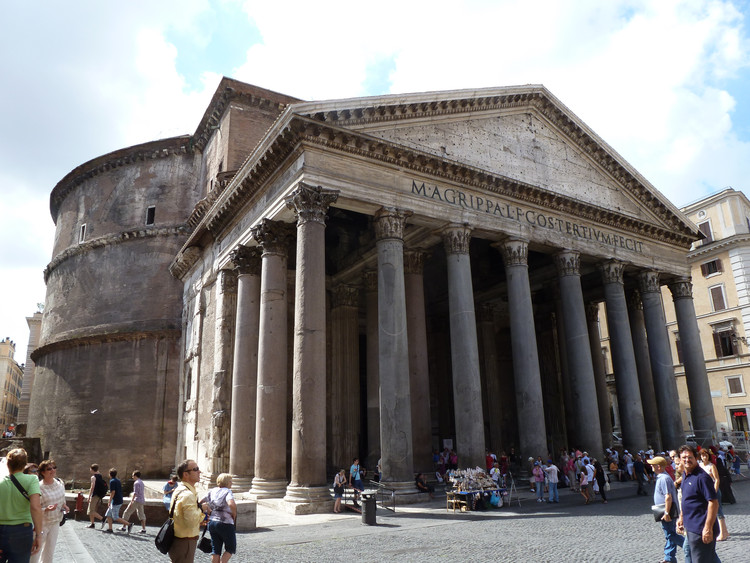
Locked within Rome’s labyrinthine maze of narrow streets stands one of the most renowned buildings in the history of architecture. Built at the height of the Roman Empire’s power and wealth, the Roman Pantheon has been both lauded and studied for both the immensity of its dome and its celestial geometry for over two millennia. During this time it has been the subject of countless imitations and references as the enduring architectural legacy of one of the world’s most influential epochs.
Studio Libeskind and the Dutch Auschwitz Committee have revealed plans for the Holocaust Monument of Names, to be located in the heart of Amsterdam’s Jewish Cultural District. Incorporating the letters of the Hebrew word לזכר (meaning “In Memory of”), the memorial will be the first to memorialize the names of all 102,000 Dutch victims of the Holocaust.
Description via Amazon. More than a billion people watched the 9/11 World Trade Center destruction unfold on television, making it the greatest shared event in world history. Reflecting this fact, the 2003 World Trade Center Memorial Design Competition was open to anyone, drawing 5,201 entries from 60 countries, all of which were posted online.
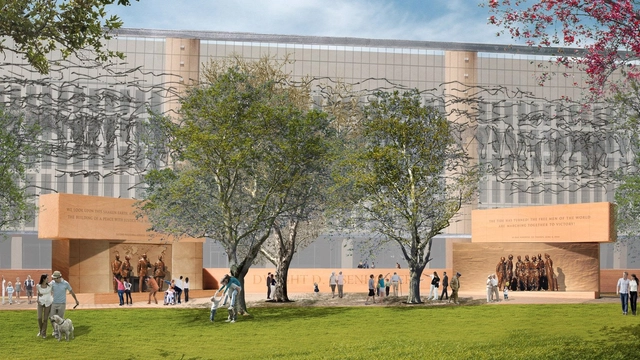
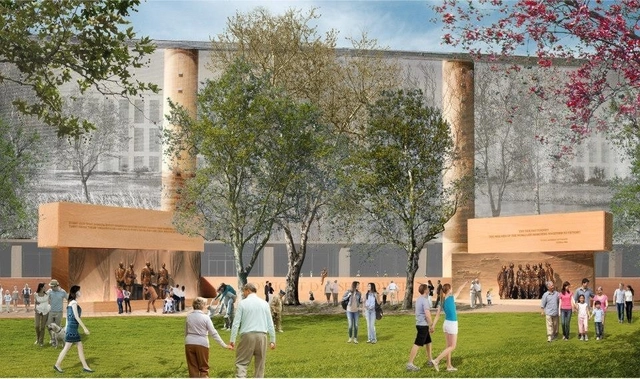
After years of steadfast disapproval of the proposed design for the Dwight D. Eisenhower Memorial in Washington, D.C., the Eisenhower family has finally voiced their support for the Frank Gehry designed park and monument – once a few more minor changes are made.
The 15-year-long process has already seen a multitude of design tweaks and revisions, but it appeared to have been decisively green-lit last summer following final approval by the National Capital Planning Commission (NCPC). In the past year, however, the project has once again stalled, as the Eisenhower Memorial Commission has struggled to find private donors following the withdrawal of congressional funding for the project in 2013.