As a platform for the Louisiana Museum of Modern Art, Louisiana Channel has been stimulating conversations around architecture, art, and the creative world at large. The architecture series provides fascinating insights into the thought process of distinguished architects and their work. Discover seven of the most inspiring interviews created over the past year, discussing a wide array of subjects from exemplary projects, to cities, to architects' design philosophy.
In this short video by Louisiana Channel, Junya Ishigami talks about Tokyo and what he sees as the defining traits of the vibrant and diverse metropole. Discussing what he likes about the city, the renowned Japanese architect underlines Tokyo’s polycentrism and explains how being made up of different small town allows the city to preserve its very local characteristics.
For those around the world unable to attend the opening of Junya Ishigami’s Serpentine Pavilion in London, photographer Nikhilesh Haval of nikreations has published a virtual tour of the structure. Similar to previous productions of Frida Escobedo’s 2018 Pavilion, BIG’s 2016 Pavilion, and SelgasCano’s 2015 Pavilion, the virtual tour allows viewers to experience the “free space” philosophy that defines the pavilion, playing with our perspectives of the built environment against the backdrop of a natural landscape.
https://www.archdaily.com/919646/step-inside-a-360-degrees-virtual-tour-of-the-serpentine-pavilionNiall Patrick Walsh
Japanese architect Junya Ishigami's 2019 Serpentine Pavilion is taking shape in London. A series of photographs by Laurian Ghinitoiu showcase the project and its flowing, free-form roof. Ishigami is the second-youngest designer of the pavilion, and his work is known for a light and ephemeral approach. The design for the 2019 pavilion takes the form of a slate sheet rising from the landscape of the park, held up by pilotis that form an interior field.
London's Serpentine Gallery has announced Japanese architect Junya Ishigami as the designer of the 2019 Serpentine Pavilion. Ishigami, who at 44 is the second-youngest designer of the pavilion (after 2018 designer Frida Escobedo), is known for his light and ephemeral approach to design.
Ishigami's design for the pavilion takes the form of a slate sheet rising from the landscape of the park, held up by light pilotis that form an interior field reminiscent of a forest. The single-canopy space takes inspiration not just from natural canopies but from roofs - the essential structural element that defines and unites architecture. Within, the darkness of the slate roof will create a serene space for contemplation and relaxation. Ishigami explains that his design for the pavilion exemplifies his 'free space' philosophy in which he "seeks harmony between man-made structures and those that already exist."
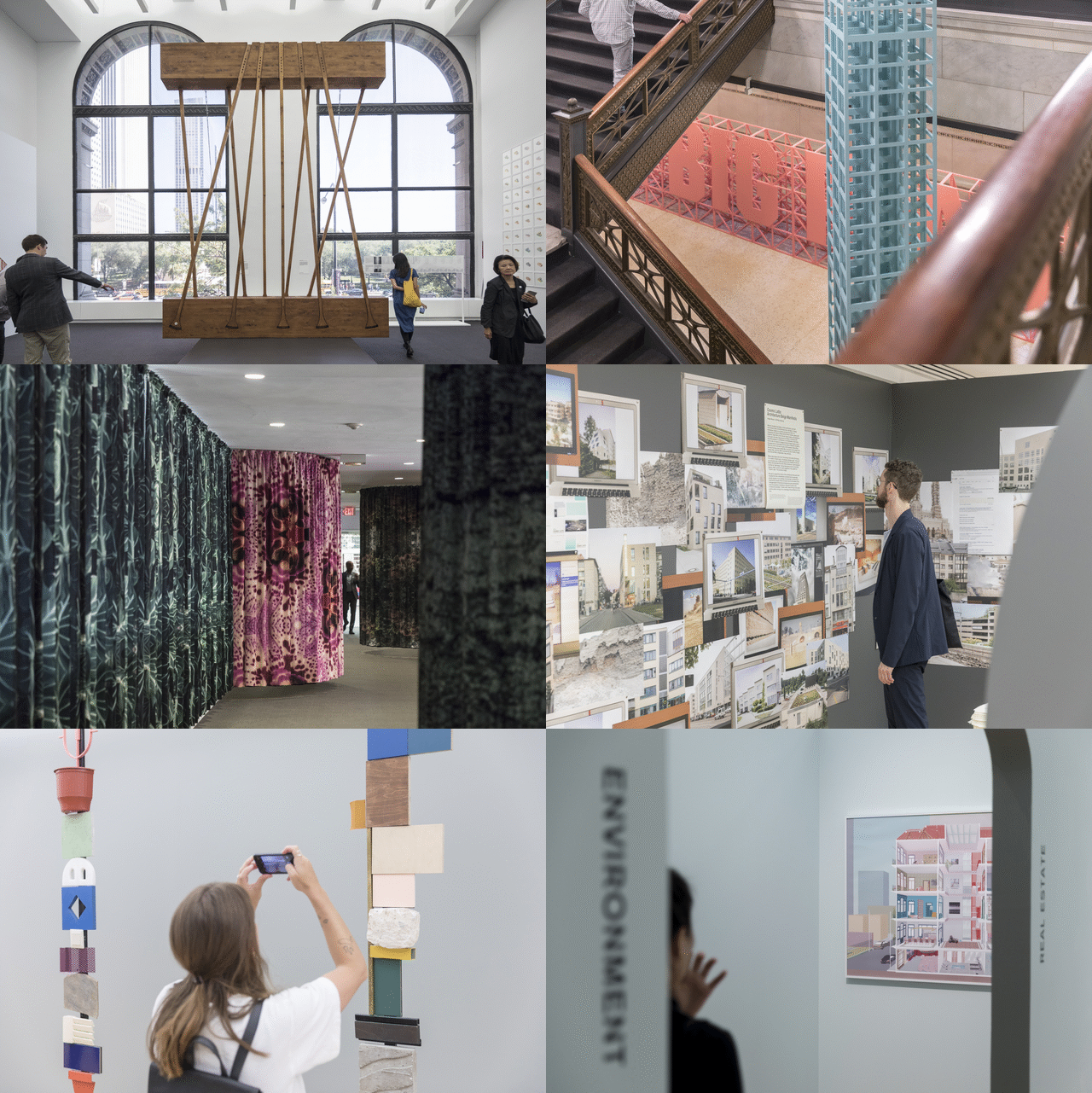
With the 2017 Chicago Architecture Biennial in full swing and open to the public until January 7, 2017, we've scoured the galleries, halls and corridors of the Chicago Cultural Center to bring you our favorite fifteen installations. Documented through the lens of Laurian Ghinitoiu and assembled by our Editorial Team on location, this selection intends to shed light on the breadth, scope and preoccupations of Make New History– the largest architecture event in North America.
Columbia University Graduate School of Architecture, Planning and Preservation (GSAPP) hosts a conversation among five of the most influential contemporary Japanese architects: Toyo Ito, Kazuyo Sejima, Sou Fujimoto, Akihisa Hirata and Junya Ishigami. Moderated by Columbia GSAPP professors Jeffrey Inaba and Kenneth Frampton, the conversation aims to explore the relationships and creative exchanges among this prominent group of architects and designers.
MDC 2015 is headlined by an impressive panel of internationally acclaimed architects whose insights will spark your creative energy and rekindle your passion for design. Frank Barkow and Regine Leibinger of Barkow Leibinger, Junya Ishigami of Junya Ishigami + Associates, Carme Pinós of Estudio Carme Pinós and Bernard Tschumi of Bernard Tschumi Architects are set to join you in Monterey alongside renown U.S. architects such as Clive Wilkinson, FAIA of Clive Wilkinson architects and Rand Elliott of Elliott + Associates Architects. Sprinkled among the headliners are imaginative presentations from some of California’s finest emerging talent and an array of continuing education options which will round out the weekend. This conference will inspire participants and remind you of why you got into architecture in the first place.
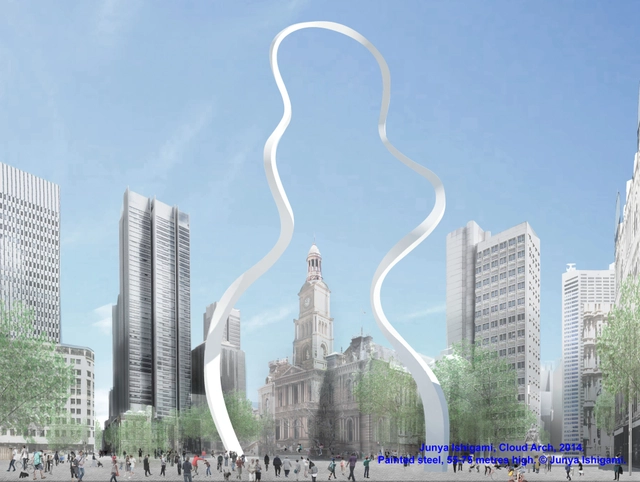
Set to be installed over a set of light rail tracks, Junya Ishigami’s Cloud Arch will soon be one of the biggest landmarks in downtown Sydney. Commissioned by Sydney’s public art program, City Art, the arch will symbolize Sydney’s qualities of being “Green, Global, and Connected.” Over 50 meters high, it will change shape as viewer’s walk past it. Cloud Arch will act as both a gateway for the pedestrian George Street, and a defining feature of the city.
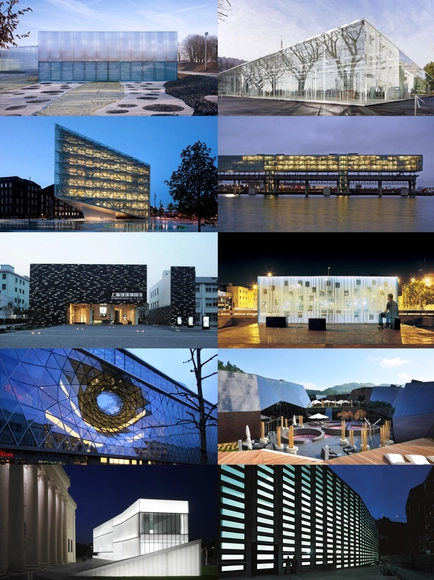
To celebrate the launch of ArchDaily Materials, our new product catalog, we've rounded up 10 awesome projects from around the world that were inspired by one material: glass. Check out the projects after the break...
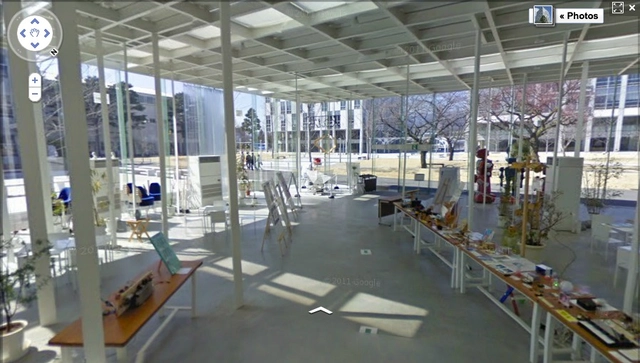
Kanagawa Institute of Technology Workshop on Google Streetview
The Kanagawa Institute of Technology Workshop by Junya Ishigami is an elegant rectangular box with with floor-to-ceiling glass, enclosing an interesting interior space with 305 columns of various sizes supporting the stripped roof of skylights. The columns, although seemingly random, are specifically placed to create the sensation of zoned spaces, but their nonrestrictive quality provides a flexible layout to suit the changing needs of students.

_2605.jpg?1587110718&format=webp&width=640&height=580)
_2655.jpg?1561371788)
_2655.jpg?1560892327&format=webp&width=640&height=580)
_2741.jpg?1560892362 "2019 Serpentine Pavilion. Image © Laurian Ghinitoiu")
_2541.jpg?1560892289 "2019 Serpentine Pavilion. Image © Laurian Ghinitoiu")
_2605.jpg?1560892300 "2019 Serpentine Pavilion. Image © Laurian Ghinitoiu")
_2763.jpg?1560892398 "2019 Serpentine Pavilion. Image © Laurian Ghinitoiu")
_2655.jpg?1560892327)
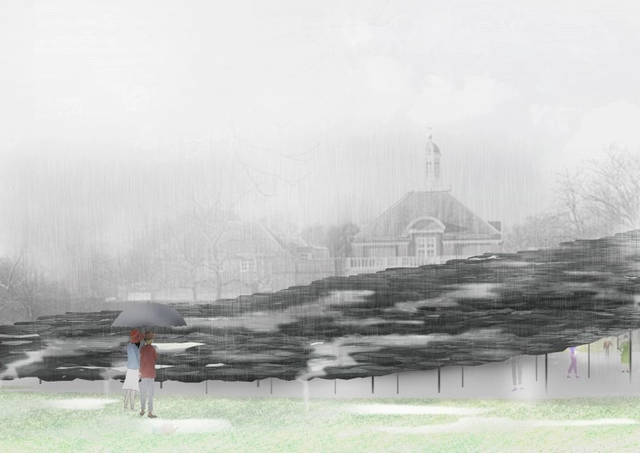
.jpg?1550150890 "Serpentine Pavilion 2019, Design Render, Interior View, © Junya Ishigami + Associates")




.jpg?1505616851 "© Laurian Ghinitoiu")
.jpg?1505616994 "© Laurian Ghinitoiu")
.jpg?1505616940 "© Laurian Ghinitoiu")
.jpg?1505616970 "© Laurian Ghinitoiu")