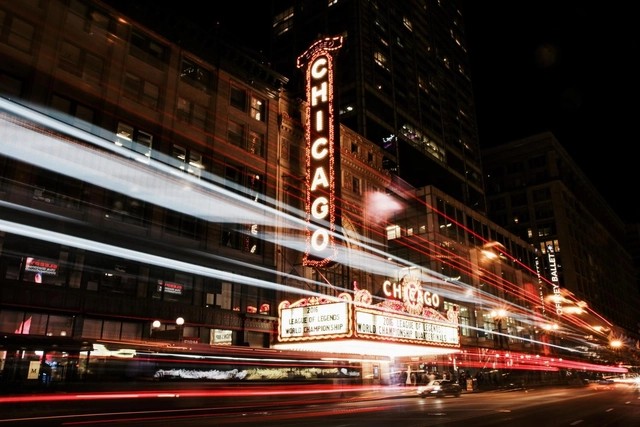
On August 12, 1833, the Town of Chicago had roughly 200 inhabitants. Four years later, in 1837, it was upgraded to The City of Chicago – an interesting fact given that there are still 19 incorporated towns in Illinois. The Great Chicago Fire of 1871 killed 300 people, destroyed about 3.3 square miles (9 km2), and left more than 100,000 residents homeless. However, by that time Chicago had become the world’s fastest-growing city and its population had risen over 300,000 inhabitants. The fire meant these ambitious citizens had to start again.
With admirable strength, the city was reborn from the ashes and some of Chicago’s best architecture was constructed immediately after. Structures like the Rookery Building (1888, Frank Lloyd Wright), the Auditorium Building (1889, Louis Sullivan) and the Monadnock Building (1893, Burnham & Root, Holabird & Roche) are a few examples of the high standards the city was aiming for.
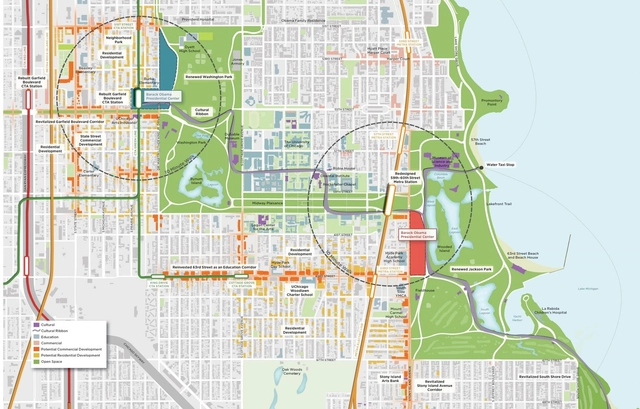
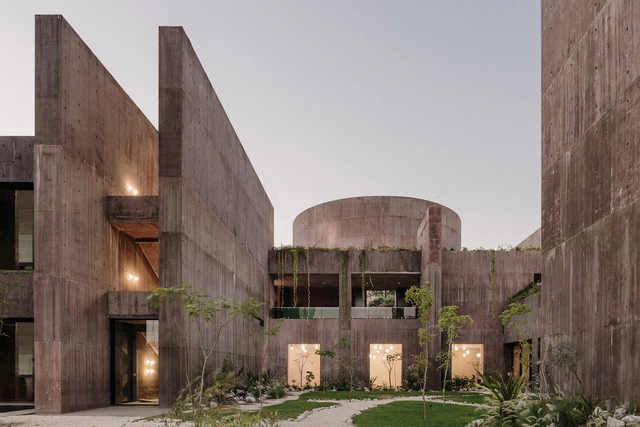
John Ronan (b. 1963, Grand Rapids, Michigan) is known for his sensual atmospheric buildings that tend to unfold layer by layer their spatial complexity, as one moves through them. His focus is on the use of materiality in ways that reinvent architecture. Ronan holds a Master of Architecture degree with distinction from the Harvard University Graduate School of Design (1991) and a Bachelor of Science from the University of Michigan (1985). He has been teaching architecture at the Illinois Institute of Technology since 1992. John Ronan Architects was established in Chicago in 1999, the year Ronan won the Townhouse Revisited Competition sponsored by the Graham Foundation. In 2006, the firm was featured in the Architectural League of New York’s Emerging Voices and the Young Chicago exhibition at the Art Institute of Chicago. In 2007, the architect was selected to build the prestigious Poetry Foundation in Chicago, out of a pool of 50 international contenders. His monograph Explorations: The Architecture of John Ronan was published by Princeton Architectural Press in 2010. In 2016, the firm was named one of seven international finalists for the Obama Presidential Library. The following interview is a condensed version of our conversation at the architect’s studio in Chicago.
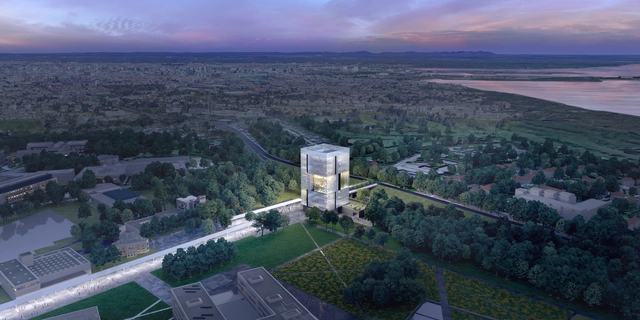
The project will include two major changes to UCD’s Belfield campus, located about 5 km from Dublin’s city center: a major update to the campus’ entry precinct along Stillorgan Road, as well as a new 8,000 square meter Centre for Creative Design, which will house UCD’s design studios.
Architect Magazine has unveiled the 2017 edition of the “Architect 50,” their list of the 50 best architecture firms in the United States. The 2017 rankings are based on scores from three categories: business, design and sustainability. This year saw more entrants than ever before, with several first-time entrants making notable impressions, including the number 1 ranked design firm, WORKac. Topping the overall list was Skidmore, Owings & Merrill (SOM), who also ranked in the top 10 in both design and sustainability.
See the top 10 from each category after the break.
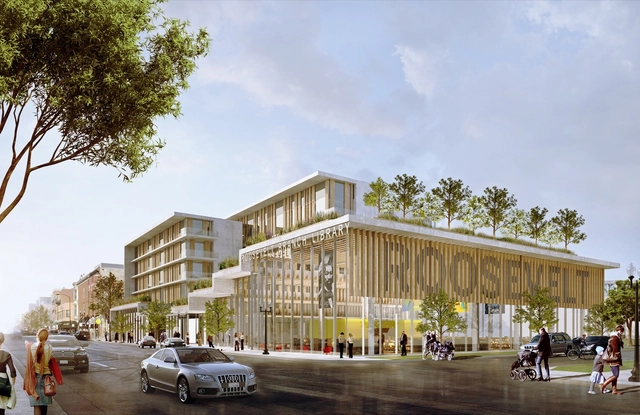
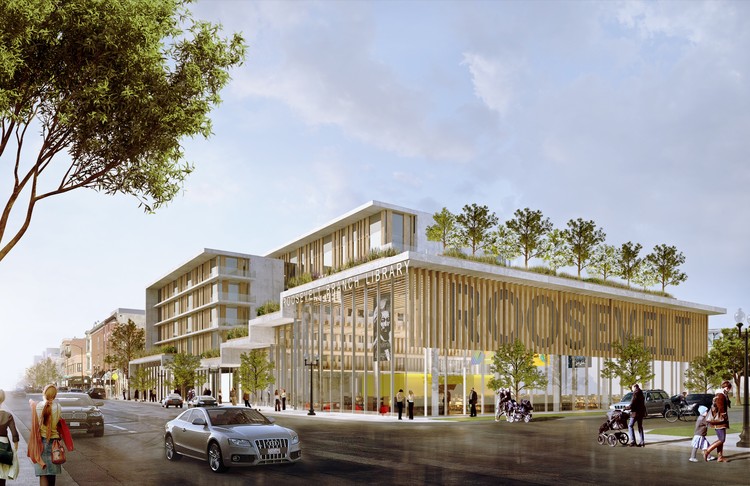
Initial renderings for the Roosevelt Branch, designed by SOM. Image Courtesy of The Chicago Housing Authority
The City of Chicago and the Chicago Housing Authority have announced the selection of Skidmore, Owings & Merrill (SOM), Perkins + Will and John Ronan Architects to lead in the design of three new “co-located” affordable housing and library developments in the Chicago neighborhoods of Little Italy, West Ridge, and Irving Park.
Selected from a shortlist of nine firms, the three Chicago-based teams were chosen for their “innovative ideas that will ensure that each community will have a design that best reflects its needs.” The practices will work intimately with their respective communities to develop their designs.
“These finalists offer a variety of backgrounds and styles, and any one of them would be an excellent choice,” Obama Foundation chairman Martin Nesbitt, according to CBS Chicago. “We are excited to see this process moving forward because the Obama Presidential Center will be so much more than a library – this facility will seek to inspire citizens across the globe to better their communities, their countries, and their world.”
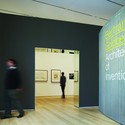
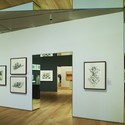
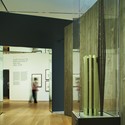
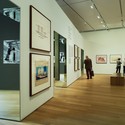
Architect: John Ronan Architects Location: 111 South Michigan Avenue, Chicago, Illinois, USA Project Team: John Ronan AIA, Lead Designer; Marcin Szef, Tom Lee Graphic Designer: Studio Blue General contractor: Art Institute of Chicago Project Area: 6600 sqf Project Year: 2011 Photographs: Steve Hall/Hedrich Blessing
AIA recently made us aware of this year’s CAE Educational Facility Design Awards. The purpose of the design awards program is to identify trends and emerging ideas, honor excellence in planning and design, and disseminate knowledge about best practices in educational and community facilities. Check out the list of 13 after the break, including several of the firms we have previously featured.
https://www.archdaily.com/145853/2011-cae-educational-facility-design-awardsChristopher Henry
Architect Magazine‘s third-annual ranking of American architecture firms takes a look at three factors: profitability, sustainability, and design quality. This whole picture approach provides an opportunity for small and large firms to go head to head, with a result of the best architecture firms, not necessarily the biggest.
Some of these practices have been featured on ArchDaily like Perkins + Will, Skidmore Owings & Merrill, Cannon Design, and Frank Harmon Architect.
Take a look at the complete rankings after the break.
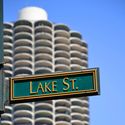
We are headed to the windy city of Chicago for this weeks Architecture City Guide series. Jam packed with architecture from Frank Lloyd Wright and Mies van der Rohe, here are our 12 recommendations if you are visiting Chicago. Head to the comment section and share your recommendations for additional buildings to include on our list!




.jpg?1583151570&format=webp&width=640&height=580)
.jpg?1583151508 "Independence Library and Apartments. Image © James Florio")
.jpg?1583151444 "Independence Library and Apartments. Image © James Florio")
.jpg?1583151301 "Chapel of St. Ignatius. Image © Nathan Kirkman")
.jpg?1583151521 "Gary Comer Youth Center. Image © Steve Hall")
.jpg?1583151570)