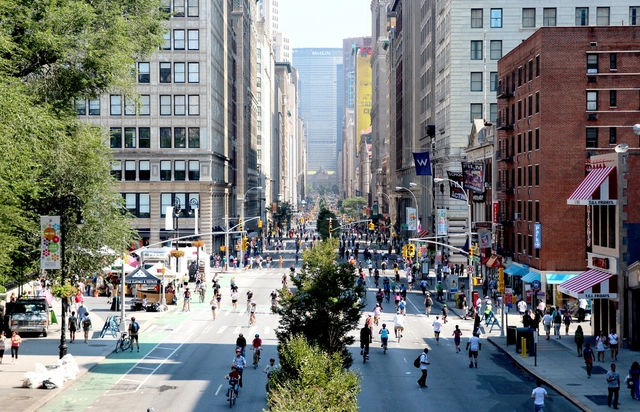
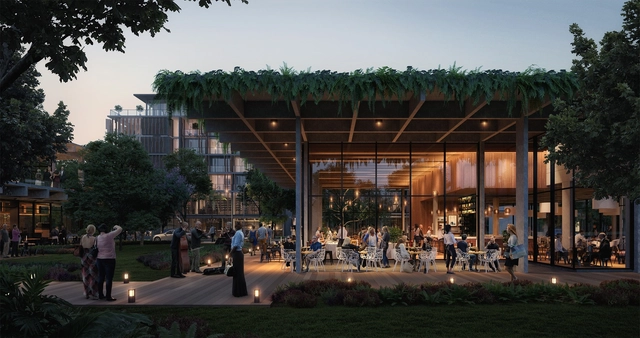
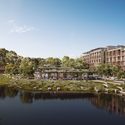
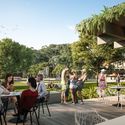
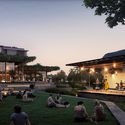
Following recent natural disasters including the Northern California wildfires, the HASSELL + team have been inspired to reimagine the San Francisco Bay Area as a vibrant community hub, equipped to provide temporary facilities in an emergency. As part of the competition Resilient by Design, the ten teams were asked to provide solutions for the waterfront through site-specific conceptual design and collaborative research projects.
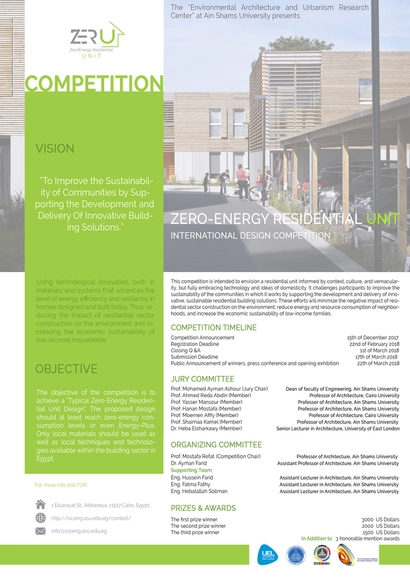
The International Collaboration office at the Faculty of Engineering Ain Shams University is pleased to announce its 1st International Architectural Design Competition.
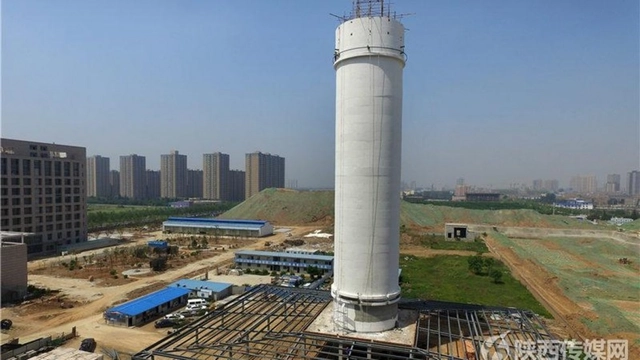
The 100-meter-tall air purification tower in Xi’an, China – believed to be the world’s largest air purifier. Image via South China Morning Post
A 100-meter-tall air purification tower in Xi’an, China – believed to be the world’s largest air purifier – has significantly improved city air quality, results from its preliminary run suggest.
According to researchers from the Institute of Earth Environment at the Chinese Academy of Sciences, the tower has managed to produce more than 10 million cubic metres (353 million cubic feet) of clean air per day since it was launched a few months ago. In the 10-square-kilometer (3.86-square-mile) observed area of the city, smog ratings have been reduced to moderate levels even on severely polluted days, an improvement over the city’s previous hazardous conditions.
Sustainability. A word that, for many of us, has been driven into our minds from the very start of our careers as architects. We have a responsibility to the planet and future generations to design buildings that are socially conscious—from solar panels to triple-glazed windows, we have tried it all.
Ultimately, whether our designs are sustainable comes down to the early decisions we make for the building, with our choice of materials having a huge effect on the overall carbon footprint. With new technologies come new ways of incorporating abundantly found materials into the skin of the building that could reduce the building's embodied energy and enhance the structure's properties.
In this article, we have compiled a list of 8 familiar materials that you wouldn't initially associate with sustainability but which you might consider for your next design.
The SDG Academy online education platform recently launched a series of free online courses on topics ranging from sustainable development and urbanization to climate change and the use of natural resources. According to the description on its website, SDG Academy "creates and curates free, top-level courses on sustainable development for students around the world."
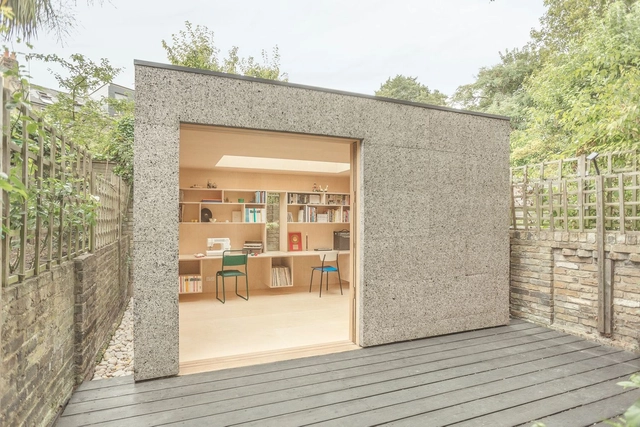
Unbeknown to many, cork is something of a dark horse when it comes to the environment—a model of a sustainable industry and building material. By its very nature, cork is both recyclable and renewable, as it is the only tree that regenerates its bark, while harvesting that bark causes the tree no harm.
Cork has been sneaking its way into our buildings for many years now; due to its hard-wearing properties it can be found, for example, in the checkerboard flooring of the Library of Congress. Even NASA has been wise to cork's light weight and insulation capacity, using it as an insulator for their space shuttles.
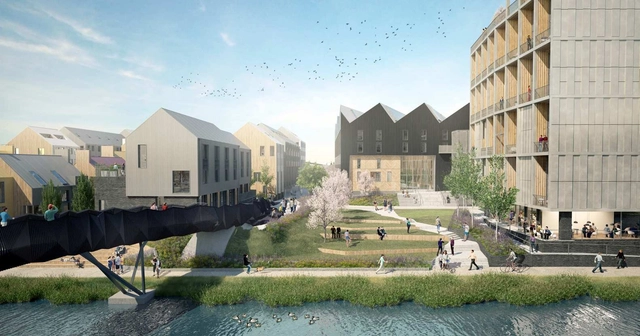
Scandinavian firm, White Arkitekter, working closely with urban developers Citu, have designed the masterplan for the new Climate Innovation District in Leeds, in the United Kingdom. A central brownfield site in the city will be developed and converted into a sustainable, resilient, mixed-use neighborhood of more than 500 apartments and homes.
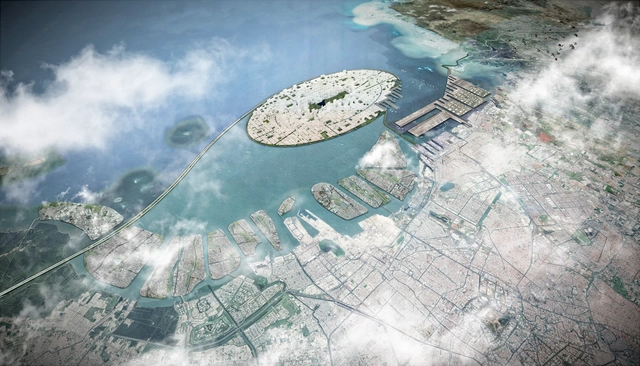
Due to rapid population and economic growth, Indonesia is facing issues such as land subsidence and rising sea levels. To combat these problems and more, SHAU Architects created a master plan for the Jakarta Jaya Foundation focused on large-scale land reclamation to integrate green space. By addressing impending challenges, SHAU Architects proposal, Jakarta Jaya: the Green Manhattan, won a Smart Cities prize at the World Architecture Festival 2017.
The Kharayeb Archaeological Museum (KAM) was designed by Shiogumo in the agricultural lands of the coastal village Kharayeb, in the south of Lebanon. The site-specific museum was commissioned to preserve and enhance the historical, cultural, and public significance by the directors of the archeological mission and site, Dr. Ida Oggiano (Istituto di Studi sul Mediterraneo Antico of CNR, Italy) and Dr. Wissam Khalil (Lebanese University).
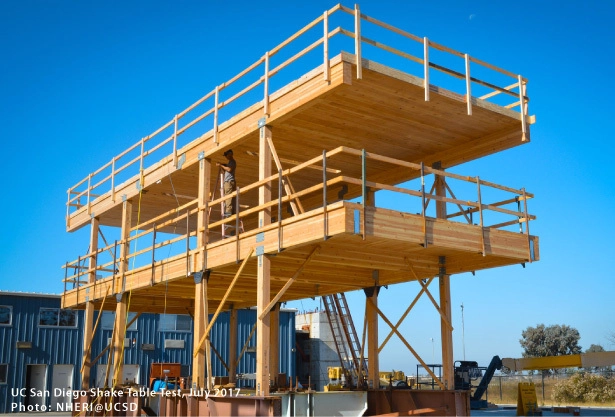
At a time when engineers, designers, and builders must find solutions for a resource-constrained environment, new wood technology, materials, and science are accelerating efforts to enhance safety and structural performance.
International Building Code requires all building systems, regardless of materials used, to perform to the same level of health and safety standards. These codes have long recognized wood’s performance capabilities and allow its use in a wide range of low- to mid-rise residential and non-residential building types. Moreover, wood often surpasses steel and concrete in terms of strength, durability, fire safety, seismic performance, and sustainability – among other qualities.
The Sunshine Coast of Australia’s Yaroomba Beach is about to get a $900 million upgrade. The integrated, mixed-use development will be the first 5-star resort developed on the Sunshine Coast in 30 years. HASSELL has been awarded the work as master planners, architects, and landscape architects for the massive project, focusing on sustainable and ecological goals to ‘touch the ground lightly.'
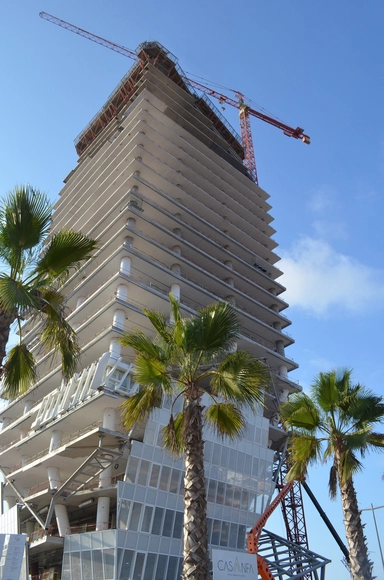
This Fall, global architecture and design firm, Morphosis has their plate full as four of their projects reach significant construction milestones. From Africa to the Middle East, Europe and the U.S., Morphosis is creating international landmarks that display their values of sustainability and future development. Read on to learn more about what Thom Mayne's team is up to.
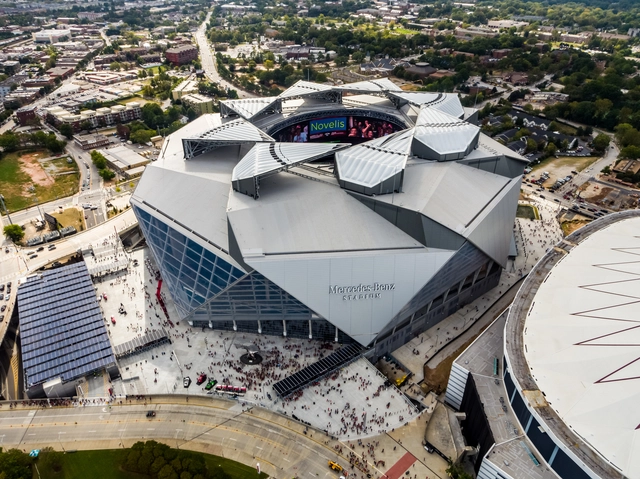
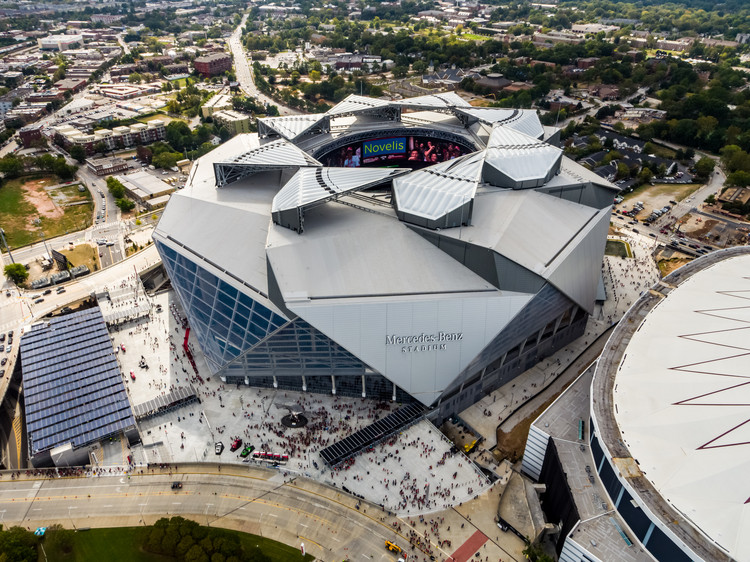
HOK's Mercedes-Benz Stadium is officially the first LEED Platinum certified professional sports stadium in the United States. The new home to the NFL’s Atlanta Falcons boasts the highest sports venue LEED score at 88 total points.
There is much more to learn from this stadium than just its unique retractable roof system. The two-million-square-foot venue is an unprecedented model for sustainability and performance innovation. Its notable design solutions conserve water, lighting, and energy.
In this extended interview from the Louisiana Channel, Japanese architect and experimentalist in sustainable architecture Hiroshi Sambuichi explains how he integrates natural moving materials—sun, water and air—into his architecture. A rare symbiosis of science and nature, each of his buildings are specific to the site and focus on the best orientation and form to harness the power of Earth’s energy, particularly wind. Two of his projects displayed in the video, the Inujima Seirensho Art Museum and the Orizuru Tower, force a contraction of air to make it flow faster and circulate with you through the building, while the Naoshima Hall takes a more sensitive approach due to the nature of the building, reducing the wind’s velocity as it passes.
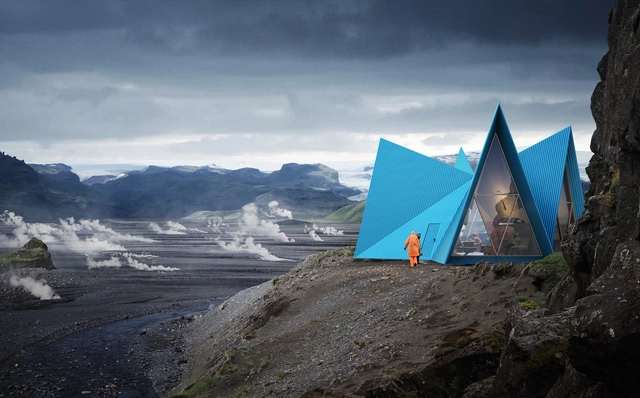
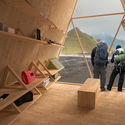
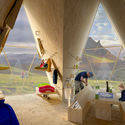
Stockholm-based architecture firm Utopia Arkitekter has designed Skýli, they are bright blue cabins that are popping up in one of the world's most beautiful landscape. The idea came from a desire to develop a structure which could be easily placed along some of the most famous trekking trails in Iceland. Not only are the lodges striking and beautiful in itself, they can be easily constructed and are built to withstand the harshest weather conditions.
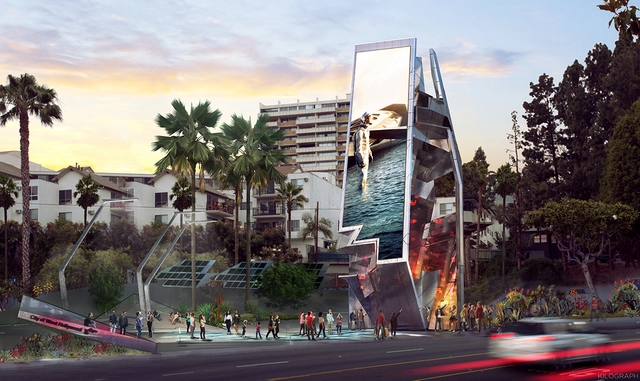
Next LA - Honor: West Hollywood Belltower / Tom Wiscombe Architecture, Inc. courtesy of AIA LA
The American Institute of Architects Los Angeles (AIA|LA) just announced the winners of their 2017 Design Awards honoring Los Angeles based architects and architecture. The ceremony took place Monday, October 30th, at the Broad Stage in Santa Monica, recognizing each of the winners.