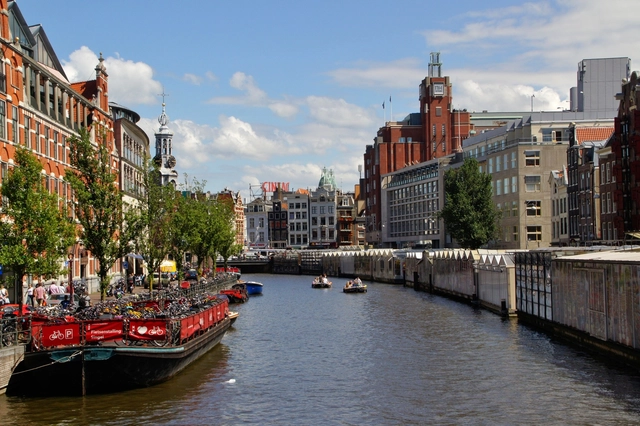
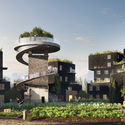
Compact city refers to the urban model associated with a more densified occupation, with consequent overlapping of its uses (homes, shops and services) and promotion of the movement of pedestrians, cyclists and public transport users. Amsterdam and Copenhagen are known examples of such a model.
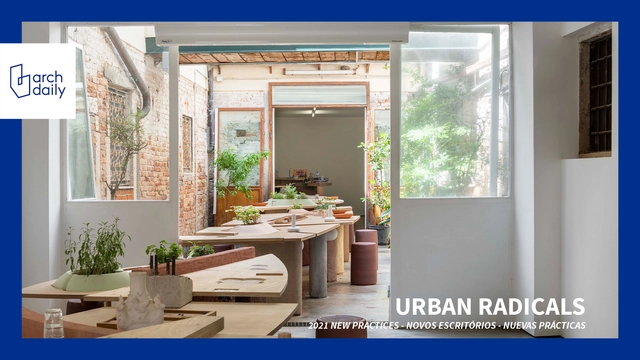
Urban Radicals is a design collective based in London, founded in 2019 by Era Savvides and Athanasios Varnavas. The practice operates at the intersection of multiple disciplines, exploring public space and the notion of collectivity across a variety of scales, contexts and design expressions. One of Archdaily's Best New Practices of 2021, Urban Radicals shrinks and grows organically through the projects, dissolving the boundaries between diverse fields of knowledge and circumventing traditional office structure to integrate a multiplicity of perspectives within architecture.
Early last week, the European Commission and the Fundació Mies van der Rohe announced the 40 shortlisted projects of the EU Mies Award, a prize that commends excellence in architecture, highlighting its contribution to sustainable development. In this context, and two years after the European Parliament voted to support the Green Deal, we review the steps taken by the EU in 2021 towards achieving its sustainability goals and shaping a resilient built environment.
With its quantifiable objectives and measurable performance, sustainability often passes as a technological challenge. Its primary language is that of data, equipment, and engineered systems, most often translated into a hyper-technologized layer hidden within a design upholding pre-existing aesthetic norms. As architecture is the image of society at one moment in time, how does the focus on sustainability translate into architectural language, further legitimatizing the efforts to establish an equitable relationship with the environment? Architecture serves as an expression of attitudes, and since sustainability has become a fundamental value, it is worth looking at whether or not it has produced an aesthetic transformation.
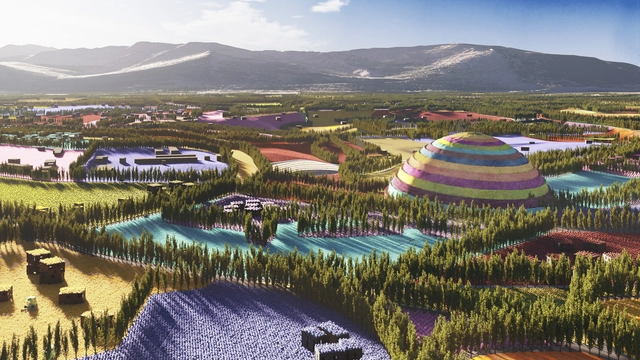
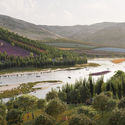
MVRDV has been commissioned by the Armenian non-profit organization DAR Foundation for Regional Development and Competitiveness to develop a masterplan that will transform Gagarin Valley's 34,000-hectare area into a more sustainable and ecologically diverse land. With the help of over 10,000 plant species, innovative facilities, and additional 12,000 housing units, the valley is set to become an ideal community for sustainable agriculture and ecotourism.
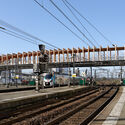
In December, the European Commission adopted several proposals that put the transport sector on track for a 90% reduction in carbon emissions, moving a step further in implementing the European Green Deal. The initiatives seek to increase rail transport, encouraging long-distance and cross-border rail travel, support the roll-out of charging points for electric vehicles and alternative refuelling infrastructure and further develop multimodality.
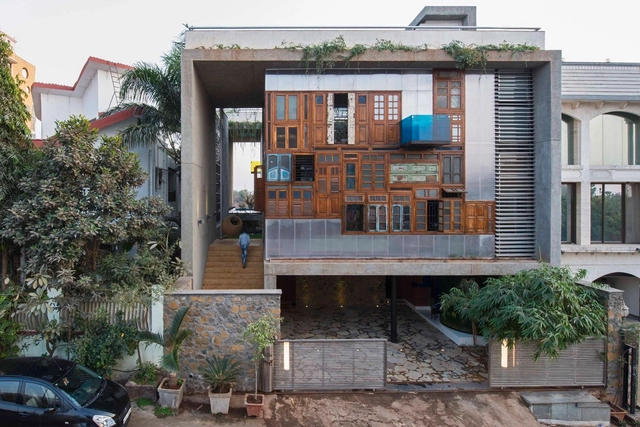
Casa Collage / S+PS Architects. Image Cortesia de S+PS Architects
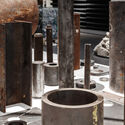
Reform and adaptation of spaces represent a significant parcel of projects ordered to architecture firms, and reuse of preexisting structures is not newness. Functions and needs change over time, therefore adaptations are required to meet new demands. However, no matter how much the maintenance of a building is, in most cases, preferred in economic and ecological sense to its demolition and a new construction from the beginning, the logic of the reuse of a space does not usually extend to its parts that become, thus, rubble.
The climate crisis has been one of the focal points of 2021, both within political discourse and the architectural field, accompanied by a newfound acknowledgement of the issue's severity. Over the past year, the IPCC report revealed the severe consequences of inaction, while COP26 and G7 summit resulted in an insufficient commitment to immediate and palpable measures. The AEC sector, responsible for a staggering 39% of global greenhouse gases, can bring a significant contribution to curbing climate change and the following looks at the decarbonization efforts of 2021 that target this industry.
As the effects of climate change intensify across the world, the AEC industry is shifting toward green building to effectively address the climate crisis. In 2020, members of The American Institute of Architects (AIA) overwhelmingly approved a resolution making environmental stewardship the organization’s top priority. Since then, steady progress has been achieved to develop a Climate Action Plan, evolve the Framework for Design Excellence, and increase participation in the 2030 Commitment. The building and construction sector is responsible for 36% of energy consumption, 38% of energy related carbon emissions, and 50% of resource consumption globally. These percentages are expected to double in total footprint by 2060, exacerbating the negative effects of climate change on the environment. The Intergovernmental Panel on Climate Change (IPCC) 2021 Report warns of increasingly extreme heatwaves, droughts and flooding, and a key temperature limit being broken in just over a decade. The world must act fast to avoid these catastrophic events, and decarbonizing the built environment is a major step in the right direction.
https://www.archdaily.com/972553/net-zero-energy-and-net-zero-carbon-design-strategies-to-reach-performance-goalsSponsored Post
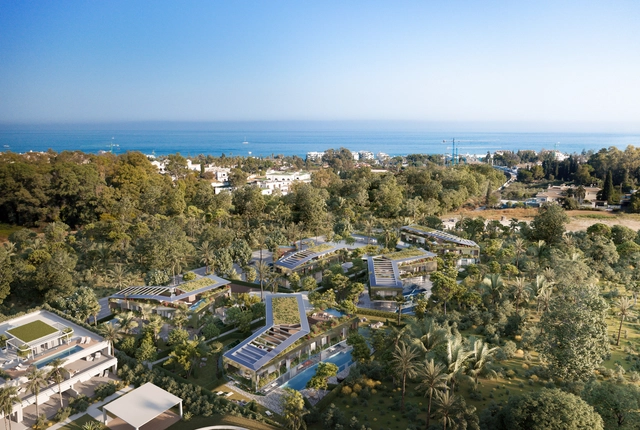
Courtesy of KARL LAGERFELD, Sierra Blanca Estates and One Atelier
During the past couple of years, luxury and fashion brands began venturing into architecture. Some built museums, foundations, and cultural organizations while others shaped residential structures that translated their identity into space. Following this same concept, KARL LAGERFELD, along with Spanish Developer Sierra Blanca Estates and the Design and Branding Firm The One Atelier, have developed the fashion house’s first “luxury architectural project”, the Karl Lagerfeld Villas in Marbella, Spain. Designed by The One Atelier, of which Andrea Boschetti is Head of Design, the project has low carbon impact, aligned with the brand’s commitment to the Fashion Pact - a global sustainability initiative that seeks to transform the fashion industry through objectives in climate, biodiversity, and ocean protection.
Asking what is “luxury architecture” and questioning why fashion brands are expanding into architecture, ArchDaily met with Andrea Boschetti to further understand the architect and urban planner’s take on the subject.
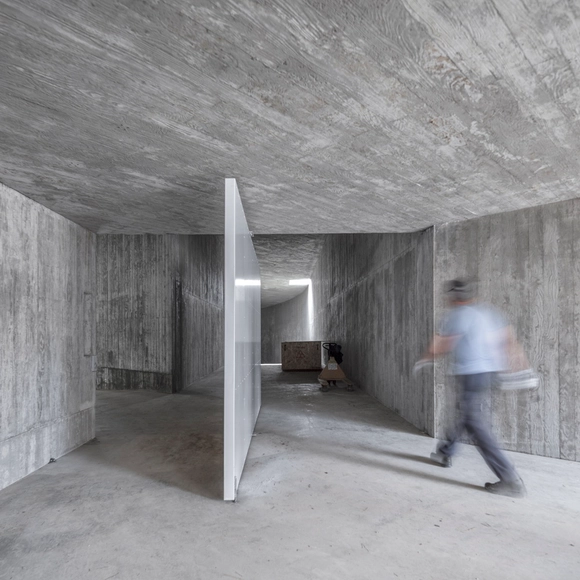
Concrete and sustainability are two words that are often considered incompatible. Used as early as the Roman era, concrete has shaped much of our built environment, being the most widely used manufactured material in the planet thanks to its resistance, versatility, cost-effectiveness, and accessibility, among other inherent benefits. Its popular use in buildings and infrastructure forms the foundations of cities, connects communities, and will continue to play a vital role in providing solutions to the challenges of the future – especially as cities must respond to a growing global population. But with cement as its key ingredient, it also comes with several environmental costs, being responsible for at least 8% of the world’s carbon emissions in a climate-change context. However, it doesn’t necessarily have to be that way. With the rise of innovative technologies and products, there are many ways to make concrete greener.
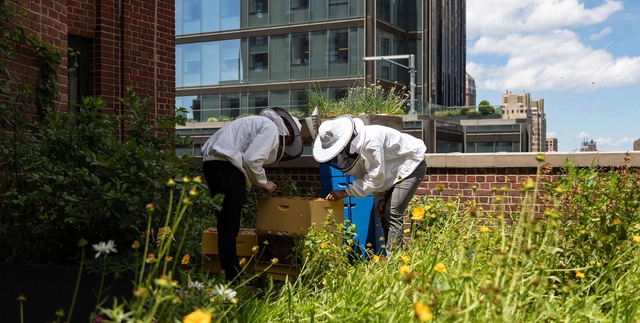
Food production is directly reliant on bees, and their disappearance could lead to catastrophic effects on humanity. There are alarming reports all over the internet about how these little insects are dying. According to the Food and Agriculture Organization of the United Nations (FAO), 75% of the world's food crops rely on bees. For example, it is only possible to have a juicy and well-developed strawberry if dozens of bees go by the flower at the right time and pollinate it. Without them, it would look more like a raisin.
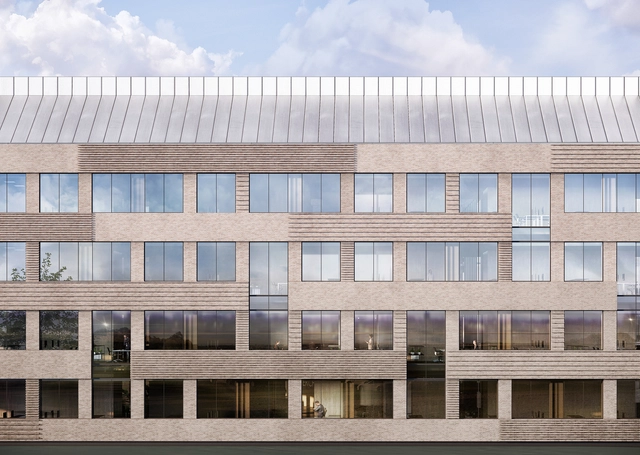
Generally made from kiln-fired clay, it is estimated that bricks have been used since 7000 BC, as examples were discovered in the ancient city of Jericho. Since then, bricks have been omnipresent in the history of architecture, combining constructive ease, aesthetics and comfort. Nowadays, with the growing concerns around the environment and the larger impact of materials used and decisions taken on a project, there are ways to modernize an ancient material such as brick through a few updates to its manufacturing process, making it even more eco-conscious. Brick can already be considered a sustainable material because of its durability and recyclability, but there are ways to further improve it. The new project for the headquarters of the food manufacturer Danish Crown, under construction and developed by CEBRA office, is a good example of how to apply this product in a more sustainable way.
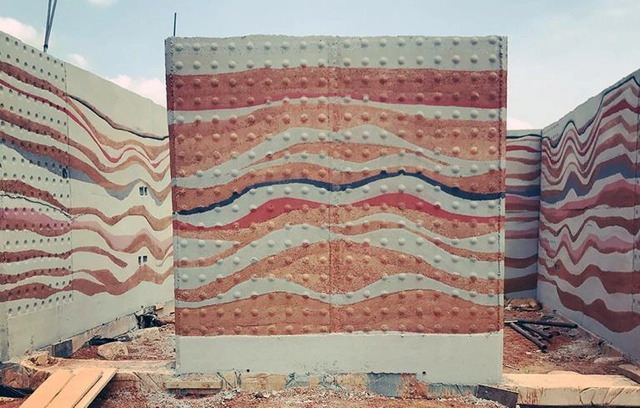
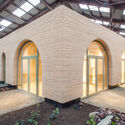
Rammed earth constructions are not a novelty, on the contrary, some sections of the Great Wall of China were made using this technique. Relegated and replaced by modern methods of construction, the mud walls are currently re-emerging as an economic, sustainable solution, with low environmental impact. Even Joelle Eyeson, a young African entrepreneur, is betting that it may be the answer to the housing deficit in her region.
This is a rudimentary construction system in which earth is compressed into wooden boxes. The clay is horizontally placed in layers of 15 cm in height, and compacted with manual or pneumatic tools, to achieve its ideal density creating a resistant and durable structure.
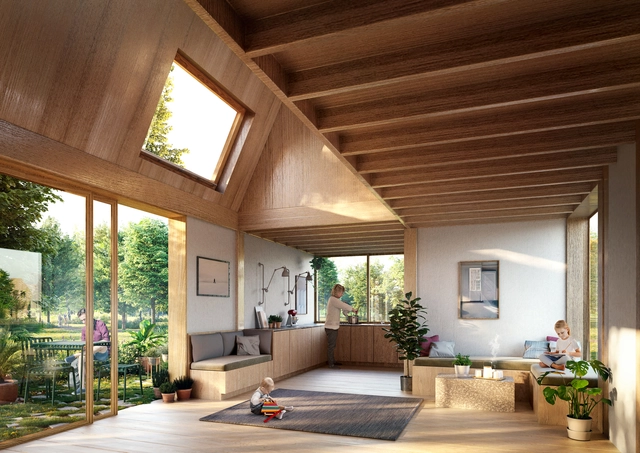
VELUX Group reveals The Build for Life concept aimed at creating sustainable communities and built environment through affordable, socially-oriented designs and new housing models, healthy indoor climates and the use of low-impact materials. Developed together with EFFEKT, MOE engineers and Danish construction company Enemaerke & Petersen A/S, the concept provides architects and city planners with a “compass’ for navigating the sustainability imperatives of the moment while encouraging the design of healthier living places.
The climate crisis has become a staple of the architecture discourse, with the field slowly acknowledging its contribution to environmental issues and seeking to reframe its values and approaches. However, there is an evident lack of commitment and consistency in addressing the matter and an absence of systemic change. Emerging practices, organizations and startups are carving a new architecture practice, slowly unfolding a paradigm shift beyond "green" add-ons and technical equipment. Addressing environmental issues on multiple levels, from policy and design strategies to materials and construction processes, the following are some of the actors reframing the profession's relationship with sustainability.
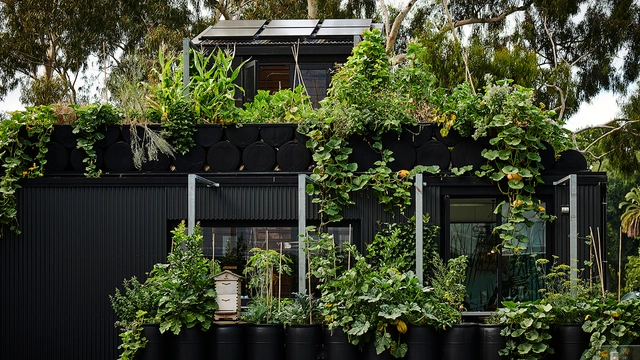
According to a 2021 Food Waste Index Report by the United Nations, 17% of global food production goes to waste, becoming the third biggest source of greenhouse gas emissions. 11% of this waste is generated by households, not only contributing to the climate crisis, but also provoking large economic costs, biodiversity loss, and the rise of pollution levels at unprecedented rates. Therefore, considering the key role that architecture and design plays in providing more eco-friendly housing options, it is essential to adopt and enhance a more self-sustaining, zero-waste approach.
Batlleiroig is an architecture firm based in the city of Barcelona, whose extensive portfolio encompasses urban projects, landscaping, buildings, and interior design. We spoke with Joan Batlle Blay, Architect & Landscape Architect and partner at the firm, about the innovations and challenges in his work. According to him, “In our office, we think that R+D (research and development) is the company’s main tool to innovate and evolve our work method into an absolute creed for the planet.” See the full interview below: