1. ArchDaily
  2. Hospitality Architecture

Hospitality Architecture: The Latest Architecture and News

Bali Architecture Guide: 25 Projects Blending Tradition with Innovation in Indonesia's Most Visited Island

Subscriber Access | 

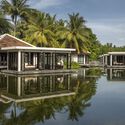
Bali might most commonly be associated with its beaches and leisure sector. Rightfully so, since the Indonesian province received more than 2.9 tourists this year alone. Along with the temporary visitors, Bali also houses some longer-term inhabitants and digital nomads, which contributed to its fast population increase. This has naturally affected its urban density and its need for additional accommodation and services, offering opportunities for some creative architecture and materials exploration.

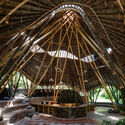
This often appears through the many bamboo-built projects, with the island being the stage for some of the oldest and most intricate bamboo vernacular construction. This knowledge can be transmitted to willing architects and professionals from all around the globe who seek to understand how this versatile material can be applied in their own countries. Many renowned global and local practices, such as IBUKU, and Bamboo U, have championed this ecologically aware architecture through their projects, which are always focused on nature preservation and the revival/ optimization of traditional building techniques.
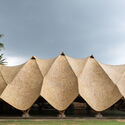
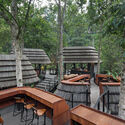
Bali Architecture Guide: 25 Projects Blending Tradition with Innovation in Indonesia's Most Visited Island - Image 1 of 4Bali Architecture Guide: 25 Projects Blending Tradition with Innovation in Indonesia's Most Visited Island - Image 2 of 4Bali Architecture Guide: 25 Projects Blending Tradition with Innovation in Indonesia's Most Visited Island - Image 3 of 4Bali Architecture Guide: 25 Projects Blending Tradition with Innovation in Indonesia's Most Visited Island - Image 4 of 4Bali Architecture Guide: 25 Projects Blending Tradition with Innovation in Indonesia's Most Visited Island - More Images+ 23

Designing with Empathy: Architecture for Social Equity

Audio available

Architecture has long been understood as a powerful tool for shaping the physical environment and social dynamics within it. However, its potential to foster social equity is often overlooked. Empathy-driven design invites architects to approach their work not only as creators of space but as facilitators of human connection and community well-being. This approach centers on understanding people's lived experiences, struggles, and aspirations — particularly marginalized communities — and responding to their needs through thoughtful, inclusive architecture. It goes beyond aesthetics and functionality, instead focusing on creating spaces fostering dignity, accessibility, and social equity. By prioritizing empathy, architects can design environments that uplift communities, address disparities, and create inclusive spaces that promote positive societal change in a tangible, human-centered way.

Designing with Empathy: Architecture for Social Equity - Imagem 1 de 4Designing with Empathy: Architecture for Social Equity - Imagem 2 de 4Designing with Empathy: Architecture for Social Equity - Imagem 3 de 4Designing with Empathy: Architecture for Social Equity - Imagem 4 de 4Designing with Empathy: Architecture for Social Equity - More Images+ 13

Discovering Remote Retreats: 20 Projects Showcasing the Appeal of Nature-Set Accommodations

Subscriber Access | 

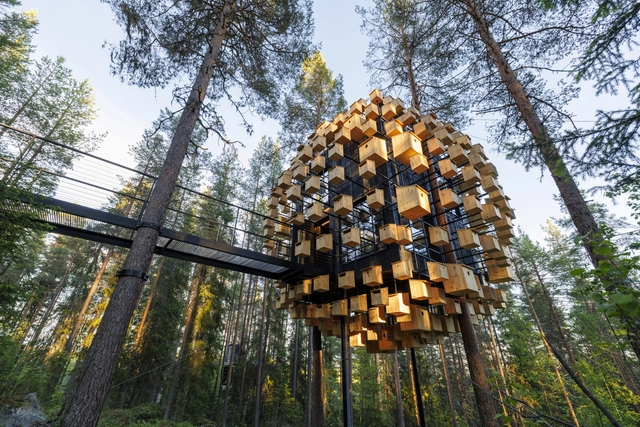
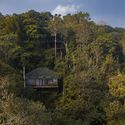
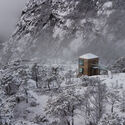
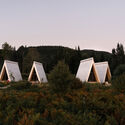
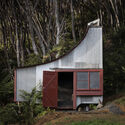
Today's population lives in large, vibrant, and sometimes chaotic cities. That’s why the most popular options involve escaping to natural settings such as remote forests, tropical jungles, or pristine beaches when choosing places to take a break from daily responsibilities and routines. For those seeking to disconnect completely from city life while staying closely connected to nature, small-scale hotels, cabins, and lodges are excellent options. Whether it’s a private vacation home or a cabin hotel, these accommodations are designed to make their natural surroundings their most important asset, allowing the buildings to blend seamlessly into the landscape.

Discovering Remote Retreats: 20 Projects Showcasing the Appeal of Nature-Set Accommodations - Imagen 12 de 4Discovering Remote Retreats: 20 Projects Showcasing the Appeal of Nature-Set Accommodations - Imagen 5 de 4Discovering Remote Retreats: 20 Projects Showcasing the Appeal of Nature-Set Accommodations - Imagen 2 de 4Discovering Remote Retreats: 20 Projects Showcasing the Appeal of Nature-Set Accommodations - Imagen 16 de 4Discovering Remote Retreats: 20 Projects Showcasing the Appeal of Nature-Set Accommodations - More Images+ 16

Snøhetta Reveals Vacation Home Overlooking Mount Yotei in Hokkaido, Japan

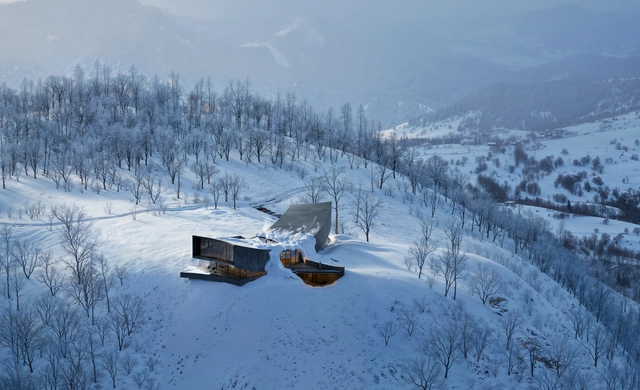
Snøhetta has unveiled a vacation home design nestled within the landscape of Hokkaido Island for the Japanese hospitality group NOT A HOTEL. Situated atop the renowned Rusutsu Resort, the project centers itself around Mount Yotei and provides framed views. The 1200 sqm building’s design aims to be minimal, influenced by the surrounding terrain and defined site boundaries.

Snøhetta Reveals Vacation Home Overlooking Mount Yotei in Hokkaido, Japan - Image 1 of 4Snøhetta Reveals Vacation Home Overlooking Mount Yotei in Hokkaido, Japan - Image 2 of 4Snøhetta Reveals Vacation Home Overlooking Mount Yotei in Hokkaido, Japan - Image 3 of 4Snøhetta Reveals Vacation Home Overlooking Mount Yotei in Hokkaido, Japan - Image 4 of 4Snøhetta Reveals Vacation Home Overlooking Mount Yotei in Hokkaido, Japan - More Images

Branded Residences: Blending Luxury Hospitality with Residential Architecture

Subscriber Access | 

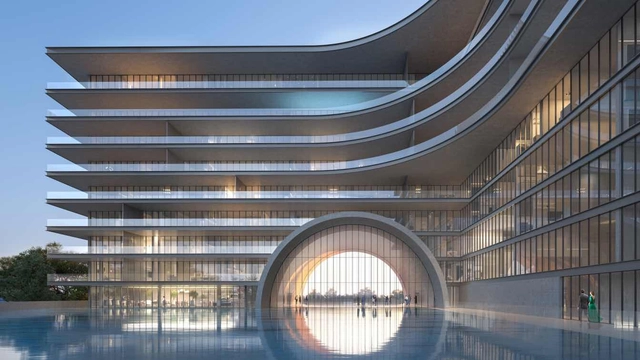
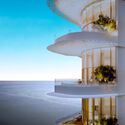
Metropolitan cityscapes come with the appeal of sophistication, luxury, and exclusivity. Their glittering skylines and vibrant energy attract thousands of tourists and residents seeking luxurious experiences every year. Catering to this market, several renowned brands and real estate firms have teamed up to offer "branded residences" – a modern typology that elevates hotel-like living into a daily delight.

The concept of branded residences can be traced back nearly a century to 1927 when New York City's Sherry-Netherland Hotel and Apartments joined forces with the famous Sherry's restaurant. Over the past decade, the trend has witnessed a 230% growth with over 580 developments from 133 brands equating to nearly 100,000 residential units established worldwide. The drive for this demand goes beyond aesthetics and architectural grandeur. World-class services and amenities such as spas, fitness centers, private cinemas, and concierge services offered by luxury housing developments build on a sense of indulgence.

Branded Residences: Blending Luxury Hospitality with Residential Architecture - Imagem 1 de 4Branded Residences: Blending Luxury Hospitality with Residential Architecture - Featured ImageBranded Residences: Blending Luxury Hospitality with Residential Architecture - Imagem 2 de 4Branded Residences: Blending Luxury Hospitality with Residential Architecture - Imagem 3 de 4Branded Residences: Blending Luxury Hospitality with Residential Architecture - More Images

Architecture as a Product: What Makes a Building Worth Repeating?

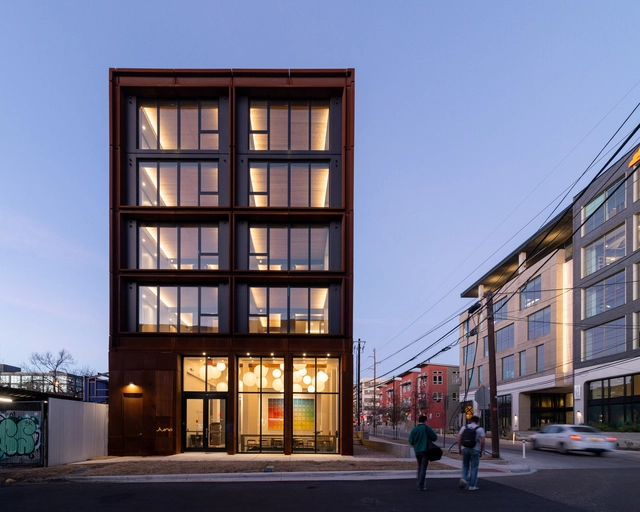
Architecture praxis has traditionally focused on customized, project-based services – a well-established model continually favored by industry professionals. While this approach yields remarkable built environments, it struggles to achieve scalability and longevity. The architectural industry has shown little interest in exploring alternative practices, processes and business models, considering that the traditional mode is equally vulnerable to market cycles as other industries are. Bespoke design solutions, the cornerstone of conventional practice, make standardizing processes and scaling services challenging. This focus also leads to fragmented workflows among firms and stakeholders. The stability and establishment of traditional practices can breed a risk-averse culture, hampering disruptive innovations within the industry.

Architecture as a Product: What Makes a Building Worth Repeating? - 1 的图像 4Architecture as a Product: What Makes a Building Worth Repeating? - 2 的图像 4Architecture as a Product: What Makes a Building Worth Repeating? - 3 的图像 4Architecture as a Product: What Makes a Building Worth Repeating? - 4 的图像 4Architecture as a Product: What Makes a Building Worth Repeating? - More Images+ 2

Meet the 75 Finalists of the ArchDaily 2024 Building of the Year Awards

After two weeks of open voting in the 15th edition of the Building of the Year Awards, our readers have meticulously narrowed down a pool of over 4,000 projects to a select group of 75 finalists spanning 15 categories. This year's awards enthusiastically honor the pinnacle of design, innovation, and sustainability on a global scale, showcasing an exceptional range of projects within the shortlist. As a crowdsourced award, we take pride in affirming that your selections authentically mirror the current state of architecture, and the caliber of this year's finalists further underscores the excellence and diversity prevalent in the field.

The ArchDaily Building of the Year Awards is brought to you thanks to Dornbracht, renowned for leading designs for architecture, which can be found internationally in bathrooms and kitchens.