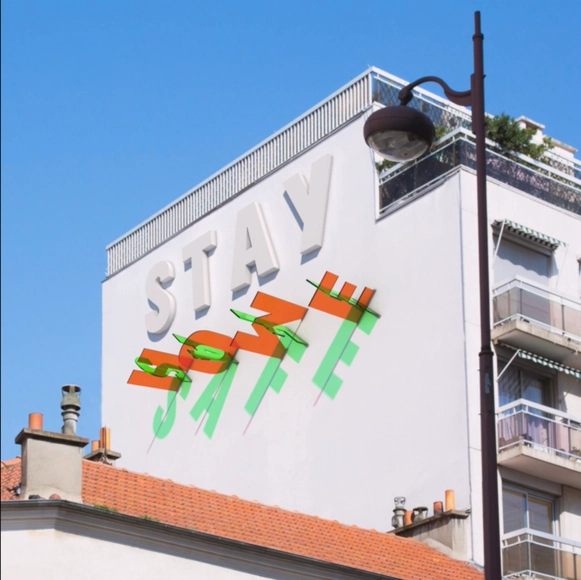
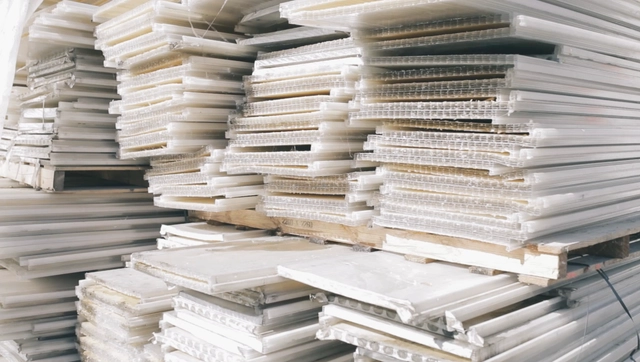
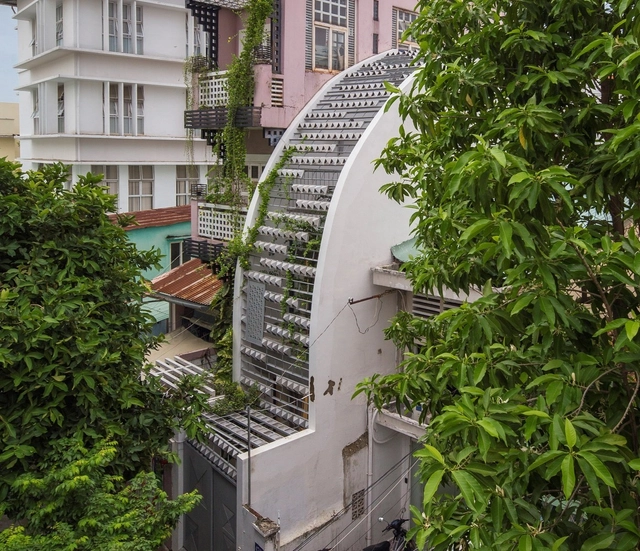
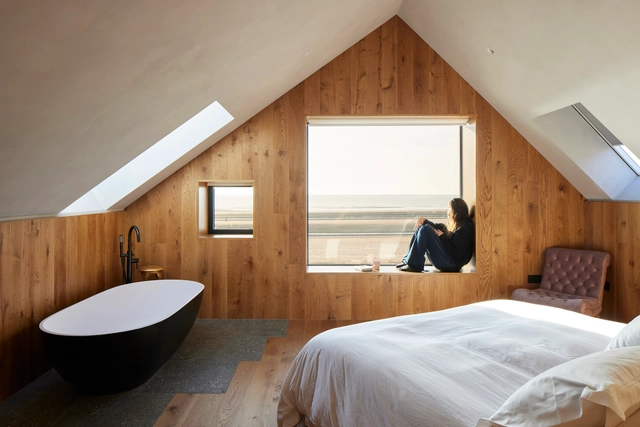
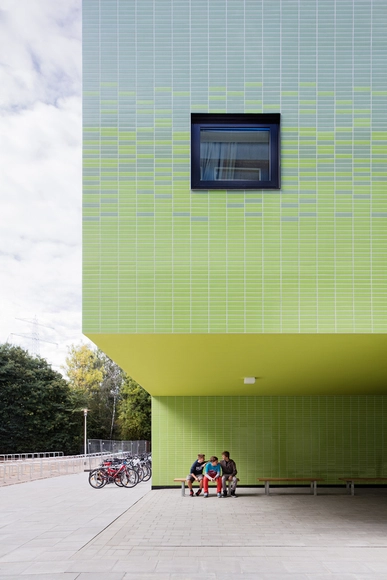
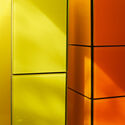
When transparent facade elements deliberately evolve from the course of the sun, we can explore a fascinating slow movement in stark contrast to the hectic urban street life on the ground. Especially the French designer Pierre Brault has responded to the accelerated rhythm of our society with facade installations that combine the principle of the sundial with colorful pop design. His three-dimensional works made of recycled colored plexiglass mesmerize through simple but dramatic movements of colored shadows. In the interview, Brault explains his inspiration, the experimental approach and his interest in working responsibly with material.
Sustainability needs to go further beyond inspiring speeches and promises, with visible, concrete actions. In order to see this change, it is essential for individuals, companies and governments to take responsibility and act in a sustainable manner in their daily lives and practices. By taking into account the environmental and social impacts of their decisions and seeking more conscious and responsible alternatives, they can take steps to ensure a sustainable future for the next generations. In the construction industry this is even more urgent. Responsible for a large amount of solid waste and greenhouse gas emissions, it is essential for this industry to adopt sustainable practices, such as recycling, to minimize environmental impacts.
However, even though product recycling processes have significantly advanced in recent years, there are still certain challenges associated with the use of recycled materials. This is due to a variety of factors, such as performance and durability, or even due to the difficulty of obtaining suitable raw materials. But there are also successful examples that show the possibilities of recycled materials.
Walking down the streets of cities like Hanoi and Saigon in Vietnam, you might encounter houses with surprisingly narrow facades in contrast to the stacking of three to five floors, with windows for ventilation and natural light only on the front facade. These are the famous traditional Tube Houses. According to ancient popular culture, this type of housing emerged due to property taxes being based on the width of the facade, but the true reason is to optimize land use, allowing a larger number of plots in the same square.
However, this legacy is now being recreated in contemporary designs by Vietnamese architects. Old facades give way to innovative solutions featuring atriums for natural lighting and ventilation, courtyards and interior gardens, greenery incorporated into different environments, split-levels, etc., allowing for high-quality spaces. With that in mind, we have put together a selection of Tube Houses, together with their respective section drawings. Check out below:
When children first learn to draw a house, there are four basic components they illustrate: a wall, a pitched roof, a door and one or more windows. Along with the common structural elements, windows have always been considered to be indispensable architectural features for their multiple functions. While providing views, daylight and natural ventilation, these insulate from cold and heat, protect from external threats and enhance a facade’s appearance. They are also associated with a strong poetic or symbolic value; it is through them that we are able to connect with and enjoy our surroundings, be it a beautiful natural landscape or a dense urban environment. An expressive part of any building, windows serve as a visual bridge between the inside and outside, acting somewhat as a refreshing escape from our everyday routine.
“Color is life; for a world without color appears to us dead.” Distinguished painter Johannes Itten described with these words the exceptional power of color in our perception of the world. As a sensory event, color not only defines what we see, but also how we feel and think; it has been shown to alter productivity, inspire decision-making, shape our perspective, and influence our well-being. Especially in architecture, these effects materialize and reach their maximum splendor. Design is, after all, a visual form of communication, and color palettes –coupled with light, shadow, texture and sheen– play a critical role in conveying a building’s message. They create the ambiance that supports the function of a space, completely transforming user experience. Even the greats have recognized this power: “Polychromy is as powerful an architectural tool as the plan and section,” Le Corbusier once said.
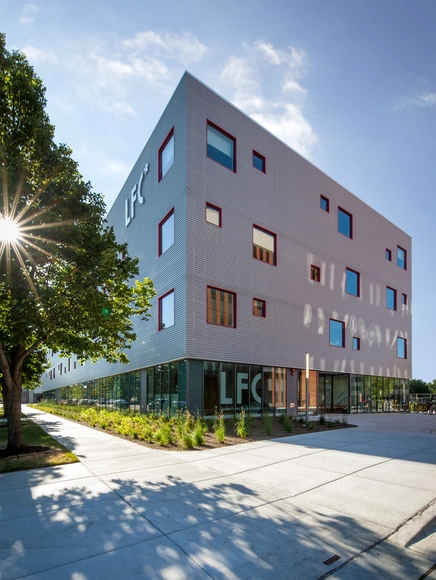
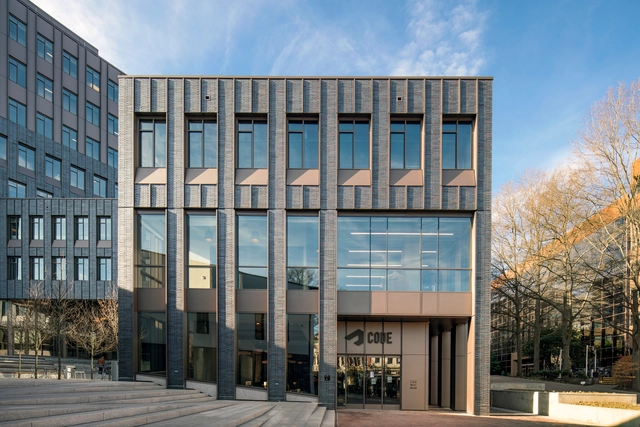
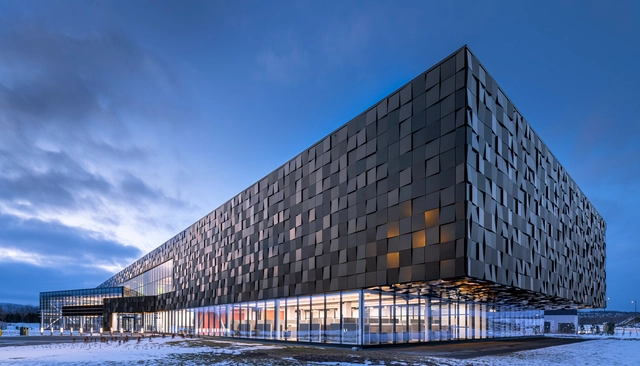
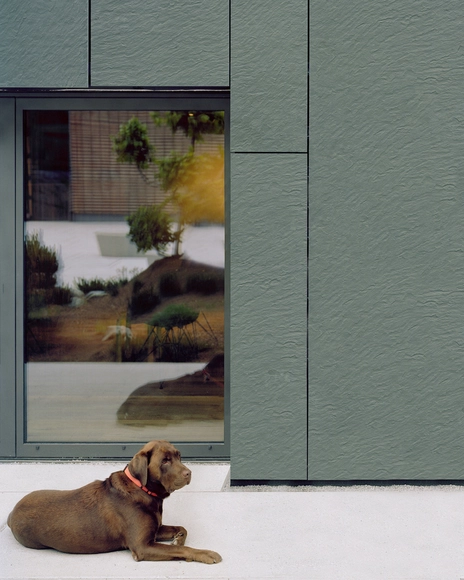
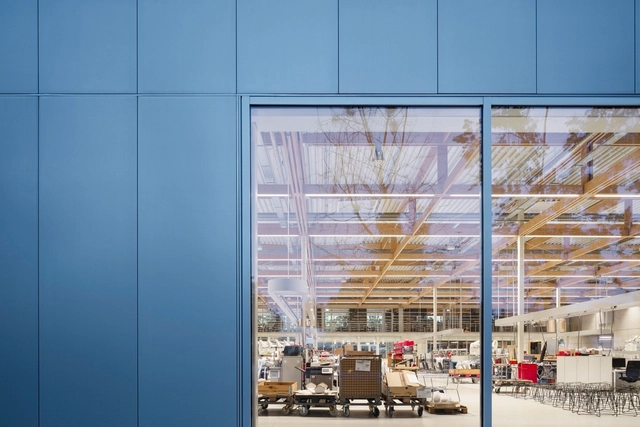
A metal façade introduces a visually appealing architectural element on top of a built insulation system, such as a vapor barrier, insulation board, and structural supports. Known for their versatility, durability and elegant, clean finishes, metal claddings can be used for both roofing and walls to deliver a long-lasting and eye-catching finished product made from natural materials such as aluminum, copper, zinc and steel. Regardless of which system is used to fix the panels (concealed clip system or exposed fastener system), a façade can be made from a variety of profiles and colors for unlimited design options.
CODE Building / Wolf Ackerman, EskewDumezRipple. Image Courtesy of Kingspan
A 2022 United Nations report claims that the negative impacts of the climate crisis are mounting much faster than scientists predicted less than a decade ago. Rising greenhouse-gas emissions could soon outstrip the ability of many communities to adapt, and the consequences will continue to hit the world’s most vulnerable populations. As climate scientist Maarten van Aalst suggests, “Any further delay in global action on adaptation and mitigation will miss a brief and rapidly closing window of opportunity to secure a livable and sustainable future for all.” The data is clear: to protect our planet, we need to prevent a 1.5°C rise in global temperatures this century. To do so, the world must achieve a 45% reduction in global carbon emissions from 2010 levels to 2030, to then reach a net-zero state by 2050. It is evident, however, that we are on track to miss this goal by a substantial amount. The clock is ticking, and every industry should act fast (and drastically) to even dream of greener cities.
Blending in with its urban context or standing out to draw attention, a façade tells a building’s story. It is an expressive medium through which we engage with architecture, defining first impressions and setting the tone for the interior by experimenting with transparency, movement, texture and color, among other aesthetic possibilities. Of course, the envelope also plays a crucial functional role, acting as a protective barrier against extreme weather conditions and directly impacting light transmittance, energy efficiency and acoustic comfort. Architects therefore face an important challenge: to achieve a balance between an attractive look and performance. To do so, it is pivotal to specify the right materials during the design stage.
Although we usually think of climate change as something that should be addressed by research institutes, governments or official reports, private companies also play a key role in affecting change, as they are on the front lines of production and innovation. This is especially true in the field of construction, as it is an industry that moves a significant amount of resources and people, but also exerts a huge impact on the environment. Unfortunately, not all companies take on this challenge, although this is slowly changing and can be seen in a number of successful examples. One of these is the case of Rieder, which embarked on a journey to become “Climate Positive” by 2030 and, more notably, set the example when building its new headquarters.
From undulating forms to breathable qualities and sustainable fabrication, the future of façade design is an ever-evolving topic in architecture. designboom and ArchDaily team up with Corian® Design for a webinar to discuss new possibilities of exterior cladding. Experts at leading architecture practices, including Zaha Hadid Architects, M3 Architectes and STARH, join this call on an exclusive yet free webinar - register here.
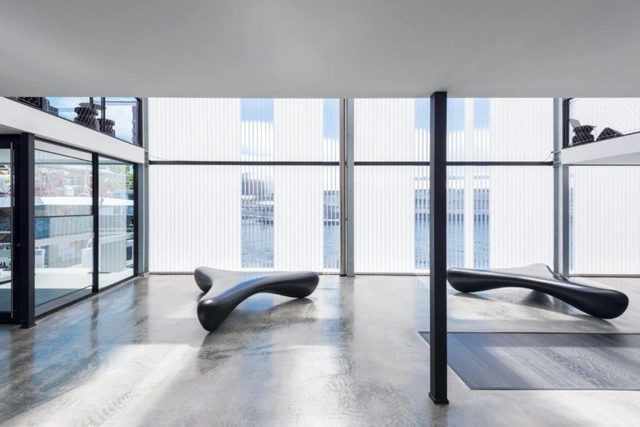
Brooke Street Pier / Cinca Morris Nunn. Image Courtesy of Danpal
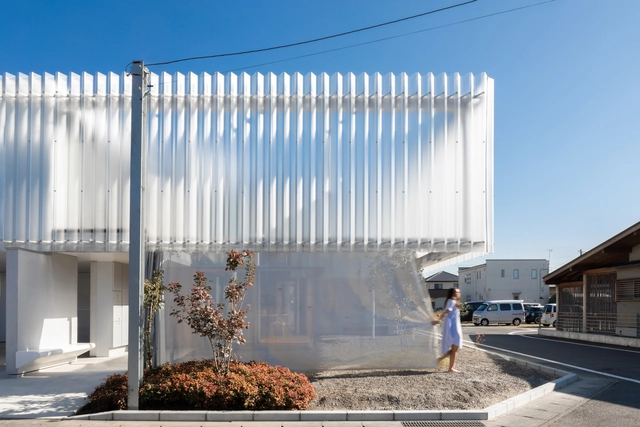
In architecture, the concept of daylighting refers to when buildings allow natural light inside to provide a number of benefits, from enhanced visual comfort and productivity, to improved health and higher energy savings. However, to reach optimum levels of sunlight, reaching a balance is key; while too much can produce an uncomfortable glare and tremendous amounts of heat, too little can lead to health deficiencies and a greater dependency on artificial lighting. In that sense, the qualities of polycarbonate panels are unmatched, becoming an attractive choice for facades and roofs by achieving a soft, diffused light with varying levels of transparency, brightness and opacity.
The total energy demand from buildings has risen dramatically in recent years. Driven by improved access in developing countries, greater ownership of energy-consuming devices and increasing urban densities, today it accounts for over one-third of global energy consumption and nearly 15% of direct CO2 emissions. As the climate crisis aggravates and its consequences are more visible than ever, the architecture and construction industry must respond accordingly. It must take responsibility for its environmental impact and give priority to reducing energy consumption, whether through design decisions, construction techniques or innovative products. The key lies, however, in not sacrificing aesthetics and comfort in the process.
Façades don't always have to be opaque. Whereas in the past the only options were heavy and raw–such as stone and brick–in recent years façades have adopted an increasingly lighter appearance, with innovative materials becoming the protagonists. These give the building a different look, delicate and transparent, while still maintaining privacy and thermal comfort. Examples of these include polycarbonate, translucent sheets, perforated tiles, glass and even metal chain links, which was the chosen material for a building in Montpellier, France.
Like a beautiful painting, windows showcase interiors and frame landscapes that connect users to the outside world, directing our eyes to what really matters. But besides framing views and facilitating visual communication, windows serve multiple essential functions that make them vital components in any project. They illuminate homes with sunrays, provide natural ventilation, filter light, insulate from cold and heat, block water and ensure protection. As most design professionals would agree, glazing also plays a crucial aesthetic role; its materials, style and dimensions certainly make a significant difference in the appearance of facades and spaces.
Metal façades give buildings an air of sophistication and modernity. They also bring a cleanness to the façade, due to their precise fabrication and well-resolved connections between other materials and building elements. There are currently multiple product options available for coatings, offering extensive colour options, including metallics, with different levels of durability (natural aging and corrosion). One of the main issues when approaching metal façades is the risk of corrosion, which can create points of weakness in the material and interfere with the aesthetics of the building. So, with this in mind, what do architects need to focus on to ensure that building envelopes age gracefully, while maintaining aesthetics and performance over time?
Whether blending in or standing out, embodying transparency or solidity, expressing coarseness or softness, a façade is the medium through which we engage with architecture. It tells a story and can often set the tone for the rest of the interior. But apart from defining a purely visual experience, a building’s envelope must also be practical, durable and have the ability to properly manage natural lighting and ventilation needs. After all, by being the point of contact with the outside, it is responsible for mitigating sounds and providing protection from climatic conditions, such as wind, rain, heat and humidity. Therefore, when designing a facade, it is important to consider a balance between performance and a beautiful aesthetic. Of course, many materials successfully meet these criteria. But when it comes to creating a comforting, light-filled ambiance while ensuring resistance, ease of installation and versatility, the properties of translucent polycarbonate panels seem to be unparalleled.
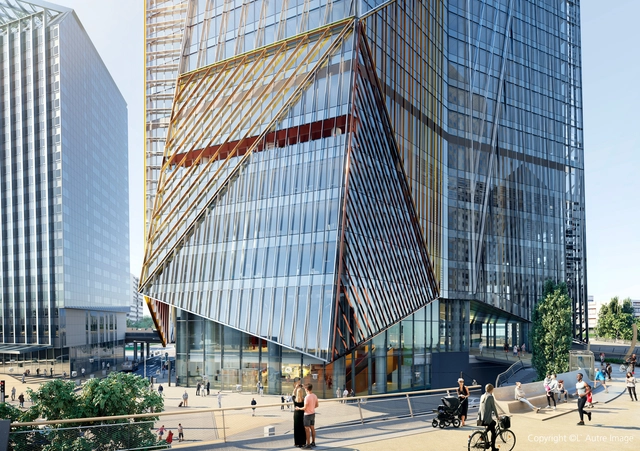
Overtaking the Tour Firstskyscraper, the 48-story, 220-meter HEKLA Tower will be the tallest building in Paris’s La Défense business district, as well as the second tallest building in all of France. Currently under construction and designed by Pritzker prize-winning Jean Nouvel, it is set to become a powerful architectural statement. Due to complete this 2022 in the midst of the sector’s redevelopment program, the futuristic skyscraper spreads over 76,000 sqm of floor area distributed in offices, services, lobbies, an amphitheater, projection rooms, performance halls, restaurants, bars, gyms and loggias. All of this with the aim of providing a unique user experience with vast, flexible workspaces that promote interaction and well-being.
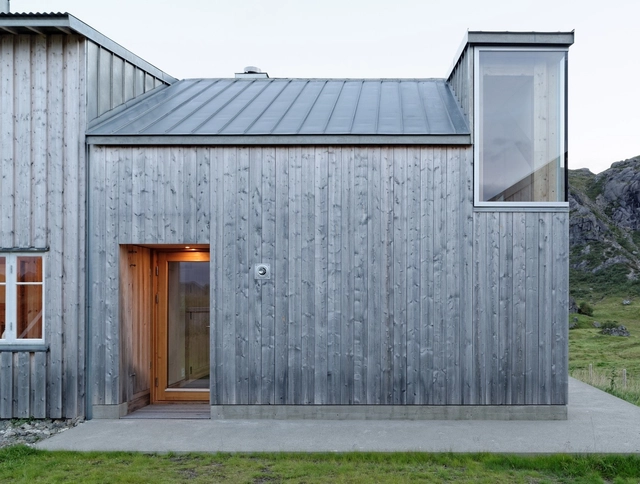
Summer House Gravråk / Carl-Viggo Hølmebakk. Image Cortesia de Carl-Viggo Hølmebakk
The moment a tree is cut down and its biological processes are interrupted, it can be said that the deterioration process of wood also begins. Steps such as the correct cutting of the trunk, drying and storage or the precise specification of the best species for each use will determine its durability. Composed basically of cellulose, hemicellulose and lignin, each wood species has a certain natural durability, also influenced by the environmental conditions of where it is inserted, such as temperature, humidity, oxygen content, and the microorganisms and insects present there. Generally, surface treatments are used to increase the protection of different parts, such as varnishes, oils and other chemical processes. But there are situations in which untreated wood can be used outdoors, achieving a gray and sober aesthetic that blends into the exterior and brings personality to the building.