A room of audience erupts into a fit of giggles as a comical tramp with a short mustache, wearing a suit and tall hat slips on a banana peel. The couple embrace as the man makes her stand on the railing of the ship, grabs her arms and extends them out. "I'm flying" she says, as people swoon in unison over their romantic harmony and impending tragedy.
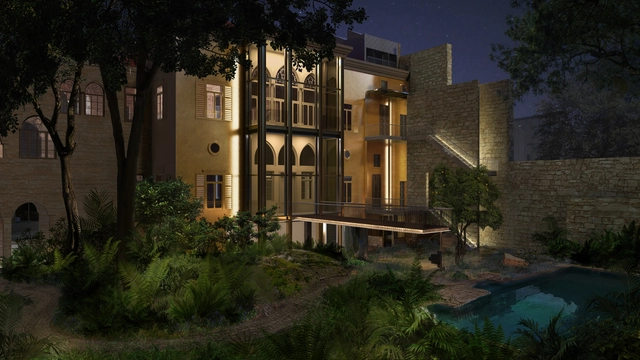
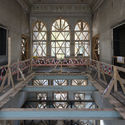
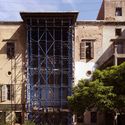
AKK Architects, an architecture practice founded by architect Annabel Karim Kassar, with offices in Beirut, Dubai, and London, is transforming a historical 19th-century Lebanese home into a contemporary family home. Bayt K was shortlisted for the WAF future projects awards under House category.
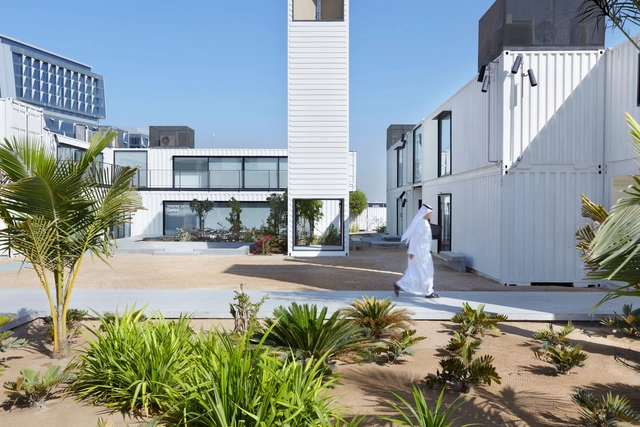
OMA / Iyad Alsaka have unveiled their design for a major educational masterplan in Dubai. Designed for the Government of Dubai Knowledge Fund, on a site located in the centre of Dubai International Academic City (DIAC), the scheme aims to be the world’s largest free zone dedicated to higher education.
https://www.archdaily.com/928700/oma-unveil-major-education-masterplan-in-dubaiNiall Patrick Walsh
Presented to projects that anticipate and address future challenges, the WAFX Award celebrates the “most forward-looking architectural concepts”. X-Space, an urban fabric regeneration project in Dubai, winner of the Smart Cities Category was selected to take on the overall WAFX 2019 prize.
Courtesy of CRA-Carlo Ratti Associati and Italo Rota Building Office, with matteogatto&associati and F&M Ingegneria
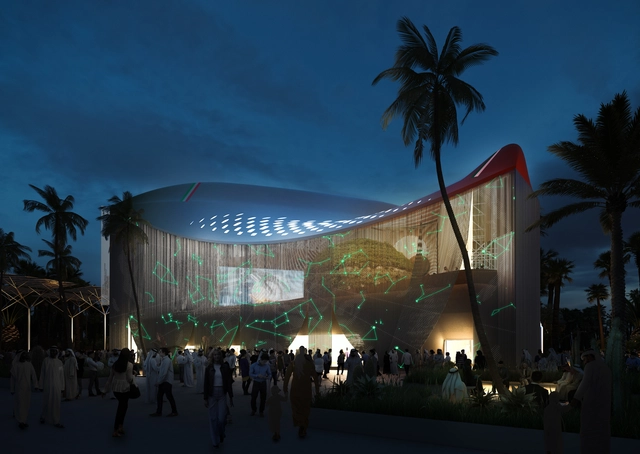
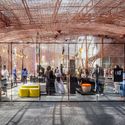
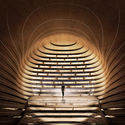
Italy has just unveiled its national pavilion, conceived by CRA-Carlo Ratti Associati, Italo Rota Building Office, matteogatto&associati and F&M Ingegneria. In collaboration with the Italian Ministry of Foreign Affairs and the U.A.E, the project is a metaphor for the journey from Italy to Dubai.
Expo Dubai 2020 will showcase new levels of accessibility, ensuring that the topic is thought through at the very first stages of design and that the approach is anchored in the project and the program. With the help of the UK based company Direct Access consultancy, specialized in the incorporation of accessibility into building designs, the expo will try to put in place solutions for regularly faced issues.
X Space. Image Courtesy of Mouaz Abouzaid and Dima Faraj
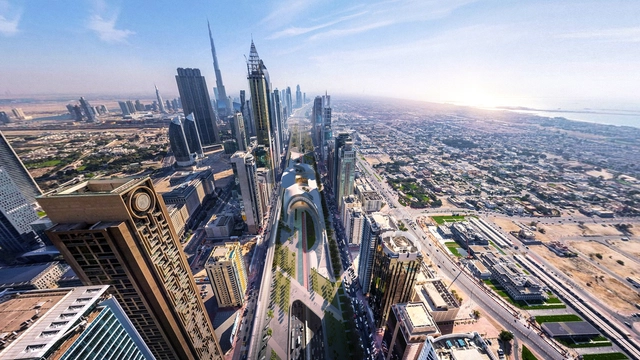
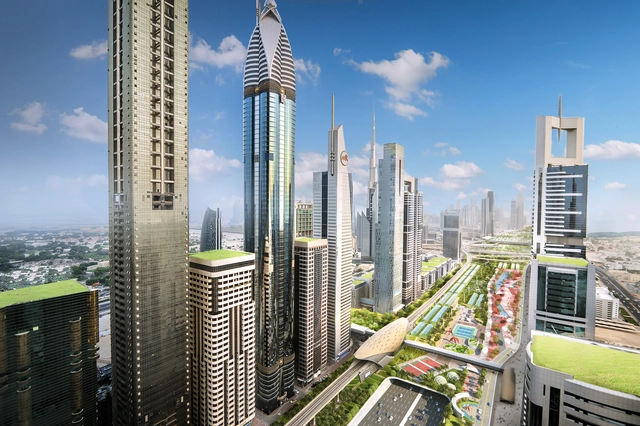
Architects Mouaz Abouzaid and Dima Faraj has designed an urban regeneration project and greenway for Dubai. Dubbed X-Space, the project aims to stitch together the city across Sheikh Zayed Road, the main highway that runs through the United Arab Emirates. Inspired by desert dunes and the movement of sand sweeping across paved roads, the proposal includes one kilometer of new public spaces and green areas to give urban space back to the city and its people.
Dubai Super Park. Image Courtesy of Machou Architects Group
Toronto & Dubai based Machou Architects Group, founded by Nedal Machou, has designed the world's longest urban agriculture park for Dubai. Designed to transform the city's most vital highway into an eco-valley, the project has been developed in response to the lack of functional public spaces and sustainable outdoor spaces. Reimagining Sheikh Zayed Road, the project centers on Dubai's main transportation artery and its primary link to other cities.
Emaar Development is hosting an International Open Design competition for the Design of The Landmark at the heart of the ambitious new world-class mixed-use waterfront development Dubai Creek Harbour. The Development is a 5.6 Million sqm site and is expected to have 48,500 residential units with a population of 175,000 residents, when completed.
Applications are now open for Dubai Design Week in the United Arab Emirates. Applicants are encouraged to submit ideas and proposals to host an event, showcase a product or stage a creative project during the region’s largest creative festival. Much of Dubai Design Week’s program is made up of partner events and activities, held both at Dubai Design District and at locations across the city and the UAE.
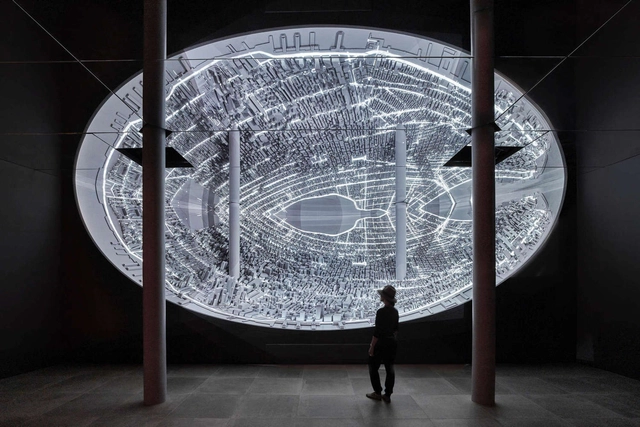
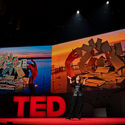
Artist and designer Es Devlin recently joined TED2019 to explore her iconic stage sculptures and upcoming work for Expo 2020 Dubai. Creating works for Beyoncé, Adele, Kanye West, U2 and more, Devlin is known for creating large-scale performative sculptures and environments that fuse music, language and light. Her TED Talk highlights a visual journey of Devlin's work to illustrate her incredible creative process.
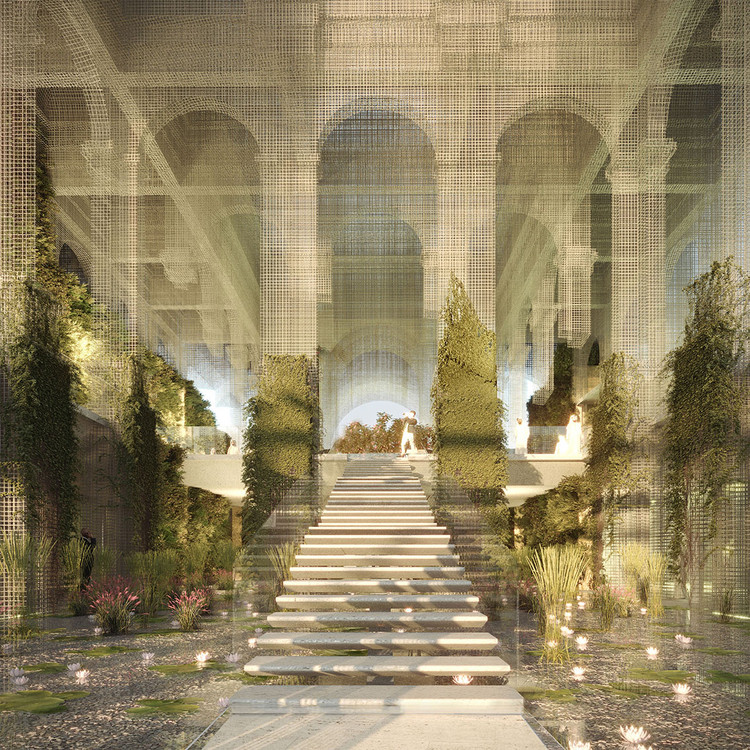
Responding to the theme of Expo 2020 Dubai, “Beauty Unites People,” a team led by Dodi Moss imagined a multi-layered architectural experience evoking Italy’s history and identity. The design pulls apart the pieces that make up architectural space, separating the building into its structural volume and its tactile, material components. The proposal won third place in Invitalia’s competition to design the Italian Pavilion at the Expo, behind carlorattiassociati and Gianluca Peluffa & Partners.
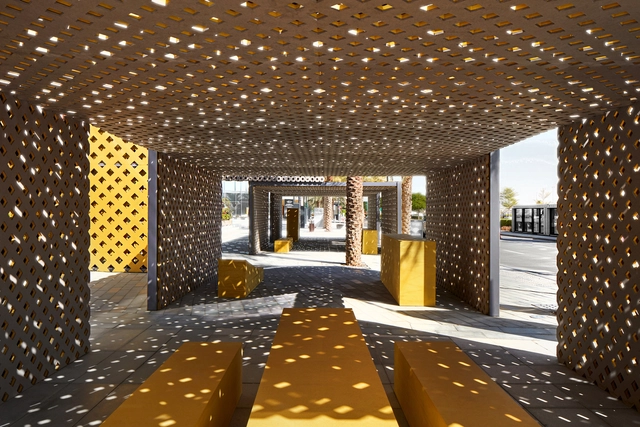






_OMA.jpg?1574164282)


_3657.jpg?1573736247&format=webp&width=640&height=580)
_4517.jpg?1573736349 "© Laurian Ghinitoiu")
_3302.jpg?1573736175 "© Laurian Ghinitoiu")
_3960.jpg?1573736300 "© Laurian Ghinitoiu")
_3917.jpg?1573736267 "© Laurian Ghinitoiu")
_3657.jpg?1573736247)