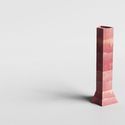
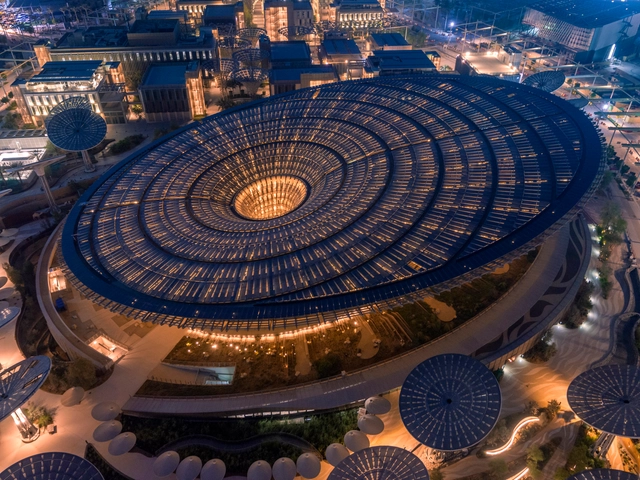
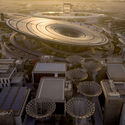
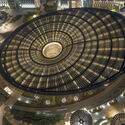
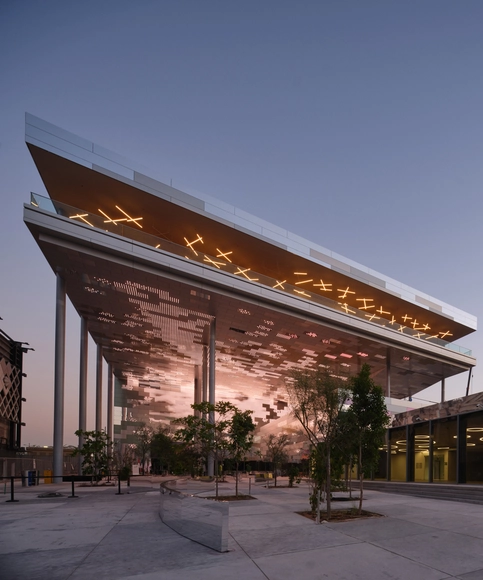
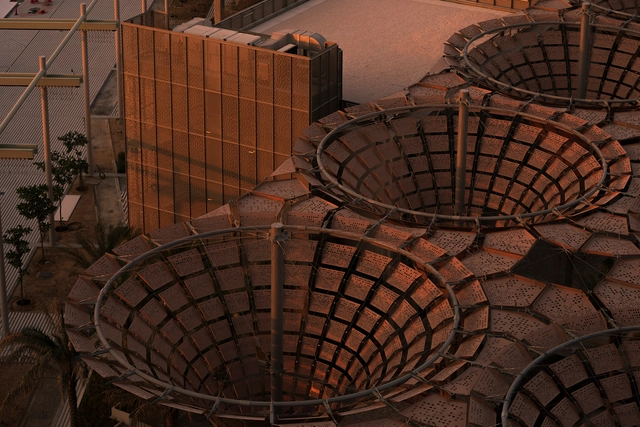
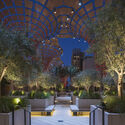
Expo 2020 Dubai's Sustainability Pavilion designed by Grimshaw Architects expresses the ethos of addressing the impact of human activities on the environment, acting as a catalyst for collective action. With sustainability as one of the three core themes of the Expo, the pavilion named Terra will become a platform for highlighting the urgency of the issue, sharing knowledge and exploring ideas while also providing visitors with n immersive experience. As one of the legacy buildings, the project is set to become a Science Centre after the event and aims to operate as an autonomous construction in terms of energy and water supply.
Time magazine has released the World’s Greatest Places Of 2021, selecting 100 destinations from around the globe. With revitalized riverfronts, affordable artistic incubators, and superlative city-states, the list is a tribute to the built and natural environment that found a way “to adapt, build and innovate”, amidst the challenges of the past year.
Encompassing the world’s longest pedestrian suspension bridge, London’s Design District, new repurposed spaces in Helsinki, Historic gems in South Korea, and Hanoi’s renewed life in the old quarter, the World’s Greatest Places Of 2021 has a considerable selection of architectural destinations.
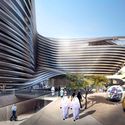
Designed by Foster + Partners, Alif-The Mobility Pavilion at the Expo 2020 Dubai blurs the boundaries between the physical and digital world, and invites visitors to meet the historical icons of mobility, whose innovations helped pave the way for our modern-day technology. The pavilion features the world’s largest passenger lift, which will be able to transport 160+ people at a time, and a semi-underground-semi-open-air 330-meter track which allows visitors to see cutting-edge mobility devices in action.
France Pavilion. Image Courtesy of Expo Dubai 2020
With 3 months to go until the opening of Expo 2020 Dubai, on October 1st, the organizing committee has released updated images highlighting ready and completed pavilions. With officially 191 participating nations, the expo is seeking to “explore the power of connections in shaping our world”. Showcasing architecture, culture, and inspiring innovations, the world expo has been, for the past 170 years, the leading platform to introduce great inventions and architectural revolutions, most of which shaped the world we live in today.
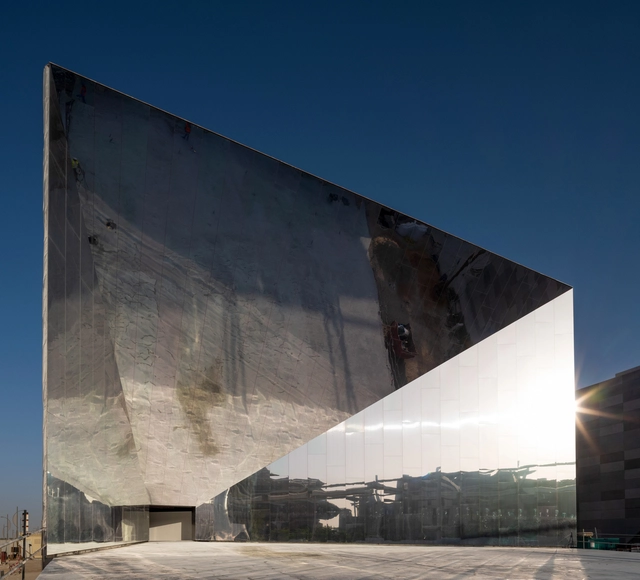
Titled "Reflections", the Swiss Pavilion at the 2020 Dubai Expo showcases Switzerland's unique duality of scenic landscapes and technology, as part of the Opportunity district of the expo. Designed by OOS Architekten, along with Bellprat Partner for the scenography, and Lorenz Eugster for the landscape, the creative team behind Reflections created a bold architectural statement with the pavilion's facade and immersed visitors in an exploration of Switzerland's scenic landscapes and state-of-the-art innovations.
The world of travelling is a multifaceted one. There are the everyday trips one takes for work or school, commuting to a set location during the week, usually within the confines of a city. There are the longer trips too, the trips which usually involve getting into an aeroplane to visit someplace a bit farther from where the traveller usually resides. These trips are frequently done for business purposes, but for those who have the means to afford it, these trips are undertaken for learning and leisure – where the traveller can be defined as a “tourist”.
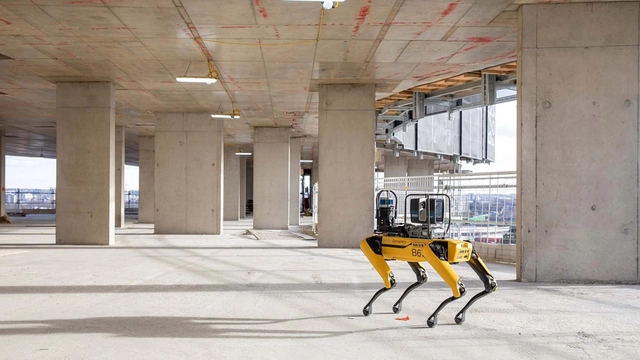
For several years, the construction sector has been facing a labour shortage, generating a growing interest in automation. The health crisis has only exacerbated the trend, prompting automation companies to turn their focus from car manufacturing to the construction industry, for which automation is expected to grow up to 30% within the next few years. The following explores present capabilities and future possibilities of automation within the construction process, its integration within the mainstream practice and the impact on design.
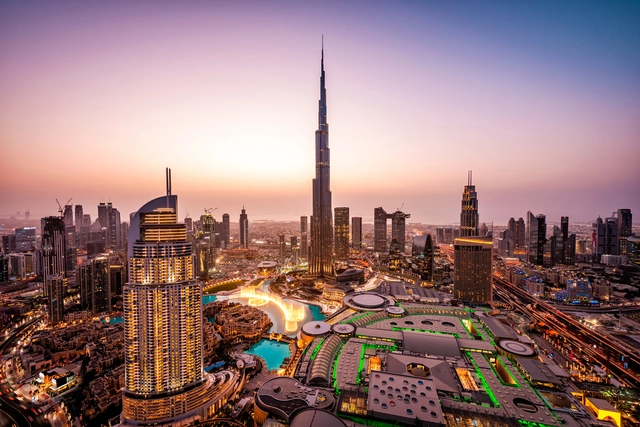
The Dubai Crown Prince has issued a Resolution to form a Supreme Committee for the Urban Planning of Dubai. The decision aims to regulate, ensure, and implement all the required deliverables of the Dubai 2040 Urban Master Plan, to make Dubai the "best city in the world to live in". The urban planning sector will overlook all major infrastructure and urban projects, as well as focus on addressing matters of housing and regulations of the real estate sector to improve the wellbeing of the city's residents.
With less than half a year to go until the opening, Expo 2020 Dubai released a series of images of the venues hosting the event, which intends to bring together 192 national pavilions, as well as businesses and educational institutions. As the program was delayed for a year due to the coronavirus pandemic, the world expo site is mainly complete, awaiting its opening on October 1st.
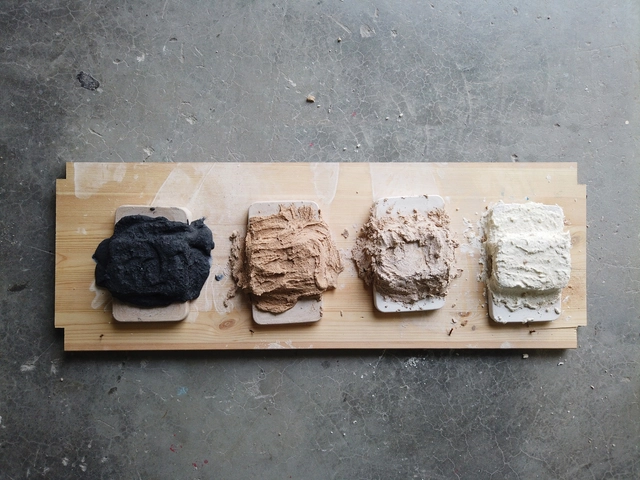
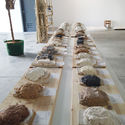
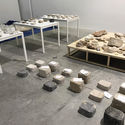
Wael Al Awar and Kenichi Teramoto, both principals of Dubai-based Waiwai design, have been appointed as the curators for the National Pavilion of the UAE at the 2021 Venice Biennale. Entitled Wetland, the exhibition presents an experimental solution to the critical environmental impact of the construction industry. The intervention will present a large-scale prototype structure created from an innovative, environmentally friendly cement made of recycled industrial waste brine. The exhibitionwill open to the public at the 17th International Architecture Exhibition of the Venice Biennale from Saturday, May 22nd to Sunday, November 21st, 2021.
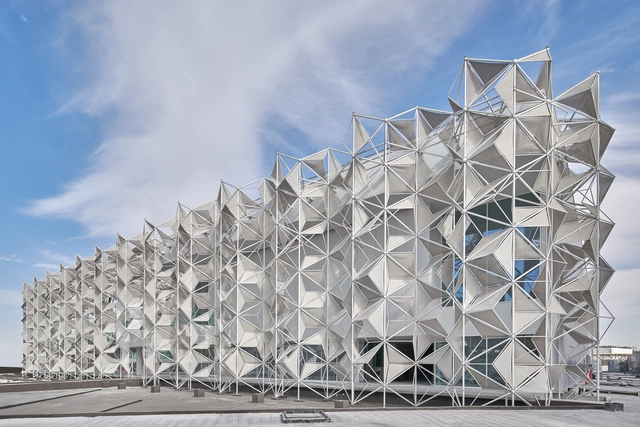
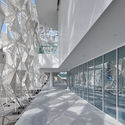
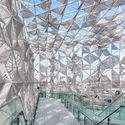
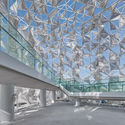
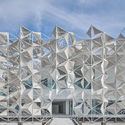
Centred around the theme of connection, Japan's Pavilion for Expo 2020 Dubai unfolds a geometrical 3D lattice inspired by the commonalities of traditional Japanese and Arabic patterns. Designed by Yuko Nagayama and Associates, the project uncovers through different architectural means the cultural similarities between Japan and the Middle East.
Extreme weather and conditions call for contextual architectural approaches. From sandy deserts to cold, icy climates, how we build is intimately tied to location. Drawing from diverse project sites around the world, architects and designers create proposals that construct and organize new ways to live, work and play. These unbuilt projects rethink traditional forms while addressing a wide range of landscape conditions.
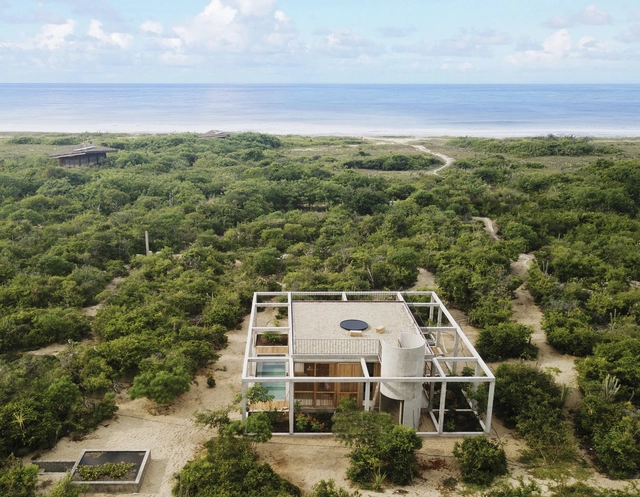
This week’s curated selection of the Best Unbuilt Architecture focuses on diverse typologies in hot and cold climates around the world. Drawn from an array of firms and local contexts, they represent proposals submitted by the ArchDaily Community. They explore everything from generative design through a desert shelter in Siwa and a cave dwelling in China to a coastal development in Spain and a series of igloo habitats for penguins in Antarctica.
Scale dramatically shapes how we experience architecture and the built environment. Whether looking at buildings by volume, square area or height, the larger a project gets, the greater our perception changes. Monumental projects tell incredible stories of spatial experience, programming and design. Towering above us and around us, these large-scale works become landmarks in rural and urban contexts.
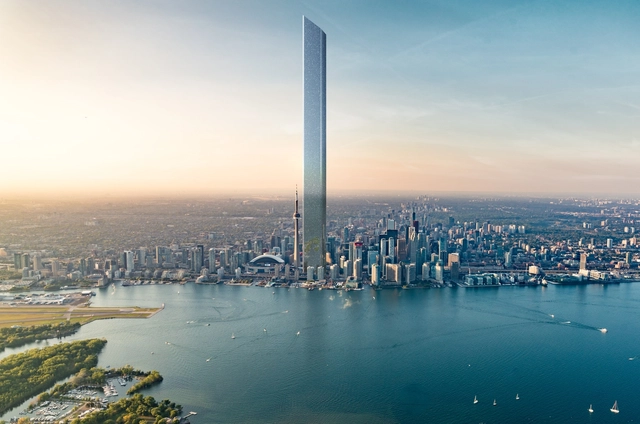
This week’s curated selection of the Best Unbuilt Architecture focuses on large-scale architecture located around the world. Drawn from an array of firms and local contexts, they represent proposals submitted by our readers. They showcase a wide array of approaches to designing at larger and larger scales, from an expansive arena in Vienna and a lush memorial in Singapore to the world's tallest tower designed to draw attention to poverty in Toronto.
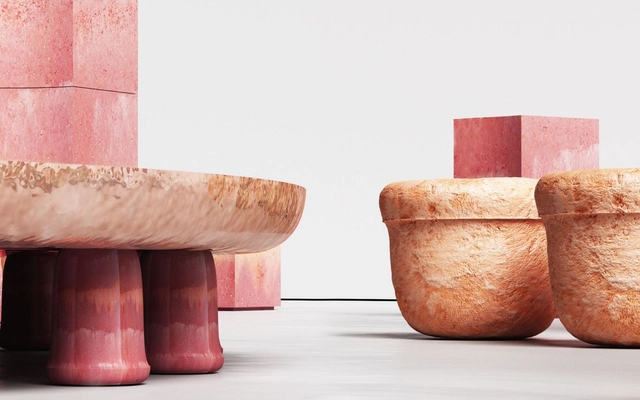
Dubai Design Week has announced the winning design for the 2020 Abwab Pavilion. This year’s commission has been awarded to Iraqi designer Hozan Zangana for his proposal Fata Morgana which features a series of seating components and seven pillars that symbolize each of the Emirates. The Design Week theme centers on redefining and reimagining the way we live and interact with public spaces under new realities.






.jpg?1627371901&format=webp&width=640&height=580)
.jpg?1627371901 "© Expo 2020 Dubai")

.jpg?1627371901)

















.jpg?1612411982 "Courtesy of Sajjad Navidi")