
-
Architects: TheArsenale
- Area: 800 m²
- Year: 2023

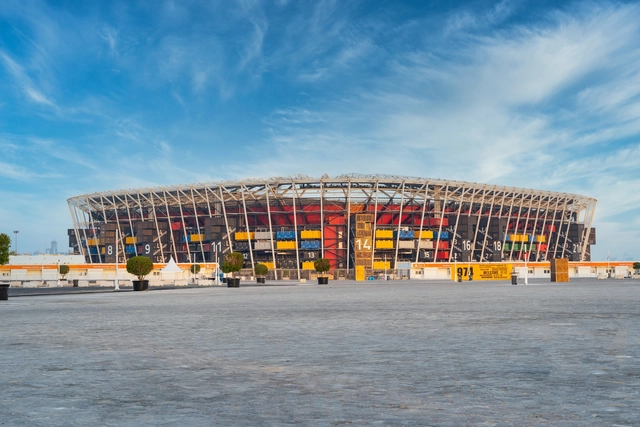
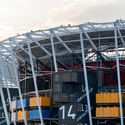
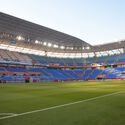
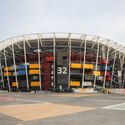
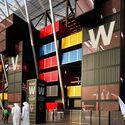
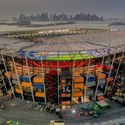
Reports show that authorities have begun dismantling Stadium 974 after it hosted seven matches during FIFA World Cup, with six group games and one Round of 16 knockout matches. It was also the only stadium built for the World Cup without air conditioning, so it only hosted evening matches. According to the BBC, construction workers moved on the site on 9 December to “take the stadium out of tournament mode.” The structure was designed to be the first FIFA-compliant stadium that can be fully dismantled and re-purposed after the tournament ends. While Qatar called this a “beacon of sustainability,” experts warn that the real sustainability of the scheme depends on several factors, including when and where the stadium will be reused.
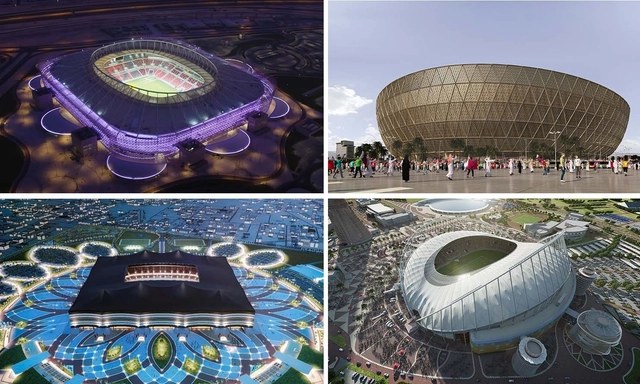
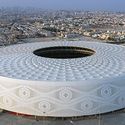
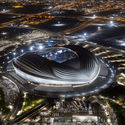
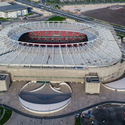
After years of preparation, the 2022 World Cup, one of the most anticipated global events of this year, was finally launched. The quadrennial international men's football championship is being held for the first time in an Arab country, Qatar, from the 21st of November to the 18th of December 2022. Ever since FIFA announced that Qatar will host the 2022 World Cup back in 2010, preparations for a total of 8 stadiums have been in full force, especially since it will be held in a country with critical climate conditions.
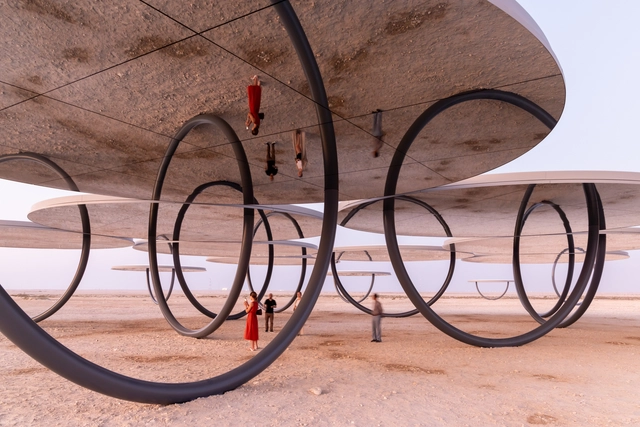
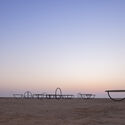
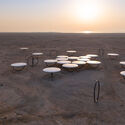
The internationally recognized artist Olafur Eliasson has inaugurated his most recent public art installation in Doha, Qatar. The installation, titled “Shadows Travelling on the Sea of the Day”, can be reached by diving through the rugged desert landscape northwards from Doha, past Fort Zubarah, and the village of Ain Mohammed. The artwork is visible from afar, but it is best experienced when approached on foot. Its hospitable shadows reward the journey.

OMA / Reinier de Graaf and Squint/Opera have released a new video of the "Al Daayan Health District", a low-rise hospital prototype which responds to the medical field's rapid change through the potential of modularity, prefabrication, and automation. The project features prefabricated modular units, local farms for food and medicine, and high-tech facilities across gardens and water features.
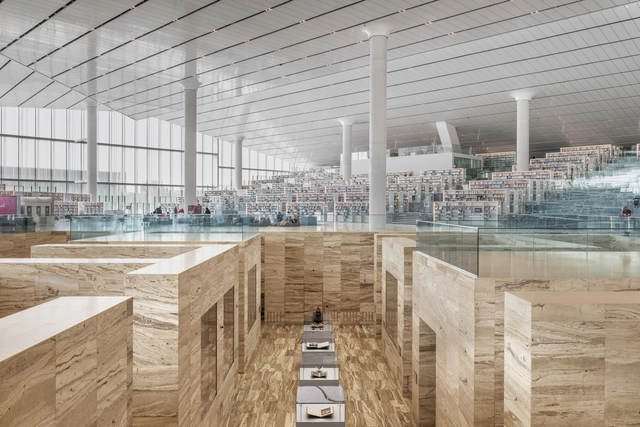
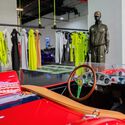
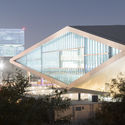
Following Qatar's ambitious museum-building project to further promote cultural institutes in the country, Her Excellency Sheikha Al Mayassa bint Hamad bin Khalifa Al Thani, Chairperson of Qatar Museums has announced that OMA, Herzog & de Meuron, and ELEMENTAL will be designing three new museums in Doha that explore the themes of Islamic art, contemporary art, and evolution of the automobile industry respectively.


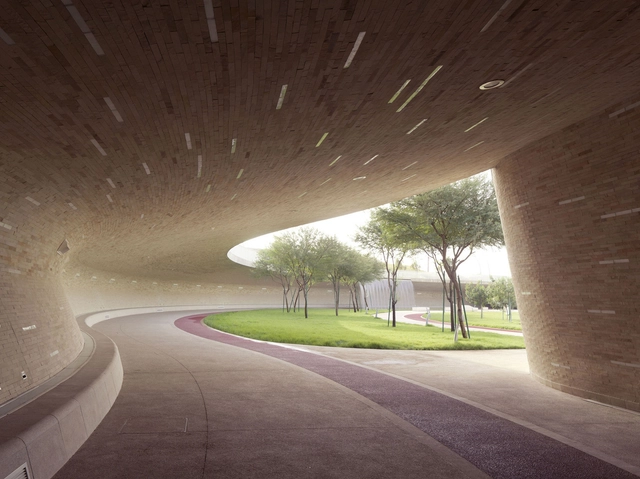
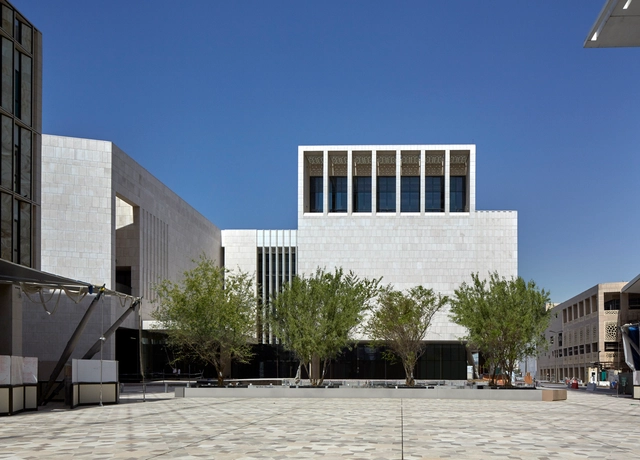
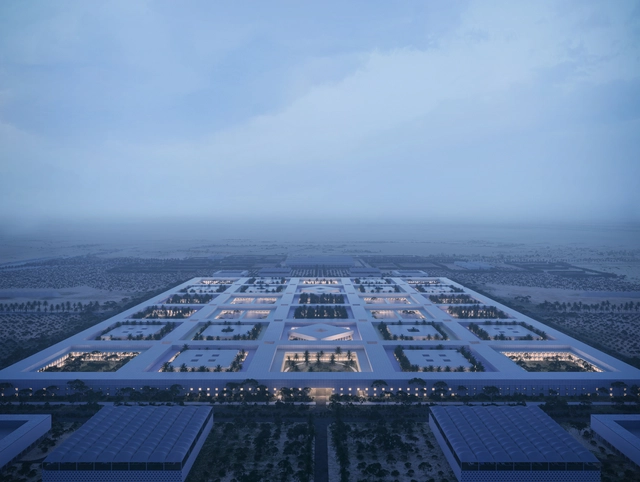
OMA / Reinier de Graaf and Buro Happold have unveiled their design for the Al Daayan Health District in Doha, Qatar. The project explores the "potential of modularity, prefabrication, and automation in relation to the rapid changes in medical science" on a 1.3 million-sqm plot with low cost, cross-shaped modular units that are prefabricated on site. In addition to the prefabrication of the units, a local high-tech farm will supply food and medical plants for medicine production, and a solar farm will allow the district to function autonomously.

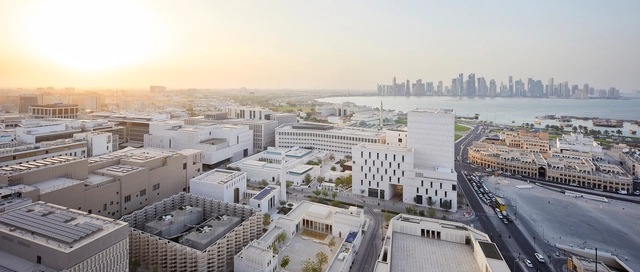
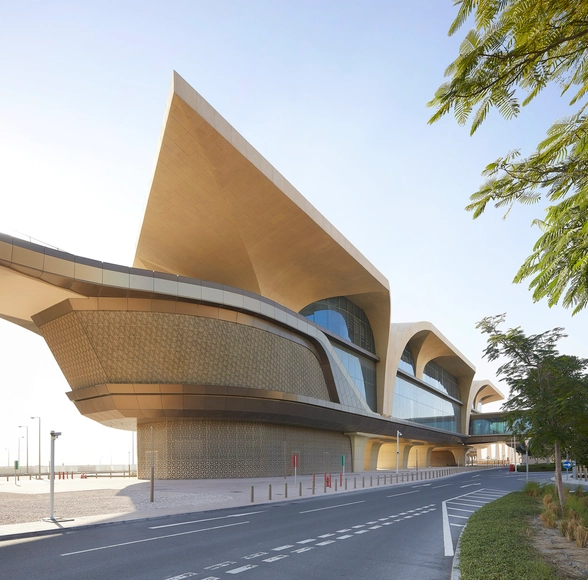
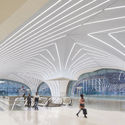
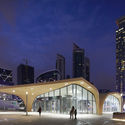
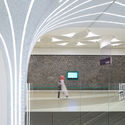
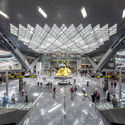
UNStudio has unveiled images of the first finished stations on the new Doha Metro Network, one of the most advanced and fastest driverless systems in the world. Phase one of the Qatar Integrated Railway Project (QIRP), involved the construction of three metro lines (Red, Green, and Gold), with 37 stations currently having been completed.
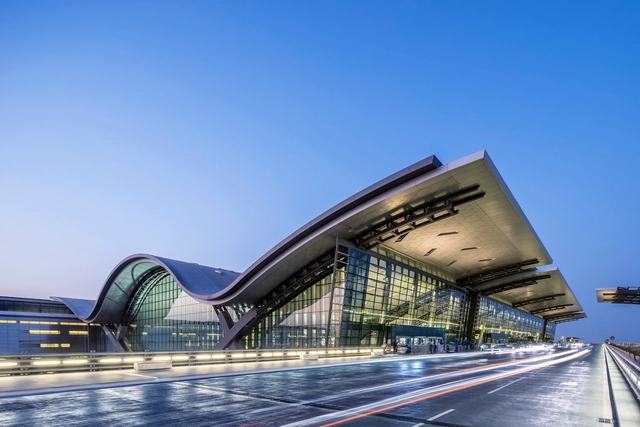
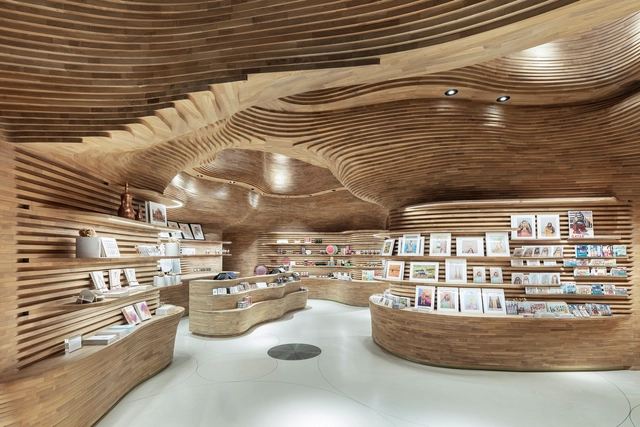
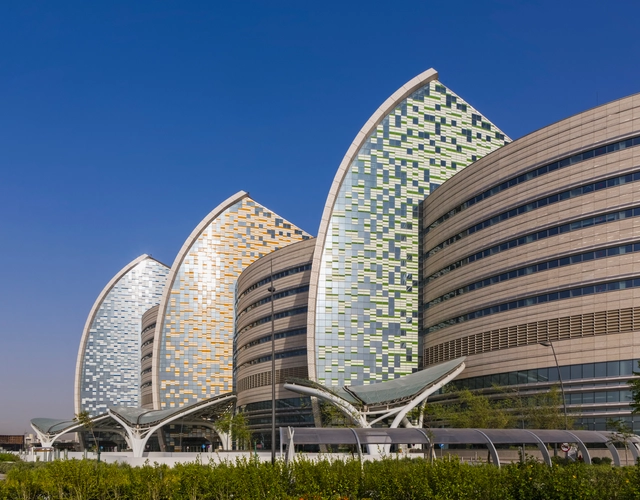
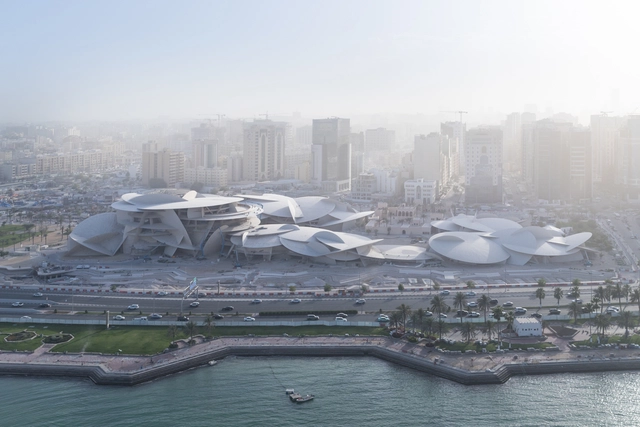
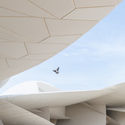
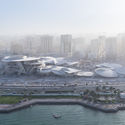
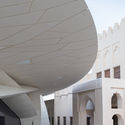
The Jean Nouvel-designed National Museum of Qatar has opened to the public in Doha. The architectural concept for the scheme has been inspired by the desert rose, and seeks to create a dialogue between the fluid, contemporary architectural form of the museum, and the historic objects it will contain. As quoted in a recent press release by Qatar Museums, the scheme will “give a voice to Qatar’s heritage whilst celebrating its future.” The museum opened to a lavish ceremony attended by architect Nouvel, and celebrities such as Victoria Beckham and Johnny Depp.