

-
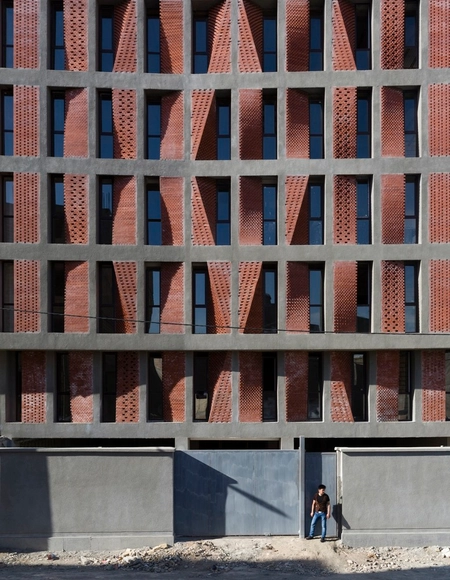
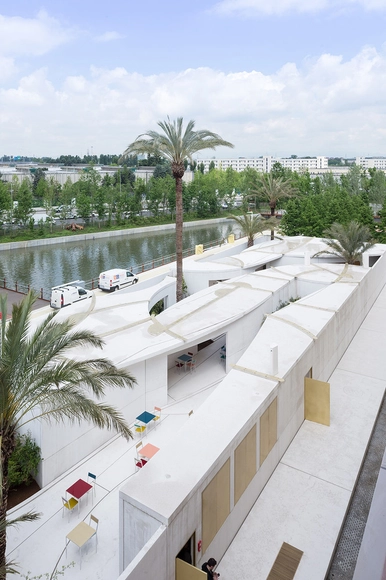
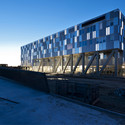
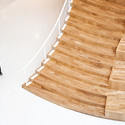
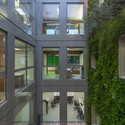
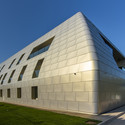
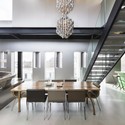
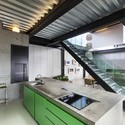
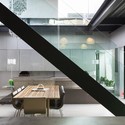
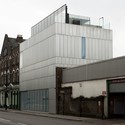
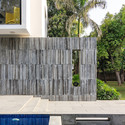
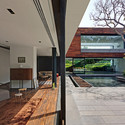
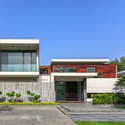
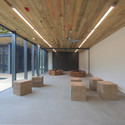
Architects: CAAT Studio
- Area: 1660 m²
- Year: 2015

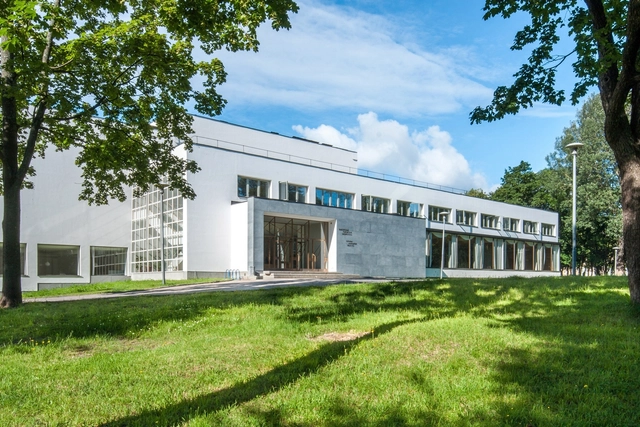
Despite being one of the seminal works of modern Scandinavian architecture, Alvar Aalto’s Viipuri Library languished in relative obscurity for three-quarters of a century until its media breakthrough in late 2014. Its receipt of the World Monuments Fund/Knoll Modernism Prize for a recent renovation was covered by news outlets around the world, bringing the 1935 building previously unseen levels of attention and scrutiny.
This renaissance is nothing less than extraordinary. Abandoned for over a decade and allowed to fall into complete disrepair, the building was once so forgotten that many believed it had actually been demolished. [1] For decades, architects studied Aalto’s project only in drawings and prewar black-and-white photographs, not knowing whether the original was still standing, and if it was, how it was being used. Its transformation from modern icon to deserted relic to architectural classic is a tale of political intrigue, warfare, and the perseverance of a dedicated few who saved the building from ruin.
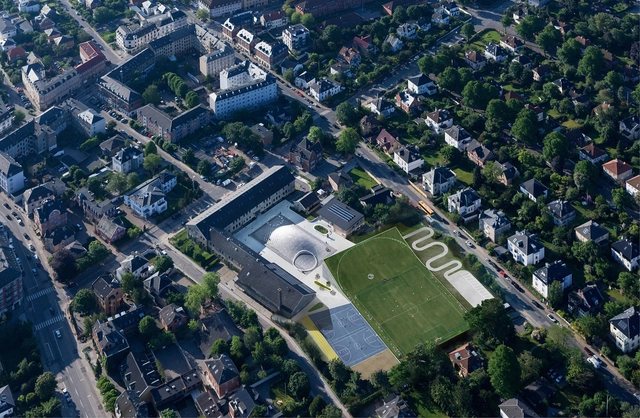

Diller Scofidio + Renfro has released the first images of their design for the US Olympic Museum in Colorado Springs, close to the United States Olympic Committee headquarters. The firm was selected last October, collaborating with Denver practice Anderson Mason Dale Architects to design the $60 million museum which will host a hall of fame, a theater, and a 20,000-square-foot exhibit hall and retail space to showcase the history of the Olympic and Paralympic games.
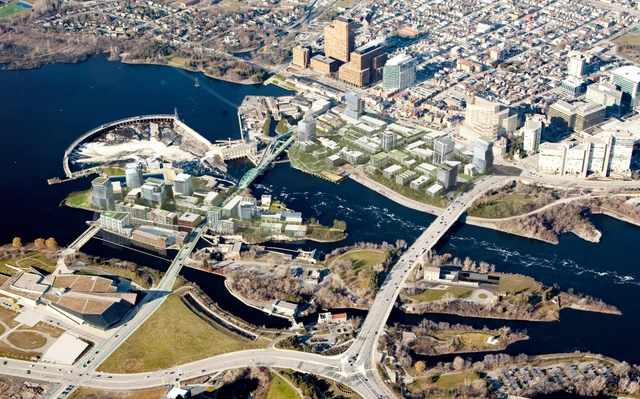
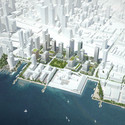
Urban waterfronts have historically been the center of activity for many cities. They began as economic, transportation and manufacturing hubs, but as most industries changed their shipping patterns and consolidated port facilities, many industrial waterfronts became obsolete. In Europe, smaller historic ports were easily converted to be reused for leisure activities. However, in North America, where the ports were larger, it was more difficult to convert the waterfronts due to logistical and contamination issues.
Over the past 40 years or so, architects and urban planners have started to recognize the redevelopment potential for waterfronts across the United States and Canada, and the impact they can have on the financial and social success of cities. Though cold-climate cities pose a unique challenge for waterfront development, with effective planning waterfront cities with freezing winter months can still take advantage of the spaces year-round.

.jpg?1431618550&format=webp&width=640&height=580)
Zaha Hadid Architects have unveiled their first project in Mexico, a residential development in Monterrey. The country's third-largest city, Monterrey is a rapidly growing and increasingly important manufacturing and technology center. The project, named "Esfera City Center," is located to the southeast of Monterrey in the Huajuco Canyon, where it will provide crucial homes in a rapidly expanding part of the city.
Consisting of 981 units from single-person lofts to four-bedroom apartments totaling 137,000 square meters, the design rejects the original brief from the client which called for 12 residential towers, instead opting for a series of long, low-rise blocks which surround a public park, bringing a community focus to the design.
More images and information about the Esfera City Center project after the break.









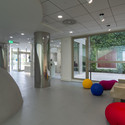


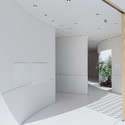
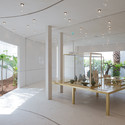



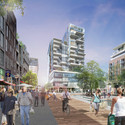
.jpg?1431654800 "Lower Yonge project in Toronto. Image © Chris Foyd courtesy of Perkins+Will")








.jpg?1431618477 "© Zaha Hadid Architects")
.jpg?1431618452 "© Zaha Hadid Architects")
.jpg?1431618575 "© Zaha Hadid Architects")
.jpg?1431618529 "© Zaha Hadid Architects")
.jpg?1431618550)