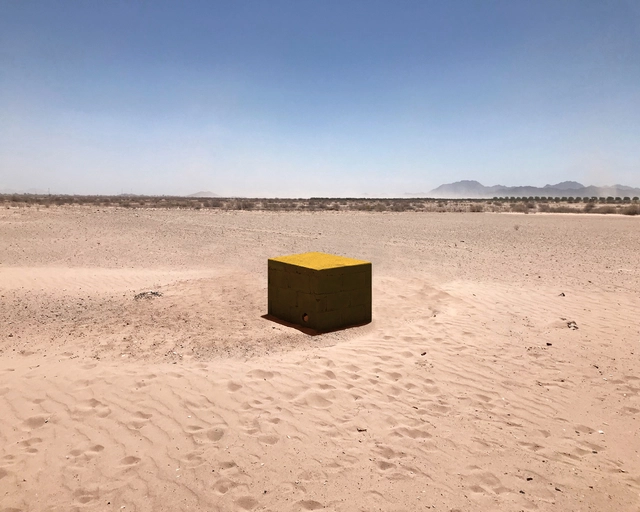
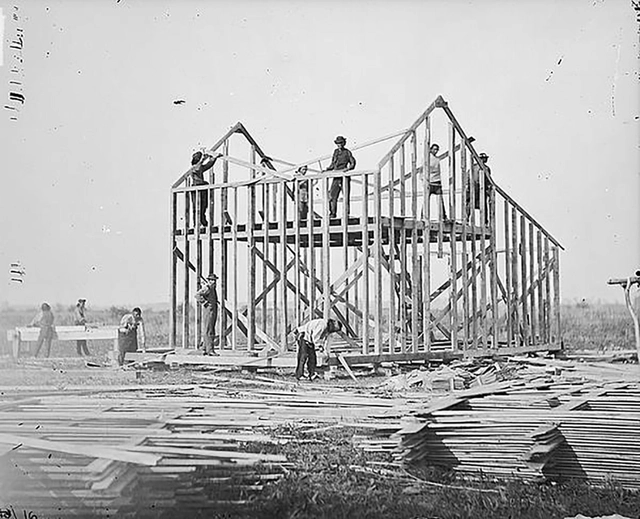
Titled "American Framing", the United States pavilion at the 17th International Architecture Exhibition – La Biennale di Venezia, will explore the omnipresence and creative power of wood-framed construction in American architecture, an overlooked structural element. Curated by Paul Andersen and Paul Preissner, the exhibition will be on display at the Giardini della Biennale from May 22 through November 21, 2021.
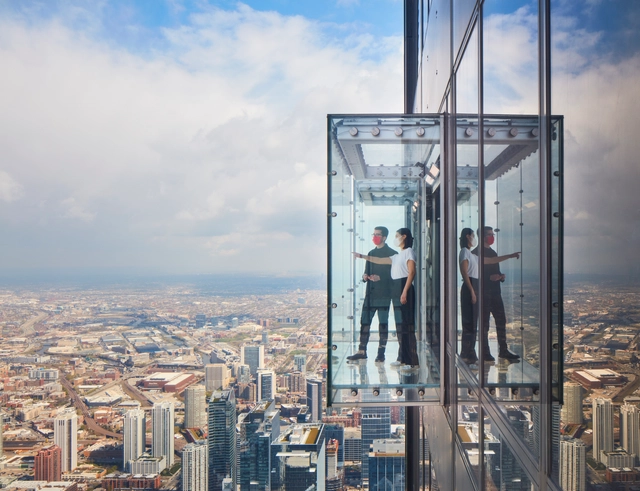
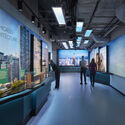
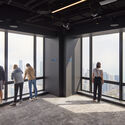
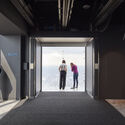
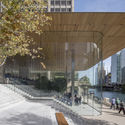
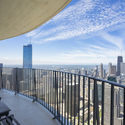
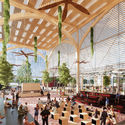
After an extensive renovation, Skidmore, Owings & Merrill (SOM) completes the transformation of the Willis Tower observation deck and inaugurates a new interactive exhibition showcasing how architecture shaped Chicago’s identity through the city’s history. Now reopened to the public, the Skydeck is part of SOM’s ongoing design stewardship of Willis Tower, which started with the building’s conception and continued in 2009 with the addition of the Ledge.
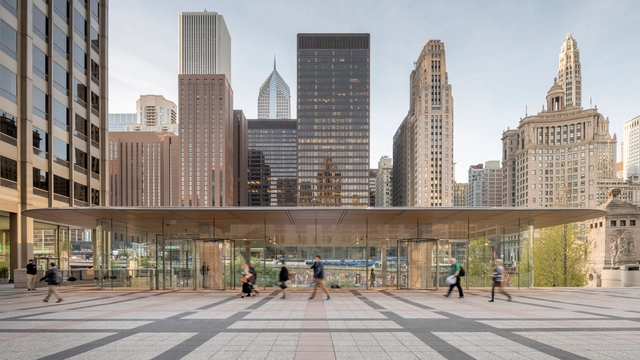
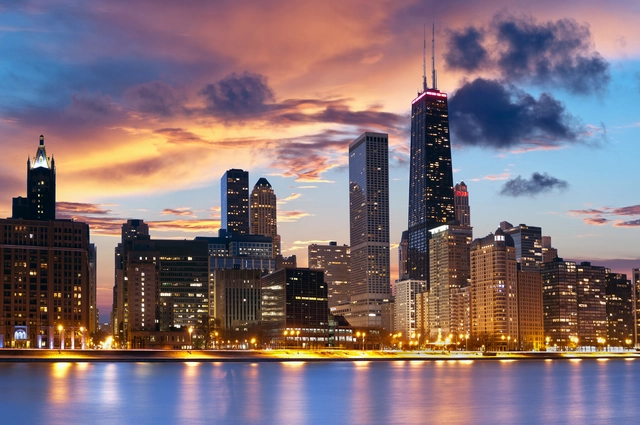
Chicago has long been a center of design. The third-most populous city in the United States with one of the world's largest and most diversified economies, the Windy City is a hub for commerce, transportation and culture. Chicago has continuously redefined hospitality architecture long before the pandemic, and the city will once again take stock as it looks to reimagine the future of travel and entertainment.
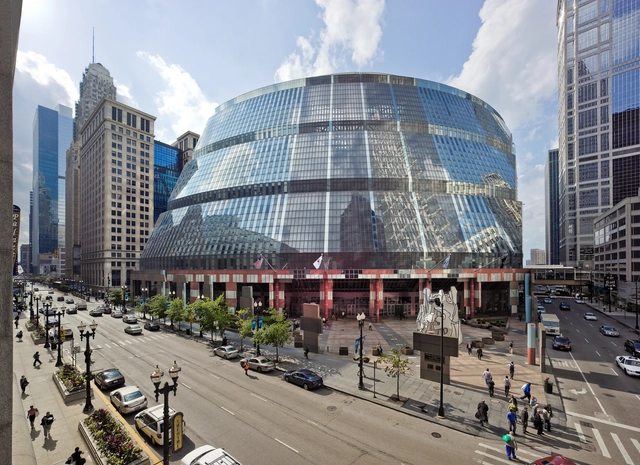
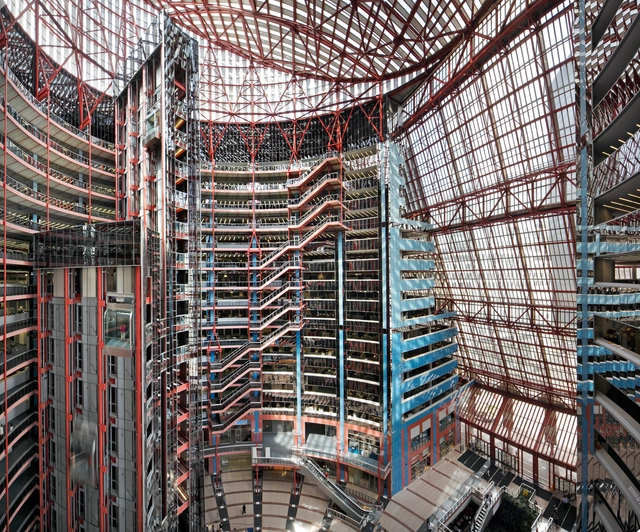
It would seem that the ongoing saga of the James R. Thompson Center, Chicago’s beloved but neglected governmental office building-slash-postmodernist mecca, might be reaching its final act.
Yesterday, Brendan Reilly, alderman of the city’s 42nd ward, announced a proposed rezoning ordinance that could kick the sale of the prized 3-acre site (12,140 m2) at 100 West Randolph Street into high-gear. The cash-strapped State of Illinois has been considering/trying to offload the property as early as 2003.
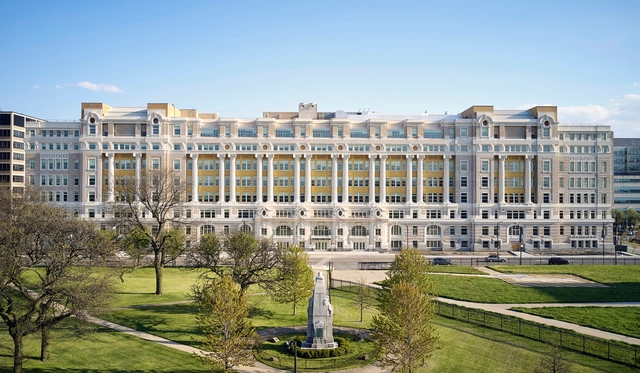
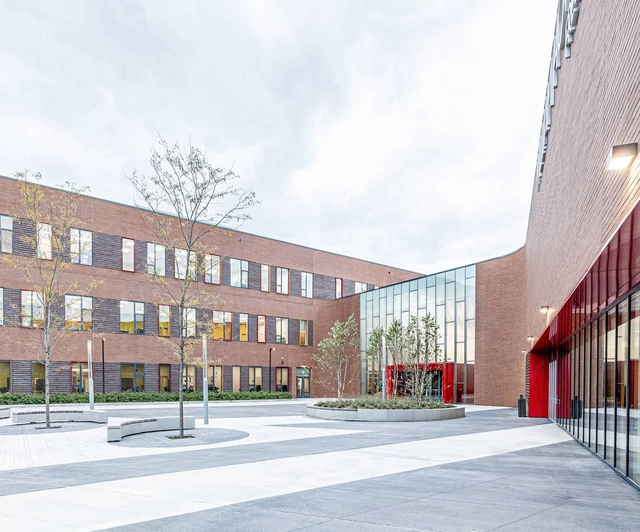
The City of Chicago has selected Skidmore, Owings & Merrill (SOM) and TnS Studio to create an incubator for small businesses and entrepreneurs in the city’s Englewood neighborhood. Called Englewood Connect, the project is part of Mayor Lightfoot’s INVEST South/West initiative, and it aims to foster local commerce and greater connectivity, as well as create new, flexible public spaces.
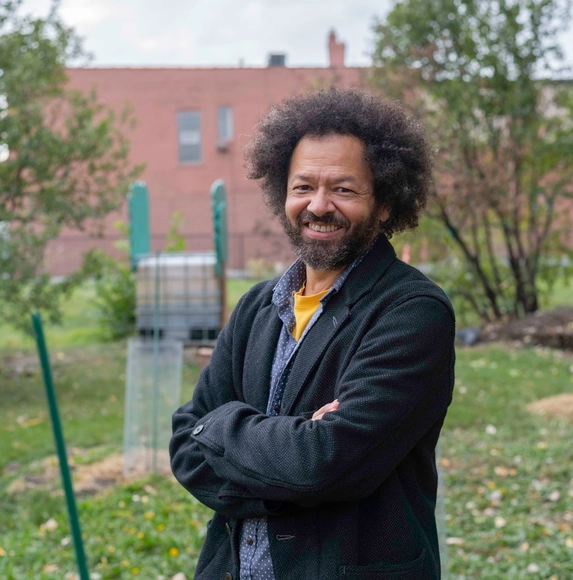
The Chicago Architecture Biennial (CAB) and the Danish Arts Foundation (DAF) have selected Soil Lab as the winning project of a DAF Open Call for a major new commission in the North Lawndale neighborhood of Chicago. Responding to the biennial’s 2021 edition theme The Available City, led by Artistic Director David Brown, the proposal, chosen to represent Denmark at the 2021 Chicago Architecture Biennial, was imagined by an international design team that includes Eibhlín Ní Chathasaigh (Dublin), James Albert Martin (Dublin), Anne Dorthe Vester (Copenhagen), Maria Bruun (Copenhagen) and Chicago residents.
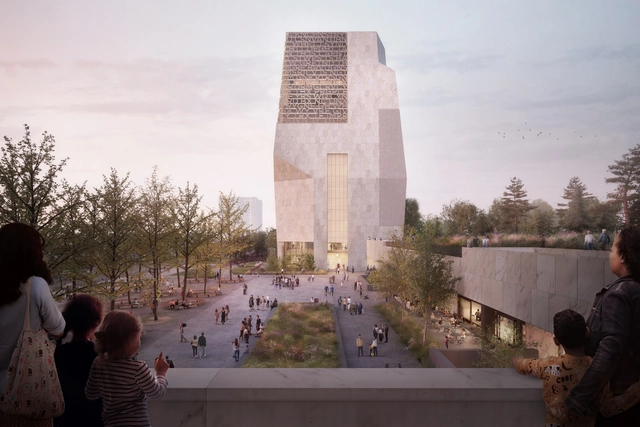
Obama Presidential Center. Image Courtesy of The Obama Foundation
After 4 years of delay, the groundbreaking of the Obama Presidential Center could happen in August 2021, and preliminary work could start as of April, according to the Chicago Tribune. In fact, former President Barack Obama confirmed yesterday on his Facebook account that "the Obama Presidential Center will break ground in 2021" and construction will most likely take about four years.
Chicago architecture is empty without Chicago architectural journalism. From the 1880s launch of the black-and-white publication Inland Architect, which covered the rebuilding after the Great Chicago Fire, to a 1985 critique of the James R. Thompson Center by Paul Gapp in the Chicago Tribune titled “Masterpiece or Ego Trip?” which set the course for the public reception of the building, coverage, and criticism of architecture in local newspapers and architecture publications has provided a critical link to how Chicago maintains its reputation as a city of extraordinary architecture. Architectural criticism and journalism have and continue to help Chicago understand how we arrived at this built environment and what the future holds.
https://www.archdaily.com/956076/what-chicago-loses-when-it-loses-an-architecture-criticElizabeth A. Blasius
Last Friday, January 15, Blair Kamin ended his 28-year run as architecture critic for the Chicago Tribune. I have known and admired Kamin for almost two decades. His writing on architecture and the built environment was sharp and lucid; he was not afraid to offend the less than delicate sensibilities of those in power.
Winner of the Pulitzer Prize for Criticism in 1999, Kamin was an activist critic, very much in the tradition of Ada Louise Huxtable and Allan Temko. Late last week, I reached out to Kamin to talk about the role of critics, and the end of his singular run.
Every city has its odd building. Paris has Centre Pompidou. London –Lloyd’s of London. New York –the Guggenheim. Naturally, Chicago, the architectural capital of the world, has one too. Here it is –James R. Thompson Center, named so in honor of four-term Illinois Republican Governor (1977-91) who was brave enough to get it built in 1985. Home to offices of the Illinois state government the building is unlike anything you have ever seen before.
Miguel Fernández de Castro and Natalia Mendoza, research for "The Absolute Restoration of All Things".From the 2020 organizational grant to Storefront for Art and Architecture for the exhibition series "Building Cycles 2". Image Courtesy of the artist
The Chicago-based Graham Foundation has just announced its support to 36 international organizations “leading projects that respond to today’s challenges, foster new connections across disciplines, and expand the field of architecture”. Based everywhere in the world, these associations push forward the work of eminent and emerging architects, artists, designers, critics, curators, scholars, and others, to explore new possibilities for the field and engage practitioners and the public worldwide.
Reflecting on the current global situation, Chicago Architecture Biennial (CAB) has reinvented its 2021 edition, in order to generate conversations about the “intersection of architecture and design and such critical issues as health, sustainability, equity, and racial justice”. The Biennial has also announced the appointment of David Brown, designer, researcher, and educator, based at the School of Architecture at the University of Illinois at Chicago, as the Artistic Director of the fourth edition, entitled The Available City.












.jpg?1615264644&format=webp&width=640&height=580)
.jpg?1615264657 "Courtesy of Skidmore, Owings & Merrill (SOM)")
.jpg?1615264645 "Courtesy of Skidmore, Owings & Merrill (SOM)")
_jpg.jpg?1615310606 "Courtesy of Skidmore, Owings & Merrill (SOM)")
.jpg?1615264644)
.jpg?1613993872&format=webp&width=640&height=580)








-Nick-Ulivieri-Photography.jpg?1610137507&format=webp&width=640&height=580)
-Nick-Ulivieri-Photography.jpg?1610137440 "© Nick Ulivieri Photography")
-Nick-Ulivieri-Photography.jpg?1610137506 "© Nick Ulivieri Photography")
_Nick_Ulivieri_Photography.jpg?1610137639 "© Nick Ulivieri Photography")
-Nick-Ulivieri-Photography.jpg?1610137420 "© Nick Ulivieri Photography")
-Nick-Ulivieri-Photography.jpg?1610137507)