Mies van der Rohe’s Barcelona Pavilion is being transformed into a “1:1 scale model” of itself in a new exhibition designed by Anna and Eugeni Bach titled “mies missing materiality.”
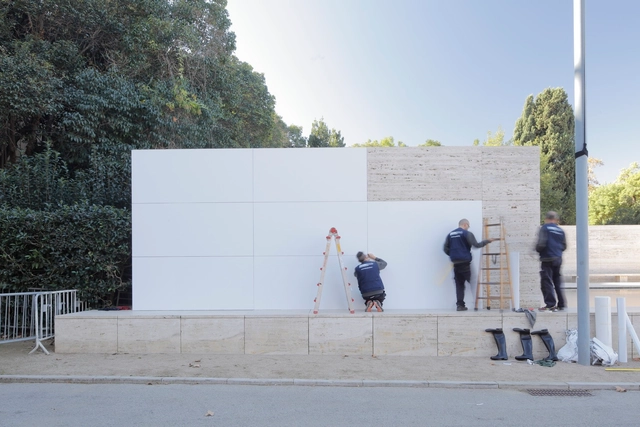
Over the next week, the iconic structure – the longest standing temporary pavilion in modern architectural history – will be completely covered with white vinyl, obscuring the beautiful marble, travertine, steel, chrome, and glass for which it is recognized.
The project sets to prompt discussion about the role of material in the original design, as well as the symbolism of the white surface within modern architecture.
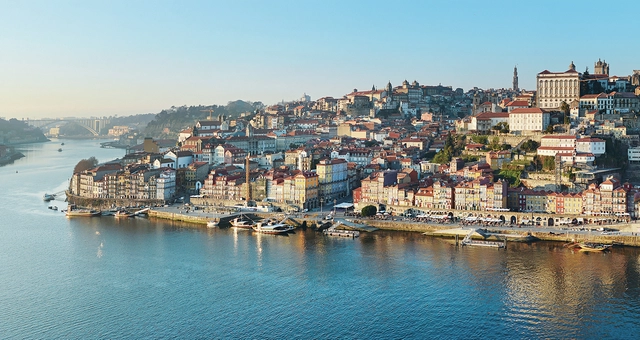
Immerse yourself in the cultural and architectural heritage of Portugal and Northern Spain on a once-in-a-lifetime 17-day journey with Architectural Adventures. From historic Lisbon to vibrant Barcelona, visit and explore 14 cities and 6 UNESCO World Heritage Sites while enjoying world-class accommodations and fine regional dining. Sip Oporto’s famed port wine, see Santiago’s monumental cathedral, tour the Frank Gehry-designed Guggenheim Museum in Bilbao, and see where the bulls run in Pamplona before traversing the breathtaking Pyrenees Mountains en route to Barcelona and the Mediterranean Sea.
We look for materials which are as intelligent, versatile and complex as natural phenomena, in other words materials which don't just appeal to the eyes of the astounded art critic, but are also really efficient and appeal to all our senses. – Jacques Herzog
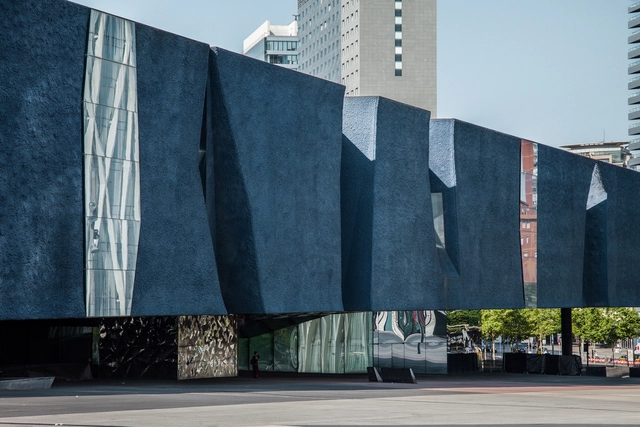
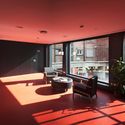
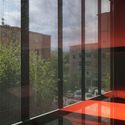
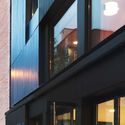
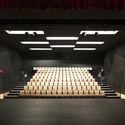
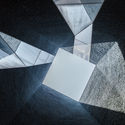
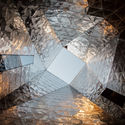
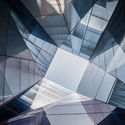
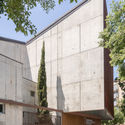
Like several other works of architecture by Herzog & de Meuron the Forum Building, known since the 2012 relocation of Barcelona's Museu de les Ciències Naturals as the Museu Blau, is remarkable for its sensitive use of materials. A triangular mass of gray-blue concrete punctured and split in places to reveal the contrasting use of reflective planes, the building is a hard one to ignore, especially for an architectural photographer.
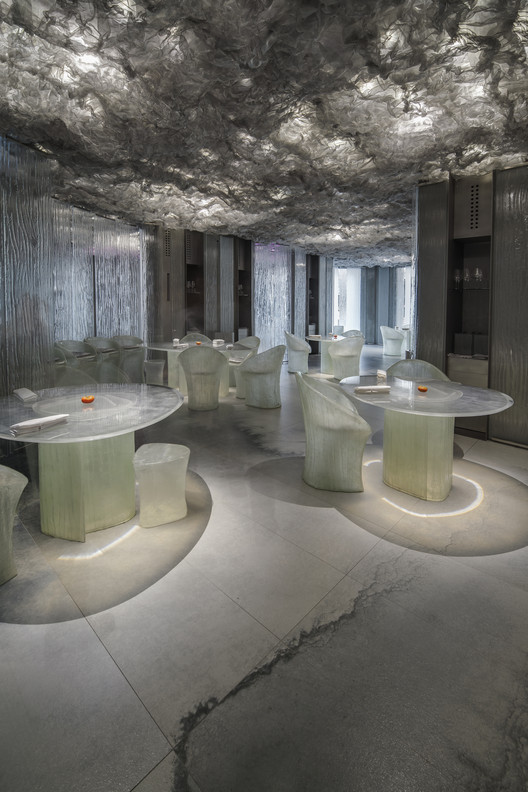
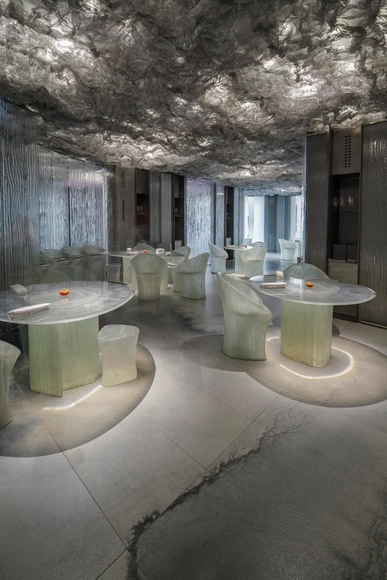
Neolith has unveiled their most ambitious project to date: the ENIGMA restaurant design in collaboration with RCR Arquitectes and P.Llimona. The conceptual restaurant space began with the vision of celebrated Catalan chef Albert Adrià, who wanted to create an "enigmatic” restaurant project reflecting his gastronomy and his career. Albert, together with his sibling Ferran Adrià have transformed the iconic El Bulli restaurant into a culinary research foundation and embarked on more projects since, including tapas bar Tickets and Bar 41 in Barcelona. ENIGMA, described as a “culinary amusement park” represents the new brainchild of the brothers’ dialogue exploring the intersection of food and design.




.jpg?1508386766&format=webp&width=640&height=580)







.jpg?1508386750 "© José Hevia")
.jpg?1508386830 "© José Hevia")
.jpg?1508386784 "© José Hevia")
.jpg?1508386896 "© José Hevia")
.jpg?1508386766)











.jpg?1504241056)