1. ArchDaily
  2. Bamboo Structure

Bamboo Structure: The Latest Architecture and News

Architectural Rebuilding as Cultural Memory: The Paradox of Ever-Fresh Heritage

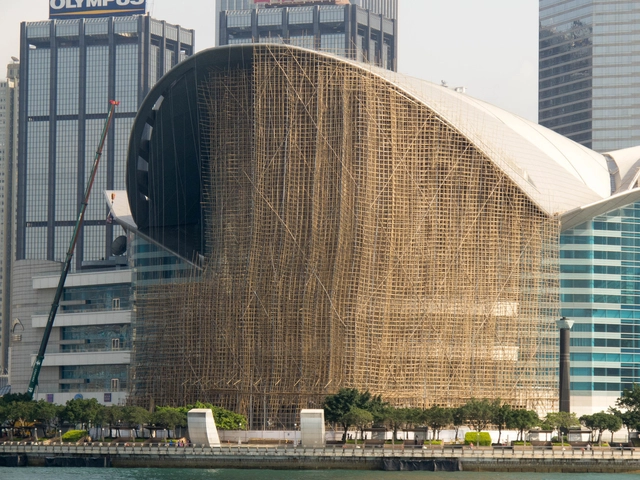
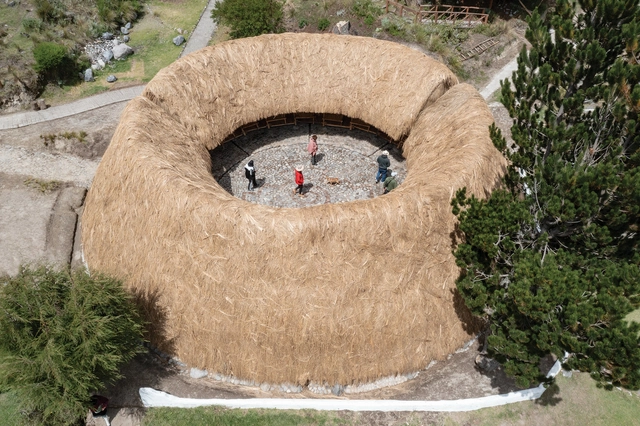
Architecture—one of the few cultural artifacts made to be publicly lived with, preserved, and often capable of standing for centuries—contributes significantly to the cultural identity of places and people. Historically, buildings have expressed institutional attitudes, influence, and power; they are clear demonstrations of culture. Yet longevity complicates preservation: when a structure is rebuilt, repaired, or entirely reassembled, in what sense is it still the same building?

There's the classic Ship of Theseus puzzle from Plutarch. if a ship's planks are replaced one by one over time, is it still the same ship? Thomas Hobbes adds a twist—if the original planks are reassembled elsewhere, which ship is "the original"? The paradox tests what grounds identity: material fabric, continuous use and history, or shared recognition. In architecture and conservation, it reframes preservation as a choice among keeping matter, maintaining form and function, or sustaining the stories and practices that give a place meaning.

Architectural Rebuilding as Cultural Memory: The Paradox of Ever-Fresh Heritage - Imagen 1 de 4Architectural Rebuilding as Cultural Memory: The Paradox of Ever-Fresh Heritage - Imagen 2 de 4Architectural Rebuilding as Cultural Memory: The Paradox of Ever-Fresh Heritage - Imagen 3 de 4Architectural Rebuilding as Cultural Memory: The Paradox of Ever-Fresh Heritage - Imagen 4 de 4Architectural Rebuilding as Cultural Memory: The Paradox of Ever-Fresh Heritage - More Images+ 17

Reimagining Urban-Rural Coexistence Through AI: In Conversation With Francisco Escapil

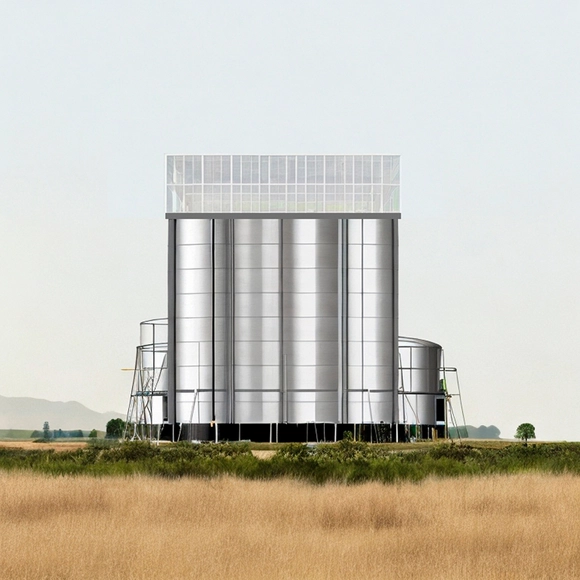
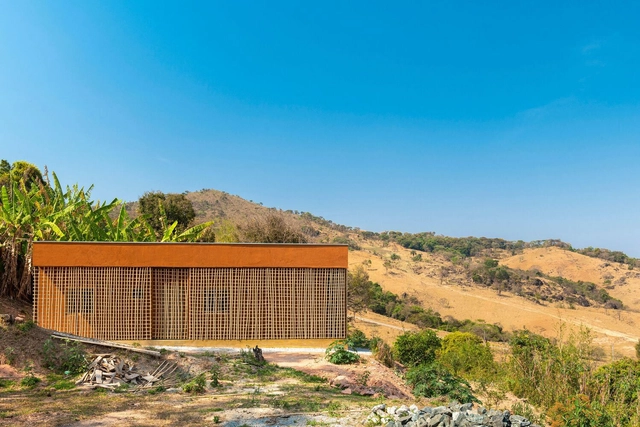
What structures and infrastructures sustain the ties and relationships between the countryside and the city? How will architecture and emerging technologies maintain -or not- the coexistence of both worlds in the future? The reduction of ecological footprints, the impact of climate change, the decentralization of major cities, food security, and other contemporary issues challenge professionals in architecture and urbanism globally under the main shared goal of improving citizens’ quality of life and achieving physical, mental, and emotional well-being in both built and natural environments.

Reimagining Urban-Rural Coexistence Through AI: In Conversation With Francisco Escapil - Image 1 of 4Reimagining Urban-Rural Coexistence Through AI: In Conversation With Francisco Escapil - Image 2 of 4Reimagining Urban-Rural Coexistence Through AI: In Conversation With Francisco Escapil - Image 3 of 4Reimagining Urban-Rural Coexistence Through AI: In Conversation With Francisco Escapil - Image 4 of 4Reimagining Urban-Rural Coexistence Through AI: In Conversation With Francisco Escapil - More Images+ 13

Bamboo in Architecture: Same Material, Different Uses

Subscriber Access | 

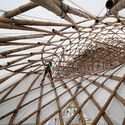
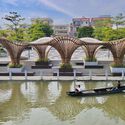
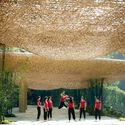
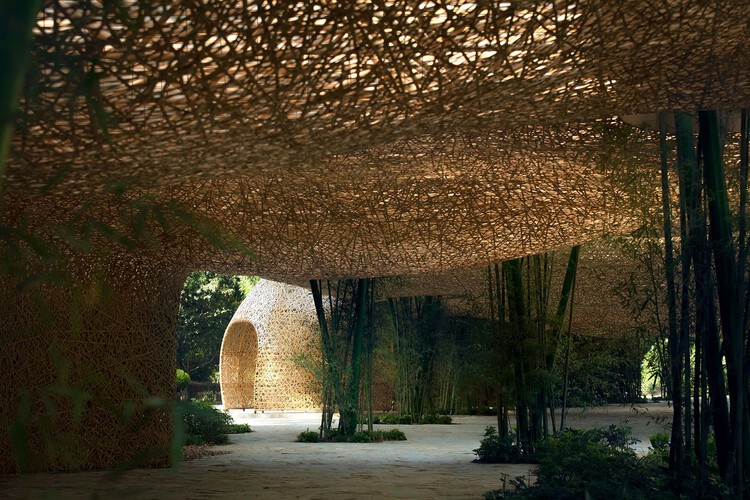
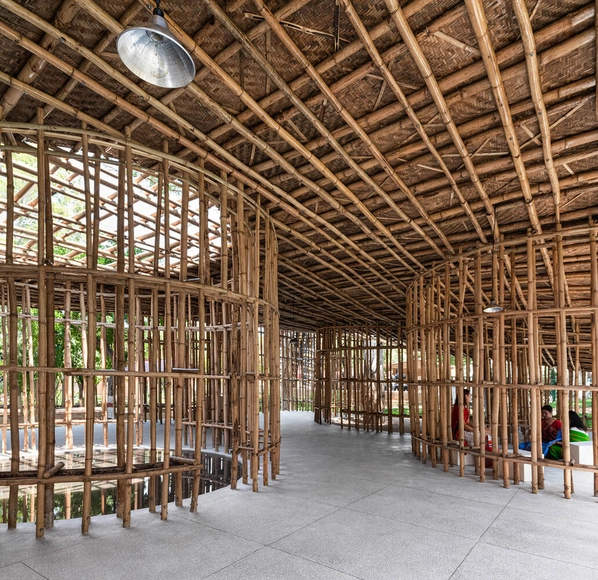
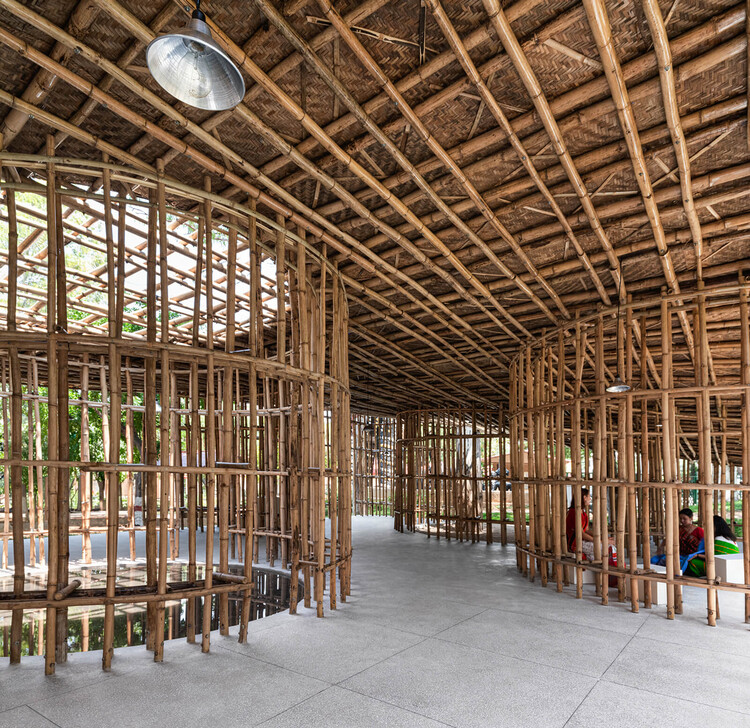
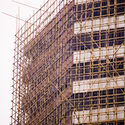
If we were to design an ideal building material, it would look like bamboo. At least, that's what Neil Thomas, director of the London-based structural engineering firm Atelier One, claims. Its tubular shape, vascular bundles, fast growth rate, and ease of manipulation make it ideal for construction. Today, it is even more interesting to the market as a renewable source with low environmental impact compared to other materials. Additionally, it is extremely versatile and can be used in various ways in construction. Here, we list some of them.

Bamboo in Architecture: Same Material, Different Uses - Image 1 of 4Bamboo in Architecture: Same Material, Different Uses - Image 2 of 4Bamboo in Architecture: Same Material, Different Uses - Image 3 of 4Bamboo in Architecture: Same Material, Different Uses - Image 4 of 4Bamboo in Architecture: Same Material, Different Uses - More Images+ 13