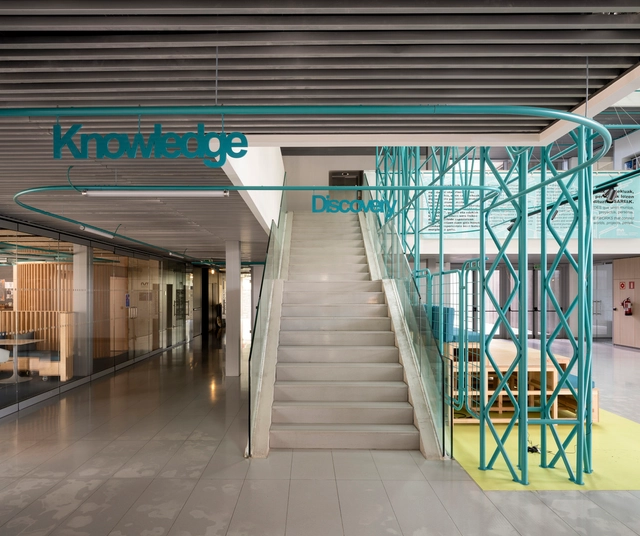
Despite the emergence of collective and interdisciplinary practices, architectural entrepreneurship remains a vague discipline. As academic institutes focus on cultivating students' hard skills during their undergraduate years, their soft skills are often overlooked, left to be acquired or strengthened during their work experience. Stepping into the "real world", fresh graduates who decide to venture into their professional journey as freelancers or in start-ups, often find themselves overwhelmed with questions; 'How do I convince the client? Am I communicating my concept properly to the contractors? Am I charging the client enough? Why is the project not being executed like I designed it? Why is this project taking a lot more time than I intended it to? How can I run a successful business if I've never taken a business course in architecture school?'
Broadacre City by Frank Lloyd Wright. Image Courtesy of Juan Miró
Juan Miró, co-founder of Miró Rivera Architects reflects in an opinion piece on the value of American cities. Stating that "when we idealize cities like Copenhagen, we risk losing focus of the fundamental historical differences between the urban trajectories of European and American cities", the architect and educator draws a timeline of events and urban transformations, in order to explain why it would be more relevant to look on the inside when planning U.S cities, rather than taking examples from the outside.
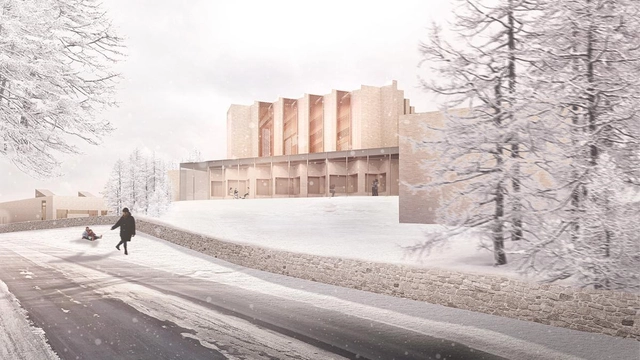
Henning Larsen has won a competition to design Højvangen Church, the first church to be built in SkanderborgParish in over 500 years. The new intervention, set to be completed and inaugurated by December 2024, will be a new public gathering point in the growing residential area of Højvangen in Skanderborg, Denmark.
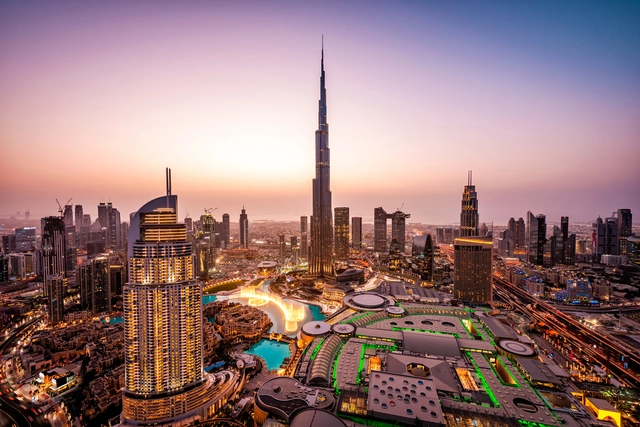
The Dubai Crown Prince has issued a Resolution to form a Supreme Committee for the Urban Planning of Dubai. The decision aims to regulate, ensure, and implement all the required deliverables of the Dubai 2040 Urban Master Plan, to make Dubai the "best city in the world to live in". The urban planning sector will overlook all major infrastructure and urban projects, as well as focus on addressing matters of housing and regulations of the real estate sector to improve the wellbeing of the city's residents.
Last week, Apple opened its largest store in Europe, housed inside Rome’s 19th century Palazzo Marignoli. Designed by Foster+Partners, Apple Via del Corso celebrates the historic building by revealing its 1890s murals, frescos, and graffiti works from the 1950s, hidden from view for decades. The project creates a juxtaposition between the historical layers, the artwork and the signature minimalist aesthetic of Apple stores.
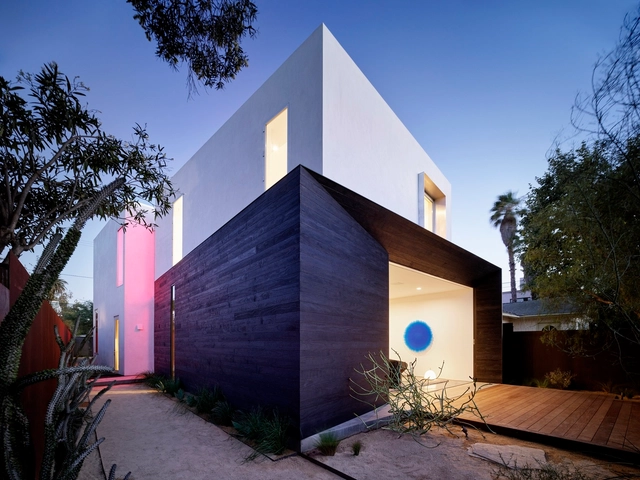
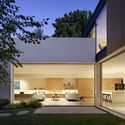
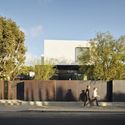
Residential design is the most personal architecture. Whether reflecting the lifestyle or character of those who live there, or accommodating space for guests and gathering, homes reflect who we are. This holds especially true for Takashi Yanai, a Partner at Ehrlich Yanai Rhee Chaney Architects that has led the Residential Studio since 2004. With ties to landscape design and a "California Modernist" ethos, Takashi's work also reinterprets Japanese elements and explores what residential design means today.
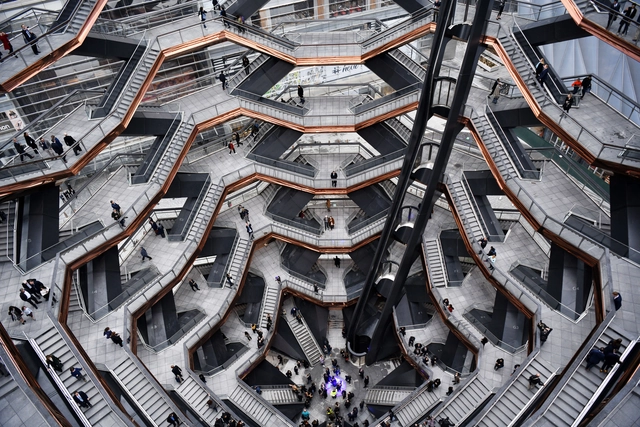
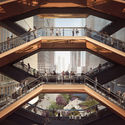
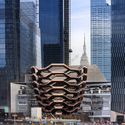
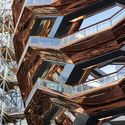
Following it's closure in January 2021, the 150-foot monumental staircase in Hudson Yards have reopened to the public on May 28th, but with a ban on solo visitors. The closure was confirmed after three individuals committed suicide since its opening in 2019, all under the age of 25. The structure was “temporarily closed” amid consultations by the firm with suicide-prevention experts and psychiatrists about how to prevent more potential suicides.
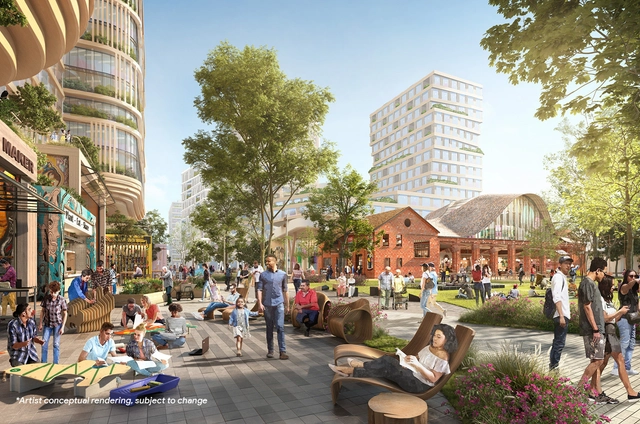
The City Council of San Jose recently approved Google’s “Downtown West” mixed-use corporate campus, an 80-acre net-zero environment, also set to feature the largest multimodal transit hub on the west coast. A departure from the tech campuses of Silicon Valley, the masterplan designed by San Francisco-based SITELAB urban studio is envisioned as an integrated part of the urban environment, an extension of Downtown San Jose open to the local community.
Within an increasingly specialized environment, architecture is becoming a collective endeavour at every stage of the design process, and social sciences have acquired an important role. As architecture has become more aware of its social outcome, decisions formerly resulted from the speculative thinking of the architect are now backed up by professional expertise. The following discusses the increasing role of humanist professions such as anthropology, psychology, or futurology within architecture.
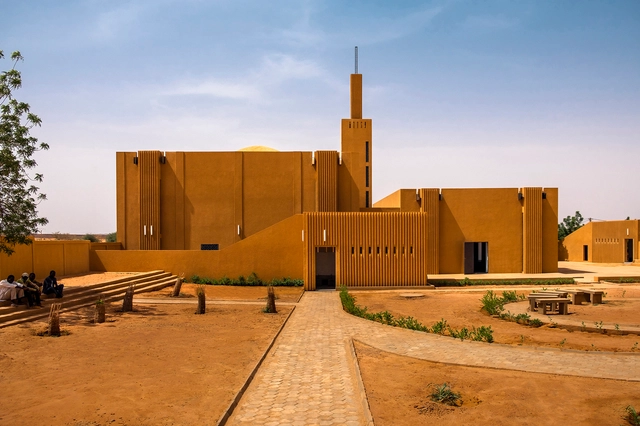
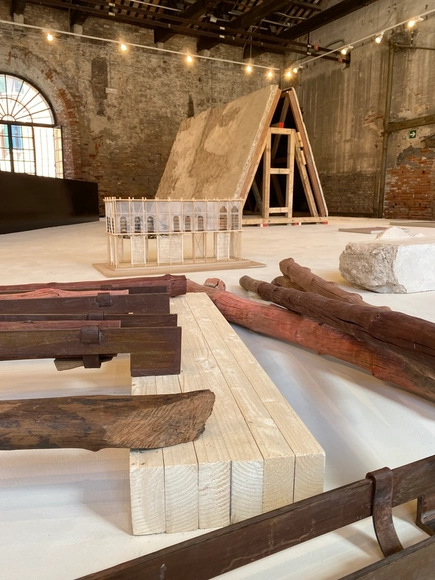
Atelier Masomi and Studio Chahar, "Hikma" Religious and Secular Complex in Dandaji, Niger, 2018. . Image Courtesy of Atelier Masomi. Photo: James Wang From the 2021 individual grant to Adil Dalbai and Livingstone Mukasa for "Africa Architecture Network"
Graham Foundation has released the names of the 2021 Individual Grant recipients - a grant supports innovative ideas in the fields of films, design, digital initiative, research, and exhibitions over the past 65 years. 71 creative individuals from across the world were chosen for their inventive ideas and creations that tackle pressing issues on society.
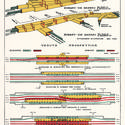
A vault is a constructive technique that is achieved by compressing the materials forming it together. While this technique has existed since the time of the ancient Romans, certain types of vaulted ceilings, such as the Catalan or Valencian timbral vault, only reached popularity in some areas of the world at the start of the 19th century thanks to their lost cost and ready availability. With the ability to span over 30 meters and add substantial height to structures, vaulted ceilings became a go-to for the construction of industrial spaces such as workshops, factories, and warehouses.
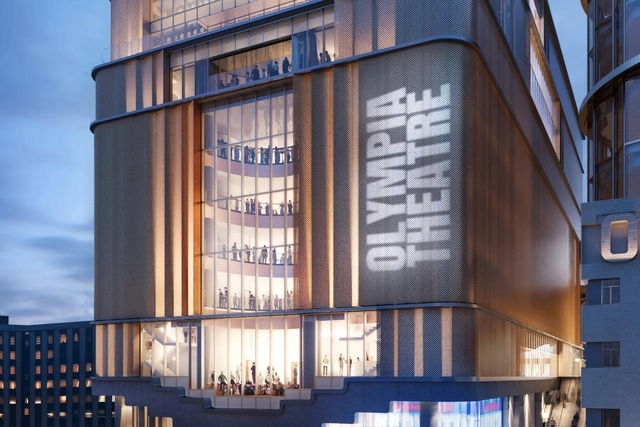
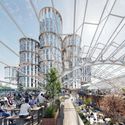
Haworth Tompkins, Heatherwick Studio and Spparc have shared new details of the first major new London theatre in over 45 years. The Olympia Theatre is part of the £1.3bn redevelopment of the Olympia exhibition center designed by Heatherwick Studio and Spparc. The 1,575-seat venue in west London will be operated by Trafalgar Entertainment, and the design includes a five-story building with a stacked auditorium.
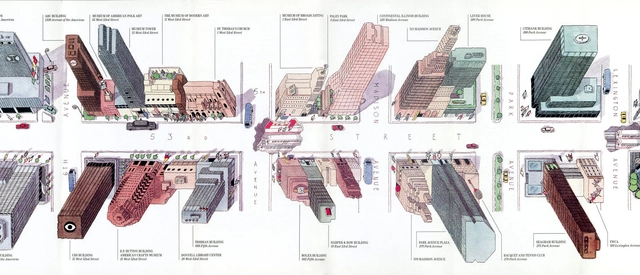
Martin Pederson interviewed this week Antonis Antoniou and Steven Heller, author of Decoding Manhattan, a new book that compiles over 250 architectural maps, diagrams, and graphics of the island of Manhattan in New York City, talking about the origin story of the book, the process of research, and the collaboration.
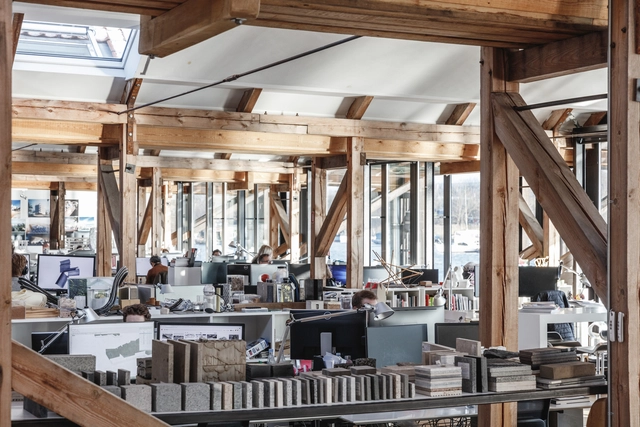
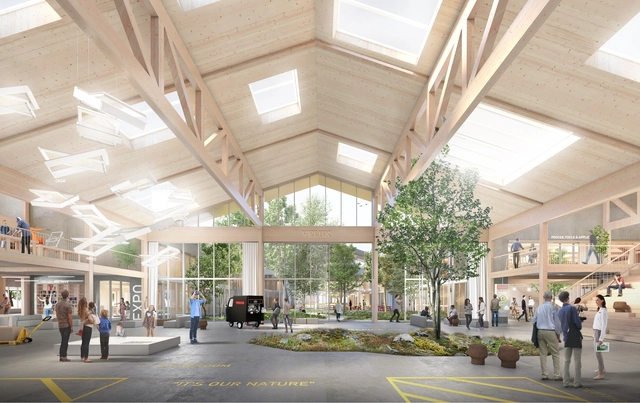
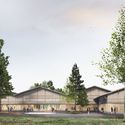
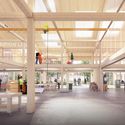
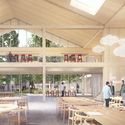
Praksis Arkitekter has won the competition to transform an old timber warehouse for VELUX Group in Østbirk, Denmark. As the company's largest production site, it will be transformed into a best-in-class innovation center. The existing wooden building was originally inaugurated in 1995 as a warehouse. The new rebuilt building will house most of the product development that VELUX Group is doing, which today is spread across the country and abroad.
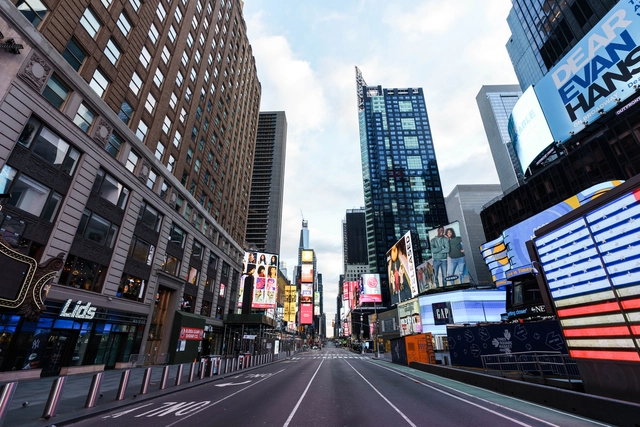
Earlier this month, New York City Mayor Bill de Blasio announced the launch of the Open Boulevards program, an initiative that would temporarily close off car traffic on boulevard segments across several blocks, expanding the public space for dining, cultural activities and artistic performances. The project builds on the successful initiatives Open streets and Open Restaurants, which transformed the city’s streetscape to better serve diners, cyclists and pedestrians amidst the pandemic.
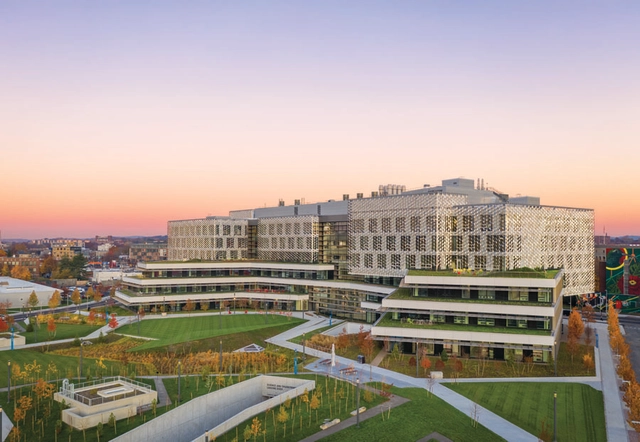
The massive new hub for lab research, by Behnisch Architekten, marks a new chapter of sustainable construction and campus planning. James McCown explores in his article originally published on Metropolis, Harvard's latest addition in the Boston campus, the new Science and Engineering Complex (SEC) designed by German-based firm Behnisch Architekten and centered on sustainability and well-being.