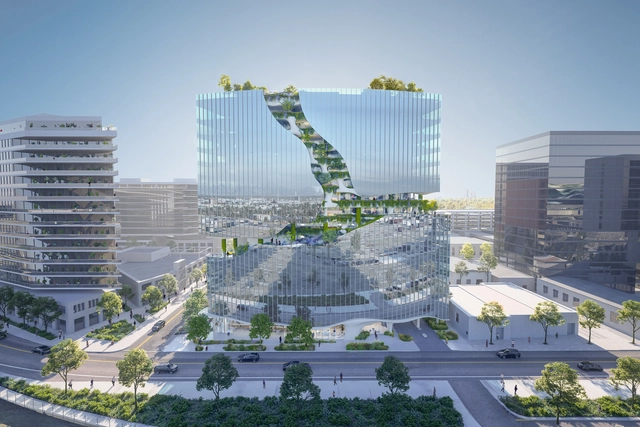
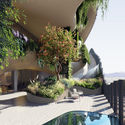
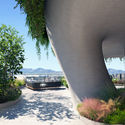
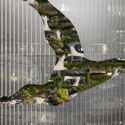
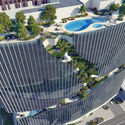
MAD Architects has broken ground on One River North, a sixteen-storey residential tower which features a descending nature trail carved into its façade. The project is set to "blur the lines between the built and natural environments" with more than 13,000 sq. ft. of open-air spaces, a water feature, and trail-like walkways, echoing Colorado's rich terrains. The project is expected to be complete towards the end of 2023.
Aedas reveals plans to transform the Pragati Maidan, an important civic space in New Delhi, into an exhibition and convention centre intended as a new city icon. Transformed into a national exhibition space in 1972, the site located on the bank of Yamuna River and neighbouring a series of cultural and historical venues was the subject of a 2016 international design competition that sought a contemporary upgrade to the programme. Aedas’ and Arcop’s winning project proposes a circular convention centre framed by an extensive landscaped public space, capitalizing on accessibility.
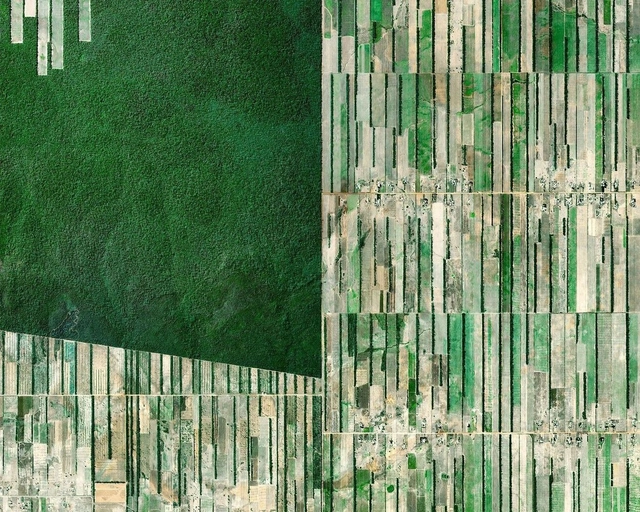
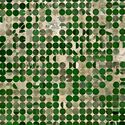
Food cultivation is one of the great historical milestones of our society's development. The knowledge of agriculture was fundamental for the evolution of a nomadic society into a sedentary civilization. Centuries later, agricultural production has become one of the main contributors to the organization of the land. This phenomenon can be seen in the aerial images we have selected below.
The built environment of Far East Asia is challenging the paradigm through urban developments that are centered around principles of sustainability, community, and user-centric design. Following concerns of high-density neighborhoods and compromised landscapes, architects of that region became aware that building for the future means changing their outlook on financially-driven projects with unsustainable strategies, and replacing them with structures that put the user and the environment at the forefront.
From an all-around panoramic hotel on The Philippines's waterfront to an emotion-provoking memorial inspired by the rain in South Korea, this round up of unbuilt projects showcases how architects merged the Far East's culture, history, and unique geography with contemporary designs, creating state-of-the-art architecture. This round up also includes projects from China, Vietnam, Indonesia, and Hong Kong.
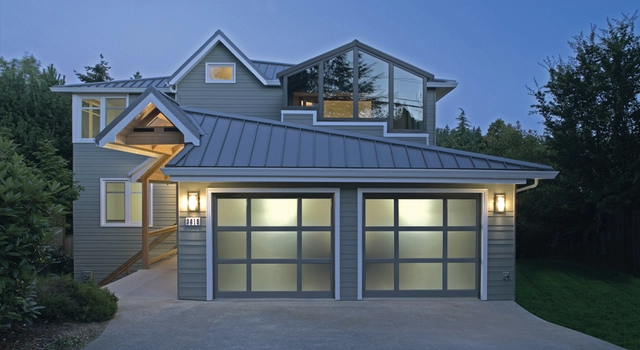
In residential architecture, the garage is a space that is mainly used for storage and car parking. Although the garage door is usually not a very thought-out part of the design of a residential project, it often occupies a large part of the front elevation of a house, and can play an important role in its general curb appeal.
The garage door is typically a large door that is opened manually or by an electric motor, and its size and design are determined by the vehicles that will need to pass through it. Raynor, a North American company that specializes in garage doors, describes several of the most important factors that go into choosing the right garage door.
Studio Gang has revealed 63rd House, its design for Blue Tin Production's new manufacturing studio in the heart of Chicago’s southwest side. The new headquarters, which is an adaptive reuse project of Chicago's two-story brick post office that was built in 1920, will feature a mix of meeting and artist spaces around a central community room, "centralizing workers’ well-being, deepening connections with neighborhood residents and partners, and building long-term economic mobility and racial equity across the city".
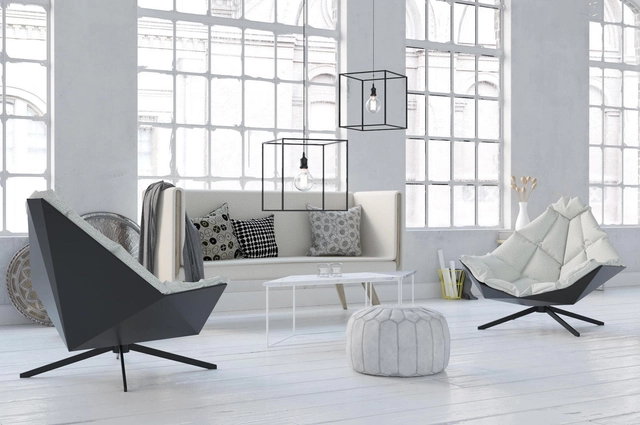
With walls and ceilings a long way away, often the most practical way to control the placement of a light source and the positioning of light, is to drop it into the exact position where it’s required, with a pendant light.
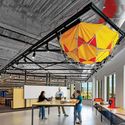
Even designer pendant lighting can be as simple or as complex as the project’s parameters call for. From the most intricate sculptures of glass or mechanical puppetry to a single bulb on a cord, here are seven types of pendant light, and the purposes and projects for which they’re best suited:
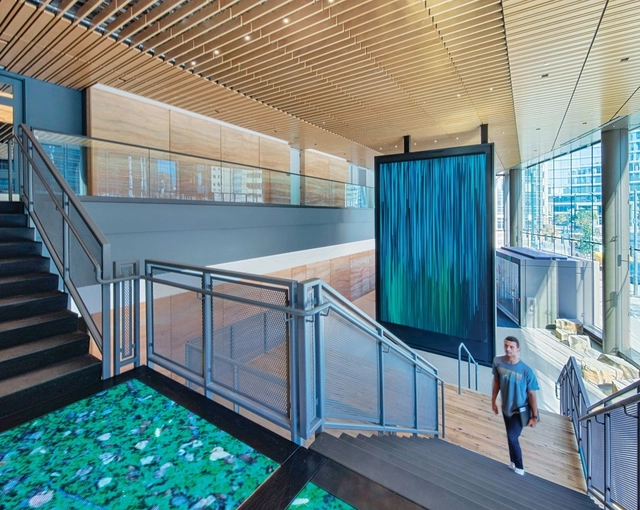
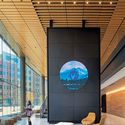
Rapt Studio has recently completed the new headquarters for VF Corporation in Denver, Colorado. With a mission to power active and sustainable lifestyles for the betterment of people and the planet, VF is a diverse collection of global brands. Their new ten-story headquarters brings together several of those brands under one roof, and at the same time, allows each of them to maintain individuality and expression.
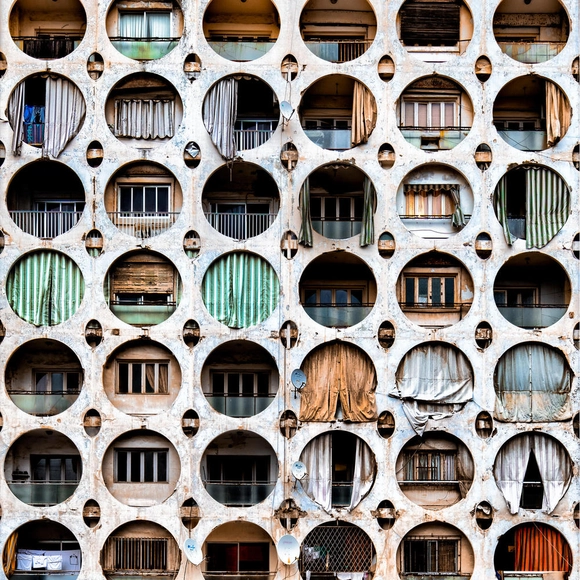
The Architectural Photography Awards 2021 has announced its shortlist for its ninth edition. Supported by Aluprof UK and the World Architecture Festival (WAF), the shortlist was selected from around 2000 entries and 42 countries, "highlighting the expertise of architectural photography and focusing on the skill and creativity of the photographer". The photographs are divided into 6 categories: Exterior, Interior, Sense of Place, Buildings in Use, Mobile, which this year’s theme is Greening the City, and Portfolio with the theme of Building with History.
The Second Studio (formerly The Midnight Charette) is an explicit podcast about design, architecture, and the everyday. Hosted by Architects David Lee and Marina Bourderonnet, it features different creative professionals in unscripted conversations that allow for thoughtful takes and personal discussions.
A variety of subjects are covered with honesty and humor: some episodes are interviews, while others are tips for fellow designers, reviews of buildings and other projects, or casual explorations of everyday life and design. The Second Studio is also available on iTunes, Spotify, and YouTube.
This week David and Marina are joined by Mark Lee, Principal and Founding Partner of Johnston Marklee and Chair of the Architecture Department at Harvard Graduate School of Design to discuss cities, architecture's responsibility to context, the cultural value of iconic architecture and everyday buildings, architectural education, designing for other cultures, working with clients, designing buildings, 'appropriateness' in architecture, and much more.
https://www.archdaily.com/971446/the-second-studio-podcast-interview-with-mark-lee-chair-of-the-architecture-department-at-harvard-graduate-school-of-designThe Second Studio Podcast
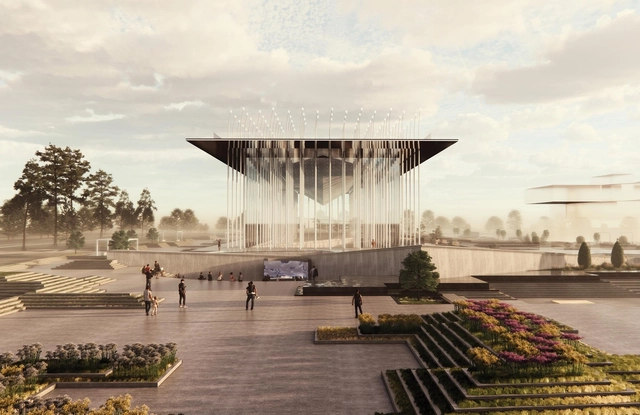
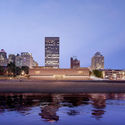
Herzog & de Meuron has unveiled the design of the new Memphis Brooks Museum of Art overlooking the Mississippi River. The 10,500 sqm structure will feature expanded galleries, exhibition spaces, and open spaces for community and educational programs with free public access, and is expected to open to the public in 2026.
It has become evident that the spaces we inhabit have changed. The COVID-19 pandemic has forced us to appreciate values as lighting, ventilation, and comfort when working in home.
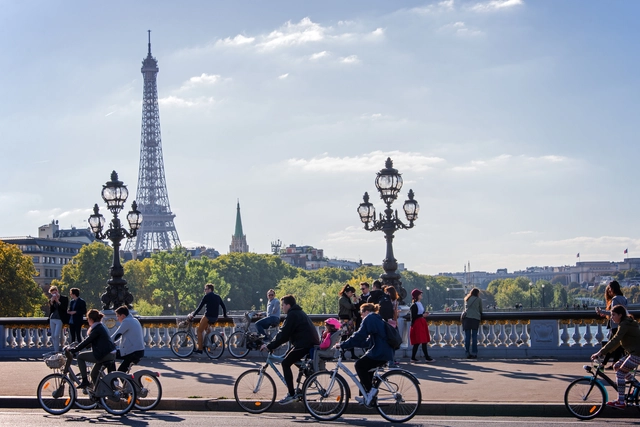
The city of Parishas announced that it will be investing €250 million to upgrade its cycling infrastructure and expand its network of bike lanes with aims of becoming “100% cyclable”. The French capital's investment comes through Bike Plan, a 5-year-long urban project that will reinforce the presence of bikes and provide safe and well connected routes for passengers and pedestrians.
From social, racial, economic inequity to virtual, immersive environments, the COVID-19 pandemic is reshaping trends and pushing societies to discuss how we will live together in the future.
In this context, architecture has been navigating through sequential changes over the last decades with the rise and latter consolidation of new technologies, tools, formats, topics, scales, and interdisciplinary approaches, along with the emergence of the Internet that led towards a disruptive decentralization of the architecture production and discussion. Architects and designers from all over the world are embracing these challenges by pondering their roles and exploring their own practical approaches.
ADUs or accessory dwelling unit, a word mostly used by architects, is "a smaller, independent residential unit located on the same lot as a stand-alone single-family home" according to the American Planning Association. They can be converted spaces of existing houses, additions, or new stand-alone structures. In this piece, author Walter explores the recent policies in California that seek to reduce the shortage of housing.
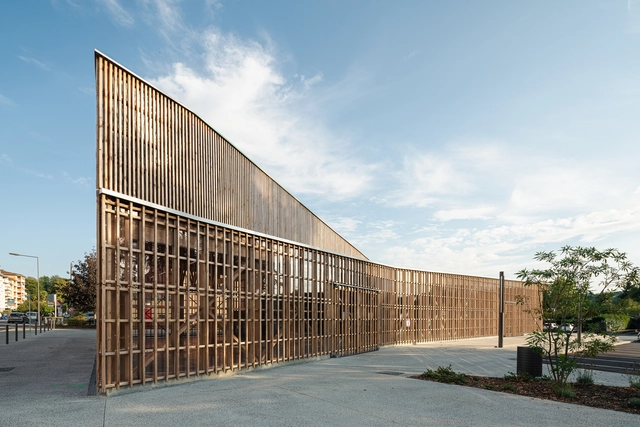
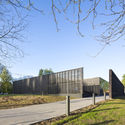
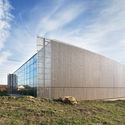
The relationship between building envelope and structure remains a centerpiece of architecture. Understanding a building's skin is how designs become open or closed, controlling environmental conditions, light and views. Whether perforated, slotted or modular, brise-soleils are elegant envelopes that create new spatial conditions. This is especially true in France, where architects are rethinking tradition to bring new screened structures to life.
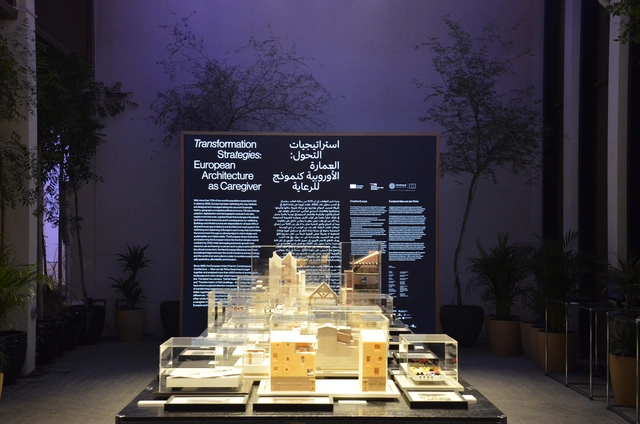
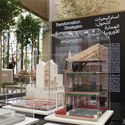
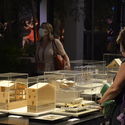
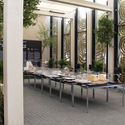
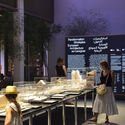
Fundació Mies van der Rohe, the European Commission, and the Irish Pavilion have inaugurated an exhibition titled “Transformation Strategies: European Architecture as Caregiver” which highlights the European Union's participation in Expo 2020 Dubai and showcases its contribution to tackling global challenges in line with the main themes of the event. The exhibition opened to the public on November 2nd at the Irish Pavilion in the Expo's Jubilee Avenue, and will be on display until the end of 2021.
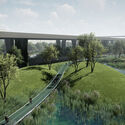
A new masterplan along the central Pailao River in Shenzhen proposes a climate-proof regeneration of the area, using nature and water retention ecological zones to mitigate the risk of flooding. Created by urban design and architecture practice VenhoevenCS, with landscape vision by Hope Design and water management plan by Huadong Engineering, the Pailao River Blueway Project capitalizes on the coexistence of the urban and the natural environment, ensuring resilience and enhancing the economic growth of the city district.









StudioGang.jpg?1636447310&format=webp&width=640&height=580)
StudioGang.jpg?1636447390 "Courtesy of Studio Gang")
StudioGang.jpg?1636447331 "Courtesy of Studio Gang")
StudioGang.jpg?1636447289 "Courtesy of Studio Gang")
StudioGang.jpg?1636447383 "Courtesy of Studio Gang")
StudioGang.jpg?1636447310)






.jpg?1636107951&format=webp&width=640&height=580)
.jpg?1636107951 "© Herzog & de Meuron")
.jpg?1636107949 "© Herzog & de Meuron")

.jpg?1636107951)