In terms of Covid, 2022 is more likely to be like 1920 than like 2020 or 2021. “Change or die” is a cliché, but often a true one. The past two years under the pandemic have forced many kinds of changes across society that may have helped prevent a lot of deaths. But many other aspects of our culture had already been changing in ways that predated the pandemic, gradual shifts that, once Covid hit, became instant and ubiquitous: remote work, remote learning, the dominance of online shopping and the death of brick-and-mortar retail, the obsessive focus on health and well-being. All of this, and more, is now a fundamental aspect of our daily lives.
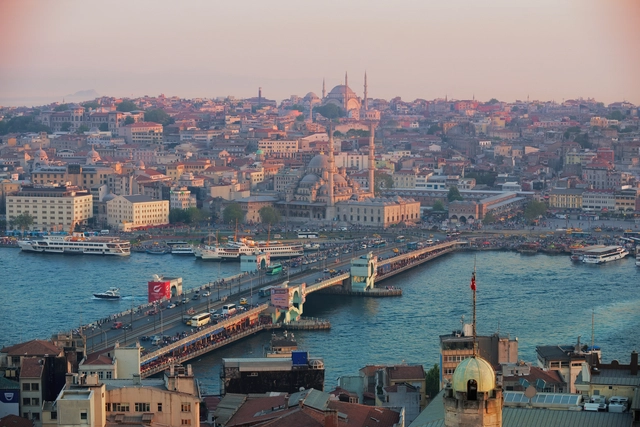
Istanbul, Turkey. Image via Shutterstock by kukuruxa
Bloomberg Philanthropies has announced the 15 winning innovations of its 2021-2022 Global Mayors Challenge. Hailing from six continents, the chosen projects "seek improvements in the areas of economic recovery and inclusive growth, health and well-being, climate and environment, and gender and equality". The winning cities include Istanbul, Rotterdam, Butuan, and Wellington, and will all receive $1 million and external support to develop their programs.
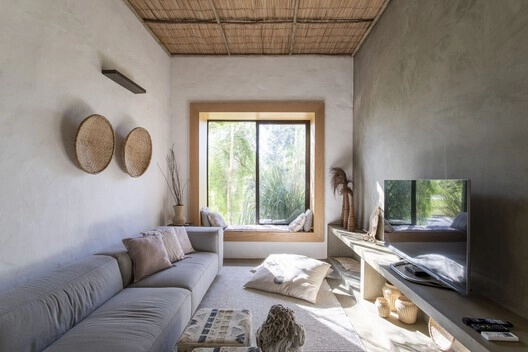
Designing houses in tropical climates, as is the case in Brazil, means paying special attention to openings, both in relation to the functioning and conviviality of the house, as well as in relation to issues of environmental comfort. In this article we bring you 16 Brazilian homes that take advantage of their strategic openings to create cozy, stunning, well-lit and ventilated environments.
The United States Artists Fellowship Award is an annual grant that recognizes the "most compelling artists working and living in the United States, in all disciplines, at every stage of their career". Every year, individual artists are anonymously nominated to apply by a diverse group of scholars, critics, producers, and other arts professionals. Among the 63 recipients of 2022, 5 were selected from the fields of architecture and design with the aim of strengthening and enriching the industry and their communities.
Latrinas medievais. Image Cortesia de Geopizza, usada sob os termos de "fair use"
The bathrooms that we usually have in our homes are legacies of European colonization around the world. Its current form, however, dates back millennia and would not have been possible without investments and the evolution of basic sanitation.
The health of a population is directly related to the physical environment it inhabits, as stated by Hippocrates in his text “Ares, waters and places”, written during the 5th century BC, in which the Greek thinker known as the 'father of medicine', states that in order to properly investigate health and the cause of disease it is necessary to observe and understand the inhabited environment from the seasons, the wind, the water, its geographical position, the land and the landscape and also the habits of the people who live there. Each civilization has developed a way of dealing with what we understand by sanitation today, depending on its time and also on its geographical, cultural, political and economic context.
Michael Beneville opened his studio in the Flatiron district of New York City a decade ago. The renovated two-floor office has 20-foot-high ceilings, custom furniture, and a wall of arched windows that look out onto 19th Street. Beneville and his team haven’t been inside the studio together on a regular basis for months—at least not physically. The employees of the small creative studio, known for its design work on immersive experiences like Las Vegas’s mega–entertainment complex AREA15, are scattered across the country due to the pandemic, but they regularly gather in a virtual replica of the studio for meetings, sitting around a digital table, their avatars carrying digital cups of coffee.
Focused on 3 main titles, "the European city: a model for the sustainable smart city", "defining common European culture while reflecting the diversity of expression" and "an architecture that has social impact and transmits a cultural message", we have grouped the selected projects, nominated by a jury formed by Tatiana Bilbao, Francesca Ferguson, Mia Hägg, Triin Ojari, Georg Pendl, Spiros Pengas and Marcel Smets to give a better understanding of the selection criteria and the architectural situation in Europe.
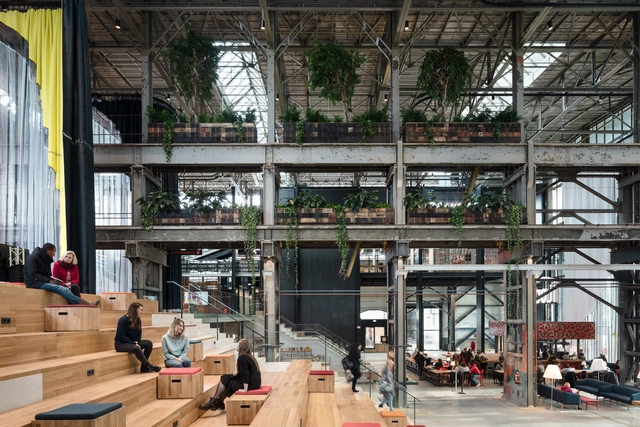
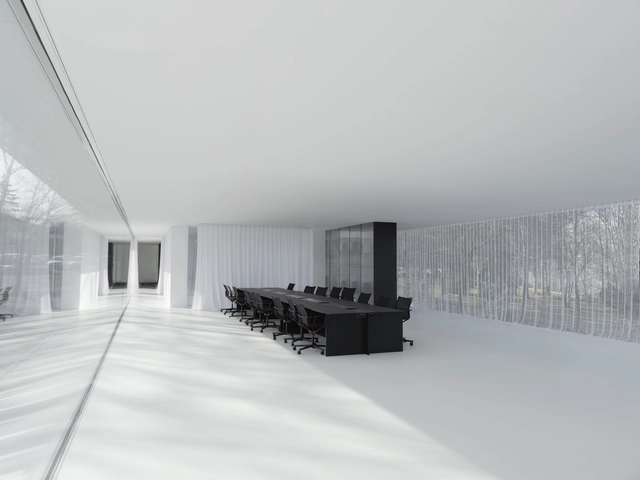
As we continue to navigate the ongoing pandemic, the future of offices and workspaces has been widely debated. However, some immediate effects are clear: the rigid, primarily in-office model has been quickly replaced by hybrid work, with adaptability and comfort becoming the top priorities. Therefore, even as long-term consequences might be unclear, businesses will certainly have to strive for the right balance between traditional and remote methods in order to promote efficiency and employee well-being. From a design and architecture perspective, demand will focus on flexible working environments that foster creativity, productivity, and comfort – as well as addressing the associated technological, economic, and sustainability challenges.
Continuing its long-lasting collaboration with Prada, OMA’S research and design branch AMO created a cinematic scenography for the brand’s 2022 Fall Winter Menswear show. Yellow carpeting envelops the hall of Deposito at Fondazione Prada, reimagined as a theatrical setting with olive-green theatre chairs and stage lighting. In juxtaposition, sci-fi looking metal-clad tunnels bathed in neon lights emphasize “the uncanny relationship between the theatrical and technological atmospheres”.
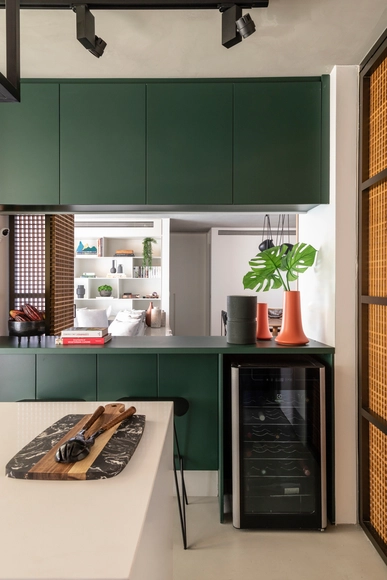
Although they are not considered long-stay areas in a home, kitchens and bathrooms are spaces where functionality is essential for the daily lives of residents and visitors. Of all the elements in wet areas, the ones that need special attention are the worktops. In this text we will point out some tips for designing functional wet area countertops, easy to maintain and appropriate for their uses.
The Royal Institute of British Architects (RIBA) has named Friendship Hospital in Bangladesh, designed by Kashef Chowdhury/URBANA as the winner of the 2021 RIBA International Prize, the biennial award highlighting worldwide projects that "demonstrate design excellence and social impact". The remote community hospital set within a riverine landscape translates the site's conditions prone to flooding into the central theme of the design, crafting a serene environment around the water element. The jury commended the project's thoughtful and innovative design within a modest budget, its use of local craftsmanship, and its climate-resilient response.
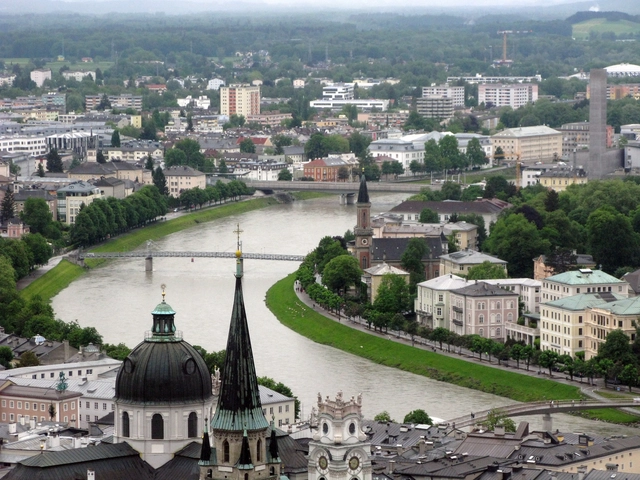
Salzburg seen from the Festung Hohensalzburg (Hohensalzburg Fortress). Image via Flickr User Janusz Sliwinski
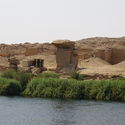
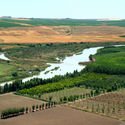
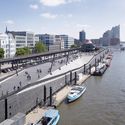
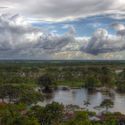
Rivers have long been considered as Earth’s arteries, serving as the essence of urban communities as human settlements developed their shelters and crop beds around them. Centuries later, riverside architecture remained vital as these areas expanded beyond residential typologies, and harnessed dynamic mixed-use developments and public functions. As valuable as they may seem though, these landscapes come with the risk of unexpected floods, increased water levels, or complete droughts, which has forced architects to design built environments that are able to respond to these abrupt changes. So how were these settlements built in the past, and how has today’s urban densification and technological advancements influence the way they are built?
Early last week, the European Commission and the Fundació Mies van der Rohe announced the 40 shortlisted projects of the EU Mies Award, a prize that commends excellence in architecture, highlighting its contribution to sustainable development. In this context, and two years after the European Parliament voted to support the Green Deal, we review the steps taken by the EU in 2021 towards achieving its sustainability goals and shaping a resilient built environment.
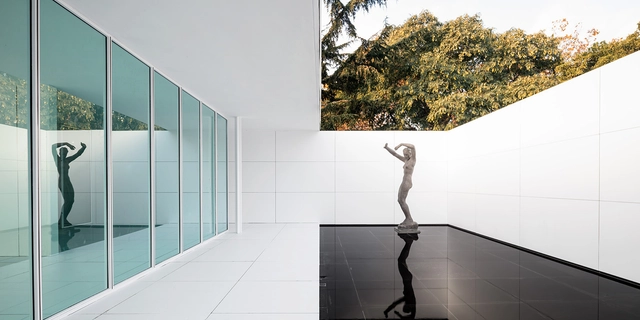
In 1929, Ludwig Mies van der Rohe and Lilly Reich design the German National Pavilion for the 1929 Barcelona International Exhibition. The official reception for the exhibition was held there, presided over by King Alfonso XIII and the German authorities. From then on, the story is well known to everyone. A symbolic work of the Modern Movement, the Pavilion has been extensively studied and interpreted, and has inspired the work of several generations of architects.
Staircases can seem like an unalterable part of a building’s DNA. Whether part of a new build or a refurbishment, it can be difficult to imagine changing the angle, direction, or even the placement of the stairs, so choosing the right type can be key. Here are ten different ways to unlock that dream interior.
Over the last century, cars have been the dominant element when designing cities and towns. Driving lanes, lane expansions, parking garages, and surface lots have been utilized as we continue our heavy reliance on cars, leaving urban planners to devise creative ways to make city streets safe for pedestrians and cyclists alike. But many cities, especially a handful in Europe, have become blueprints for forward-thinking ideologies on how to design new spaces to become car-free and rethink streets to make them pedestrian-friendly. Are we experiencing the slow death of cars in urban cores around the world in favor of those who prefer to walk or ride bikes? And if so, how can it be done on a larger scale?
Architect Cino Zucchi (b. 1955) grew up and practices in Milan, Italy. He was trained at MIT in Cambridge and the Politecnico di Milano, but claims to be largely self-taught, although influenced by such of his countrymen as Aldo Rossi and Manfredo Tafuri. He is internationally known for diverse projects across Europe. Many are both abstracted and contextual residential complexes in Italy, particularly in Milan, Bologna, Parma, Ravenna, and, most notably, in Venice. Zucchi’s D residential building in Giudecca, attracted international attention and praise when it was completed in 2003. I met Cino Zucchi last year during the Venice Architecture Biennale; that meeting led to an extensive interview that we recently engaged in over Zoom between New York and the architect’s sunlight and books-filled Milan studio.






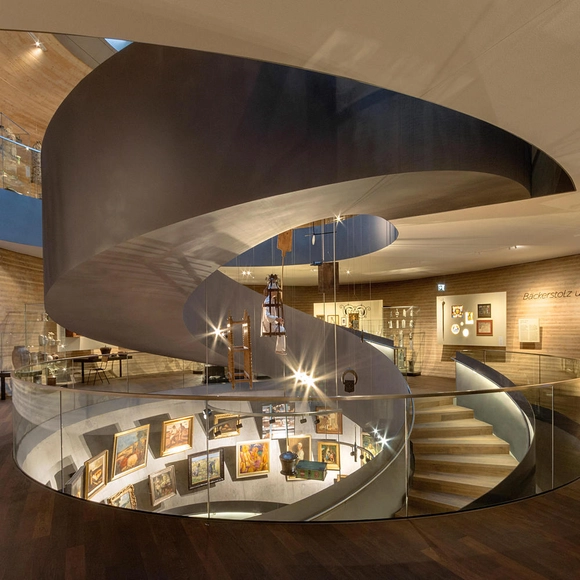
.jpg?1643280352 "The World’s First Fully Accessible Art Depot Museum is Opening to the Public. Image © Ossip van Duivenbode / MVRDV")