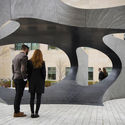
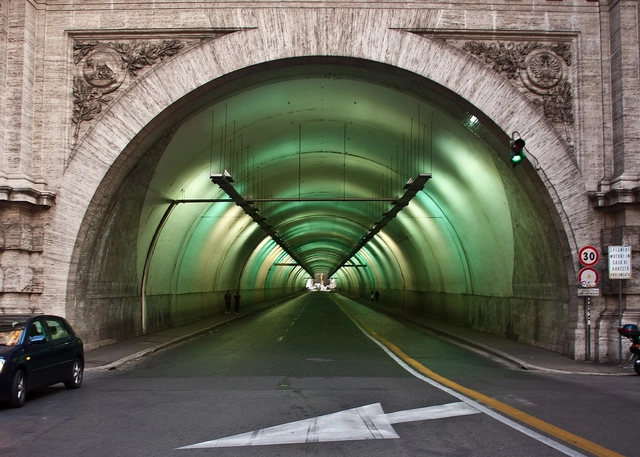
Umberto I Tunnel in Rome. Photo: Andrés Nieto Porras from Palma de Mallorca, España, CC BY-SA 2.0 , via Wikimedia Commons
Smart buildings are more and more on the agenda. For their elaboration, some materials have been developed to meet specific objectives during their use without the need to be operated by any person or equipment. Self-maintenance, cleaning the air, working with the comfort of space, energy efficiency, are just some of the benefits that can be achieved by adopting them.
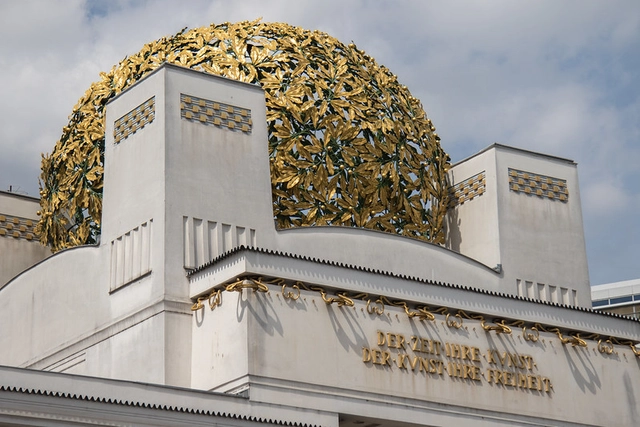
All architecture movements throughout history spur from shifts in society that demand a new style that better reflects the way that technology has advanced the practice and how people express their political, religious, and moral beliefs and practices. While some shifts occur over a period of several years, others are experienced as a sudden revolt. The Vienna Secession was undoubtedly the latter. At the end of the 19th century, a group of artists and architects aimed to explore what art should be as it pertained to filtering global influences in a way that could introduce new modernism.
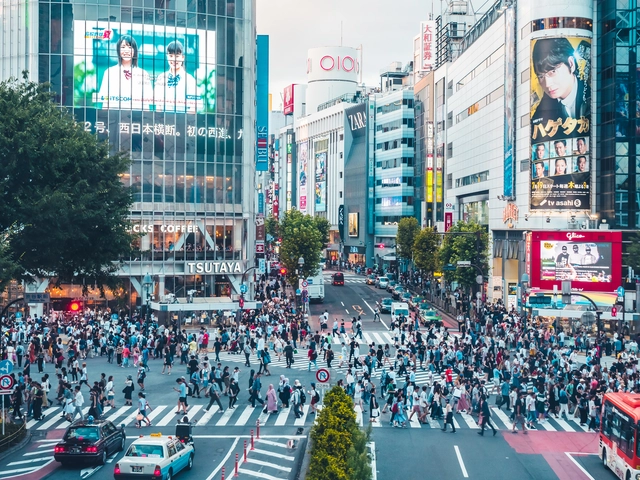
Half of the world’s population now lives in cities, according to UN-Habitat’s latest reports. While this number is set to increase to two-thirds by 2050, urban challenges are growing exponentially, making it more crucial than ever, to transform our cities. Annually, the world population review assesses the growth of cities and the number of residents living in metropolitan areas, to understand global evolution trends. In 2022, the list of the top 20 most populated countries remained similar to the 2021 edition, with a slight change in numbers and positions. Tokyo kept its status as the world’s largest city, with 37 million inhabitants, while Delhi and Shanghai, followed in second and third positions.
Comparing the results to the 2021 edition, the only decrease that can be seen in the top 20, involves both Japanese cities, Tokyo and Osaka. The rest of the list had, on average, a growth of 1.8% in the total of people residing in metropolitan areas. In fact, African cities Kinshasa in the Democratic Republic of Congo and Lagos in Nigeria gathered the highest rates, with respectively a 4.39% and a 3.54% increase in residents in 1 year. The largest city in the American continent is still Sao Paulo in Brazil, followed closely by Mexico City and Buenos Aires in Argentina, further down the table. In Europe, Istanbul is the most populous, with more than 14.5 million residents.
ZHA_RAS_Architecting the Metaverse. Image Courtesy of ZHA
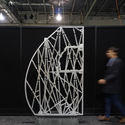
Dongdaemun Design Plaza (DDP) has collaborated with Zaha Hadid Architects (ZHA) for the 'Meta-Horizons: The Future Now' exhibition in Seoul, Korea. Designed by ZHA to promote the instigation and exchange of new ideas and to showcase innovative technologies and media, the inaugural exhibition of DDP’s new Design Museum explores ZHA’s work across multiple fields, from digital technology to artificial intelligence and virtual reality, featuring the firm's recent designs, process, and research that incorporates immersive technologies and new fabrication techniques. The exhibition will be on display from 26 May - 18 September 2022.
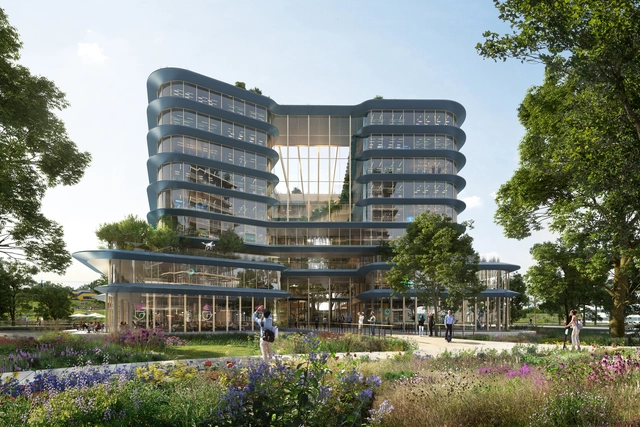
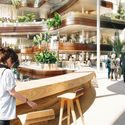
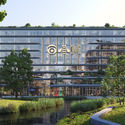
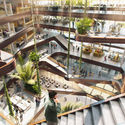
Powerhouse Company has revealed the design of the new IBMHeadquarters in Amsterdam, Netherlands. The architects drew inspiration from the client’s ethos to create a building that functions as a vertical city, with a large atrium conceived as the central social space and multi-tenant offices as neighborhood units. The 35,000 square meter building will house startups and scaleups in addition to the various amenities like fitness areas, restaurants, and lecture halls.
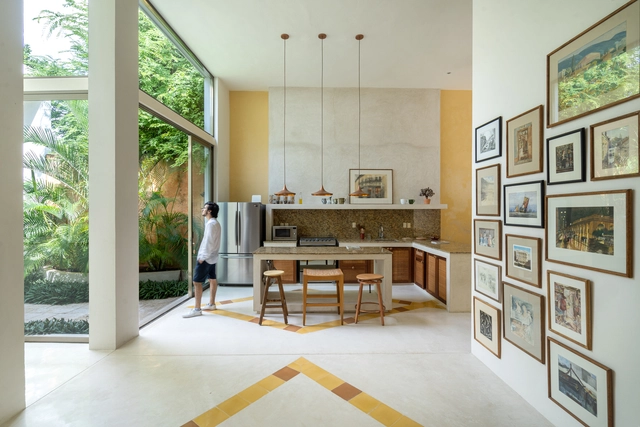
Over the years, interior design has evolved according to the needs that arise, but above all, according to the experiences it seeks to evoke in the user. Over the last two years, we have witnessed a radical change and a special interest in this subject because the pandemic forced us to pay specific attention to the configuration of the places we inhabit. This brought about much more holistic designs that seek to address the wellbeing of the user, combining colours, sensory experiences, technology and natural elements that promote health.
This week’s curated selection of Best Unbuilt Architecture highlights residential projects submitted by the ArchDaily community. From a small community-dwelling in Ghana to a villa tucked under a hillside in Portugal, this roundup of unbuilt projects explores how architects react to various site topographies, cultures, and material availability when designing spaces that provide more than shelter to their users. The article also includes projects from India, Iran, Ireland, Latvia, Georgia, and Saudi Arabia.
Throughout the years, coffee shops and cafés alike have become so much more than just a place to acquire a delicious brew. Since the first coffee shops were established, they have been used as social places to congregate and meeting points for the public. Alongside the development of coffee shops came the ‘coffee culture’, a set of traditions and rules regarding the way cafes are used, and the way these delicious brews are enjoyed.
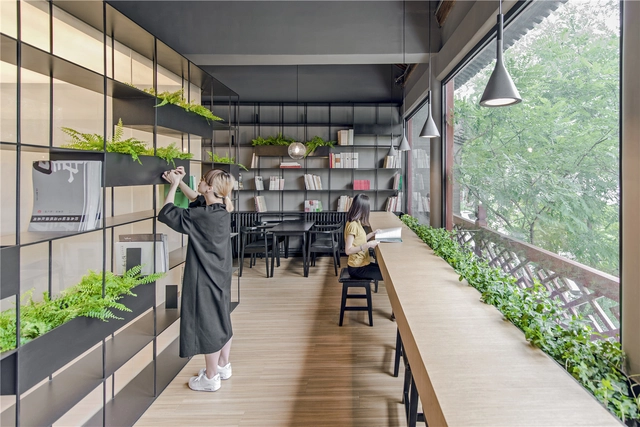
Coffee shops are everywhere, not just on our city’s high streets, but globally beloved. They offer an atmosphere that is warm and inviting, with a focus on the ambiance and aesthetic of the space as well as the services they offer, with some cafes housing multiple functions beyond the brew. Therefore, the question stands: how are coffee shops today tapping into creating new spaces that are interesting and bring new life to the beloved culture?
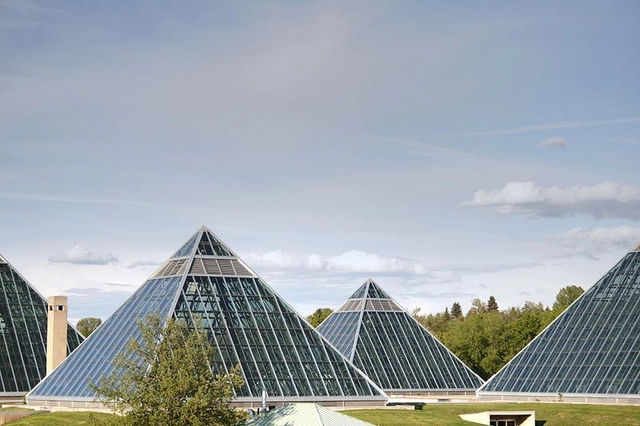
As one of the wonders of the world, the Egyptian pyramids are steeped in rich history and shrouded in mystery. Using their unparalleled resources to create structures on a scale that had never been seen before, the ancients used the pyramid shape to construct structurally resilient and visually powerful icons, surviving the ravages of time. Presenting a new definition in terms of monumentality, these architectural marvels remain a timeless and influential form for design concepts today.
Although its origins are historical in nature, this iconic structure is resurfacing in many architectural projects around the world, modern pyramid architecture for a range of different functions and applications. From sustainable building, museums, malls and residential structures, the pyramid typology is visually enthralling and can be constructed in a range of different materials and environments.
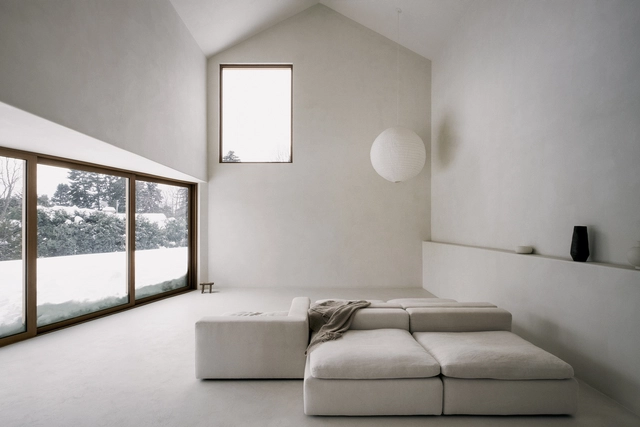
The visual aesthetic of the past few decades could be defined as designing with the principles of ‘nothingness’. Whether it’s through art, lifestyle, fashion, industrial, or interior design, there has been an alleged need to keep things at a bare minimum, promoting the globally-loved-yet-highly-criticized trend of minimalism. Minimalism is this notion of reducing something to its necessary elements, but who is deciding what is necessary, and who is deciding what is too much? With those questions in mind, combined with radical changes in consumerism and the way people live seen during recent years, current trends have shown that minimalism might be here to stay, but with a twist.
The Graham Foundation has announced the award of 56 new grants to individuals exploring ideas that expand contemporary understandings of architecture. The recipients have been selected from an open call that resulted in nearly 500 submissions. The selected projects are led by 81 individuals with diverse backgrounds. The funded projects, including exhibitions, publications, films, and podcasts, among other formats, encourage experimentation and foster critical discourse in architecture.
Eva Franch I. Gilabert is one of the three artistic directors of Model. Barcelona Architectures Festival, together with Beth Galí I. Camprubí and José Luis de Vicente. The first edition of a project that has taken the city of Barcelona as a place for experimentation and debate.
From the 5th to the 15th of May, they took the public space and transformed it into both a playground and platform for international voices, local architects, policymakers, politicians and citizens, to engage and discuss what the future of Barcelona and other cities could be.
"Growing up queer means experiencing the destabilizing absence of a broad and accessible queer history, most notably, in our case, in relation to spatial design". This account is what intrigued artist Adam Nathaniel Furman and architectural historian Joshua Mardell to bring together a community of contributors who bring new perspectives to the field of architecture and share stories of spaces that challenge cis-heteronormative morals, sheltering lives that seek to live their own truths. The result of this quest is a book titled Queer Spaces: An Atlas of LGBTQIA+ Places and Stories, which explores stories about distinct social, political, and geographical contexts within the community.
Unions are a trend among college-educated young people, the New York Timesreports. They seek solidarity—collective leverage—to bring about desired changes that are being resisted. While Amazon and Starbucks get the headlines, younger architects are also organizing. Doing so is urged on by The Architecture Lobby, a group that leans Democratic Socialist. The Manhattan-based firm SHoP was a recent, ultimately unsuccessful target of a group of its employees and a sponsoring trade union.
Machine learning and generative design are profoundly shaping modern life. A central critique to the value and advancement of artificial intelligence, especially in the context of architecture, is the ability for a machine to design, as well as the resulting fear that professional services may be limited. As cities continue to develop, new tools emerge to help envision and create the built environment. How can architects embrace generative design to reimagine models of sustainability, inclusive practice, and new aesthetics?
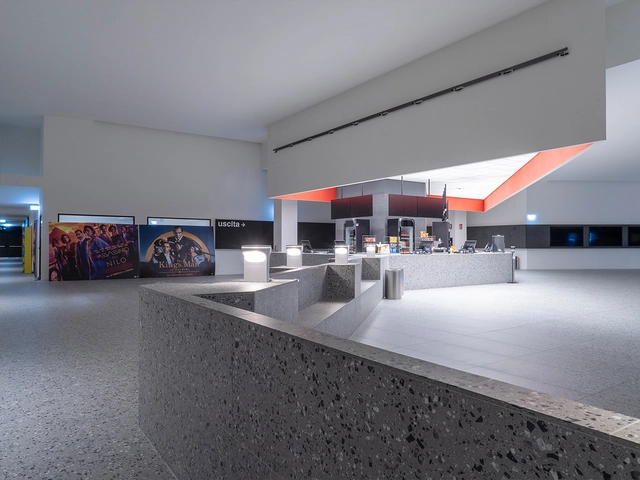
Arcadia Cinema / DW9. Image Courtesy of Iris Ceramica Group
In the context of the pandemic, where several businesses were forced to close temporarily, movie theaters across the world were among the most affected. Fast forward more than two years later, and the lingering effects of COVID-19 are still present, marking a turning point in the traditional cinema experience. But even as attendance is still not close to pre-pandemic levels, certain segments of moviegoers are enjoying the benefits of the giant screen, comfortable seats, massive speaker systems and theater snacks.
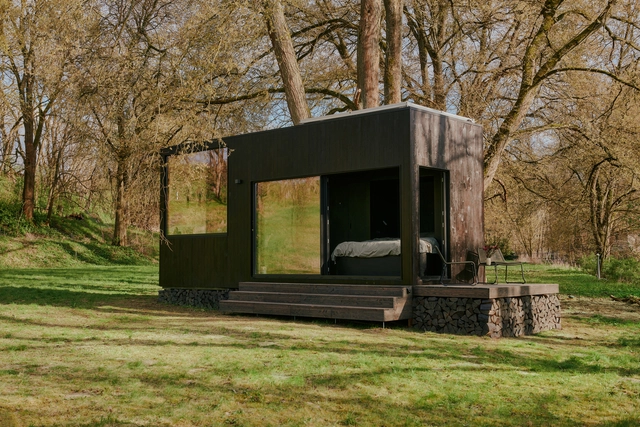
Berlin-based hospitality tech start-up Raus has collaborated with Danish designer and architect Sigurd Larsen to create nature-inspired cabins in the middle of nature. The small retreats are designed with eco-friendly features, offering city dwellers the opportunity to escape the bustling city life, and stay in a chalet that combines art, culture, and nature. The cabin will be temporarily located on the grounds of Wehrmuehle in Biesenthal, Brandenburg, and will soon expand beyond Germany and its borders.




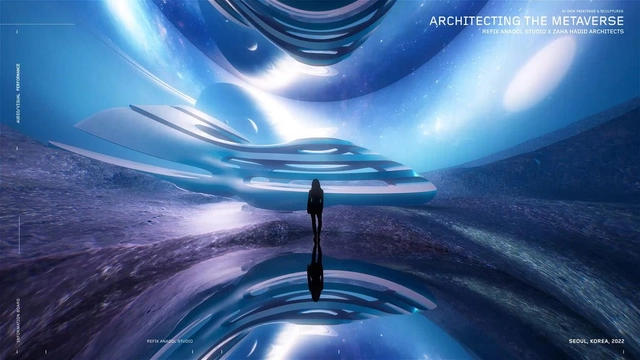
.jpg?1653902387 "ZHA_RAS_Architecting the Metaverse Render. Image Courtesy of RAS")
.jpg?1653902366 "ZHA_RAS_Architecting the Metaverse Render. Image Courtesy of RAS")

.jpg?1653901572 "ZHA_RAS_Architecting the Metaverse. Image © Kyungsub Shin")