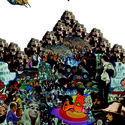
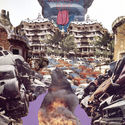
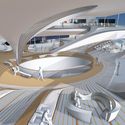
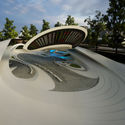
Zaha Hadid Architects - ZHA has unveiled a virtual "libertarian micro-nation" in the metaverse titled The Liberland Metaverse, where residents can buy vacant plots centered around a curated urban core, and access them as avatars. The community features hyper-realistic districts that encourage urban self-governance and zones where the absence of urban planning "allows for a spontaneous order via a free-wheeling discovery process".
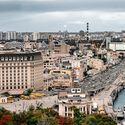
The United Nations Educational, Scientific, and Cultural Organization (UNESCO) has expressed concern over the damage caused to historic landmarks in Ukraine and called for the protection of its cultural heritage. At the same time, the organization has taken action within its capabilities to help safeguard the endangered sites. Ukraine is home to seven World Heritage sites, including the 11th-century Saint-Sophia Cathedral and the entire ensemble of the Historic Centre of Lviv. In addition, several sites in the recently damaged cities of Kharkiv and Chernihiv were on the tentative list for potential nomination to World Heritage status.
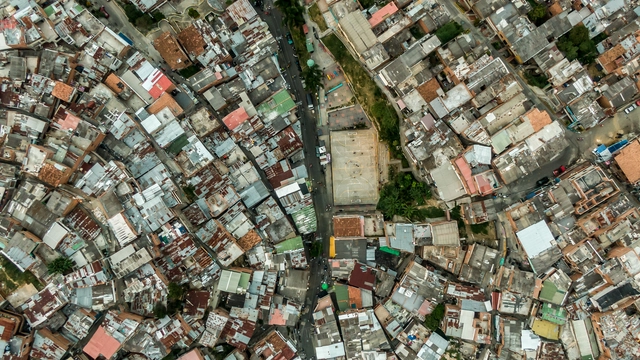
Distrito 13 en Medellín, Colombia. Imagen de JorgePM. Image via Shutterstock
Within the Latin American and Caribbean region, it has been recorded that at least 25% of the population lives in informal settlements. Given that their expansion is one of the major problems afflicting these cities, a project is presented, supported by the IDB, which proposes how new technologies are capable of contributing to the identification and detection of these areas in order to intervene in them and help reduce urban informality.
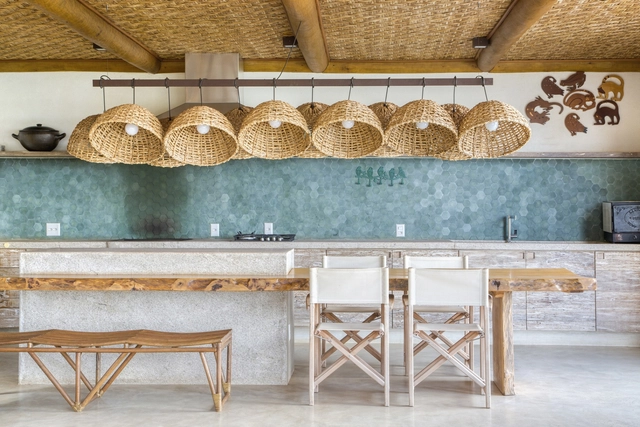
Handicraft translate the culture of a people and, therefore, carry a strong presence when placed in residential spaces. Through the most varied techniques, it represents traditional methods and acts in the memory of each person who crosses it. Therefore, regardless of the scale at which it is presented - from small art objects to large furniture, or even as a component of architecture itself -, thinking about handcrafted elements can be an important step in improving the aesthetic language of a project.
A recent survey made by our development team revealed that one out of four architects and designers identifies working conditions as their biggest frustration at the workplace. If architecture has been pushed to open and become more proactive, propositive, and inclusive, then finding your dream job should not be that hard either.
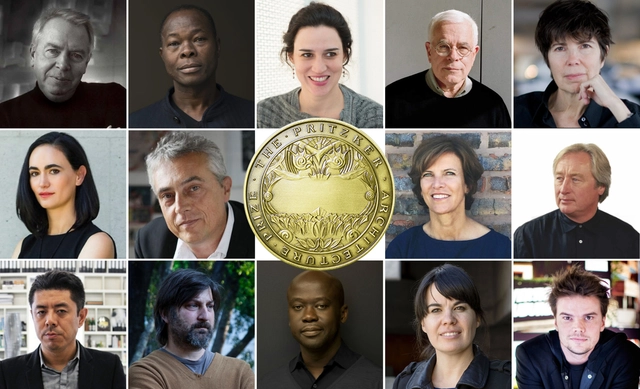
As part of our yearly tradition, we have asked our readers who should win the 2022 Pritzker Prize, the most important award in the field of architecture.
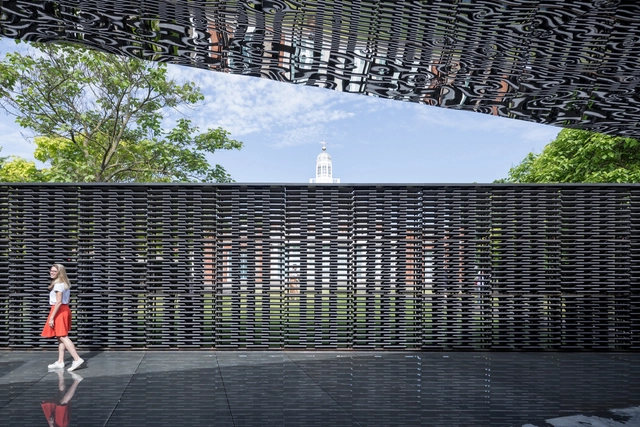
The Metropolitan Museum of Art in New York has selected Mexican architect Frida Escobedo to design the new $500 million modern and contemporary art wing. The Met does not have, until now, a thematic area that would house pieces corresponding to this temporality in art.
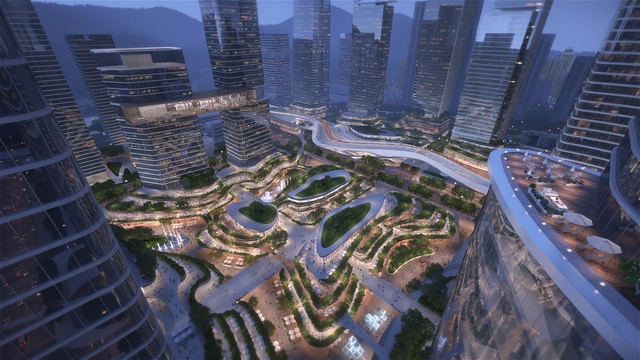
Aedas has won an international competition to design Shenzhen's new Qingshuihe Comprehensive Transportation Hub in a joint venture with China Railway Siyuan Survey and Design Group Co., LTD and Shenzhen Urban Transport Planning Center Co., LTD. The master plan draws inspiration from the natural environment of the area, integrating nature and water elements into the high-density city to build a unique new emblem for Qingshuihe. The underground compact hub releases large above-ground spaces which will feature urban terraces, offices, five-star hotels, first-rate apartments, science and technology exhibition halls, and other facilities.
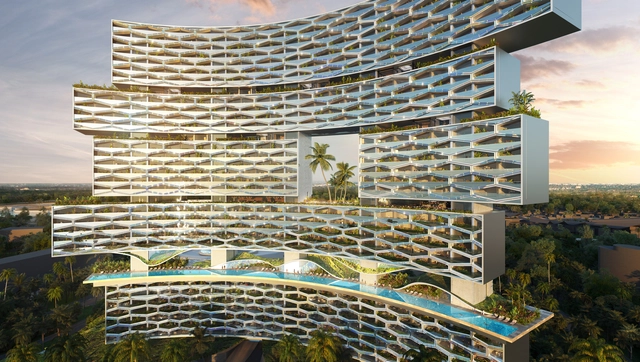
Büro Ole Scheeren has revealed the design for a tropical resort complex in Sanya, one of China’s most popular holiday destinations. The project establishes a strong connection with its natural environment, amplifying the presence of lush greenery. The stacked volumes create a curved façade embracing the ocean and amplifying the panorama, while the offsets and openings create the opportunity for natural plantings throughout the building, bringing to life a version of the hanging gardens.
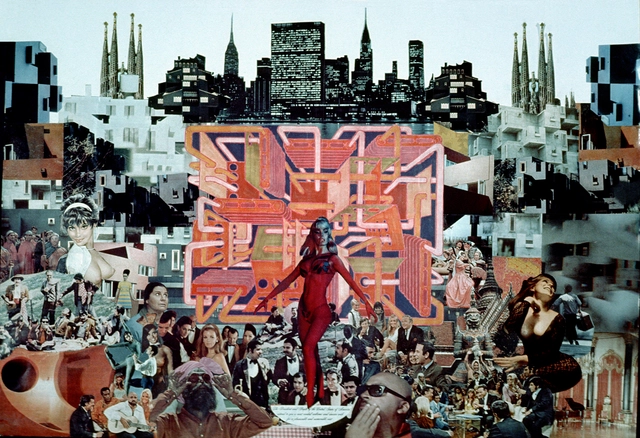
La ciudad en el espacio. Image Cortesía de Ricardo Bofill Taller de Arquitectura
It was 1968 when Ricardo Bofill Architecture Workshop's published a kind of manifesto in reaction to the pressing demands of a society in constant transformation. The idea of the City in Space saw the light of day for the first time and was proclaimed as an absolute architecture, capable of resolving all the complexities of its contemporaneity through a unique open, flexible and three-dimensional model.
Statement interiors leave a lasting impression on both frequent and infrequent users, whether with striking pieces of furniture, oversized lighting, or even a bold feature wall. The very best creations, however, don’t need to beg for attention to be recounted afterward, they let praise come to them with a peacocking presence so extravagant, it’s impossible not to take notice.
In the architectural conversations taking place today, sustainability is a key topic of interest. Architecture firms embrace the term as a key part of their design ethos, and architecture schools globally have integrated designing “green” architecture as a core component of their curriculums. This sustainability conversation has also filtered down into more individual actions one can take within their immediate context. Online, for instance, guides abound on how you can make your home more eco-friendly and energy-efficient.
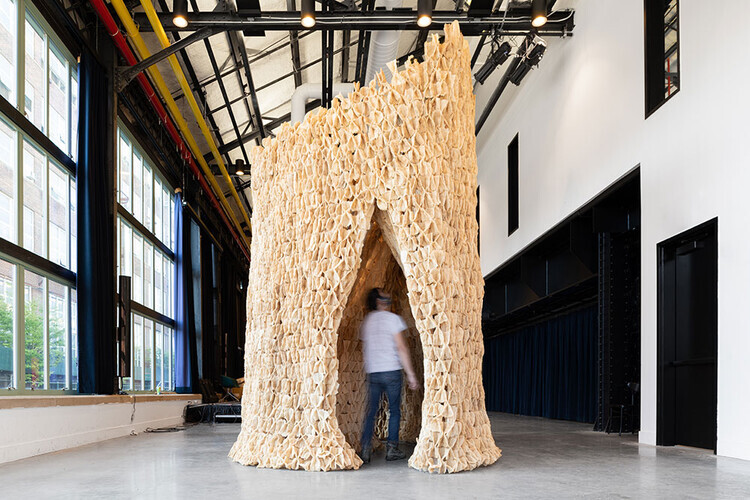
Advances in biotechnology and material science are opening new material opportunities, with the potential of fundamentally changing the connection between the built environment and the natural world. Building materials and construction account for 11% of greenhouse gas emissions. The AEC industry can contribute to curbing climate change in the following years, and the re-evaluation of commonplace building materials is one of the most critical steps. Bioengineered materials, which grow, produce energy, self-heal, are the next frontier in biology and material science and potentially a path towards a new kind of architecture. Although innovation in these fields is still far away from mainstream commercial use, it promises to dramatically change the image of the built environment.
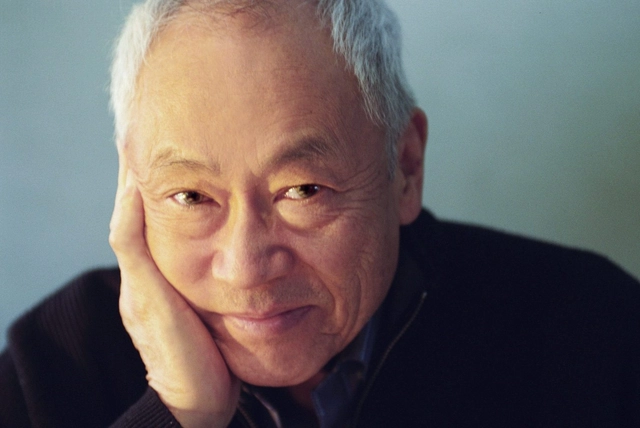
American architect Gyo Obata, FAIA, co-founder of renowned architecture firm HOK, has passed away on March 8 at the age of 99. The news was announced by the office through a statement, honoring the architect's legacy and highlighting his holistic approach which "helped drive HOK’s ongoing expansion into new specialty practices, market sectors and geographic regions".
As the city continues to evolve and transform, dead edges in the cityscape begin to emerge, subsequently reducing the level of activity in our built environment. These 'dead edges' refer to the areas that lack active engagement, they remain empty and deprived of people, since they no longer present themselves as useful or appealing. As the Covid-19 pandemic draws to an ultimate close, the first issue we may face post-pandemic is to revive our urban environment. A kiss of life into a tired and outdated cityscape...
The focal element in creating an active and healthy urban environment is by increasing vitality through placemaking. Creating diverse and interesting places to reside, thrive, and work. Here are five regenerative strategies that animate the cityscape and ultimately produce resilient, attractive, and flexible environments.
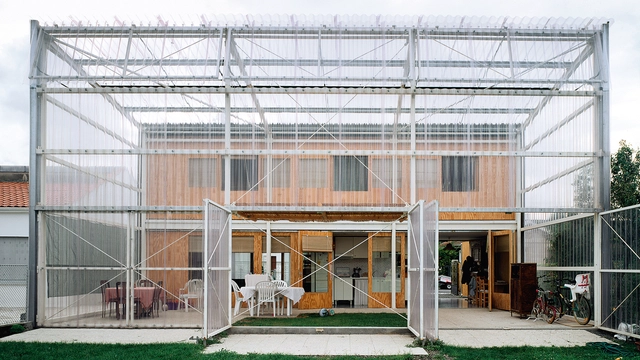
Although it was originally published in 2019,this essay by Randy Nishimura, lightly updated, serves as a rebuttal of sorts to Duo Dickinson’s recent Common Edge piece, “The Architectural Pandemic of the ‘Stick Frame Over Podium’ Building.” Dickinson likens the building type to a plague; Nishimura offers a contrarian’s perspective.
A recent spate of articles bemoaning the proliferation of 5-over-1 apartment buildings caught my attention. Outlets such as Bloomberg, Common Edge, Crosscut, and Curbed have all commented on the building type, the common thread being a reproach for their ubiquity, sameness, and inexpensive construction. Some of the critiques rightfully point to the confluence of multiple factors—evolving building codes, a lack of developable land, rising construction costs, and an acute lack of affordable housing—that have given rise to countless examples of the type across the country. The same dynamics are in play here in my hometown of Eugene, Oregon, so we naturally have our share of 5-over-1 developments.
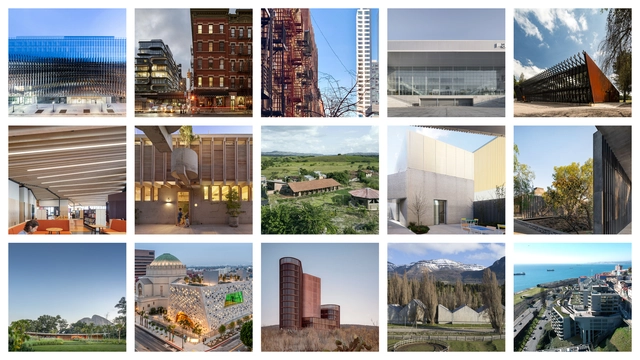
Mies Crown Hall Americas Prize announced the full list of jurors for its fourth edition, chaired by Sandra Barclay of Barclay and Crousse Architecture, and just released the nominated projects comprising 200 built works in North and South America, for MCHAP 2022 and 50 projects for MCHAP.emerge 2022.
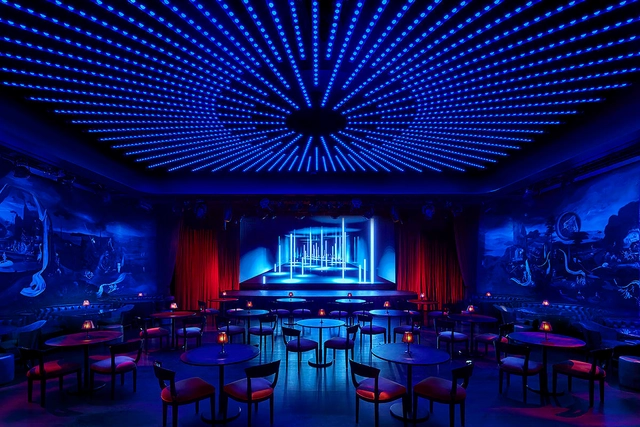
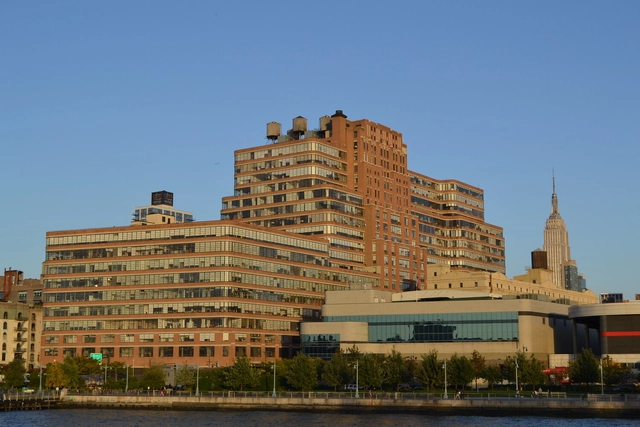
David Adjaye Associates has been commissioned to design an exhibition with rare and previously unreleased work of Jean-Michel Basquiat, to be hosted at the Starrett-Lehigh Building in West Chelsea, New York. "Jean-Michel Basquiat: King Pleasure" is the first show organized by the artist's family after his death and will feature over 200 paintings, drawings and artefacts, together with recreations of Basquiat's New York art studio and the Michael Todd VIP Room of the Palladium nightclub, for which the artist created two paintings.


.jpg?1647330953&format=webp&width=640&height=580)
.jpg?1647330953 "© Mytaverse")
.jpg?1647330909 "© Mytaverse")
.jpg?1647330953)