Without a doubt, pivot doors are more in style than ever. Rotating on a vertical axis with nearly invisible components, these swinging doors are characterized by their clean lines, contemporary aesthetic and endless design possibilities – features that make them ideal for a wide array of applications, especially as grand design statements. They particularly stand out, however, for their beautiful and elegant movement that allows smooth transitions between spaces, setting them apart from regular hinged doors. To ensure that this characteristic motion is achieved, two steps are indispensable: selecting high-quality hardware and installing it properly.
The end of the 19th century in the Americas is marked by a wave of historical disputes and political transformations that have as a backdrop the search for a national identity. The period records a series of conflicts and disputes for the independence of what we now know as sovereign countries and republics. In this context, the Pan-American or Spanish-American movements emerged, which, despite having different political influences, aimed at the unification of all the territories of the American continent.
Mayor of New York, Eric Adams, expressed his support for a state bill that would make it easier for the city to convert underutilized or vacant hotels into affordable and supportive housing. The mayor urges New York state legislators to unlock a critical tool in combating the affordable housing crisis and tackling homelessness in the process. The conversion framework proposed by the bill would allow authorities to create affordable housing units at two-thirds of the cost and one-third of the time necessary for ground-up construction.
The digitisation of architecture and design projects has been going on for some time now and has increased even more, largely due to the global pandemic. To hear talk of the metaverse, the NFT or the digital twins seems to be commonplace at this time, when the digital economy is booming and where architects and designers who seek to move from the physical world to the virtual world are beginning to proliferate. But will virtuality be the future of architectural visualisation?
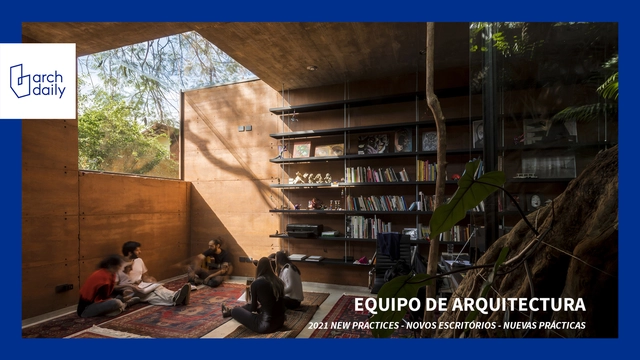
Equipo de Arquitectura was founded by Horacio Cherniavsky and Viviana Pozzoli in 2017. From Paraguay, their works such as Earth Box or Intermediate House translate the vision of an architecture that deals with the primitive and essential. One that constantly seeks to integrate the existing natural environment with the artifice, the built. In particular, bringing material sincerity as a design ethic.
Selected by ArchDaily as one of the Best New Practices of 2021, we conducted the following interview to tell us more in detail about all their inspirations, motivations and ways of working.
Henning Larsen revealed the design for World of Volvo, an experience centre for the Swedish car manufacturer that highlights the Scandinavian landscape and architectural traditions. Currently under construction, the project features a circular timber structure that takes on a modern approach to traditional construction material, while expressing openness and an intimate relationship with the landscape. The venue is set for completion in late 2023 and will open to visitors in 2024.
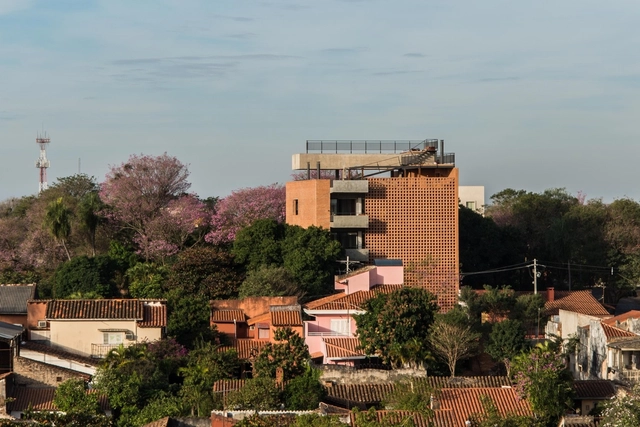
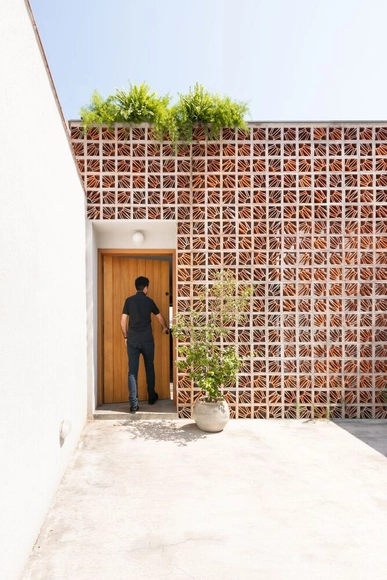
Visual permeability, ventilation and a strong identity appeal, the hollow elements have increasingly found their place in contemporary architecture. Whether in large buildings or small residences, they appear in different shapes, materials and compositions, helping to determine the degree of interaction between interior and exterior space. This artifice in a residential construction is an important tool to ensure privacy and intimacy, without losing the possibility of connections to the outside and natural ventilation.
In New Mexico, irrigation channels that have been in continuous operation for three centuries replenish and nourish the wetlands of the American Southwest. These channels are known as Acequias – communally managed water systems built on democratic tradition. Members of the community own water rights, who then elect a three-person team to oversee the channels. In Cairo and Barcelona, Tahrir Square and Plaza de Catalunya have acted as important sites for voicing political dissatisfaction. The Tahrir Square protests of 2011, for instance, resulted in the eventual toppling of an almost 30-year-old government.
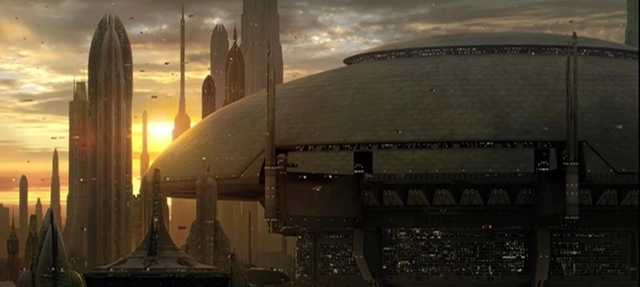
The Senate Building, Coruscant . Image via Star Wars, Revenge of the Sith / George Lucas
Depicting architectural visualizations of the future is no easy feat, so it makes much sense for designers to use aspects of our existing architecture as a foundation for these fictional worlds. Despite recent advancements in terms of animation technologies and CGI, there is still substantial use of existing architecture to provide tangible structural elements in film.
In terms of recycling architectural aesthetics, elements of the past and future are often integrated to create a hybridized style, an amalgamation of Retro, Dystopian, Modernist and Futuristic themes. From the resurgence of ancient pyramids and temples, to skylines reminiscent of the city of New York, visualizations vary depending on different notions of what our future may look like.
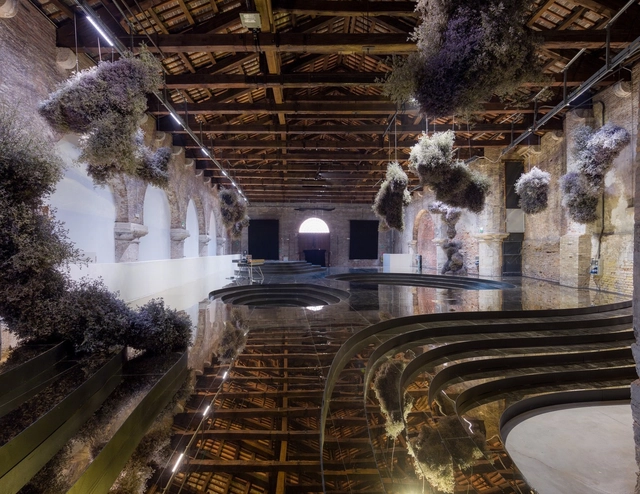
dixit algorizmi - the garden of knowledge. Image Courtesy of Uzbekistan National Pavilion by Gerda_studio
The 59th International Art Exhibition - La Biennale di Venezia has officially opened its doors to the public on the 23rd of April, 2022. Titled "The Milk of Dreams”. the exhibition is welcoming more than 210 artists from 58 countries, to showcase over a thousand artworks and installations that promote art, science, research, and ecological transition from the environmental humanities.
The Art Gallery of New South Wales expansion designed by SANAA is set to open to the public on December 3rd, 2022. The project, dubbed Sydney Modern Project and first revealed in 2019, is the most significant cultural development in the city in almost five decades since the opening of the Sydney Opera house. The new building designed by SANAA, together with Australian practice Architectus as executive architect, features a series of pavilions of various sizes and gallery volumes cascading towards the harbour. The structure that opens toward its surroundings is designed to provide a backdrop for 21st-century art.
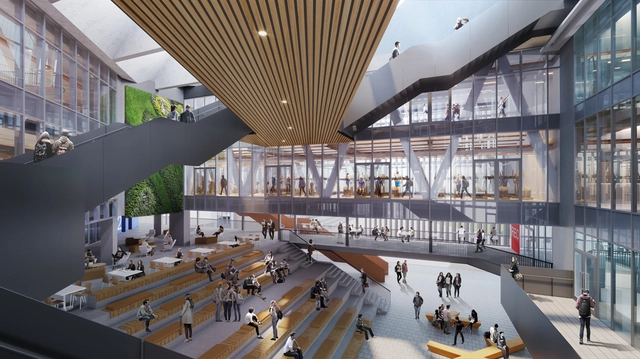
El centro recreacional, de bienestar y vida estudiantil de la Universidad de Lima. Image Cortesía de Sasaki
Over the past few years, educational campuses around the world have been confronted with various trends and challenges of change, such as pandemic adaptation, climate crisis, the responsibility for sustainable design and online teaching. SasakiArchitecture, with offices in Boston, Denver and Shanghai, specialises in planning educational campuses around the world. With a broad portfolio of projects at various scales of intervention, recent projects in the United States, China, Mexico and Peru stand out.
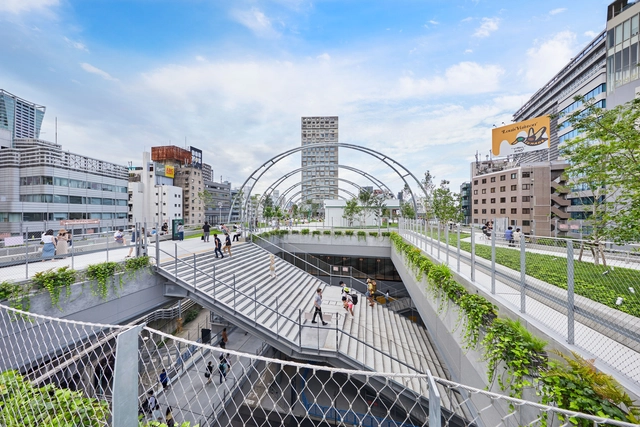
One of the world's leading metropolises, Tokyo is home to extraordinary architecture that fascinates through its blend of traditional values and high-tech expression. The 1923 earthquake and the bombardments of World War II dramatically influenced the image of the city and its architecture, giving rise to modern urban environments with complex infrastructure.
The Japanese capital constitutes the most populated metropolitan area in the world, housing 33 million inhabitants. Divided into 23 wards and numerous neighbourhoods, the city features a diverse blend of atmospheres and urban fabrics that support an amalgamation of architectural typologies.
While Stephen Zacks’ new book, G.H. Hovagimyan: Situationist Funhouse, is ostensibly about the life and work of the artist, there’s an intriguing and seemingly topical subtext looming in the background: the role of art and culture on the development and redevelopment of cities. It’s a complicated and sometimes fraught issue, prone sometimes to simplistic, even binary thinking. Zacks, a friend and former colleague at Metropolis, has always had a more nuanced view of the issue. Last week I reached out to him to talk about the work of Hovagimyan, the historic lessons of 1970s New York, and why “gentrification” needs a new name.
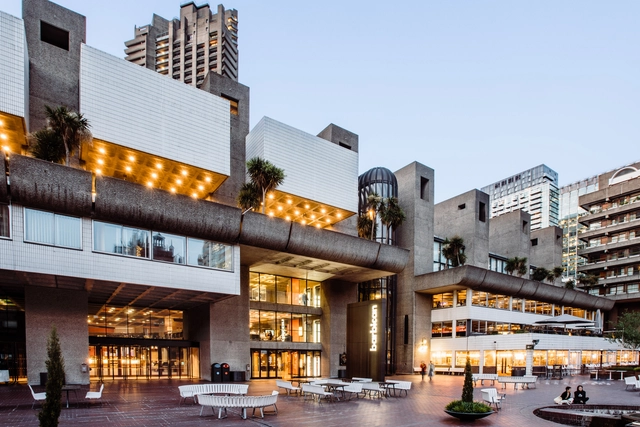
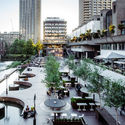
A collaborative design team led by Allies and Morrison and Asif Khan Studio has been selected to renew the famed Barbican Centre in London, United Kingdom. The winning design proposal preserves the building’s original architectural language and provides new opportunities for the center's diverse community of artists, audiences, and partners, boosting the building’s accessibility and performance quality.
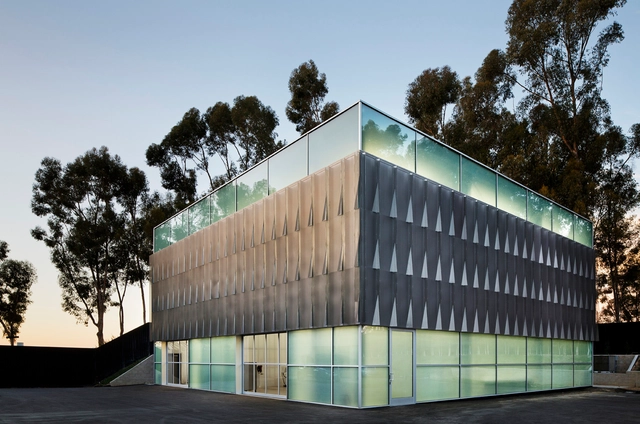
San Diego is a city tied to the ocean. In turn, its architecture responds to a variety of cultural influences and natural conditions. Home to diverse and distinct architectural styles, San Diego has everything from Queen Anne Victorian homes and craftsman bungalows to Spanish colonial revival structures. Besides monumental works like the Salk Institute and Geisel Library, San Diego is also home to a range of contemporary cultural and residential projects.
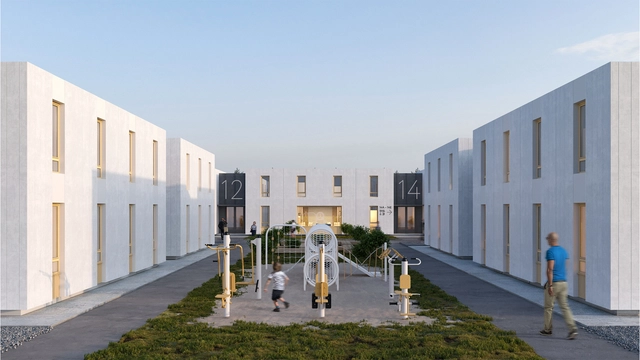
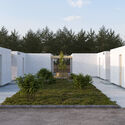
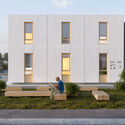
Since the beginning of the war, over 7.1 million people have been internally displaced within Ukraine. In response to this growing humanitarian crisis, Kyiv-based practice Balbek Bureau has developed a modular temporary housing system that aims to provide a dignified dwelling to internally displaced Ukrainians. RE:Ukraine is designed to adapt to different types of terrain and settlement density while being deployed in a short time frame. While the project was intended for areas of Ukraine that are not under fire, the framework can also accommodate refugees abroad.
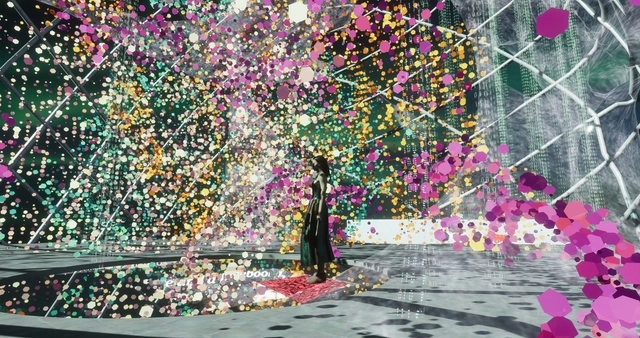
El poder de la Data - Mirador. Image Cortesía de Online Lab of Architecture (OLA)
The Power of Data is an exhibition created in a virtual building, conceived by three-dimensional geometries based on various artificial intelligence algorithms. The project was created by the OLA (Online Lab of Architecture) team of research architects formed by Jennifer Durand (Peru), Daniel Escobar (Colombia), Claudia Garcia (Spain), Giovanna Pillaca (Peru) and Jose Luis Vintimilla (Ecuador).

















.jpg?1582576434 "© Iwan Baan")
.jpg?1650190677 "© Daici Ano")


.jpg?1651131882 "Royal Festival Hall by Allies and Morrison. Image © Allies and Morrison")
.jpg?1651131879 "Southbank Centre by Allies and Morrison. Image © Allies and Morrison")
.jpg?1651131774 "Expo 2020 Dubai Portals by Asif Khan Studio. Image © Asif Khan Studio")