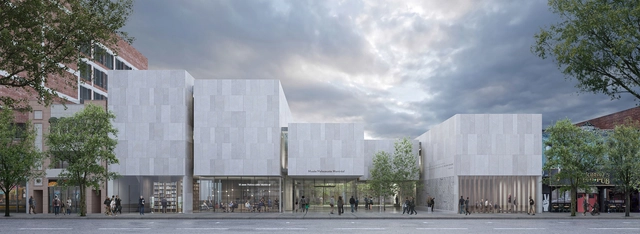
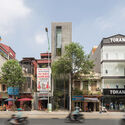
Exterior perspective from Saint-Laurent Boulevard. Image Courtesy of KPMB Architects + Daoust Lestage Lizotte Stecker Architecture
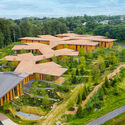
Following an international competition, the Montreal Holocaust Museum (MHM) has selected architecture offices KPMB Architects and Daoust Lestage Lizotte Stecker Architecture to design the new downtown museum building. Located on Blvd. St-Laurent, the museum is scheduled for opening in 2025. The MHM chose to move from its current location in response to the growing demand for its educational programs, which tackle important subjects such as the Holocaust, genocide, and human rights. The new building will contain multiple exhibition spaces, classrooms, an auditorium, a memorial garden, and a dedicated survivor testimony room.
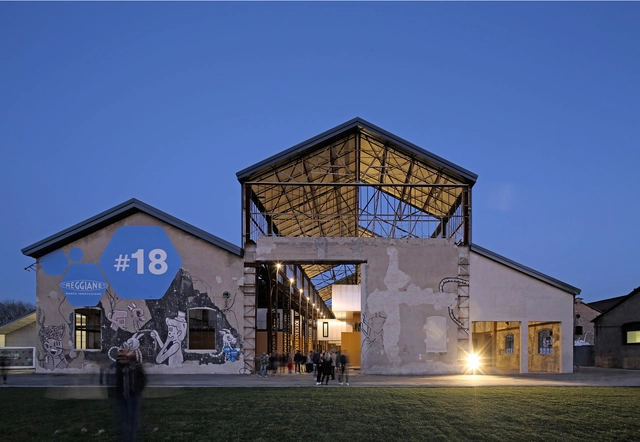
Winner project: Riqualificazione architettonica e funzionale del Capannone 18 nell’area Ex “Officine Reggiane”. Image Courtesy of Dedalo Minosse
The International Award for the Commission of Architecture “Dedalo Minosse” promoted the Italian association for professional Architects returns after three years on hold, to tribute worldwide architects. Firms like ODDO architects, Ryuichi Ashizawa, and The Kresge Foundation - Detroit are some of the winners for their promotion and contribution to the discipline. The Anniversary is also de 12th edition of the Dedalo Prize, which will be held From September 16 to October 2, 2022, in Vicenza, Italy. The event will host forums and workshops about and around the city, opening with the spectacular award ceremony at the iconic Teatro Olimpico, and continuing with a Multimedia exhibition at the Basilica Palladiana.
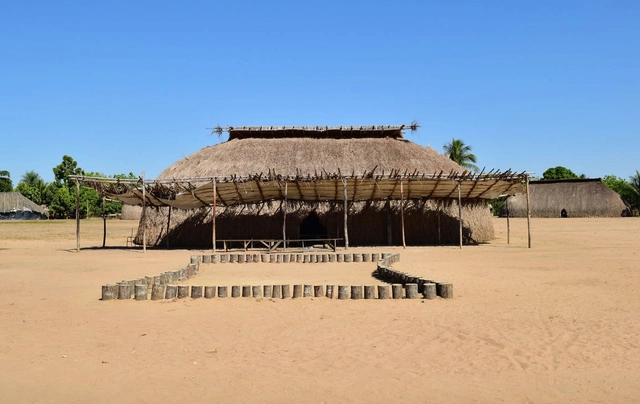
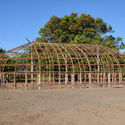
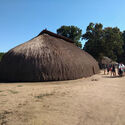
“We should admit nature as an immense multitude of forms, including each part of us, who are part of everything”, says Ailton Krenak, renowned indigenous leader, in his book Ideas to Postpone the End of the World. The culture of native peoples does not understand humanity and the environment as things that are separate or superior to each other, but rather as parts of a whole. Through this particular understanding of the universe, these peoples are led to a sensitive appropriation of the territory, with structuring beliefs that are also reflected in their architecture, raising the very concept of sustainability to another level, since nature is not seen as a resource to be used, it is thought of as part of the community.
Have you ever thought that practically all the cities in the world, since the dawn of humanity, were and continue to be created and designed by men? From urban design to building projects, from public transport to chairs – women have not been part of the process of creating everything around us.
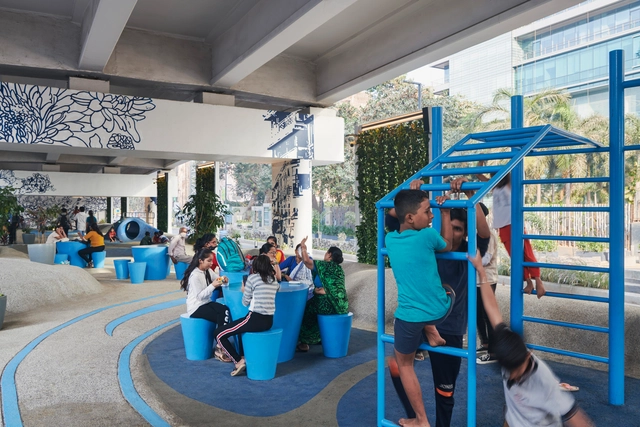
As a response to global challenges such as climate change, discrimination, and physical vulnerability, designers and engineers from across the world have developed innovative construction materials that put the human wellbeing first in urban, architecture, and interior projects.
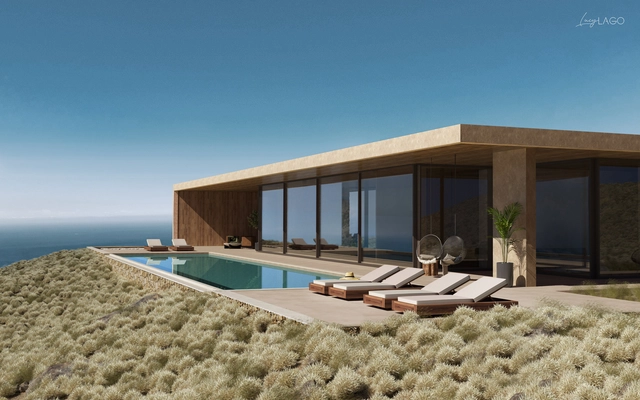
Villa Domy by LUCY LAGO's studio. Image Courtesy of LUCY LAGO's studio
This week’s curated selection of Best Unbuilt Architecture highlights private villas submitted by the ArchDaily community. From a Mediterranean retreat in Greece to a one-person residence in Iran, this round up of unbuilt projects showcases how architects design private villas that combine contextuality and functionality in structures that promote comfort, privacy, and connection to nature. The article includes projects from Indonesia, Greece, Iran, and Jordan.
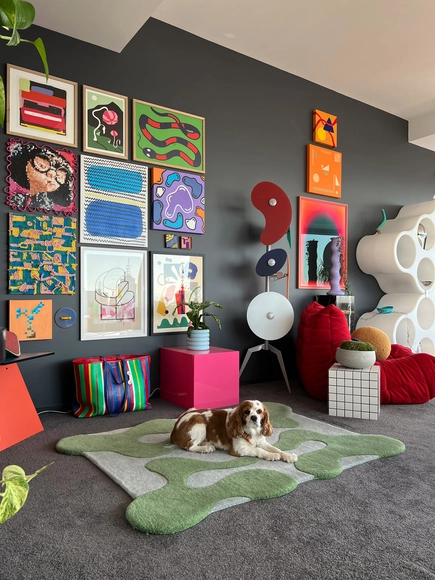
Josh and Matt's apartment embodies their "curated maximalism" style. Image Courtesy of Josh and Matt Design
With the onset of the 2020s, Gen Z is noticeably claiming their place in the world with bold perspectives and even bolder aesthetics. Gen Z proudly experiments with their identities, having grown up on an opinionated internet and through confusing lockdowns. They're bringing in a culture shift with organic shapes, colorful elements, and clashing patterns dominating art, media, fashion, and interior design. The trend is pushing away once-reigning minimalism, shouting Venturi's Less is a Bore.
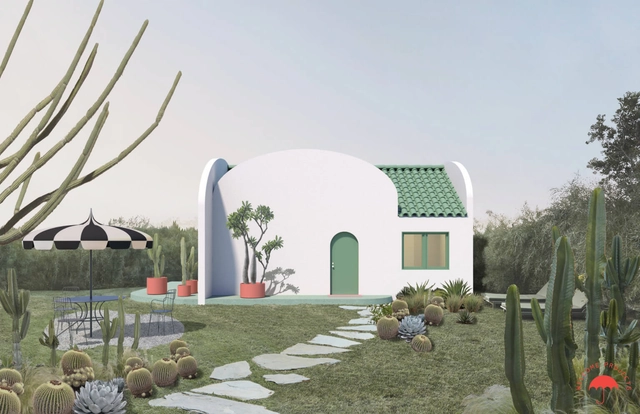
The Breadbox ADU . Image Courtesy of Los Angeles Department of Building and Safety and WELCOME PROJECTS
In a time where housing prices are unattainable and residents are looking to downsize their homes more than ever, enter the concept of Accessory Dwelling Units (ADUs). These small and highly customizable homes are taking backyards across the United States by storm, enabling homeowners to build homes on their land, and rent them out to tenants.
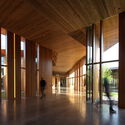
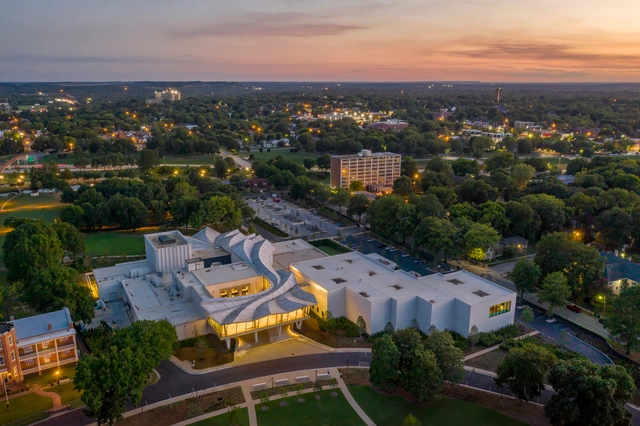
The newly transformed Arkansas Museum of Fine Arts in Little Rock, US, is ready to open to the public on April 22, 2023. Designed by architecture practice Studio Gang in collaboration with Polk Stanley Wilcox and landscape architecture and urban design practice SCAPE, The Museum’s new architectural identity aims to signify its role as a leading arts institution in the region. One of the Museum’s most recognizable features, the folded plate concrete roof, is now complete. The new roofline spans the length of the building, connecting the new construction and the renovated spaces to create a coherent architectural character for the cultural institution.
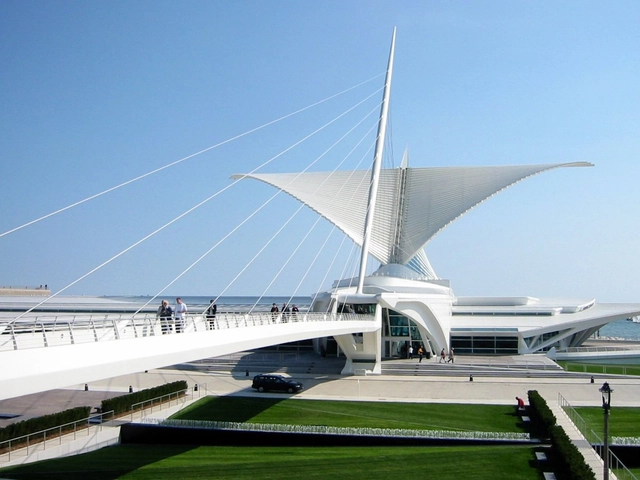
The Quadracci Pavilion at Milwaukee Art Museum. Image via Flickr user bvincent licensed under CC BY-ND 2.0
The Quadracci Pavilion by Santiago Calatrava and the Contemporary Arts Center by the Pritzker-winner Zaha Hadid are celebrating their 20th anniversary. Both buildings are the first US projects completed by these legendary architects that have contributed to the stimulation of economic development in Midwestern American cities over the past two decades. In fact, for that reason, Milwaukee's mayor declared September 16 "Santiago Calatrava Day" to commemorate the Pavillion's opening.
Jim Polshek, who died at 92 last week, was an award-winning architect (AIA Gold Medal, 2018), designer, public advocate, and educator (architecture dean at Columbia, 1973–1987). He was a Midwesterner, born in Akron, Ohio, who went on to open his own practice in 1963, when he founded James Stewart Polshek Architects. Ultimately, the practice became internationally recognized as Polshek Partnership Architects. In 2010, the partners renamed the firm Ennead Architects, and he remained involved as a design consultant.
https://www.archdaily.com/989099/james-stewart-polshek-reflections-on-a-life-in-architectureMichael J. Crosbie
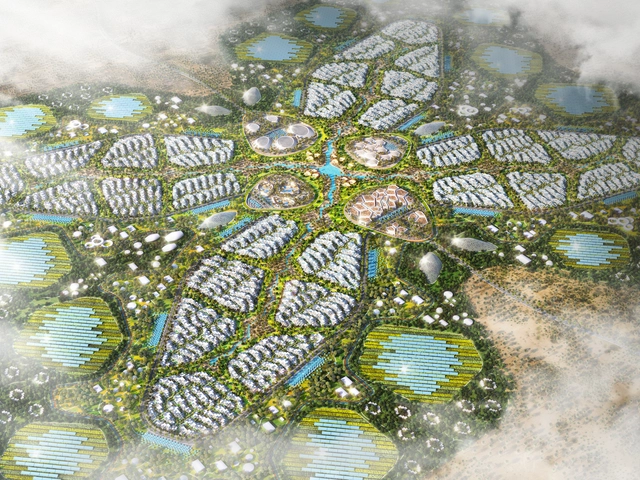
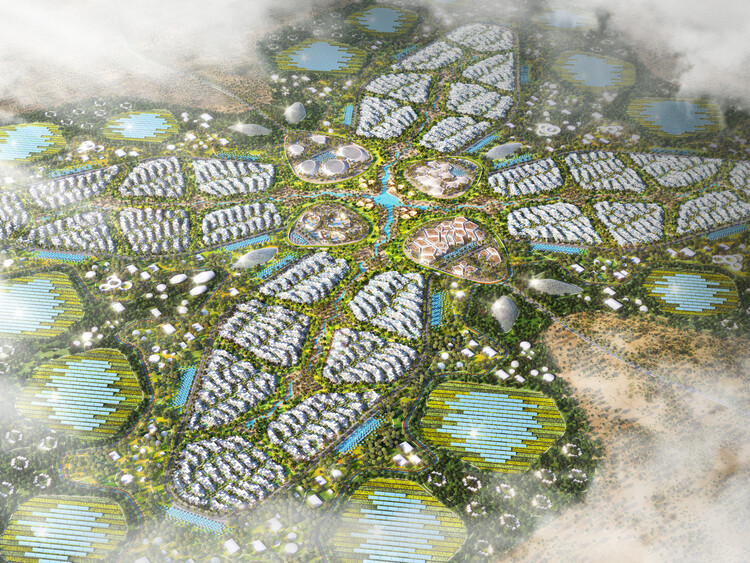
Kuwait is planning a 1,600-hectare development that will provide residential units, jobs, and amenities for 100,000 residents. Developed by URB, the ambitious project aims to promote a sustainable lifestyle with high standards of living, yet a low impact on the environment. The masterplan for the smart city is designed to optimize density and amenities distribution to create a walkable city, while also optimizing the green space ratio. This will help mitigate the effects of rising temperatures and the urban heat island effect. The green transportation systems and dedicated cycling tracks will make this a car-free city, apart from a ring road that allows for limited vehicular access. The city also promotes a circular economy that aims to provide food and energy security for the residents.
The marquee-busting title says it all: Joseph Giovannini’s Architecture Unbound is an ambitious attempt to explore the wilder shores of design and explain how and why maverick architects have dared greatly. It’s also a wide-ranging introduction to artists who laid the groundwork for architectural innovation a century ago; to the philosophers and theorists who mapped new ways of thinking, and to the complexities of chaos theory, parametric and software programs that have shaped exceptional buildings over the past few decades.
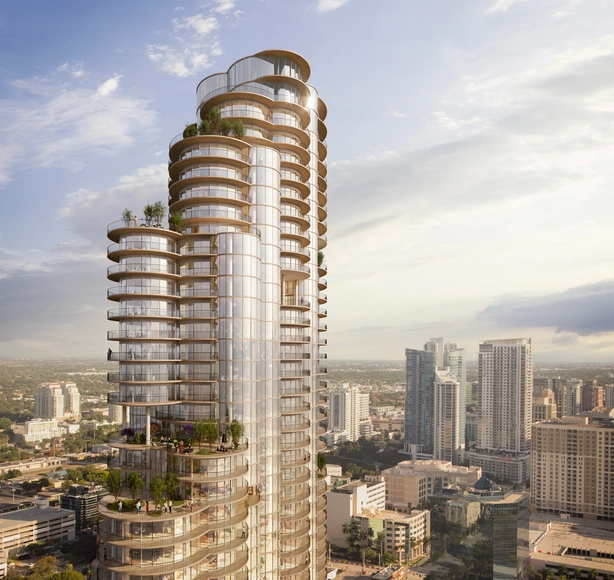
New York-based architecture studio ODA has revealed the design of its newest project in Fort Lauderdale, Florida. The 47-story tower is located south of the New River in the Rio Vista neighborhood. The program comprises 830 residential units, studios with two bedrooms, while also offering ample space for amenities and commercial use, measuring 13,000 square feet. At ground level, the project incorporates a large corner plaza. By placing functions for the public at the lower levels, the project aims to activate the walkways and public spaces, thus adding to the life of the neighborhood.
Image: achassignon via VisualHunt / CC BY-SA. Assembly with image of John Cunniff via Visual Hunt / CC BY
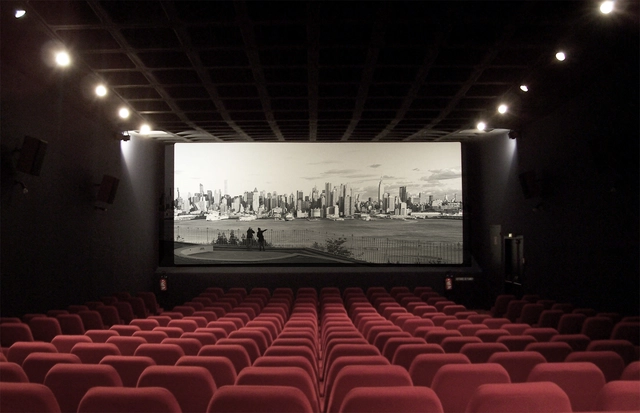
Jean-Luc Godard, through his films, talks about architecture almost as easily as he talks about cinema itself. In honor of the nouvelle vague icon, who passed away today at the age of 91, we revisit How Architecture Speaks Through Cinema.
There are several ways of making films. Like Jean Renoir and Robert Bresson, who make music. Like Sergei Eisenstein, who paints. Like Stroheim, who wrote sound novels in silent days. Like Alain Resnais, who sculpts. And like Socrates, Rossellini I mean, who creates philosophy. The cinema, in other words, can be everything at once, both judge and litigant. — Jean-Luc Godard [1]
Next to a wall or in the corner of a room, most sofas seem relegated to lean against the only available wall in a space, preferably with a TV in front. As they are usually very large pieces of furniture, they can be complicated pieces to integrate into a room. In consequence, a sofa might end up "stiffening" a space, restricting movement and compromising flexibility – an increasingly important aspect for interiors – in a room. This is why the sofa can be considered an anchor piece in interior design; an element whose placement will probably not change throughout time, and that will certainly have an impact on the other elements within a space.
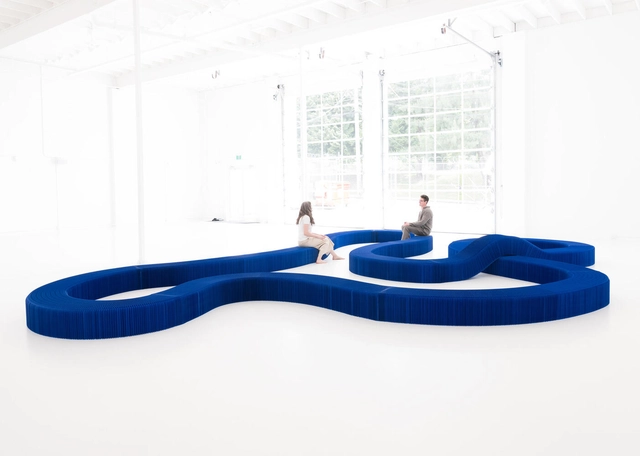
Modular sofas, however, give flexibility and versatility to an otherwise rigid piece. Made of separate parts, they can adopt several shapes and sizes, creating different ambiances and completely changing the layout and distribution of an environment. In this article, we showcase some modular sofa options – and how they can add dynamism to interior spaces – with product examples from the Architonic catalog.