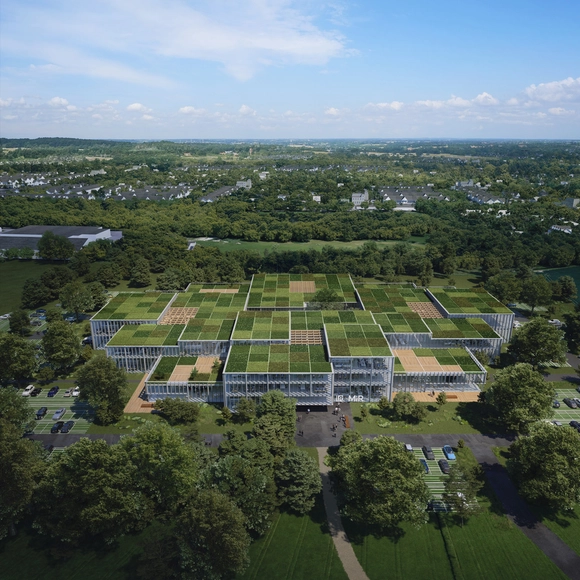
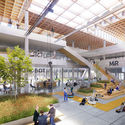
Denmark-based 3XN Architects has unveiled their design for a new Robot Developers Hub in Odense, Denmark. Designed as the new home of Universal Robots (UR) and Mobile Industrial Robots (MiR), the 20,000 square-meter hub will offer specialised environments for robot research and development.
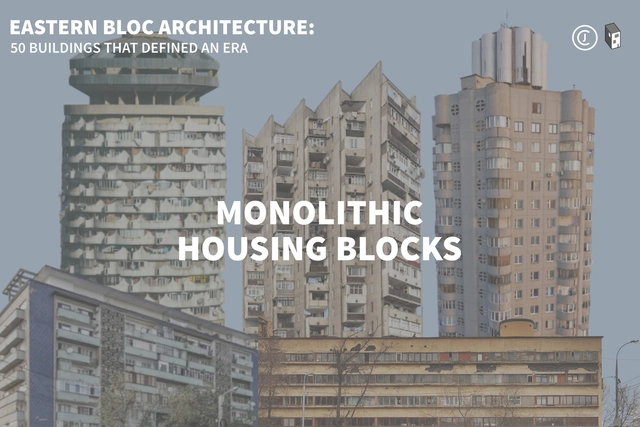
This article is part of "Eastern Bloc Architecture: 50 Buildings that Defined an Era", a collaborative series by The Calvert Journal and ArchDaily highlighting iconic architecture that had shaped the Eastern world. Every week both publications will be releasing a listing rounding up five Eastern Bloc projects of certain typology. Read on for your weekly dose: Monolithic Housing Blocks.
https://www.archdaily.com/945134/eastern-bloc-buildings-monolithic-housing-blocksLucía de la Torre
We at ArchDaily have a great passion for building and broadening the worldwide architecture community and supporting architects from every corner on our Planet. Unfortunately, sometimes there are obstacles on our way, such as lack of communication, language barriers, or simple uncertainty of some peers from our community about the value of their potential contribution to the architecture scene. And here is where we need help from you, our readers — active, crucial elements of the ecosystem we are all building together. Joining forces, we will be able to give the necessary reassurance to the ones that have been unfairly overlooked and let them know that we can't wait to hear their voices, opinions, and ideas.
We call for you to let us know about your favorite architecture publications with local focus -- whether they are created by you or you just think they are worth checking out -- for a potential Content Exchange Partnership with ArchDaily. This will help us create a strong network of local architecture communities, so we can all learn from each other and spread the word about the little steps on our way to a better world, internationally.
Our lives as architects and designers revolve around inventing new ways to change both the profession in which we practice, and the world for which we build. From the individual buildings, all the way to the urban planning strategies that we propose, the way that we consider a project's longevity and impact on the world play an immense part in how we think about design.
To further explore how we can design cities, environments, and buildings, we are excited to announce the lineup for ArchDaily x LifeCycles: The Future of our Cities; a three day (May 26-28) series of panel discussions featuring architects from around the world who will be sharing their ideas and experiences for how we can build a better future.
The profession mourns the loss of a trailblazer. Robert Coles was the first African American chancellor of the AIA's College of Fellows, and a founding member the National Organization of Minority Architects https://t.co/eTCHv7S6AO
American architect Robert Traynham Coles, a founding member of the National Organization for Minority Architects (NOMA) has passed away at the age of 90 on Saturday, May 16, 2020. Considered one of the lead advocates for diversity in architecture, he was the first African American chancellor of the AIA's College of Fellows.
Back in February this year, the American architectural community was scandalised by a draft executive order from the White House threatening to make neoclassical or traditional regional styles compulsory for all new federal buildings. The initiative fails to recognise the specificity of the architectural expression and the innovation that stems from understanding the local context. Metropolis Magazine has gathered together several examples of civic architecture that succeed in expressing the needs and aspirations of their communities, thus building a compelling argument against a mandated, unified architectural expression.
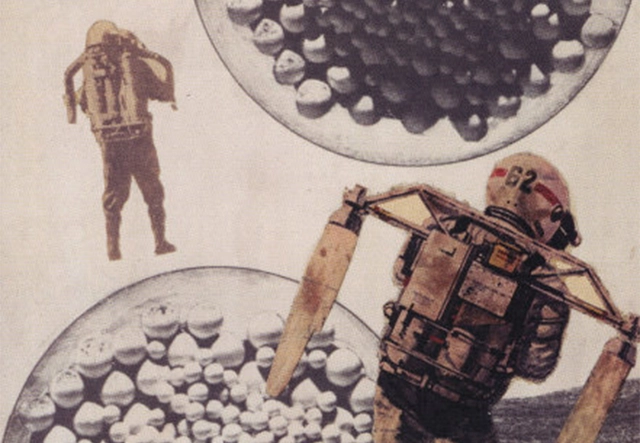
Raimund Abraham’s Air Ocean City. Image Courtesy of MIT Press
For more than a century, architects have been addressing the world as a project through speculative designs in an attempt to imagine the future and reframe global issues. Globalisation, the ever-increasing interconnectedness demands action on a worldwide scale and invites a reflection on the profession's responsibilities. The latter is precisely what the book The World as an Architectural Project achieves, through a compilation of world-scale speculative projects of the past century, making a compelling case for the agency of architecture.
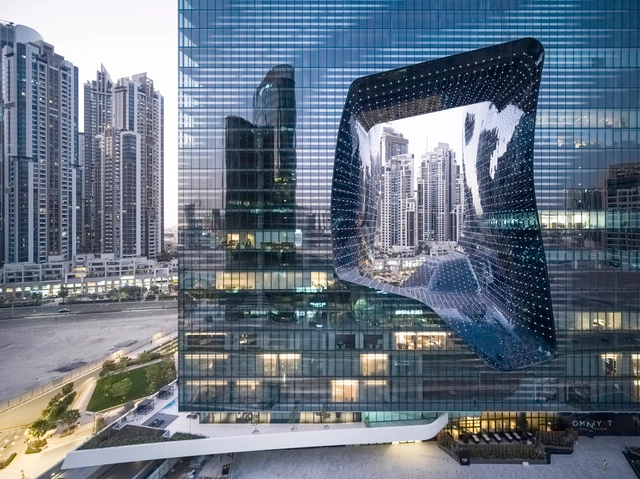
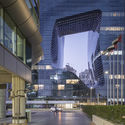
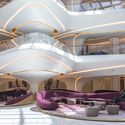
The recently opened Opus building by Zaha Hadid Architects brings an interplay of solid and void, fluidity and orthogonality to the Dubai cityscape. New images by award-winning photographer Laurian Ghinitoiu capture the project’s sculptural silhouette, the studio’s distinct architectural signature.
Courtesy of Archstorming HOPE Dental Center contest
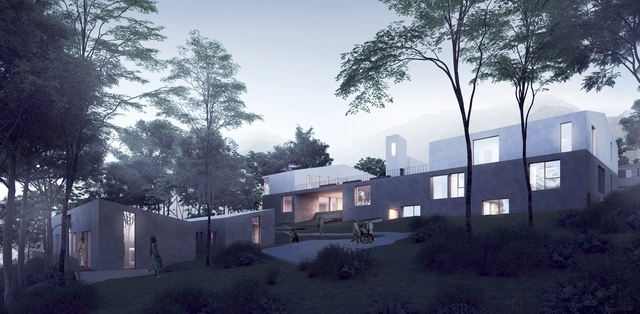
Archstorming, the platform dedicated to humanitarian architecture competitions, has announced the winners of HOPE Dental Center contest. The brief called for the design of a dental clinic and training institute for the NGO His Hands On Africa, a non-profit organization that wants to address the lack of dental services in countries such as Rwanda, the chosen location for this competition.
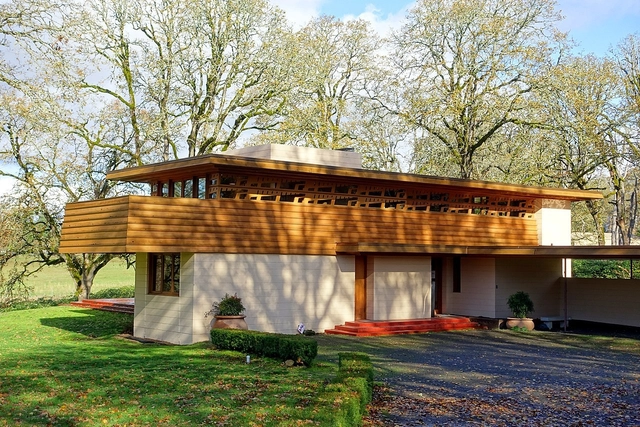
As cultural venues and museums remain closed, one initiative launched in early April brings Frank Lloyd Wright’s most prominent projects to the public via virtual tours. Shared under the hashtag #WrightVirtualVisits, the series now features twenty-four sites, and more are expected to join as the project unfolds. With new videos published every Thursday until July 15, the project compiles an insightful glimpse into Wright’s extensive body of work.
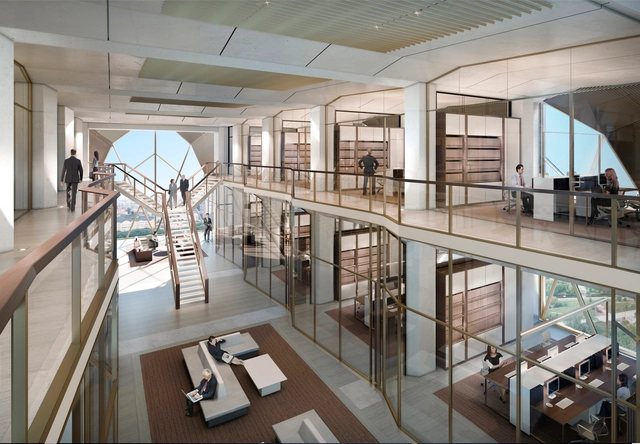
Foster + Partners first built project in Russia is set to be completed later this year, as construction work for the RMK headquarters in Yekaterinburg nears finalization. The 15-storey building designed for the leading copper producer rethinks the conventional office space, bringing about a domestic scale to the interior layout.
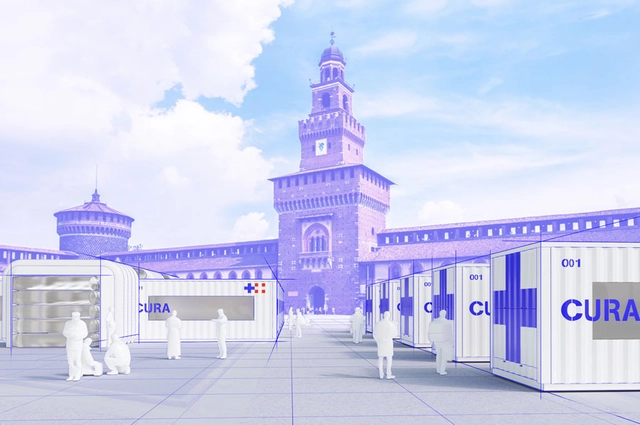
CURA pods. Image Courtesy of Carlo Ratti Associati
As the global health crisis continues, architects and designers are putting their expertise, technical capabilities and research skills in the service of the fight against the coronavirus. Metropolis Magazine has gathered together a list of several companies and their different initiatives for helping out in this novel situation. From 3d-printing personal protection equipment for medical staff, to designing modular intensive care units, and researching steps for converting buildings into hospitals, the creative community is bringing its own contribution to the efforts of tackling the pandemic.
“Home” is a new documentary series created by Apple TV+ that takes viewers on a tour of some of the world’s most intriguing dwellings. The first season, spanning nine episodes, showcases how domestic architecture is being re-evaluated across different contexts and geographical areas, taking radical, innovative, and highly creative forms.
From the famous Kitchen Debate between Nikita Khrushchev and Richard Nixon to the popularity of Henry Ford within the USSR, the hundreds of factories designed by Detroit engineer Albert Kahn for Soviet Russia, and skyscrapers erected in Moscow, the Cold War had a peculiar side to it, that is the Russian fascination with American culture and technology.
With the COVID-19 pandemic forcing many architecture firms to quickly transition into a work from home, designers are having to discover new ways to work without everyone being in the same room. The casual conversations, overheard ideas, and site visits that were once an integral part of our jobs have been put on pause, and have left some architects wondering how everyone else is continuing project work.
After surpassing many hurdles, the long-awaited public park and performance venue is on a set course to completion. The construction of the Little Island is underway, and new images by photographer Paul Clemence of Archi-Photo show the undulating artificial landscape coming together above the Hudson River.
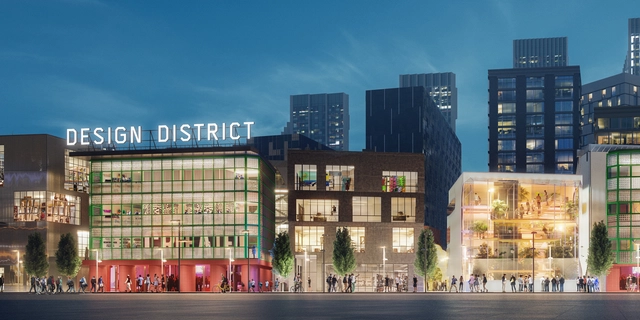
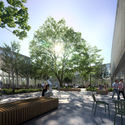
The developers of Design District have released new visuals of the future creative hub at the heart of Greenwich Peninsula. Designed by a collective of eight well-renowned architectural studios, and with landscaping by Schulze+Grassov, the project aims to gather together startups, artists and entrepreneurs across many industries, generating a new creative neighbourhood for London.
Videos
CPH Shelter. Image Courtesy of CPH Containers
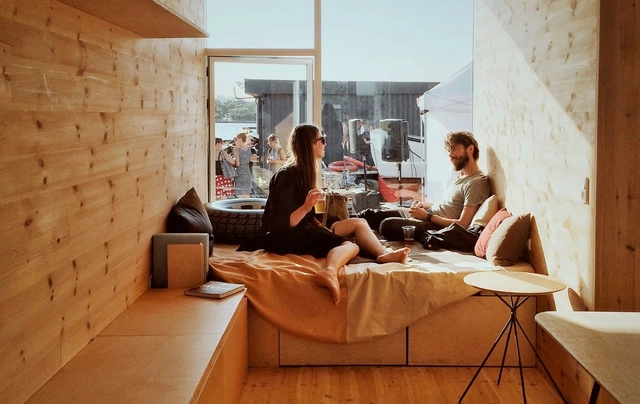
In this short video, Jens Thomas Arnfred and Søren Nielsen from the Danish office Vandkunsten Architects talk about wood and the many reasons why it makes for such excellent building material. The two architects discuss the sustainability advantages of using timber and reflect on its influence on our senses and mind, on our feeling of wellbeing.











.jpg?1585888341&format=webp&width=640&height=580)
.jpg?1585857060 "© Paul Clemence")
.jpg?1585857994 "© Paul Clemence")
.jpg?1585888713 "© Paul Clemence")
.jpg?1585888938 "© Paul Clemence")
.jpg?1585888341)