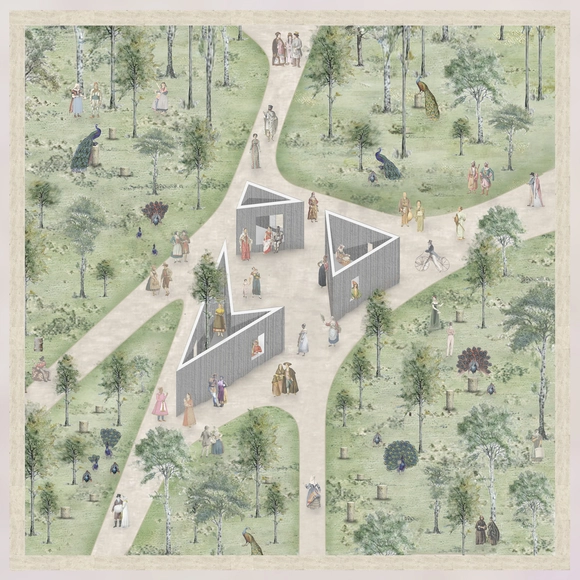
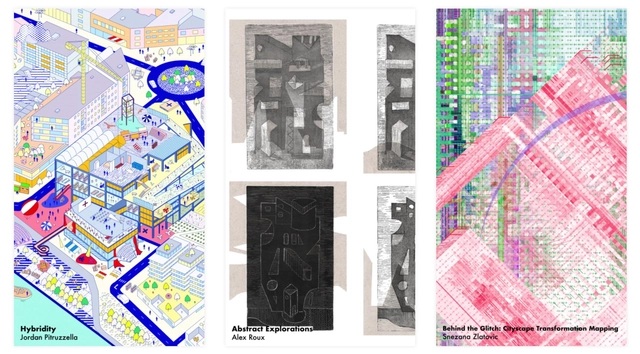
Desplans and KooZA/rch have revealed the three final winners of the #mycityscape competition. Inviting young creatives to this conversation, the open call questions the definition of the city, by asking “What establishes the identity of a city? What distinguishes one urban environment from the other? And What defines our relationship to the built landscape we inhabit?”
Trying to find the tools to map the city of the 21st century, the competition encouraged young creatives to record the essence of their cityscape into one image. After selecting 12 shortlisted entries, the contest solicited a wider audience to decide the final winning designs, by voting for their favorites on social media. Following the release of the results, Christele Harrouk from ArchDaily had the chance to talk about the #mycityscape competition with both Desplans and KooZA/rch, discussing the theme and the whole process. Discover in this article the exchange as well as the final winning designs.
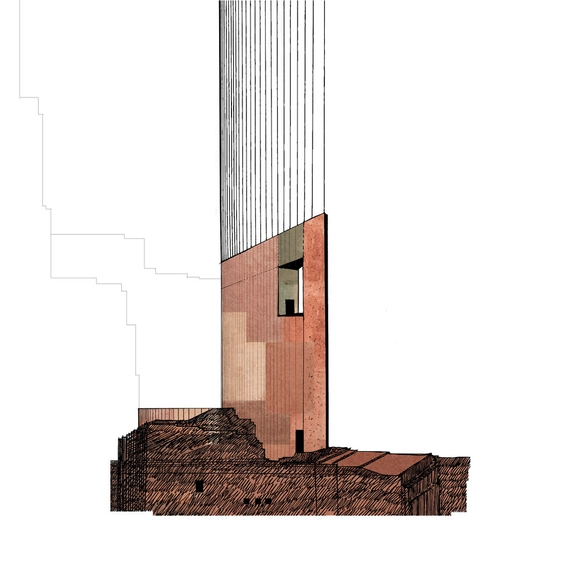
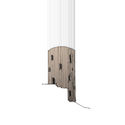
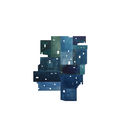
ArchDaily is continuing a six-year-long tradition of celebrating the best architecture drawings of the year. The 2020 edition highlights a carefully-curated collection of architectural drawings and visualizations with a wide variety of techniques and representations, all orientated towards a common goal of sharing ideas, visions, and designs.
In 2012, the Yale School of Architecture held a conference on the topic of drawing. It posed a couple of provocative questions: Was the study and practice of architecture already beyond it? Was it is even necessary to draw in order to be an architect? Mark Alan Hewitt’s new book, Draw in Order to See (ORO Editions), is a resounding affirmation that not only must architects draw, they cannot help but do so—it’s like breathing. The connection between the hand and the eye, between a soft pencil and a toothy sheaf of paper, is how architects, in fact, “see.”
https://www.archdaily.com/955024/reaffirming-the-essential-role-of-drawing-in-designMichael J. Crosbie
There are plenty of books about the buildings of late American architect Louis I. Kahn, including those he authored. But his drawings hold a special fascination for his peers and fans, which explains why the blog Designers and Books is launching a Kickstarter to fund the reissue of one 1962 compilation of his sketches, which has been out of print for decades.
Videos
Flores Residence, Pacific Palisades, Los Angeles, USA 1979. Image Courtesy of Thom Mayne
Running from 11 September till 15 November 2020, "Thom Mayne: Sculptural Drawings" is the latest architectural exhibition at Tchoban Foundation Museum for Architectural Drawing in Berlin. Curated by Kristin Feireiss, together with Esenija Bannan, the project questions the nature of architectural drawing and how it influenced the work of Thom Mayne, founder of Morphosis. The exhibition features Mayne’s works dating from 1979 through 2020 and leads visitors from “traditional” drawings and new experimentations with techniques, through to 3D paintings.
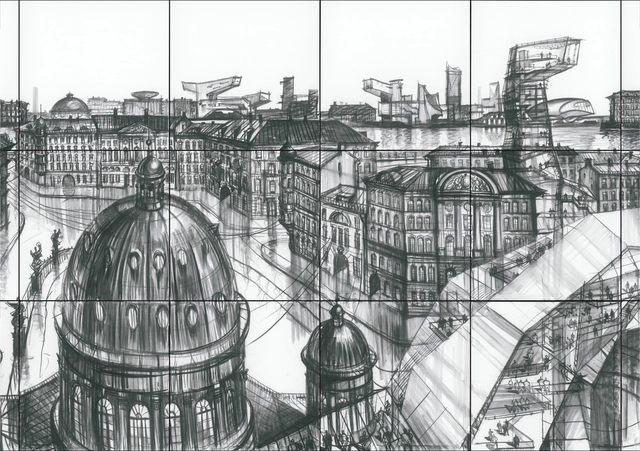
Sergei Tchoban, 'Old New Above', Charcoal on Canvas, 2019
The future of the European city is the central theme for Sergei Tchoban. It is evident that the language of contemporary architecture and the size of urban gestures contrast with the structure of the historical or traditional European city. Is it possible to harmonize and regulate these two positions? Is there a quality in the spontaneity or even in the chaos that can arise?
The exhibition ‚Une Ville Dessinée / A Drawn City‘ reflects the high-contrast interplay between historical and modern architecture, as it is so strongly traced in modern cities. It brings together visualized and constructed ideas on paper, presents
We are continuing our five-year-long tradition of celebrating “The Best Architecture Drawings of the Year.” The 2019 edition sees a carefully-curated collection of architectural drawings with a wide variety of techniques and representations, all orientated towards a common goal of sharing architectural ideas, visions, and designs.
With increasingly smaller homes and apartments, there has been a growing impulse to integrate plant species into interior spaces. But what kind of plants should be used for an environment lacking in abundant natural light? In this article, you will find some suggestions for species recommended for shaded or semi-shaded environments, an especially important distinction when we talk about interior spaces that receive little sunlight.
In order to explain projects and design decisions properly, architects must use often rely on creative representation techniques instead of words. It’s part of the job. The quality of drawings - simple, complex, or anything in between - is fundamental for the correct reception of the ideas. Digital media has enabled new ways of representation including animation and adding a new dimension in a single image: processes.
Animated gifs can provide the same amount of information in constructive terms as a section, program distribution as a diagram and main decisions as a master plan, while at the same time showing the progress and chronology of the project.
The following 30 projects use animated gifs as a tool to represent the design process, construction details, use of layers and interior spatial sequences.
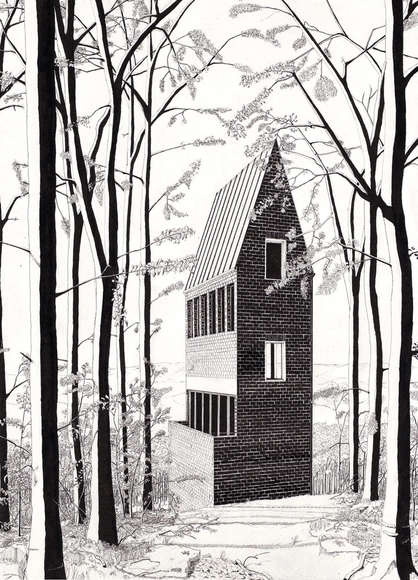
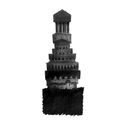
Denis Andernach, Turmhaus, 2010, Ink on paper, 14 1/8 x 18 7/8 in
A century on, the compelling idea that Modern architecture emerged like some blindingly white, crystalline and disruptive phoenix from the darkness, death and destruction of the First World War is, perhaps, a familiar one. And, yet, the charcoal sketches and chiaroscuro montages Mies van der Rohe made during and after the epochal competition for the Berlin Friedrichstrasse Skyscraper of 1921-22 retain the power to catch the eye, provoke and disturb in our own era of overwhelming imagery much of it produced by and with computer programs.
What is so very remarkable about these century-old visionary drawings is that they portray a future building type - verging on the ethereal and more or less impossible to realize at the time - in the earthiest of drawing materials. It had been a stroke of genius to use charcoal to evoke an architecture of lightness rising from the embers of the trenches that would revolutionize the way we shaped tall buildings and with them our city streets. Such is the power of drawing by hand.
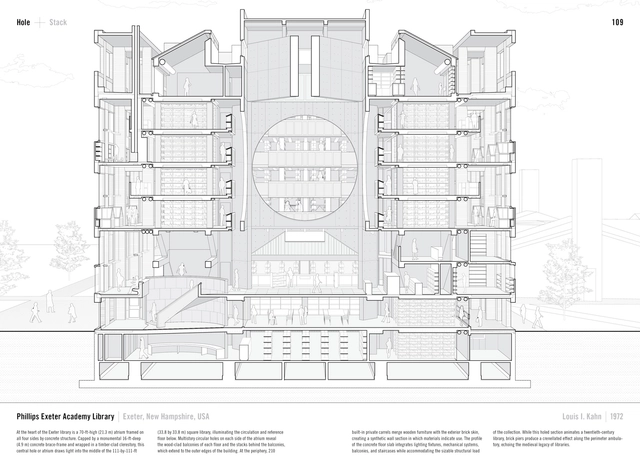
Phillips Exeter Academy Library by Louis I. Kahn (1972). Published in Manual of Section by Paul Lewis, Marc Tsurumaki, and David J. Lewis published by Princeton Architectural Press (2016). Image Courtesy of LTL Architects
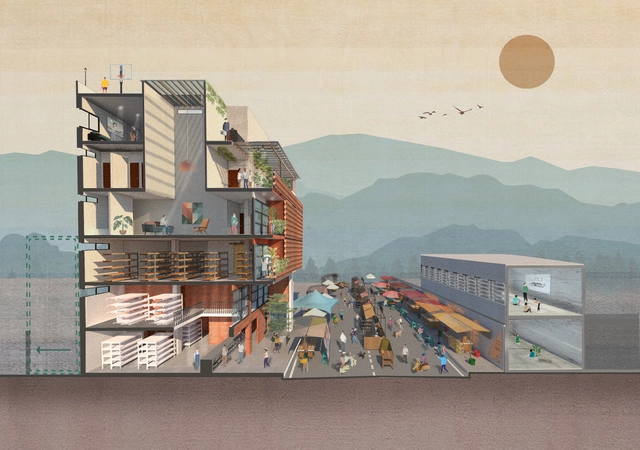
For Paul Lewis, Marc Tsurumaki and David J. Lewis, the section “is often understood as a reductive drawing type, produced at the end of the design process to depict structural and material conditions in service of the construction contract.” A definition that will be familiar to most of those who have studied or worked in architecture at some point. We often think primarily of the plan, for it allows us to embrace the programmatic expectations of a project and provide a summary of the various functions required. In the modern age, digital modelling software programs offer ever more possibilities when it comes to creating complex three dimensional objects, making the section even more of an afterthought.
With theirManual of Section(2016), the three founding partners of LTL architects engage with section as an essential tool of architectural design, and let’s admit it, this reading might change your mind on the topic. For the co-authors, “thinking and designing through section requires the building of a discourse about section, recognizing it as a site of intervention.” Perhaps, indeed, we need to understand the capabilities of section drawings both to use them more efficiently and to enjoy doing so.
Videos
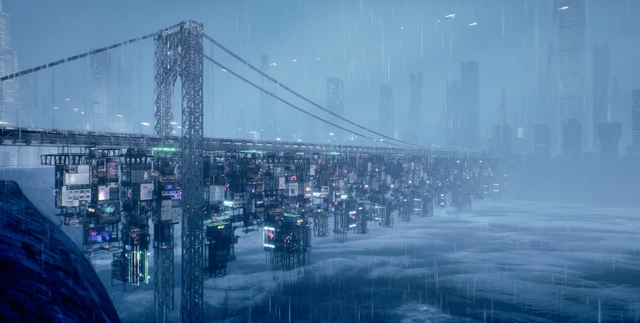
Urban Below - Still shot. Authorship: Han Wu & Studio 35mm (Hamid Khalili – University of Melbourne)
Today, the overlap of the tools and software products utilized by filmmakers and architects reinforces the historical bond between the two disciplines more than ever. In one of their design studios, Master of Architecture students at the Melbourne School of Design try to master the techniques and methods of filmmaking and employ them in their architectural films and animations.
https://www.archdaily.com/920626/students-rethink-architecture-through-filmmaking-at-melbourne-school-of-designAD Editorial Team
Italian architect Gaetano Boccia has been researching drawings and architectural representation for the past two years. The Pdda (piccoli disegni di architettura) project was born with the intention of sharing Boccia's thoughts, which he has always cataloged and kept in notebooks.
Referring to no particular buildings, these drawings are part of an inspirational process that takes place in the architect's daily context and complex surroundings of Naples and Italian culture.
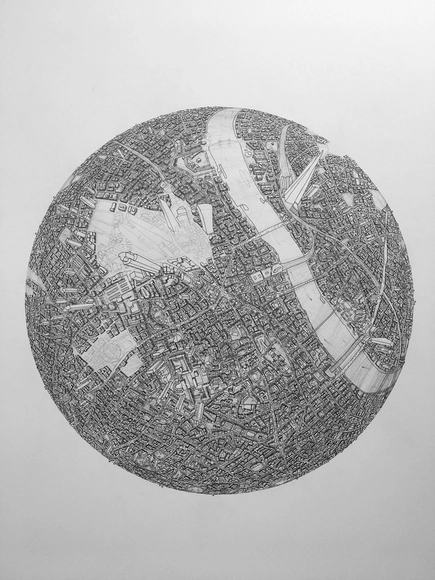
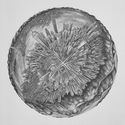
Amer Ismail, architect-turned-artist based in London, has developed a spectacular set of intricate “Globe Drawings” of cities around the world. Beginning in 2016, Ismail developed these 5-point-perspective drawings with heavy inspiration from artist Stephen Wiltshire. Having spent many years drawings architecture, including time at Foster+Partners, Ismail tasked himself with developing a series that encompassed his “interest for architecture, city planning, travel, drawings, and Star Wars.”
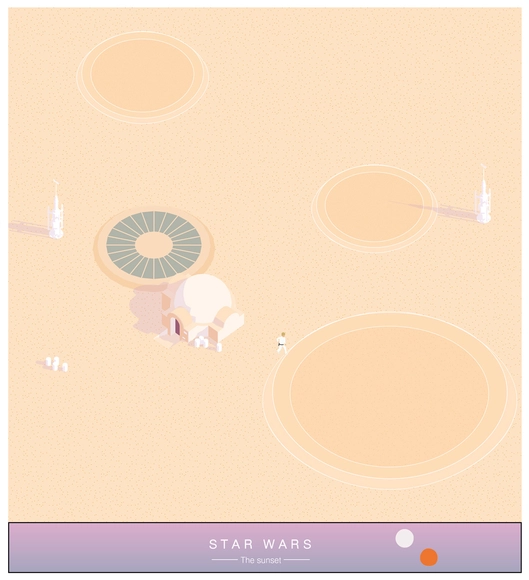
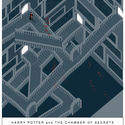
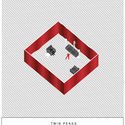
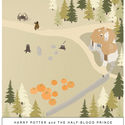
The passion for cinema and TV shows, combined with that for scenography and architecture, led Italian architect Riccardo Masiero to play with the different spaces and dimensions of the elements that make movies in order to create "MAKE IT ISO!", a series of drawings portraying famous movies and TV icons such as Breaking Bad, Twin Peaks, Harry Potter, Star Wars, The Shining and UP in an architectural way.
These illustrations represent iconic scenes of TV and cinema through the isometric illustration method, giving an overall picture of the construction of the scene, as well as providing a different point of view to the observer.
Keep reading to see the full "MAKE IT ISO!" series and the author explaining his work.
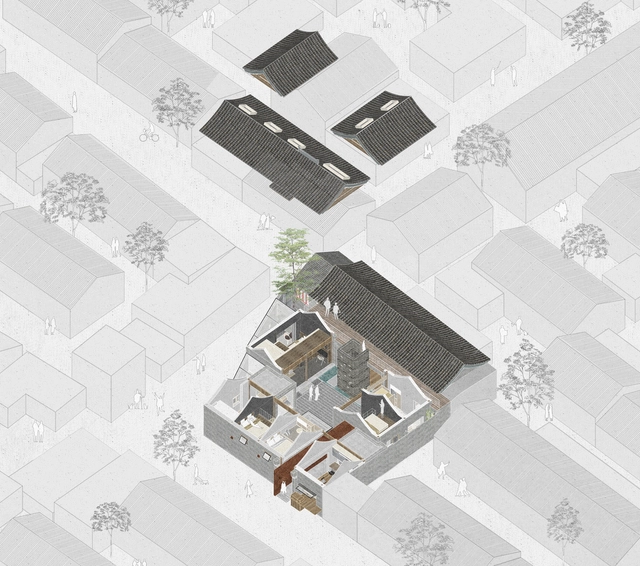
During the professional life of an architect, the task of designing a residence can be a frequent occurrence. As the project develops, representing a vision in a determined space through a set of drawings is certainly one of the primary tasks of the design process. While the architect has a certain level of visual literacy, sometimes the client won't necessarily understand all the drawings. Going beyond the two-dimensionality of the plans, sections and elevations, axonometric perspectives are presented as an efficient instrument in the spatial representation of the project. When adding the notion of third dimension—and even though it’s presented by on a 2D sheet of paper—it gives a better understanding to those unfamiliar with technical drawings.
Internationally renowned for her avant-garde search for architectural proposals that reflect modern living, Zaha Hadid made abstract topographical studies for many of her projects, intervening with fluid, flexible and expressive works that evoke the dynamism of contemporary urban life.
In order to further knowledge of her creative process and the development of her professional projects, here we have made a historic selection of her paintings which expand the field of architectural exploration through abstract exercises in three dimensions. These artistic works propose a new and different world view, questioning the physical constraints of design, and showing the creative underpinnings of her career.
With the mission of providing tools and inspiration to architects all around the world, ArchDaily’s curators are constantly searching for new projects, ideas and forms of expression. For the past three years, ArchDaily has showcased the best discoveries of each year, and in keeping with tradition, we would like to share the best architecture drawings published throughout 2018.
What is the role of contemporary drawing in architecture? We approach the definition of drawing as design itself. Drawings are used to explain principles, to deliver ideas, to construct new architecture, and to document creative processes. Below you will see the selection of drawings arranged under six categories: Context, Architectural Drawings, Sketches & Hand-drawn, Digital Collages, Conceptual Drawings & Diagrams and Animated Gifs. Each chosen drawing strengthens the proposed construction or enhances the built work.
We also invite you to review collections from previous years here or other drawing-related posts selected by our editors in the following link.


















.gif?1463188521)













_PA_01.jpg?1472565216 "The World (89 Degrees) - 1983. Image Cortesía de Zaha Hadid")