

3D Modelling: The Latest Architecture and News
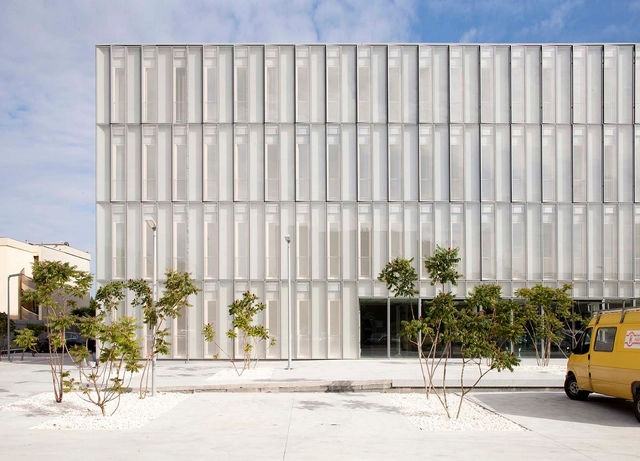
Head Offices of Social Security for French Citizen Abroad / BVAU



https://www.archdaily.com/625887/head-offices-of-social-security-for-french-citizen-abroad-bvauFernanda Castro
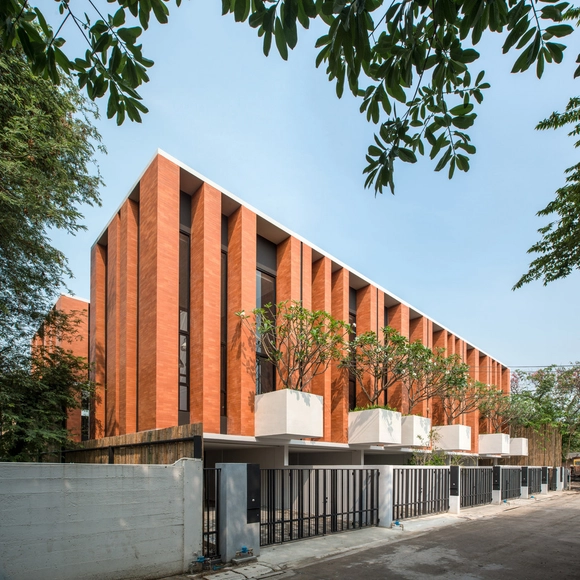
Townhouses with Private Courtyards / baan puripuri
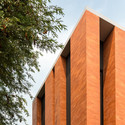


https://www.archdaily.com/627335/townhouses-with-private-courtyards-baan-puripuriKaren Valenzuela
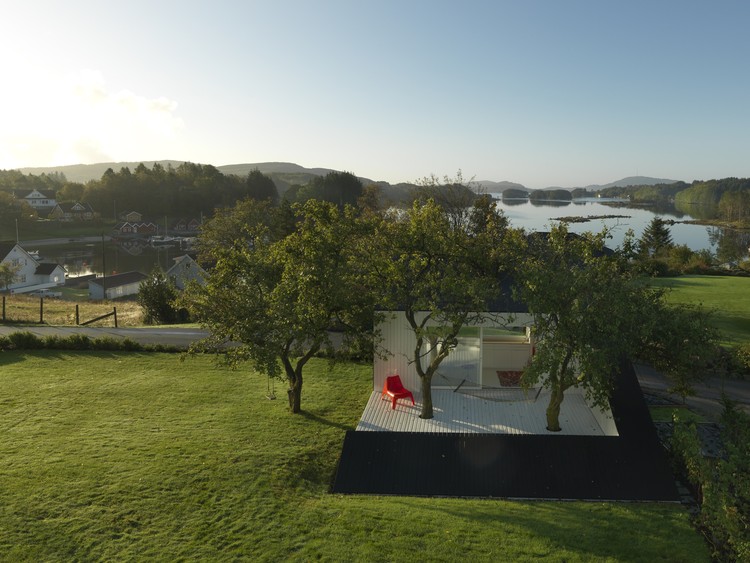
Slice / Saunders Architecture

-
Architects: Saunders Architecture
- Area: 15 m²
- Year: 2014

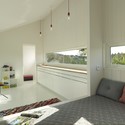
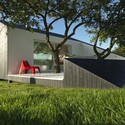
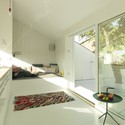
https://www.archdaily.com/626024/slice-saunders-architectureFernanda Castro
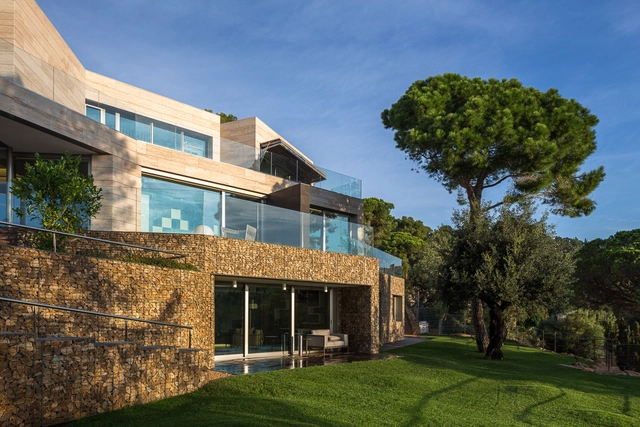
Llorell House in La Costa Brava / DOSARQUITECTES



-
Architects: DOSARQUITECTES
- Area: 2000 m²
-
Manufacturers: Rapsel
https://www.archdaily.com/623463/llorell-house-in-la-costa-brava-dosarquitectesDaniel Sánchez
You Can Now 3D Print With Sketchfab
ArchDaily by ArchDaily on Sketchfab
In response to one of their most frequent user requests, browser-based 3D model platform Sketchfab has now partnered with Hubs, the world's largest 3D printer network, to introduce a 3D print ordering feature that works directly from its viewing window. With a globally-distributed network of 15,000 print hubs in their network (250 of which support full-color printing), Sketchfab CEO Alban Denoyel says that 3D Hubs is the "closest to achieving this vision" of locally-based manufacture that bypasses transport costs - which he believes is "one of the most important promises of 3D printing."
https://www.archdaily.com/625991/you-can-now-3d-print-with-sketchfabRory Stott
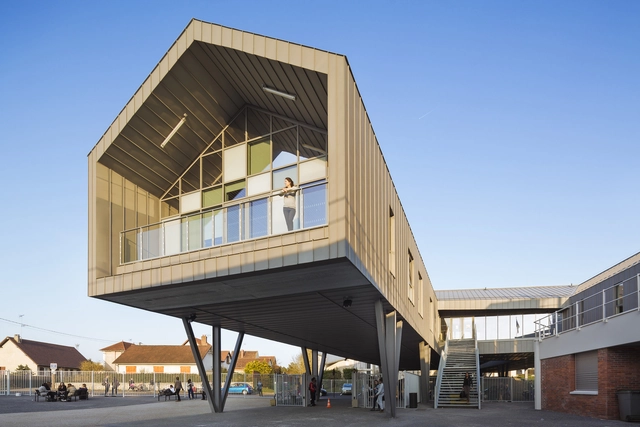
Louise Michel and Louis Aragon high schools / archi5
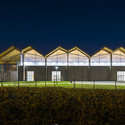
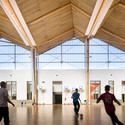
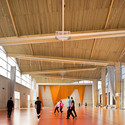
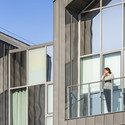

https://www.archdaily.com/623852/louise-michel-and-louis-aragon-high-schools-archi5Daniel Sánchez
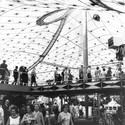
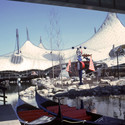
AD Classics: German Pavilion, Expo '67 / Frei Otto and Rolf Gutbrod

The pivotal turning point in the late Frei Otto’s career – capped by last month’s Pritzker announcement – came nearly fifty years ago at the Expo ’67 World’s Fair in Montreal, Quebec. In collaboration with architect Rolf Gutbrod, Otto was responsible for the exhibition pavilion of the Federal Republic of Germany, a tensile canopy structure that brought his experiments in lightweight architecture to the international stage for the first time. Together with Fuller’s Biosphere and Safdie’s Habitat 67, the German Pavilion was part of the Expo’s late-modern demonstration of the potential of technology, pre-fabrication, and mass production to generate a new humanitarian direction for architecture. This remarkable collection at the Expo was both the zenith of modern meliorism and its tragic swan song; never since has the world seen such a singularly hopeful display of innovative architecture.



https://www.archdaily.com/623689/ad-classics-german-pavilion-expo-67-frei-otto-and-rolf-gutbrodDavid Langdon
PROJECTO DE REMODELAÇÃO E AMPLIAÇÃO DO MUSEU NACIONAL DE MACHADO DE CASTRO / Gonçalo Byrne Arquitectos
-484.jpg?1429754692&format=webp&width=640&height=580)
-484.jpg?1429754754 "© Duccio Malagamba")
-484.jpg?1429754653 "© Duccio Malagamba")
-484.jpg?1429754705 "© Duccio Malagamba")
-484.jpg?1429754634 "© Duccio Malagamba")
-484.jpg?1429754692)
-
Architects: Gonçalo Byrne Arquitectos
- Area: 13130 m²
- Year: 2013
https://www.archdaily.com/622911/projecto-de-remodelacao-e-ampliacao-do-museu-nacional-de-machado-de-castro-goncalo-byrne-arquitectosCristian Aguilar
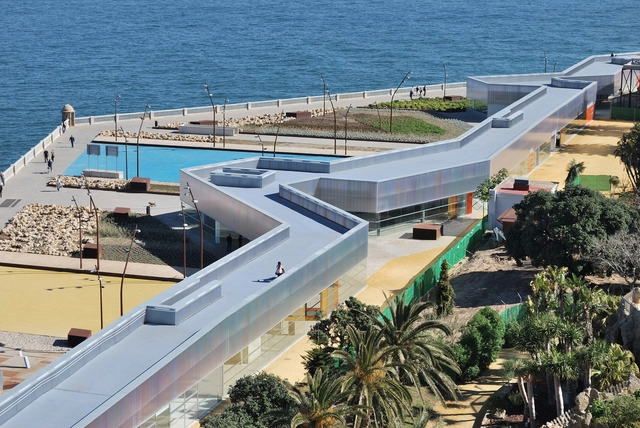
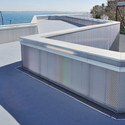
Genoves Park's Lookout and Protection Building / José Luis Bezos Alonso

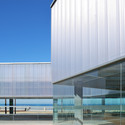
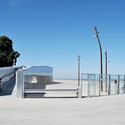
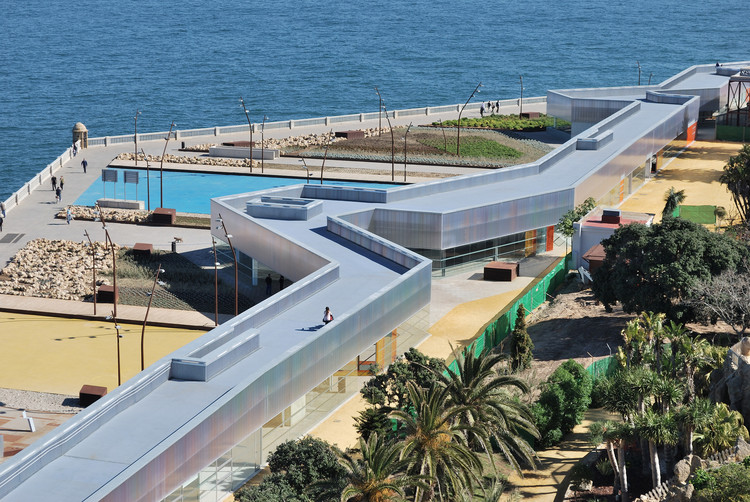
-
Architects: José Luis Bezos Alonso
- Area: 3868 m²
- Year: 2015
-
Professionals: Corsan Corviam Construcción, S.A.
https://www.archdaily.com/622685/edificio-mirador-y-de-proteccion-del-parque-genoves-jose-luis-bezos-alonsoKaren Valenzuela
Shanghai Natural History Museum / Perkins&Will
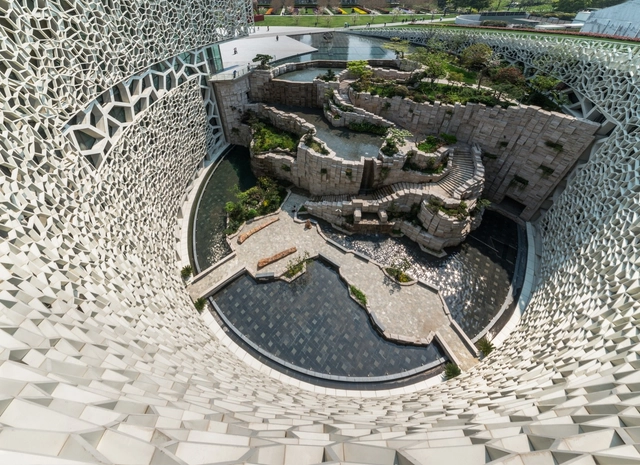


-
Architects: Perkins&Will
- Area: 44517 m²
- Year: 2015
-
Manufacturers: Soprema
https://www.archdaily.com/623197/shanghai-natural-history-museum-perkins-willCristian Aguilar
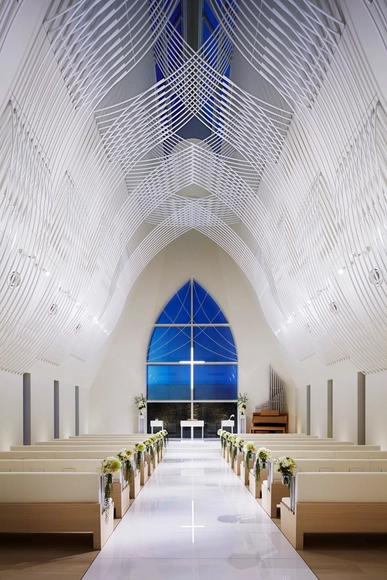
St. Voile Chapel / Kasahara Design Work


.jpg?1429384111 "© Nacasa & Partners")


https://www.archdaily.com/621238/st-voile-chapel-kasahara-design-workDaniel Sánchez
Weston House / Antonio Maciá Mateu



https://www.archdaily.com/620596/weston-house-antonio-macia-mateuKaren Valenzuela
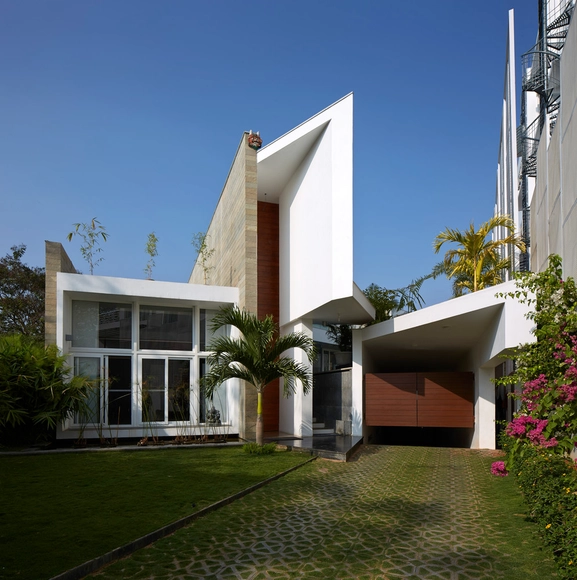
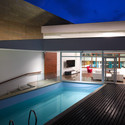
Fort House / Sameep Padora & Associates

-
Architects: Sameep Padora & Associates
- Area: 1300 m²
- Year: 2014
-
Professionals: Facet, R.N. Joshi
https://www.archdaily.com/620832/fort-house-sameep-padora-and-associatesDaniel Sánchez
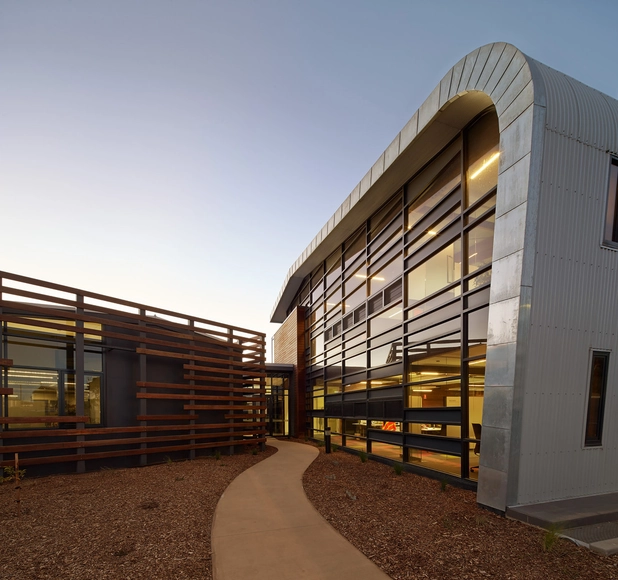
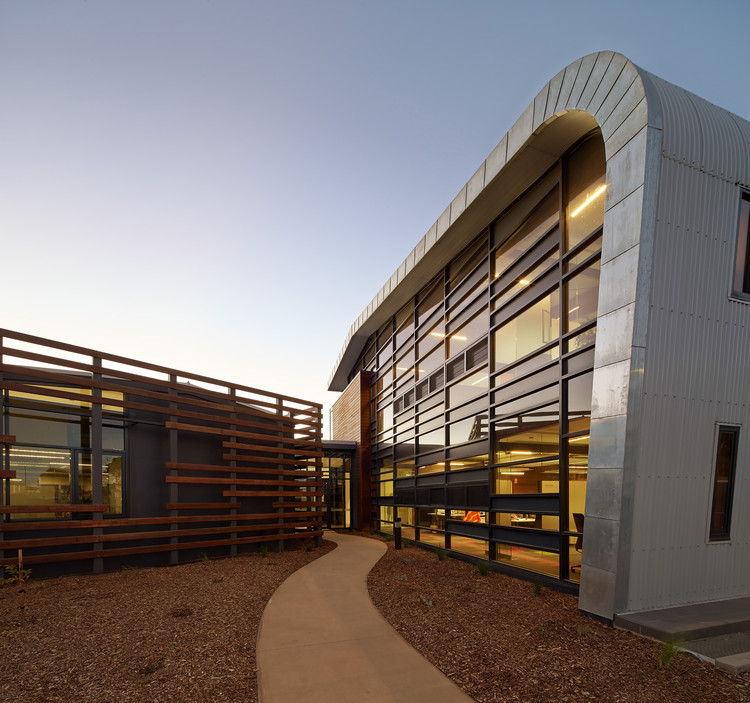
City of Hindmarsh Shire Council’s new Civic Centre / k20 Architecture


-
Architects: K20 Architecture
- Area: 1295 m²
- Year: 2014
https://www.archdaily.com/620282/city-of-hindmarsh-shire-council-s-new-civic-centre-k20-architetcureKaren Valenzuela
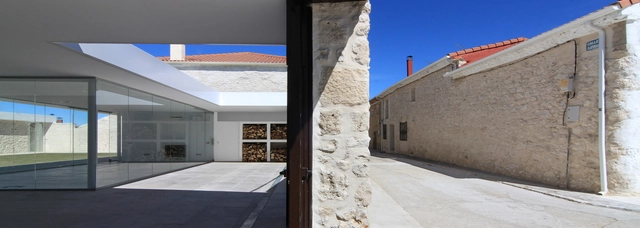
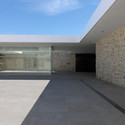
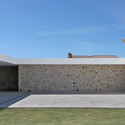
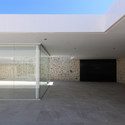
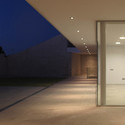
Patio Refurbishment in Santibañez de Valcorba / Óscar Miguel Ares Álvarez
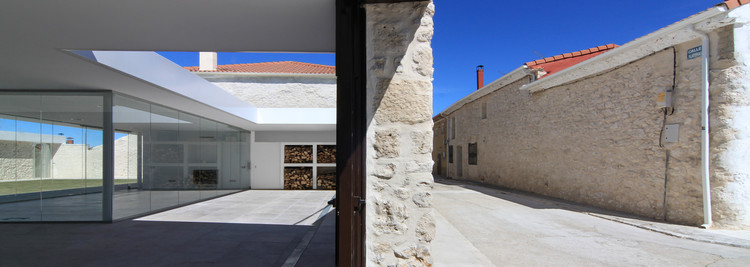
-
Architects: Óscar Miguel Ares Álvarez
- Area: 420 m²
- Year: 2015
-
Professionals: Conedavi S.L.
https://www.archdaily.com/620225/patio-refurbishment-in-santibanez-de-valcorba-oscar-miguel-ares-alvarezDaniel Sánchez
Pumphouse Point / Cumulus Studio
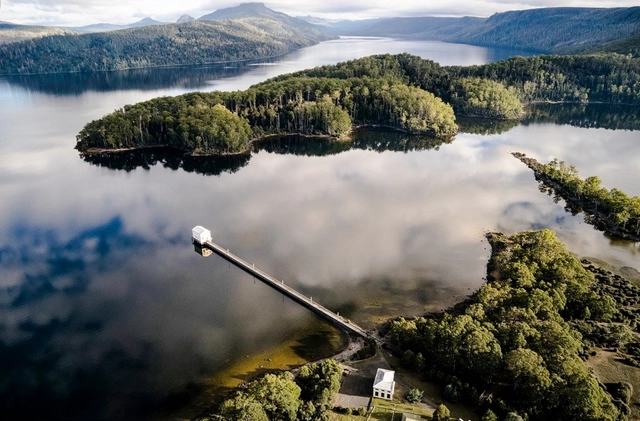


-
Architects: Cumulus Studio
- Area: 1035 m²
- Year: 2014
-
Manufacturers: Bradford
-
Professionals: Castellan Consulting, Gandy & Roberts, Green Building Surveyors, Mead Con, RED Sustainability, +2
https://www.archdaily.com/618932/pumphouse-point-cumulus-studioDaniel Sánchez
VITRA / Studio Libeskind + PSA Arquitetura
.jpg?1428079441&format=webp&width=640&height=580)
.jpg?1428079772 "© Marcelo Scarpis")
.jpg?1428079632 "© Marcelo Scarpis")
.jpg?1428079686 "© Marcelo Scarpis")
.jpg?1428079611 "© Marcelo Scarpis")
.jpg?1428079441)
-
Architects: PSA Arquitetura, Studio Libeskind
- Area: 14850 m²
- Year: 2015
https://www.archdaily.com/616012/vitra-studio-daniel-libeskindDaniel Sánchez
8 Influential Art Deco Skyscrapers by Ralph Thomas Walker
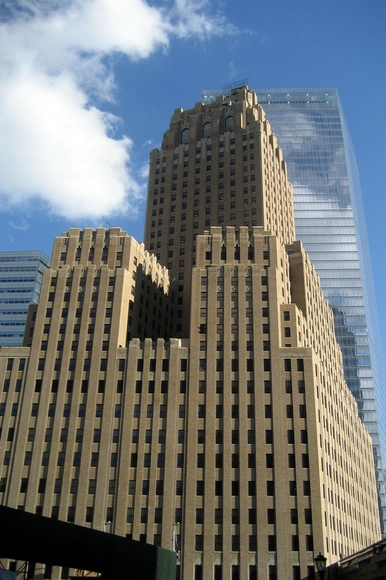
No architect played a greater role in shaping the twentieth century Manhattan skyline than Ralph Thomas Walker, winner of the 1957 AIA Centennial Gold Medal and a man once dubbed “Architect of the Century” by the New York Times. [1] But a late-career ethics scandal involving allegations of stolen contracts by a member of his firm precipitated his retreat from the architecture establishment and his descent into relative obscurity. Only recently has his prolific career been popularly reexamined, spurred by a new monograph and a high-profile exhibit of his work at the eponymous Walker Tower in New York in 2012.


https://www.archdaily.com/614156/8-influential-art-deco-skyscrapers-by-ralph-thomas-walkerDavid Langdon