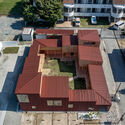
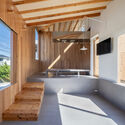
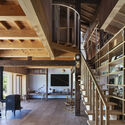
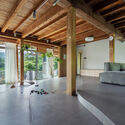
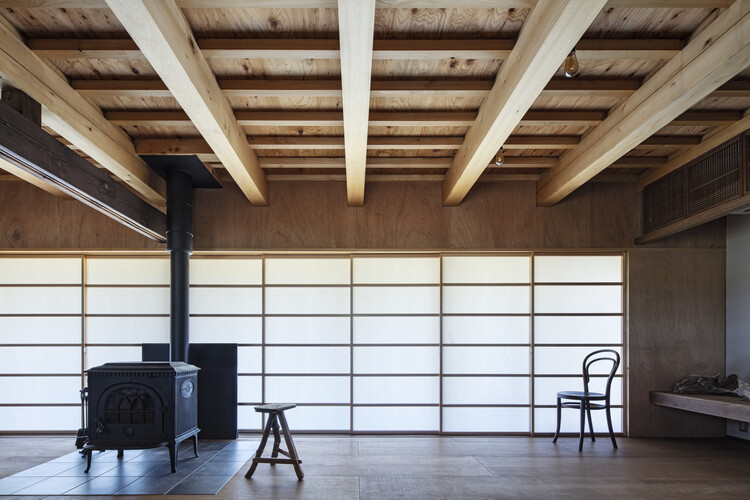
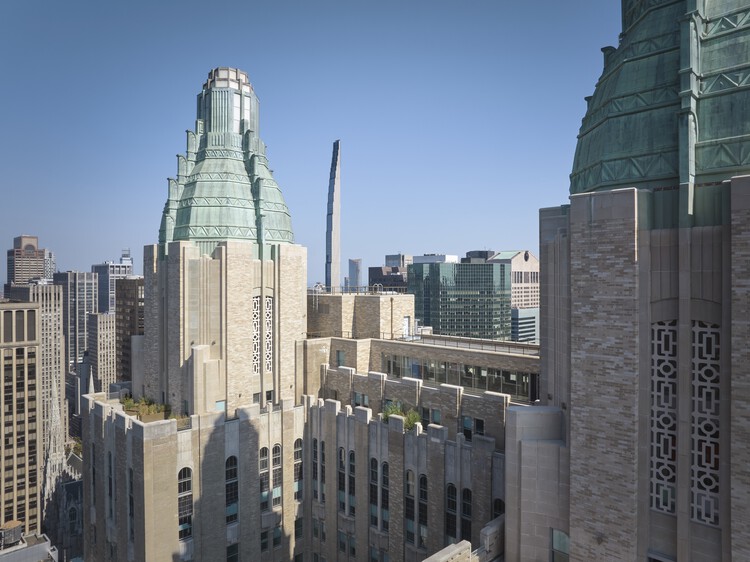
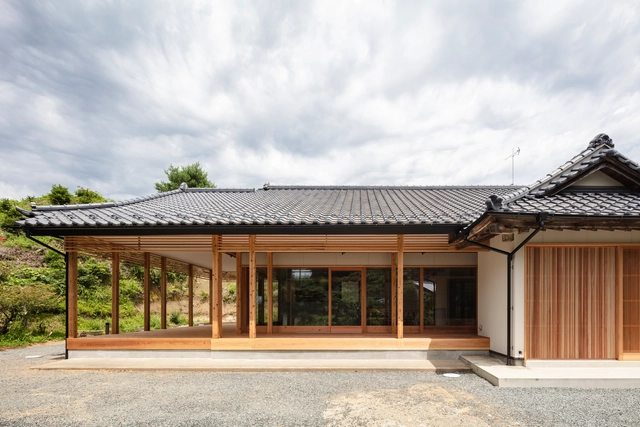
In a shifting societal and environmental landscape, how can architectural design respond to transformation while meaningfully engaging with what endures? 1110 Office for Architecture, based in Osaka, Japan, approaches this question through a body of work defined by careful residential renovations and precise spatial interventions.
Named a winner of the ArchDaily 2025 Next Practices Awards, the practice represents an emerging voice in redefining architecture's role within conditions of change.
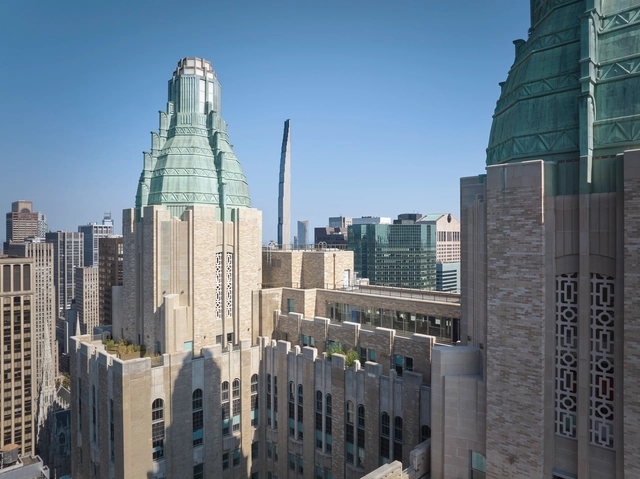
This week, architectural developments around the world highlighted the balance between continuity and change in the built environment. Conversations around sustainability, heritage, and resilience highlight how architecture adapts to shifting cultural, social, and environmental conditions, reimagining the role of design in shaping future communities. Across different contexts, projects, and initiatives, ongoing efforts to address environmental challenges, preserve cultural landmarks, and prepare new infrastructures reflecting the diverse scales and directions shaping architectural practice today.
ArchDaily is proud to reveal the winners of the 5th edition of Next Practices, recognizing 20 groundbreaking architectural practices from around the globe. These firms embody the creativity, innovation, interdisciplinary approach and social responsibility that are shaping the future of architecture and expanding its horizons.
When thinking about Japan, the first thing that comes to mind is the bustling streets of Tokyo, old fortified castles, and the cherry blossom-lined rivers in the urban areas. However, little is discussed regarding a real estate market problem currently ongoing in the country: Akiya, a Japanese term that translates to an empty house. In 2024, the number of Akiya in Japan went up to a record high of nine million units. Some believe that at the root of the issue is depopulation. When homes are passed down through family inheritance, they frequently become burdens rather than assets. As younger generations increasingly move to cities or live in apartments, they usually have no interest in living in or maintaining the old family home, especially if it's located in a less convenient or rural area. Cities like Tokyo see a smaller number of Akiya due to the elevated price of the land. Nonetheless, issues such as elevated costs of adapting the house to the new earthquake regulations and higher taxation on vacant land, still cause people to abandon them even in urban areas.