

-
Architects: Supercloud Studio
- Area: 1450 m²
- Year: 2020
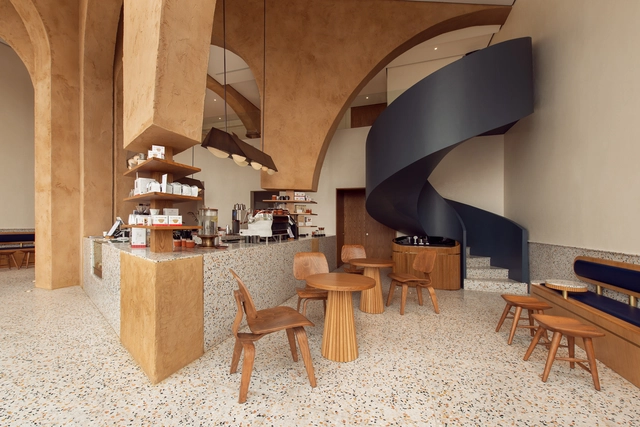
Coffee shops have always been popular gathering spaces among coffee lovers, but with the rise of remote working, especially post-pandemic, they have become a hotspot for remote workers and students as well. One of the many reasons why they are such a popular hangout spot, other than the fact that they serve one of the most globally-adored drinks, is because of their well-designed interior spaces that promote comfort, relaxation, and productivity simultaneously. After all, it's always been said that architects and coffee go hand in hand. In this interior focus, we explore how different design elements shape the user experience of a coffee shop, and look at how architects have employed them through 17 examples.
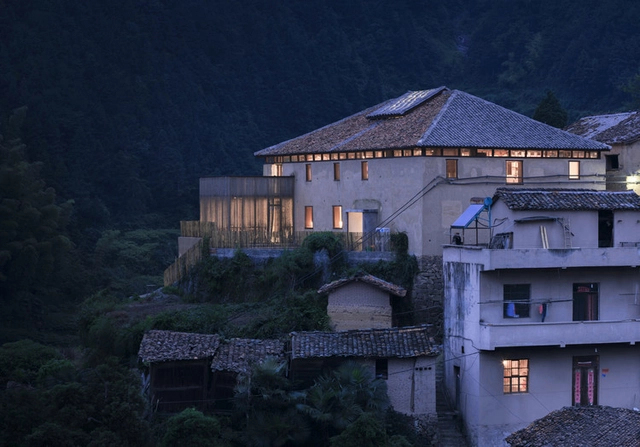
The immensity of China leads to the diversity of customs and climatic conditions. Each area has its own unique materials, construction methods, and climate adaptation measures. The regional characteristics of Chinese architecture are generally preserved in rural buildings. But we cannot overlook how contemporary technology may considerably improve the living and use conditions of rural buildings. What is the best way to create a balance between classic or inherent technology and new ones? How would the construction of rural architecture provide inspiration for the development of Chinese architectural cultural symbols?
2022 Pritzker Architecture Prize winner Diébédo Francis Kéré reported the great solutions of Burkina Faso. Kéré insists to build comfortable buildings at a reasonable price; to make users happy and inspire them to dream of a better life. The pride of the local culture is reinforced by the use of local materials and traditional techniques. And then Kéré‘s works in other countries show cultural emblems of Burkina Faso, which are the consequence of his own cultural accumulation.


Circulation spaces are often challenging for designers as they are intended—as the name implies—for moving from one room to another. While many take advantage of these areas by using them as storage spaces, Mies van der Rohe at the Farnsworth house reduced circulation to a minimum, creating an open floor plan completely free of hallways. When faced with vertical circulation, the issue is similar. Stairs fulfill the purpose of overcoming the height between one floor and another, but rarely constitute indoor living spaces. Bleachers, in turn, play this role in several projects. Until recently, they were only found in sports spaces or amphitheaters; now the use of bleachers has become widespread and is seen in office spaces, public buildings, schools and even homes.

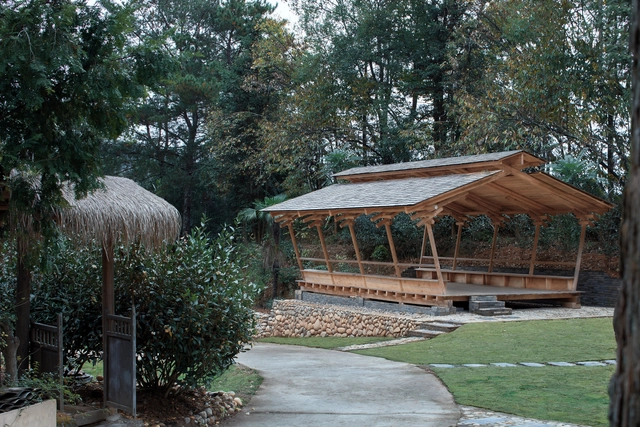
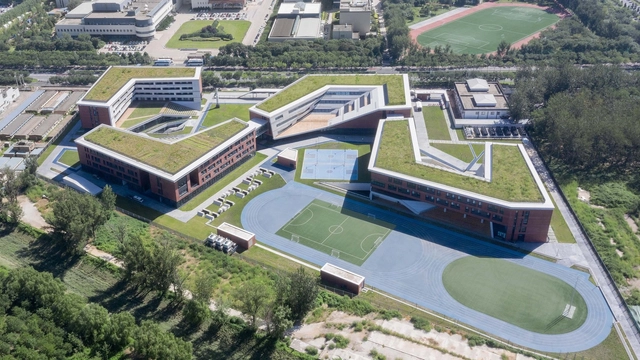

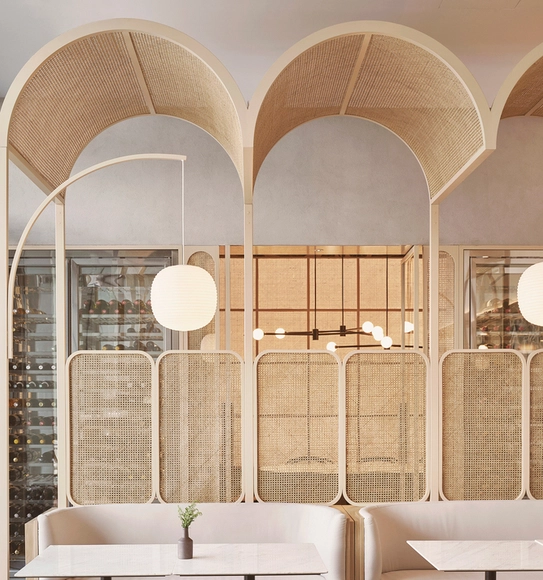
Over the past couple of years, many designers have voiced their commitment to ethical and ecological sourcing, resorting to frugal designs through local materials, traditional techniques, and equitable architecture. Having this approach in mind, many found inspiration in their cultural heritage, reimagining ancient designs in contemporary contexts.
When thinking of recycled design trends, we can't overlook one of the most well-known and popular materials that was shared by nations all around the globe over the span of 100 years; on balconies, outdoor patios, gardens, and indoor living spaces: rattan. It is estimated that almost seven hundred million people worldwide use rattan, with many countries presenting it as an integral part of their cultures. In this article, we look at how architects and designers integrated rattan in their designs and found numerous ways to make the best out of Southeast Asia's popular local material.
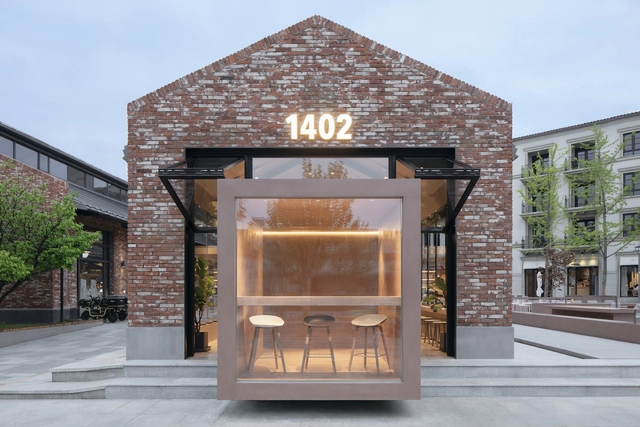
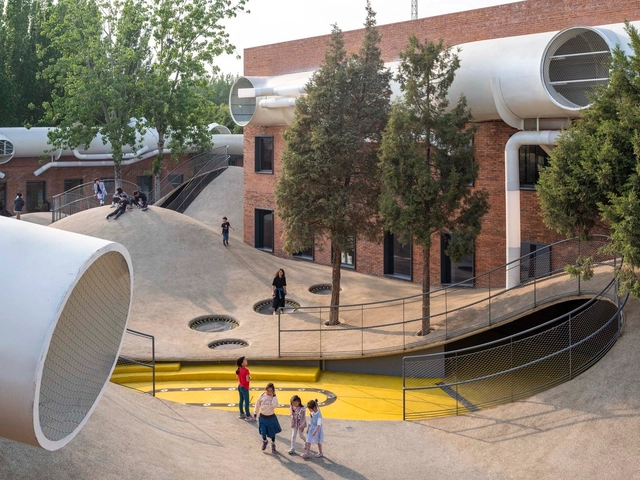
Bruce Jilk in his essay ‘Place Making and Change in learning environments” showcases a radical view of contemporary education which, he argues, is outdated and does not meet the needs of the modern world. Instead of providing for a world of individuals operating within a wider urban environment, schools have become internalized ghettos of childhood, cutting off from communities they are supposed to serve, centrally administered in a “one size fits all” ethos. Designers and architects around the world have always been seeking a more flexible architectural model which will allow much more creativity within the learning process and the environments which serve it.
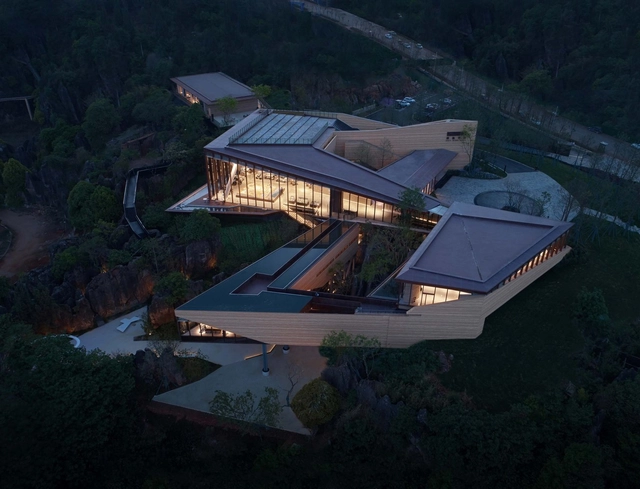
Ever since the period of the Renaissance in Europe, the indivisible relationship between art and architecture has long been heatedly discussed and vividly reflected in numerous classical books and buildings. With the deep connection that unites art and architecture together, designers, artists, and architects have been actively collaborating and came up with solutions on how we can house and exhibit art in the form of changing spaces.
.jpg?1617861414&format=webp&width=640&height=580)
During the week of the final selection of ArchDaily China Building of the Year 2021 Awards, we received a total of 75,000 votes, thanks to our readers from all over the world. ArchDaily China strives to bring more Chinese firms to the wave of global exchanges and introduce Chinese architecture to the world.
This year, CCTN Design, with Shougang NO.3 Blast Furnace Museum, were selected for the first position, adopting the design strategy of “sealing the old, dismantling the surplus, and replenishing the new”, and transforming the industrial remains of Beijing into an inviting urban space. MAD Architects, with YueCheng Courtyard Kindergarten, won second place by dismantling and expanding the traditional courtyard house. gad, with Mountain & Sea Art Museum, won the third position by solving the problem of mountain construction and shaping the sculpture form of the art museum.


.jpg?1648462850&format=webp&width=230&height=230&crop=true)
.jpg?1648462847&format=webp&width=230&height=230&crop=true)
.jpg?1648462901&format=webp&width=230&height=230&crop=true)
.jpg?1648462928&format=webp&width=230&height=230&crop=true)