XIA ZHI PICTURES

BROWSE ALL FROM THIS PHOTOGRAPHER HERE
↓

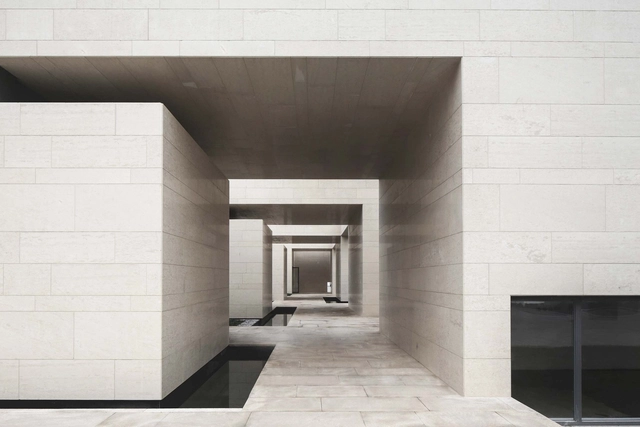
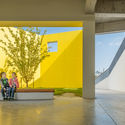
Naheya Kindergarten / WEI architects

Naheya Kindergarten / WEI architects - More Images+ 36

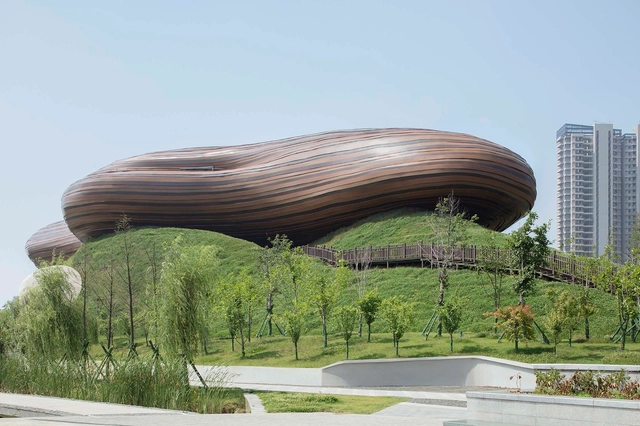
Aranya Art Center / Neri&Hu Design and Research Office

Aranya Art Center / Neri&Hu Design and Research Office - More Images+ 36

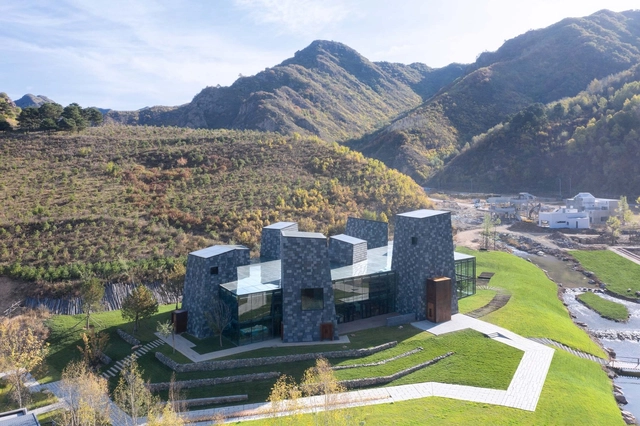
M WOODS Art Community / B.l.U.E. Architecture Studio

M WOODS Art Community / B.l.U.E. Architecture Studio - More Images+ 46

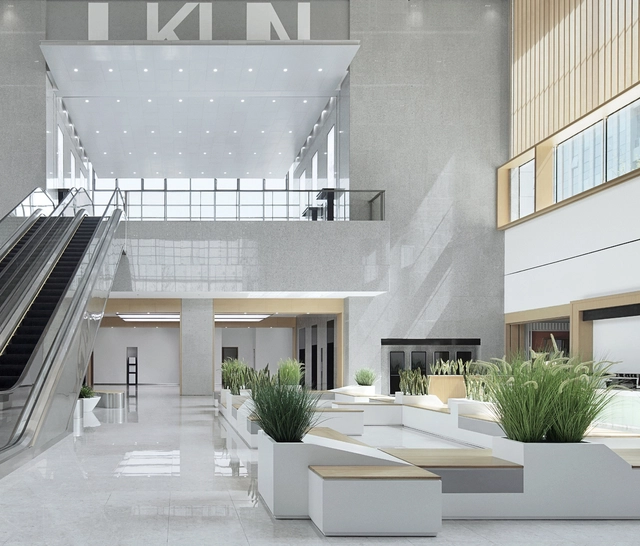
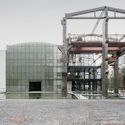
Canal Art Museum / officePROJECT

Canal Art Museum / officePROJECT - More Images+ 31

•
Beijing, China
  • Architects: officePROJECT
  • Area Area of this architecture project Area:  1900 m²
  • Year Completion year of this architecture project Year:  2019

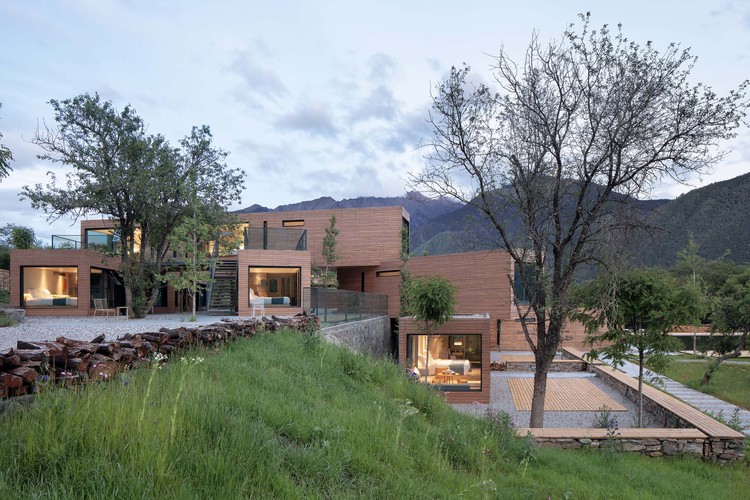
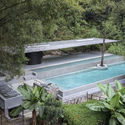
Forest Valley Hot spring Center / B.l.U.E. Architecture Studio

Forest Valley Hot spring Center / B.l.U.E. Architecture Studio - More Images+ 36

Yongjiang Experimental School / DC Alliance

Yongjiang Experimental School / DC Alliance - More Images+ 31

•
Ningbo, China
  • Architects: DC Alliance
  • Area Area of this architecture project Area:  29500 m²
  • Year Completion year of this architecture project Year:  2018
  • Manufacturers Brands with products used in this architecture project
    Manufacturers:  XIN ZHONG YUAN

co(al)-yard / reMIX studio

co(al)-yard / reMIX studio  - More Images+ 19

•
Beijing, China
  • Architects: reMIX studio
  • Area Area of this architecture project Area:  930 m²
  • Year Completion year of this architecture project Year:  2019
  • Manufacturers Brands with products used in this architecture project
    Manufacturers:  HAY
  • Professionals: Kaihe Studio

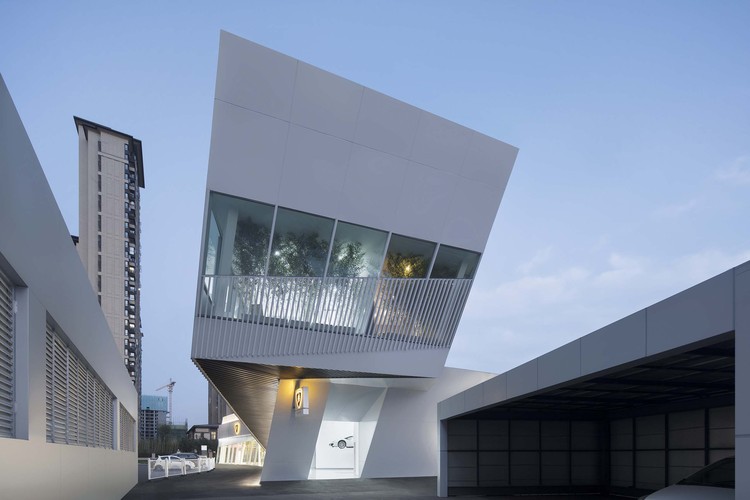
Lamborghini Exhibition Center / PMA

Lamborghini Exhibition Center / PMA - More Images+ 16

•
Zhengzhou, China

Liyang Museum / CROX

Liyang Museum  / CROX - More Images+ 34

•
Changzhou, China
Subscriber Access

10 Resistant Plants that Survive in Low Light Spaces

10 Resistant Plants that Survive in Low Light Spaces - Image 23 of 4
The Ceramic Atelier / Gabriel Castro (MOBIO Arquitetura) + Luiza Soares. Image Cortesia de Gabriel Castro / Reverbo

10 Resistant Plants that Survive in Low Light Spaces - More Images+ 28

With increasingly smaller homes and apartments, there has been a growing impulse to integrate plant species into interior spaces. But what kind of plants should be used for an environment lacking in abundant natural light? In this article, you will find some suggestions for species recommended for shaded or semi-shaded environments, an especially important distinction when we talk about interior spaces that receive little sunlight.

Z Office / CPLUS

Z Office / CPLUS - Offices Interiors
Atrium. Image © XIA ZHI PICTURES

Z Office / CPLUS - More Images+ 15

  • Architects: CPLUS
  • Area Area of this architecture project Area:  4200 m²
  • Year Completion year of this architecture project Year:  2019
  • Manufacturers Brands with products used in this architecture project
    Manufacturers:  Covering Chile, Milliken, ALPI, FilzFelt

Sanzee Rv Self-driving Campsite / CM design

Sanzee Rv Self-driving Campsite / CM design - More Images+ 33

  • Architects: CM design
  • Area Area of this architecture project Area:  33170 m²
  • Year Completion year of this architecture project Year:  2019

Beyond the Wind Pavilion / MAT Office

Beyond the Wind Pavilion / MAT Office - More Images+ 27

•
Suzhou, China

Jade Museum / Archi-Union Architects

Jade Museum / Archi-Union Architects - Museum
© Zhi Xia
•
Shanghai, China

Jade Museum / Archi-Union Architects - More Images+ 21

Kunshan Government Affairs Service Centre / SDTD

Kunshan Government Affairs Service Centre / SDTD - More Images+ 24

  • Architects: SDTD
  • Area Area of this architecture project Area:  102000 m²
  • Year Completion year of this architecture project Year:  2018

Narcisse Beauty Salon / penda China

Narcisse Beauty Salon / penda China - More Images+ 32

  • Architects: penda China
  • Year Completion year of this architecture project Year:  2019
Subscriber Access

Liu Yuyang: "Not seeking to transform the world, but to bring a ray of light to people"

Liu Yuyang: "Not seeking to transform the world, but to bring a ray of light to people" - Image 1 of 4Liu Yuyang: "Not seeking to transform the world, but to bring a ray of light to people" - Image 2 of 4Liu Yuyang: "Not seeking to transform the world, but to bring a ray of light to people" - Image 3 of 4Liu Yuyang: "Not seeking to transform the world, but to bring a ray of light to people" - Image 4 of 4Liu Yuyang: Not seeking to transform the world, but to bring a ray of light to people - More Images+ 21

China's unique social development has provided a distinctive breeding ground for contemporary Chinese architecture. As one of the country's primary design hubs, Shanghai can be seen as an ideal entry point to understanding this landscape. Shanghai-based architect Liu Yuyang, who was born in Taiwan and raised in the United States, has forged a unique architectural trajectory shaped by his rich life experiences and multicultural background. Through an extensive portfolio of built work, he has established a distinct voice within the broader professional landscape. In the following excerpt from an interview with author Zhang Yifan (YF), Liu discusses his design approach, the origins of his philosophy, and his professional ethos.
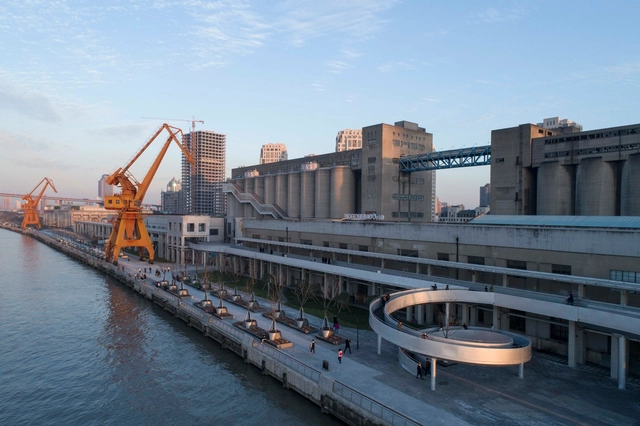
Casting Light upon the Ideal Condition: A Talk with Liu Yuyang

Casting Light upon the Ideal Condition: A Talk with Liu Yuyang - Image 1 of 4Casting Light upon the Ideal Condition: A Talk with Liu Yuyang - Image 2 of 4Casting Light upon the Ideal Condition: A Talk with Liu Yuyang - Image 3 of 4Casting Light upon the Ideal Condition: A Talk with Liu Yuyang - Image 4 of 4Casting Light upon the Ideal Condition: A Talk with Liu Yuyang - More Images+ 21

When architecture has been evolving within the context of “Chinese characteristics”, Shanghai as one of the national creative centers provides us with a glimpse of the transformations and the prospects of Chinese contemporary architecture. Based in Shanghai, architect Liu Yuyang, who was born in Taiwan and grew up in America, has conceived his personal architectural approach with the multicultural background and shared his visions with others by a number of built projects. In the following excerpt from a conversation between Liu Yuyang and the author, he talks about his design philosophy, origins of the practice, the attitude to the profession, and more.