Ute Zscharnt

BROWSE ALL FROM THIS PHOTOGRAPHER HERE

More Than Gray: 15 Projects That Explore Red Pigmented Concrete

Subscriber Access | 

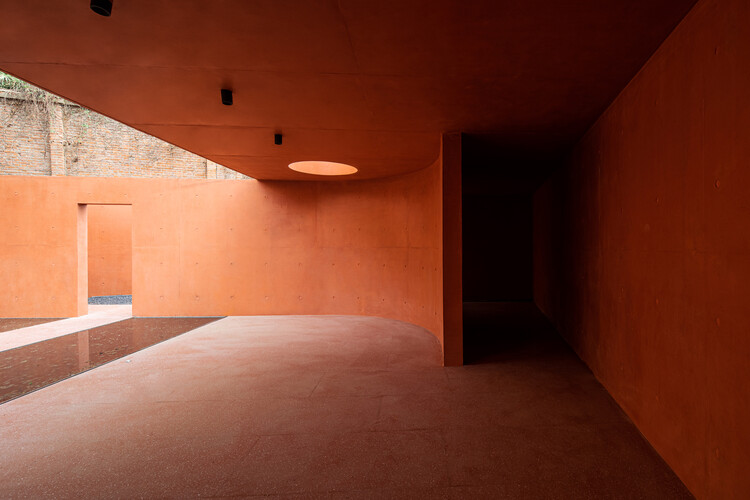
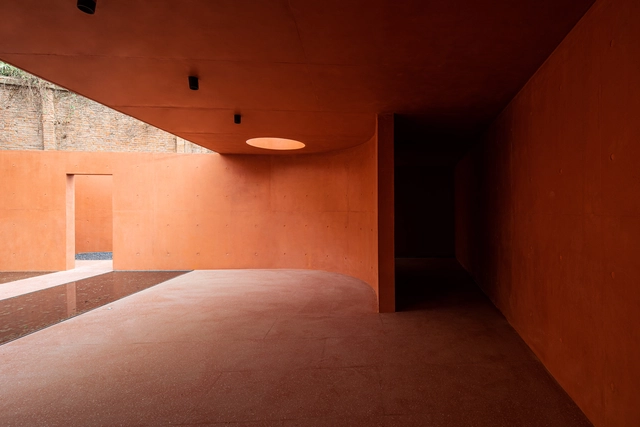
Concrete is often seen as the material of modernity, defined by its structural strength, raw finish, and unmistakable gray tone. It became the default palette of 20th-century architecture, a symbol of functionality and permanence. Yet, concrete is not bound to this chromatic identity. Its color is a byproduct of the cement, aggregates, and chemical composition used in its mix, and it can be intentionally altered through pigmentation. Among the many hues explored, red stands out — not only for its visual intensity, but for its ability to root buildings in place, evoke cultural references, and imbue architecture with a material presence that feels both elemental and expressive.

Pigmenting concrete involves the addition of mineral-based colorants — usually iron oxides — during the mixing process. Unlike paints or coatings applied to the surface, these pigments are integrated directly into the concrete mass, ensuring the color permeates the material and remains stable over time. Red pigments in particular are often derived from iron oxide (Fe₂O₃), a naturally occurring compound found in clay, hematite, and other iron-rich minerals. Their deep, earthy hue connects contemporary construction with ancient techniques — from Roman pozzolana mortars to the red earth buildings of West Africa and South America.

More Than Gray: 15 Projects That Explore Red Pigmented Concrete - More Images+ 27

Building History: German Museums Revealing Culture and Place

Subscriber Access | 

Museums reveal local and shared heritage. As cultural institutions embedded in the fabric of modern life, each museum serves as a window into history and human exchange. Made to promote understanding and provoke new ideas, these monumental buildings are inspired by spatial exploration. With some of the most influential museum projects in the world, Germany is home to a range of diverse institutions showcasing unique approaches to curating, taxonomy and spatial organization.

Building History: German Museums Revealing Culture and Place - More Images+ 10

Building Blocks: Rethinking the Facade in Berlin

Subscriber Access | 

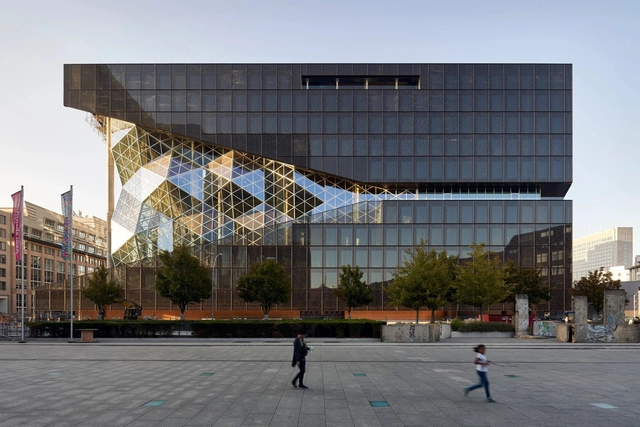
Berlin is a city defined by an eclectic mix of style and a rich history. It's built environment has been dramatically shaped by a series of municipal construction programs, and in turn, a past of extensive demolition, planned residential areas, and diverse new cultural projects. Combined with influences across Europe, Berlin's contemporary architecture showcases new ideas on building concepts, forms and facades.

Building Blocks: Rethinking the Facade in Berlin - More Images+ 6

Leona Lynen Explains How to Fight Gentrification in ReSITE Podcast

Design and the City is a podcast by reSITE, raising questions and proposing solutions for the city of the future. In the fourth episode entitled Fighting Gentrification, Leona Lynen, a city-maker advocating for the collaboration between civil society and administration, talks about the case of Berlin and her new co-operative project.

Campus Joachimstraße / David Chipperfield Architects

Campus Joachimstraße / David Chipperfield Architects - More Images+ 22

Spotlight: David Chipperfield

Spotlight: David Chipperfield - Image 8 of 4
David Chipperfield in 2012. Image © Flickr user br1dotcom licensed under CC BY-SA 2.0

The career of British architect David Chipperfield (born 18 December 1953) has spanned decades and continents as an architect, designer and professor. Since 1984, he has been at the helm of David Chipperfield Architects, an award winning firm with over 180 staff at offices in London, Berlin, Milan, and Shanghai. Chipperfield is an honorary fellow of the American Institute of Architects and Germany's Bund Deutscher Architekten, and was appointed a Commander of the Order of the British Empire (CBE) in 2004. In 2012, Chipperfield curated the Venice Biennale of Architecture under the theme Common Ground.

Spotlight: David Chipperfield - More Images+ 10

Real Takes on Real(ly Successful) Housing Experiments

Subscriber Access | 

The challenges associated with the provision of adequate and affordable housing around the world demand that architects respond with original solutions that challenge traditional building forms, typologies and methods of delivery.

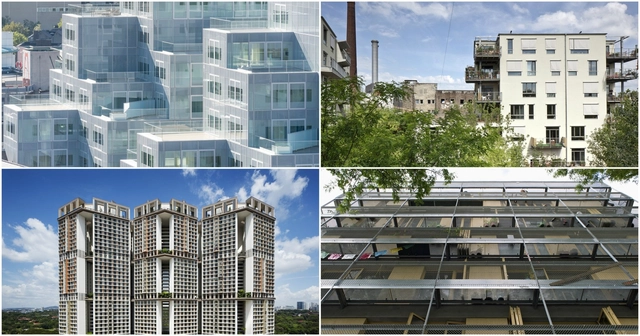
PLANE–SITE brought together the architects of four inventive housing projects. These projects represent a diversity of approaches to similar housing challenges across radically different global contexts. From the redensification of European urban centers to the rapid urbanization of the tropical Asian megacity, these radical housing models challenged existing paradigms in order to advance resident well-being as their principle design concern. In contrast to Schumacher’s divisive speech, the panel illustrated projects that were deliberately designed to promote community life and social interaction between residents – and in some cases also with other citizens in spaces that blur the line between public and private.

David Chipperfield's New Museum Island Gallery Opens in Berlin

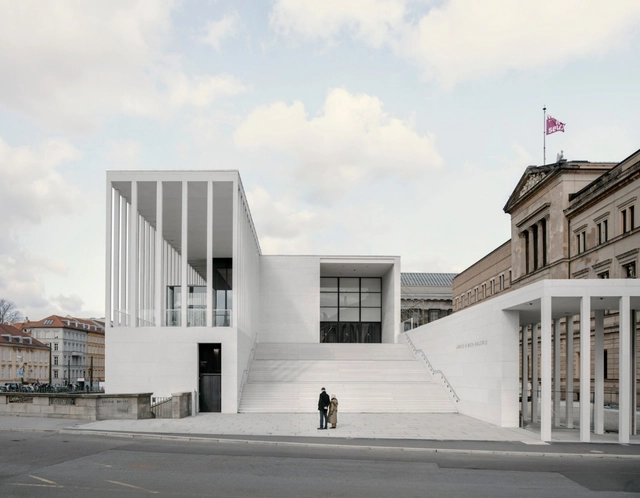
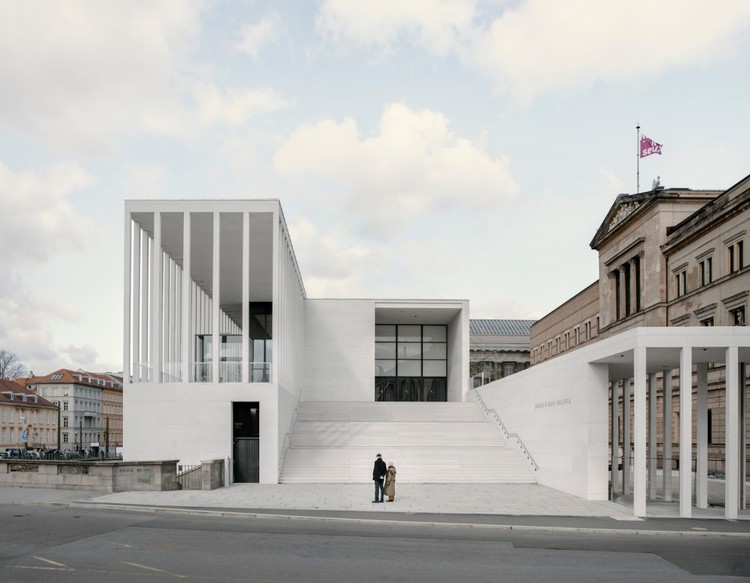
David Chipperfield's James-Simon-Galerie has opened on Museum Island in Berlin. The project serves as a new entrance between the Kupfergraben canal and the Neues Museum. The design was made to welcome large numbers of visitors while housing all the additional facilities needed by the museum. Featuring an iconic colonnade above a stone plinth, the project was made to express a classical piano nobile.

David Chipperfield's New Museum Island Gallery Opens in Berlin - More Images+ 4

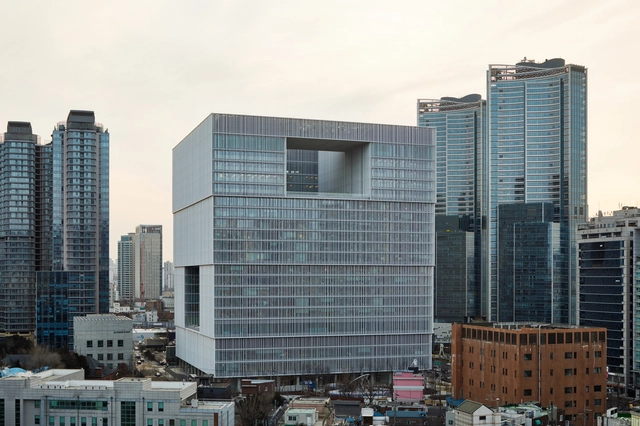
Amorepacific Headquarters / David Chipperfield Architects

Amorepacific Headquarters / David Chipperfield Architects - More Images+ 50

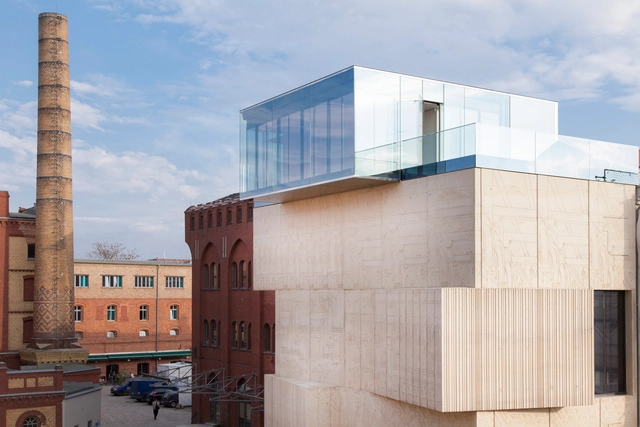
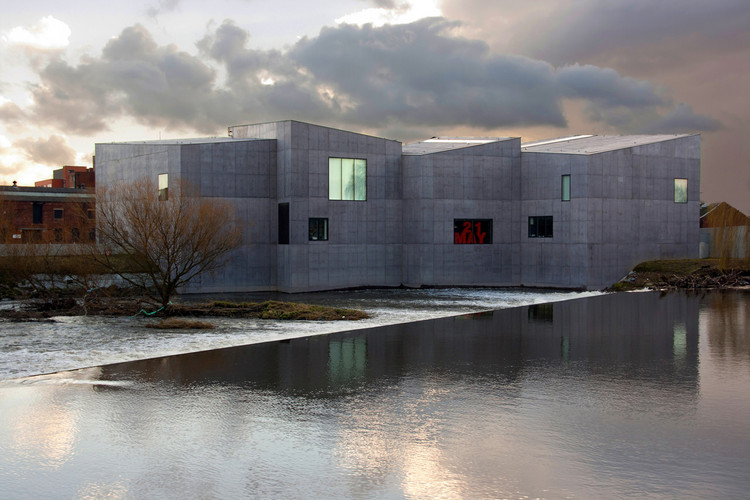
Museum Tonofenfabrik Lahr / Heneghan Peng Architects

Museum Tonofenfabrik Lahr / Heneghan Peng Architects - Museum, Facade
© Ute Zscharnt

Museum Tonofenfabrik Lahr / Heneghan Peng Architects - More Images+ 24

Lahr, Germany

23 Examples of Impressive Museum Architecture

Subscriber Access | 
23 Examples of Impressive Museum Architecture - Image 1 of 4

Designing a museum is always an exciting architectural challenge. Museums often come with their own unique needs and constraints--from the art museum that needs specialist spaces for preserving works, to the huge collection that requires extensive archive space, and even the respected institution whose existing heritage building presents a challenge for any new extension. In honor of International Museum Day, we’ve selected 23 stand-out museums from our database, with each ArchDaily editor explaining what makes these buildings some of the best examples of museum architecture out there.

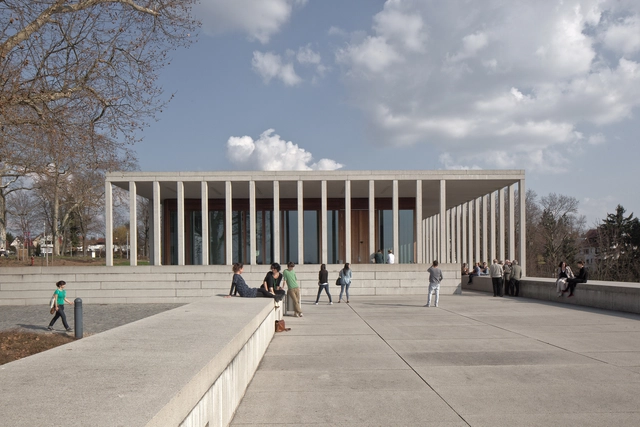
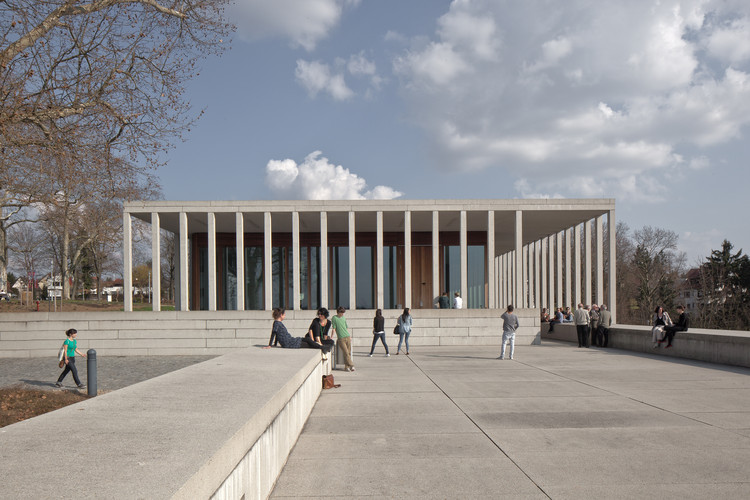
Museum of Modern Literature / David Chipperfield Architects

Museum of Modern Literature / David Chipperfield Architects - More Images+ 18

Marbach am Neckar, Germany

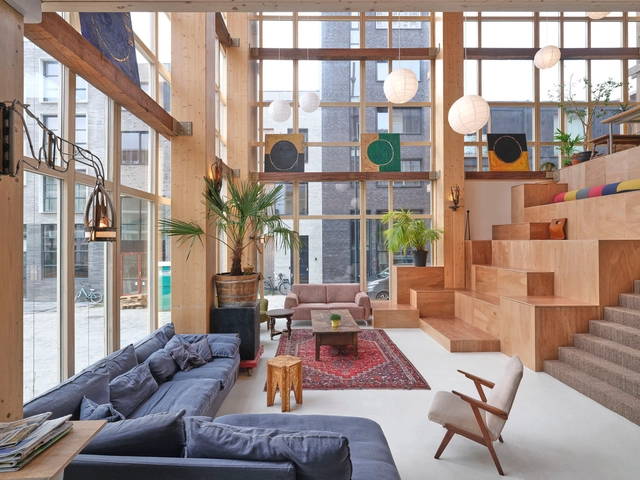
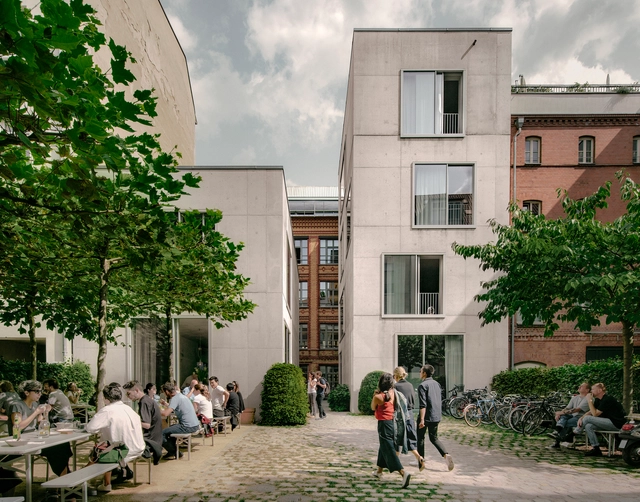
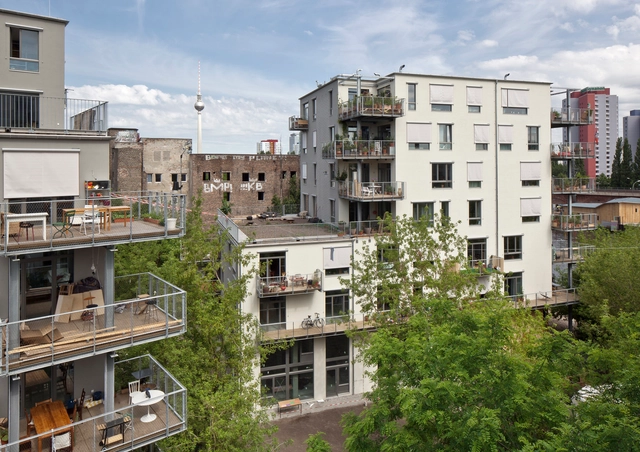
Coop Housing at River Spreefeld / Carpaneto Architekten + Fatkoehl Architekten + BARarchitekten

Coop Housing at River Spreefeld / Carpaneto Architekten + Fatkoehl Architekten + BARarchitekten - More Images+ 32

AD Interviews: European Architects on the Mies van der Rohe Award

Subscriber Access | 

The European Union Prize for Contemporary Architecture - Mies van der Rohe Award is one of the most important and prestigious prizes for architecture within Europe. First established in 1987, the prize is awarded every two years, and a look at the projects over the years offers unique insight into the development of architecture across Europe. To better understand the significance and uniqueness of the award we spoke with two previous award winners – Kjetil Trædal Thorsen and Craig Dykers from Snøhetta and Dominique Perrault from Dominique Perrault Architecture – as well as Peter Cachola Schmal, an architect, critic and the director of DAM, the German Architecture Musuem, and Josep Lluís Mateo of Mateo Arquitectura and a professor of Architecture and Projects at ETH-Eidgenössische Technische Hochschule/ Swiss Federal Institute of Technology Zurich.

“This is the special thing about the Mies jury, that they do visit the top 5 projects, and see first-hand what this piece of architecture is about. And then they vote, which means the jury really knows what they’re voting about,” Peter Cachola Schmal noted.

“It’s a prize for a project, rather than a prize for an architect,” Kjetil Trædal Thorsen added.

Read on after the break for more on the Mies van der Rohe award and to see what the architects had to say about the importance of archives...

AD Interviews: European Architects on the Mies van der Rohe Award - More Images+ 2