-
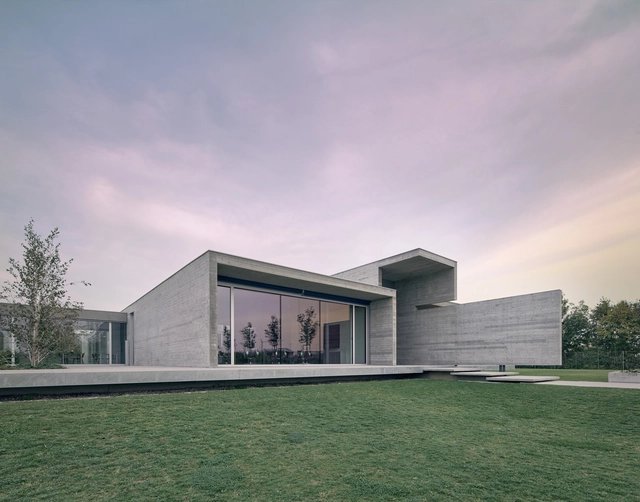
Architects: David Chipperfield, Studio Mark Randel
- Area: 2453 m²
- Year: 2022
-
Manufacturers: Boehmler, Cinca Mosaic, Renner Bau, Soreg Glide, Wigglesworth Weider


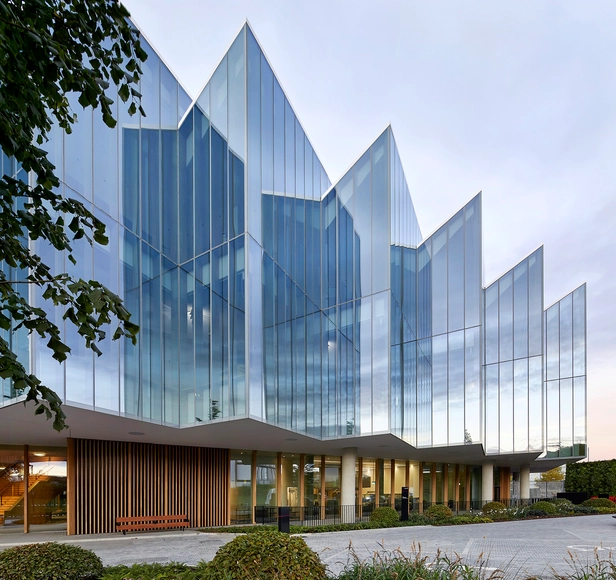
The Royal Institute of British Architects (RIBA) has announced the 20 winners of the 2025 RIBA National Awards, recognising the most significant contributions to architecture across the UK. Presented annually since 1966, the awards celebrate design excellence and provide a valuable snapshot of evolving architectural, cultural, and social trends. This year's winning projects span the length and breadth of the country, from the Isle of Wight to Scotland and Northern Ireland, and represent a wide range of typologies and scales, from major institutional buildings to small-scale residential and community-focused interventions.

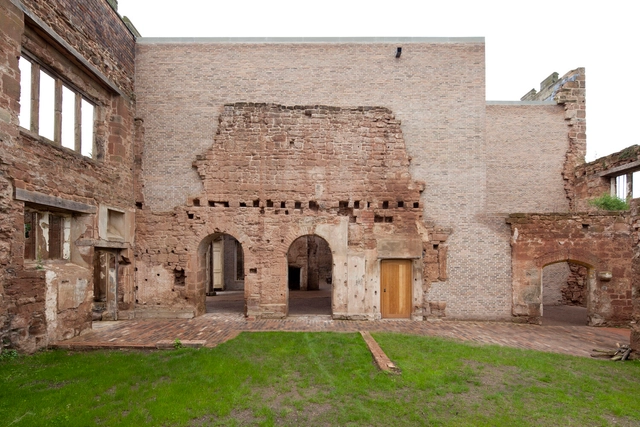
There is a particular kind of architecture that does not begin with a blank page. It begins in silence, in ruins, in walls shaped by time. It begins by listening. Rather than imposing itself, it draws near, slowly, choosing to touch rather than overwrite. This is an architecture that engages with the past through the lens of the present, not to erase it or mimic it, but to offer it continuity.
Contemporary architecture increasingly recognizes that to build with the past is not to be held back by it. Heritage is no longer seen as a constraint but as an active ground for design. Within this shift, pre-existence becomes more than a physical condition — it becomes a narrative thread, a structural and symbolic presence that invites care. Rather than asserting dominance, many architects today choose to respond with gestures that are deliberate, quiet, and precise. These interventions frame rather than replace, protect rather than obscure. In doing so, they allow history to remain visible, not as a backdrop, but as a living layer of the architectural experience.


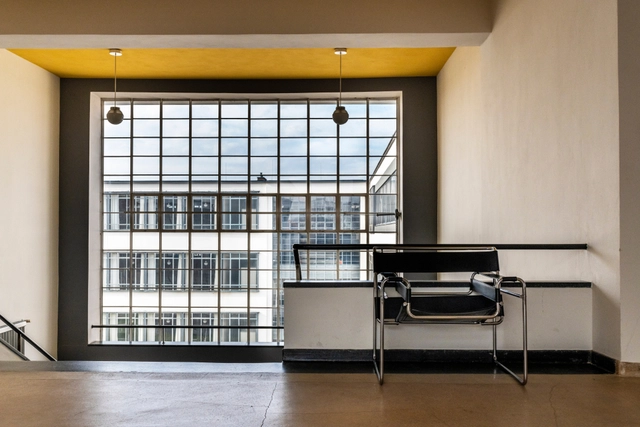
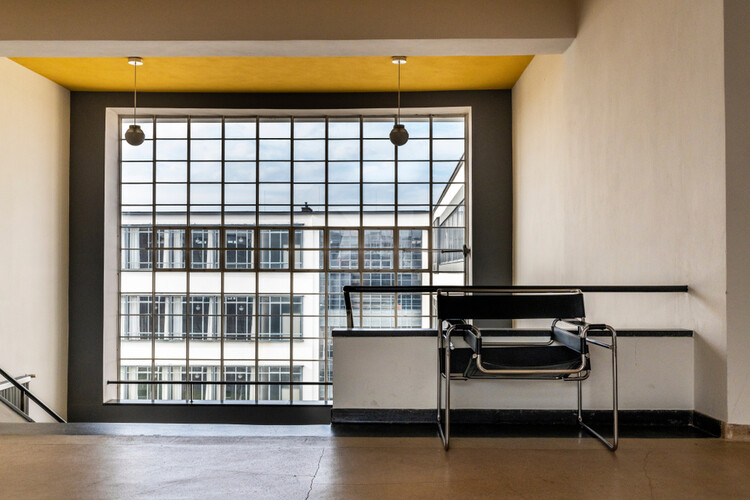
Bauhaus's designs have influenced our contemporary society in obvious and subtle ways. Iconic examples include Marcel Breuer’s Wassily Chair, the B55 Chair, the Bauhaus typeface, and the graphic design principles emphasizing clean lines, primary colors, and geometric shapes. However, the architectural construction details of the Bauhaus movement are much less discussed. While most can readily identify modern or Bauhaus buildings by their geometric forms, functionality, and industrial materials, their architectural details are often overlooked. They not only echo the design language of Breuer’s renowned furniture pieces but also have influenced the much-celebrated architectural glass details of Mies van der Rohe. How were Bauhaus's details executed, and how might they be translated into contemporary details today?

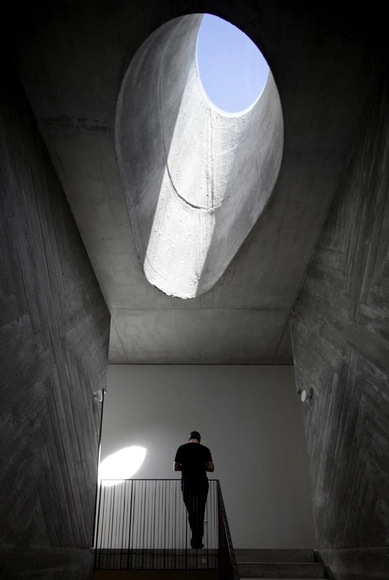
For most people, modern living requires spending most of the day in interior spaces - in fact, according to a report by the Environmental Protection Agency, the average person spends around 90% of their life indoors. As a result, this implies missing out on health benefits associated with sunlight exposure, such as vitamin D absorption, regulation of circadian rhythms, higher energy levels and even improved mood. Thus, one option is to increase the amount of time we spend outdoors. But because most daily functions are carried out inside buildings, it is crucial to incorporate and prioritize natural lighting in interiors.


“New ideas must use old buildings,” said Jane Jacobs in her seminal book The Death and Life of Great American Cities, championing the reuse of existing building stock as a means to catalyze positive change and foster diverse urban environments. Inserting new activities within an existing framework is increasingly becoming a defining aspect of contemporary architecture, as the need for sustainable alternatives to building anew turns more urgent. From an urban perspective, adaptive reuse is a valuable strategy for revitalizing post-industrial cities, creating density and mitigating urban sprawl, or helping shrinking cities redefine their urban fabric.

For architects, schools are often complex structures to design. They must provide a variety of spaces for education, and also consider sports and recreational activities. But beyond its size or surface, the greatest challenge is to design an area that fosters a positive pedagogical environment for children. Below, a selection of +70 school projects with their drawings to inspire your proposals for learning campuses.