On behalf of the entire ArchDaily team, we would like to thank you for your continued support and for making 2020 our best year so far! We are now reaching more architects around the world and inspiring them in the creation of better built environments. With more than 5500 different projects published during the year, our curators are excited to share this collection of the 100 most visited projects of 2020. This selection represents the best content created and shared by the ArchDaily community over the past 11 months.
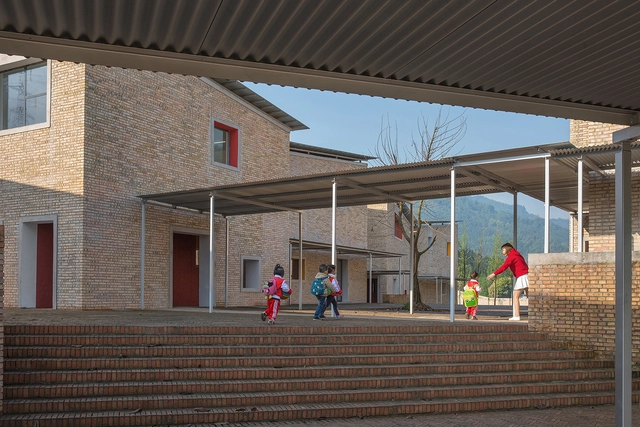
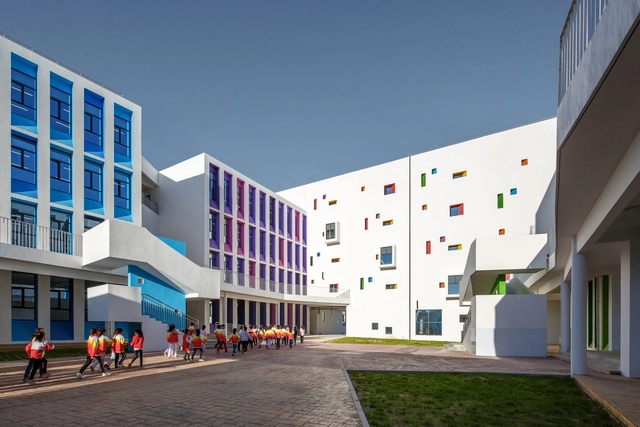
https://www.archdaily.com/879604/xinchang-villages-central-kindergarten-in-tianquan-county-sponsored-by-the-one-foundation-atelier-deshaus罗靖琳 - Jinglin Luo
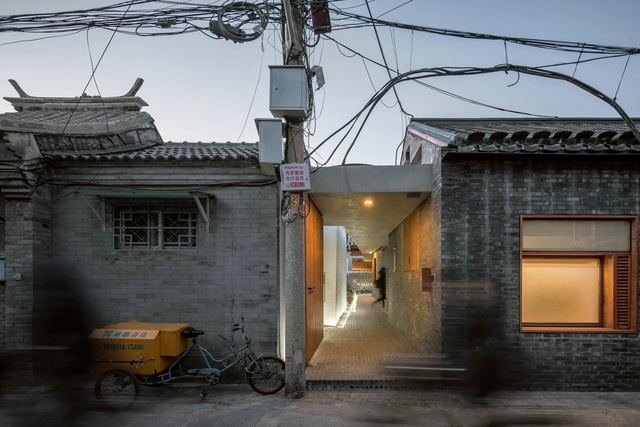
For centuries, Hutongs have been recognized as one of the most treasured types of vernacular housing in China. Witnessing the cultural and historical transformation in Beijing ever since the Yuan Dynasty (1271 – 1368), the name Hutong is derived from a Mongolian word that means ‘water well’. In fact, this term was given to small streets that originated during the Yuan Dynasty when the emperor attempted to organize the urban fabric in a grid-like pattern in order to manage properly property ownership and to form an efficient transit system.
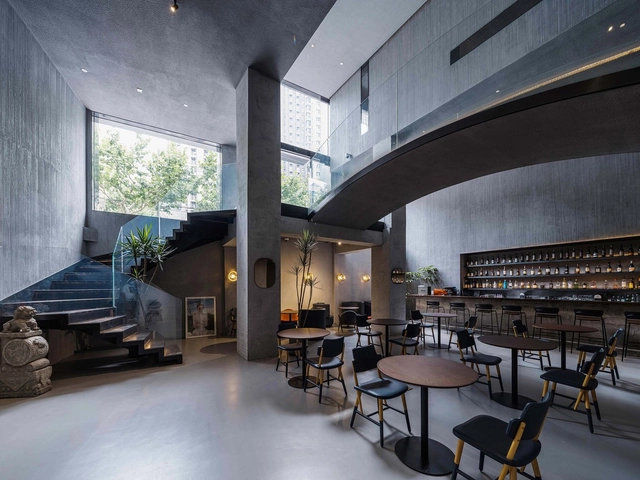
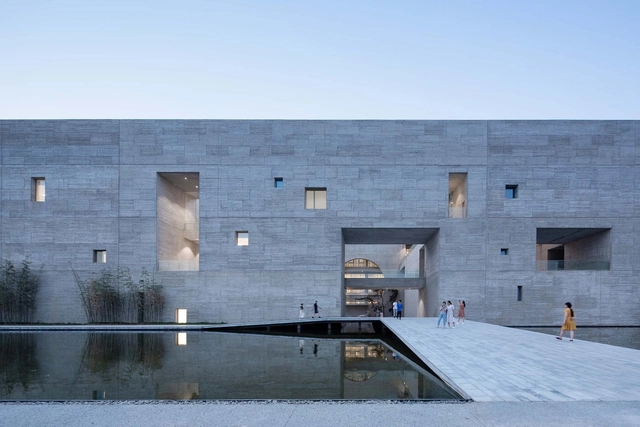
The developing state of society with Chinese characteristics presents a unique environment for China’s contemporary architecture. Furthermore, by serving as one of China’s primary centers of design, Shanghai serves as an ideal entry point for understanding China’s contemporary architecture.
Architect Xing Ruan is the founding dean of the School of Design at Shanghai Jiao Tong University, China. Ruan left China for New Zealand and Australia in the early 1990s before returning in 2018 for his present post, giving him sharp insight into his role as scholar and practitioner situated in both East and West.
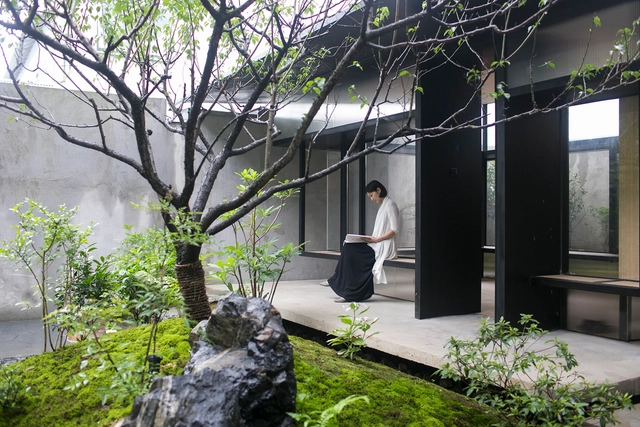
Chinese courtyard houses are one of the most common housing typologies spanning all the way from the northern capital of Beijing to the poetic southern cities Hangzhou and back to the picturesque regions of Yunnan. Typically referred as heyuan, these courtyards homes are simply a “yard enclosed on four sides."
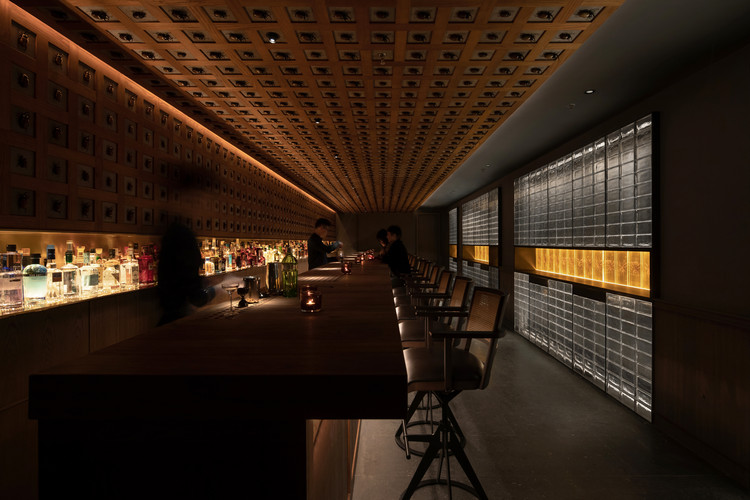
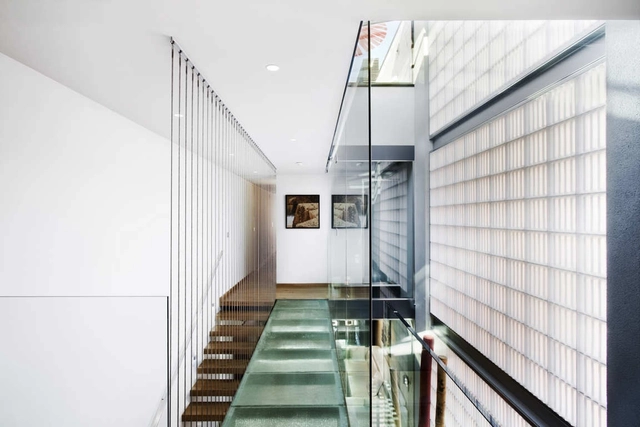
In 1977, a New York Times article by Carter B. Horsley proclaimed that “Glamorous Glass Bricks Are Booming:” once a “less than first-class” material, it was beginning to gain acceptance among architects in residential and restaurant projects for its translucence, privacy, visual interest, and sense of order. However, following the industry’s brief but widespread use of glass bricks, many now associate the material with outdated 80’s architectural styles, an aesthetic that few seem interested in reviving. Yet pioneering contemporary architects have begun using this unique material in new and distinctly modern ways, whether for sleek and minimalist bathrooms, industrial bars and restaurants, vintage residential windows, or even experimental urban facades. As Horsley stated, it appears that glamorous glass bricks are booming – again.
https://www.archdaily.com/941686/glamorous-glass-bricks-are-booming-nil-againLilly Cao
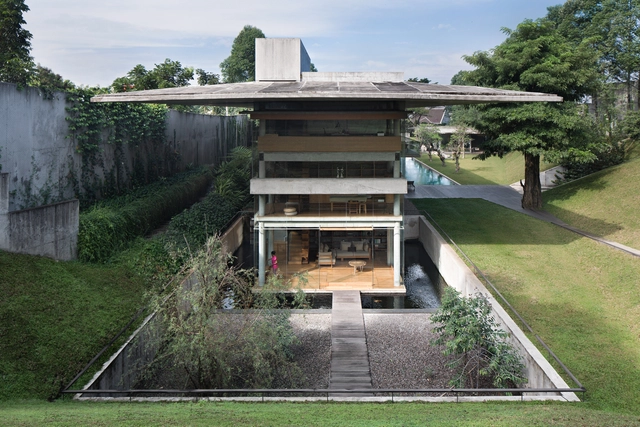
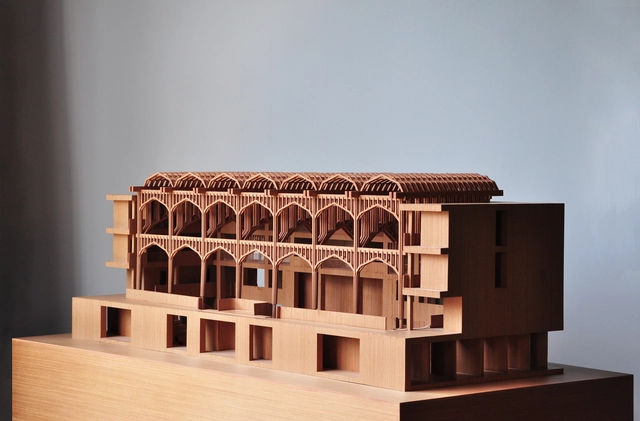
As a Chinese architectural educator and practicing architect, Zhu Pei has founded Studio Zhu-Pei in 2005. Since then, he has been focusing on cultural architecture in both theoretical and practical ways. Based on the concept of 'natural architecture’, he has designed a series of experimental and artistic buildings.
https://www.archdaily.com/940758/interview-of-zhu-pei-reflects-on-covid-19-s-impact-on-architectural-design-and-education韩双羽 - HAN Shuangyu
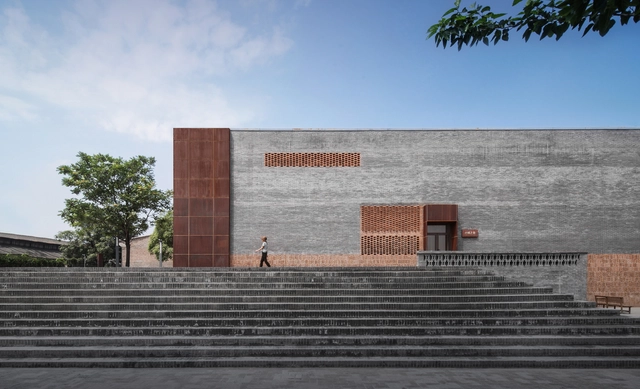
https://www.archdaily.com/936992/pingyao-diesel-engine-factory-renovation-architectural-design-and-research-institute-of-tsinghua-university罗靖琳 - Jinglin Luo
Interior design within architecture has become extremely relevant as architects and designers are responsible for creating pleasant spaces for people. Have you ever wondered why there are spaces in which we could stay for hours and others that generate instant rejection? These sensations are achieved through the correct management of various parameters that guarantee comfort in interior spaces.
Comfort in interior design, explained in a simple way, is provided in spaces that produce well-being. This, undoubtedly, can be a somewhat subjective and personal concept for each individual, but there are several parameters and building regulations to follow in design projects.






.jpg?1574420868&format=webp&width=640&height=580)
.jpg?1574420833&format=webp&width=230&height=230&crop=true)
.jpg?1574420856&format=webp&width=230&height=230&crop=true)
.jpg?1574422088&format=webp&width=230&height=230&crop=true)
.jpg?1574420920&format=webp&width=230&height=230&crop=true)
.jpg?1574420868)




.jpg?1517237056&format=webp&width=230&height=230&crop=true)










_Thibaut_Dini.jpg?1584106340&format=webp&width=640&height=580)
_Norihito_Yamauchi.jpg?1584103338&format=webp&width=230&height=230&crop=true)
_Jan_Vranovsky.jpg?1584097164&format=webp&width=230&height=230&crop=true)
_Tess_Kelly.jpg?1584097178&format=webp&width=230&height=230&crop=true)
_.jpg?1584104381&format=webp&width=230&height=230&crop=true)
_Thibaut_Dini.jpg?1584106340)
.jpg?1444378787&format=webp&width=640&height=580)
.jpg?1444378202&format=webp&width=230&height=230&crop=true)
.jpg?1444382969&format=webp&width=230&height=230&crop=true)
.jpg?1444379359&format=webp&width=230&height=230&crop=true)
.jpg?1444381335&format=webp&width=230&height=230&crop=true)
.jpg?1444378787)