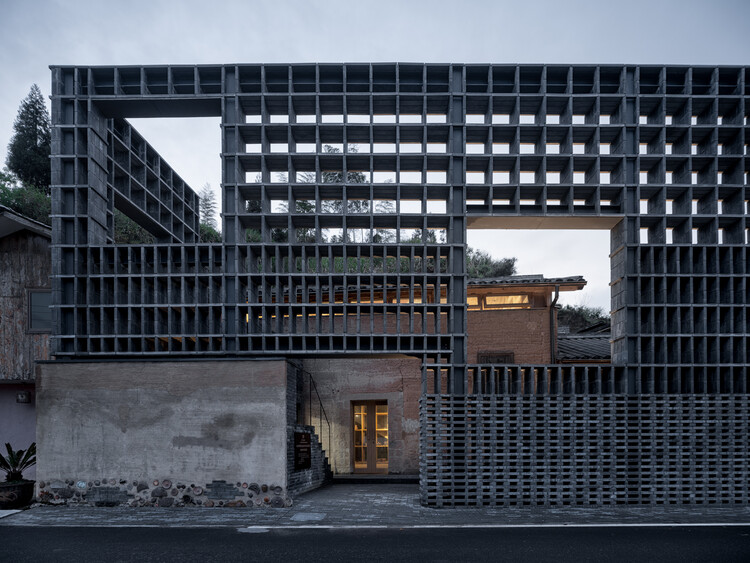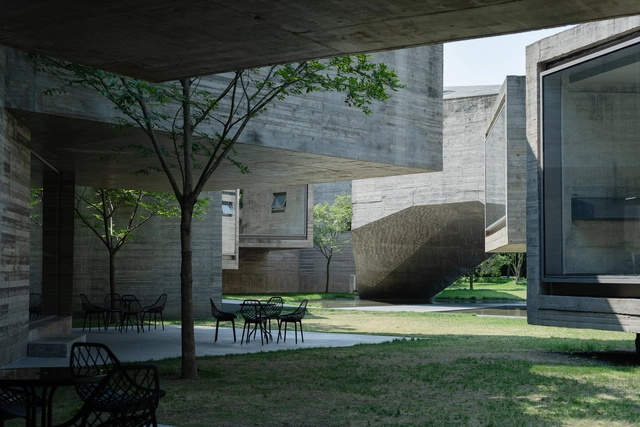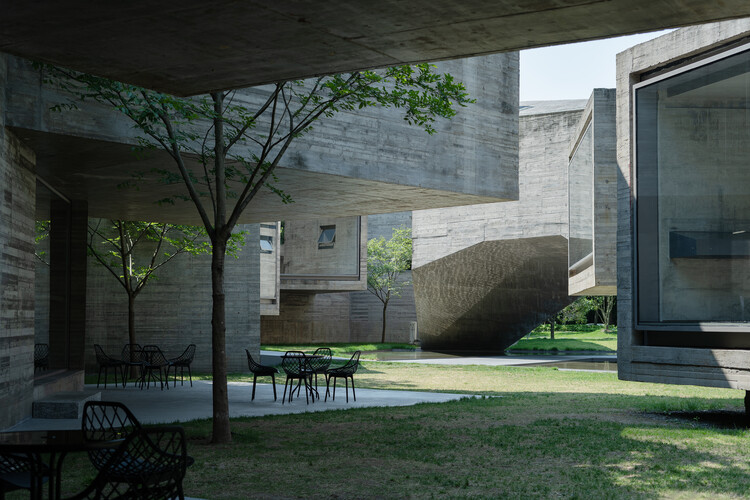
-
Architects: Office Canopy of Architecture
- Area: 4416 m²
- Year: 2024


As cities around the world brace for extreme temperatures and waves of unrelenting heat, urban greening is one of the best solutions for leaders to combat this reality. The benefits of planting trees for physical health, mental well-being, and thermal relief are well documented, and a mature canopy can transform a space by several degrees on a hot day. Trees cool the air through evapotranspiration, filter pollutants and absorb stormwater, and enhance biodiversity in urban spaces.


This second year of the pandemic offered a tremendous opportunity to continue reflecting on and debating the most urgent issues in architecture. To this end, we wanted our readers to actively participate by contributing their experiences and knowledge. Throughout the year, we invited them each month to share their comments and insights on a wide range of topics—from the future of cities, automation, and multidisciplinary design, to green infrastructure, adaptive reuse, migration, equity, and well-being.
After reading and compiling all the submissions received—from construction professionals and students to architecture enthusiasts—it is now time to present the key perspectives. Thank you very much for sharing your opinions!


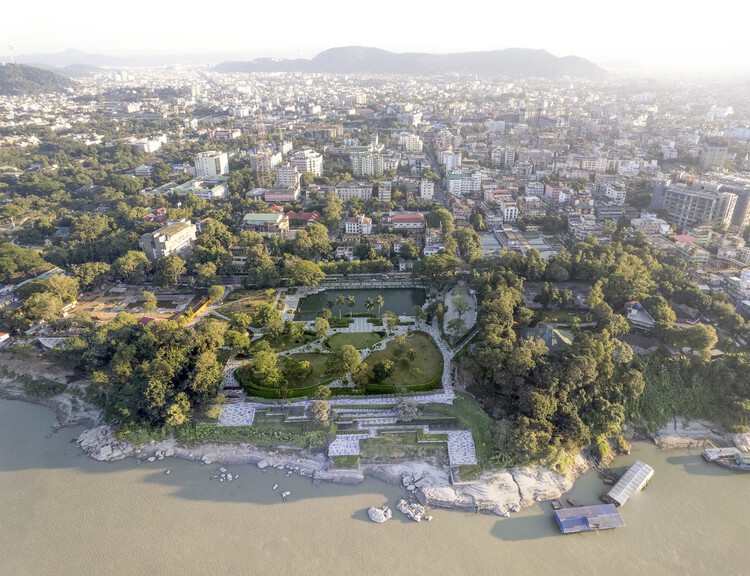
Rivers generate a distinct typology of architecture bound by design threads of material practice, environmental adaptation, cultural symbolism, and imagination. Each river system produces a unique ecosystem where water, soil, vegetation, and settlement converge to form a living network. Designing within this environment requires a capacity to read movement rather than resist it, to build on uncertain ground, and to understand permanence as a balance in motion. Unlike the fixed horizon of the sea, the river is never still. It teaches architects to think in gradients rather than boundaries, and to design as part of an evolving landscape.