-
Architects: B.E Architecture
- Year: 2023


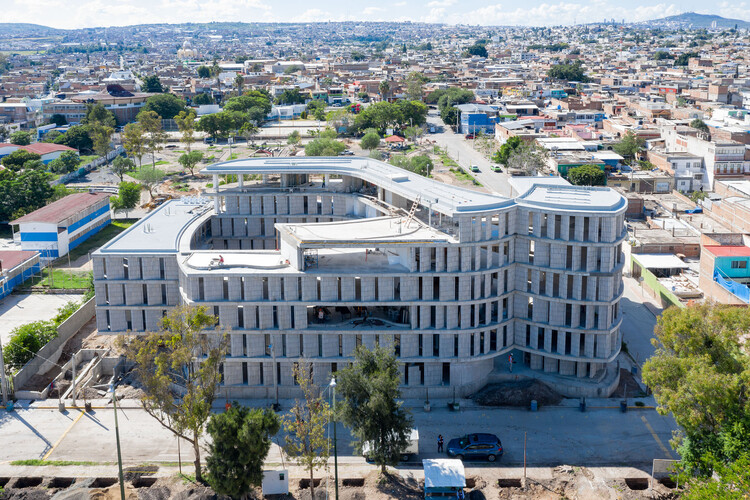
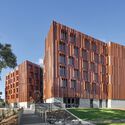
Today's housing crisis is a global phenomenon that can be broadly divided into two major problems: a shortage of residential buildings and barriers to accessing those that already exist. The deficit is real and concrete when it comes to what the UN calls "adequate housing for all." According to UN-Habitat, an estimated 96,000 new housing units would need to be built per day to meet population needs by 2030. Climate change and forced migration are broadening the gap. But 2.8 billion people worldwide, representing nearly 40% of the global population, lack access to stable shelter, secure land, and basic sanitation services not only because of underproduction, but also due to an economic barrier: an affordability crisis. As demand grows and prices rise, housing, now increasingly functioning as a form of social security, becomes a target for rental income and real estate speculation. As adequate housing is a human right, pressure on governments and private entities is increasing worldwide to limit speculation and ensure fair access to existing dwellings. Below, we present four examples of initiatives in Spain, Australia, France, and the United States that aim to urgently expand housing access while limiting speculation.
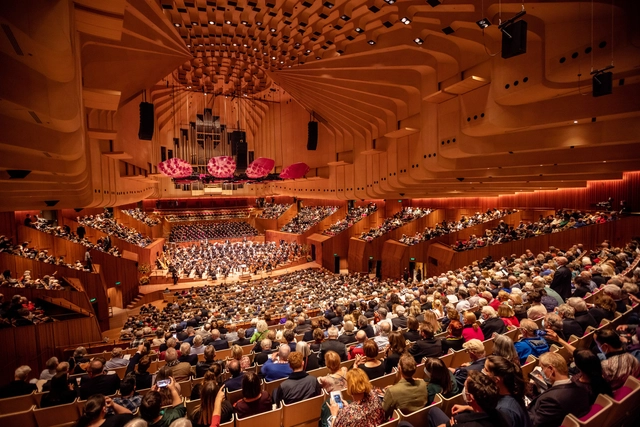
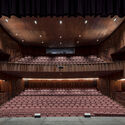
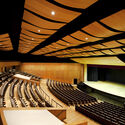
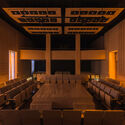
Theaters serve as cultural and social institutions, shaping society by providing spaces where stories of identity, race, and justice are brought to life. These venues foster community through shared, live experiences, sparking conversations that resonate beyond the stage. Architecturally, theaters are more than performance spaces—they are landmarks that embody both the history and future of the arts. Their design often reflects the cultural importance of storytelling, while their refurbishments ensure they remain relevant in a modern context.
In this week's AD Interior Focus, ArchDaily explores how the refurbishment of iconic theaters like the Royal Opera House in London, United Kingdom, and Sydney Opera House in Australia goes beyond modernizing comfort and accessibility. It delves into how these projects preserve the architectural integrity of these historic landmarks, ensuring their design continues to serve as a backdrop for both artistic expression and social discourse.
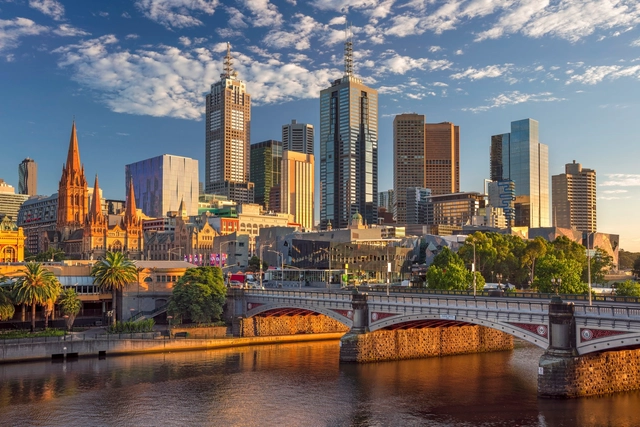
For the third year in a row, Melbourne has been selected as one of the top five most liveable cities in the world. The city is widely viewed as the leading architectural hub in Australia for its unique street culture and diverse design expression, with its layers and bold mix of architectural styles. From the very well-restored Victorian era edifices with their intricate ornamentation and detailing to the adjoining Contemporary landmarks, the city seems to achieve a nice balance of all typologies and design movements, while still being very inviting and engaging to its citizens.
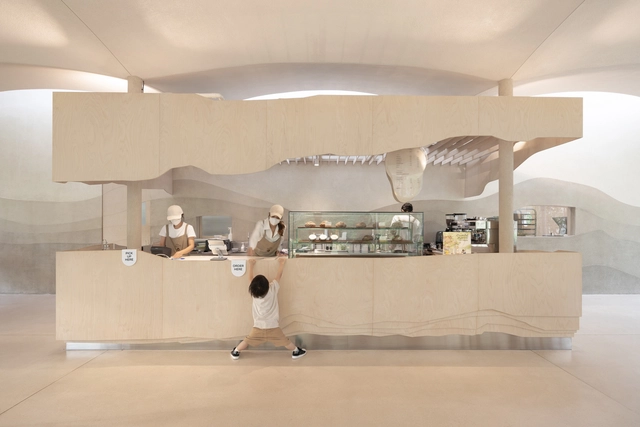
Coffee culture continues to thrive in the contemporary world, with a noticeable shift from the dominance of chains & franchise stores to a growing market for prosumer coffee. As more and more coffee consumers become prosumers, individuals who both produce and consume, they are turning coffee-making into a hobby, even a ritual, and are expecting coffee shops to keep up. Consumers are becoming more knowledgeable, paying close attention to the source and type of beans, brewing methods, and equipment. They also appreciate the design of coffee machinery, not just for its functionality but for its aesthetics, efficiency, and space management. This surge in interest, especially in Asia, has led to changes in coffee shops' operations. Many individual coffee shops, responding to the rise in consumer spending power and interests, are motivated to focus on creating unique, immersive experiences for an ever-growing marketable audience.

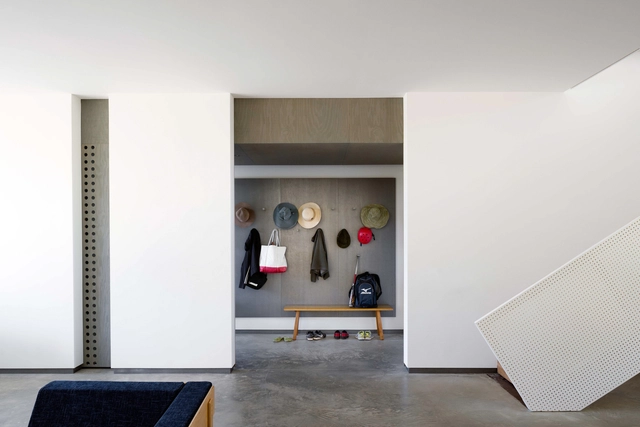
Architects are known for returning from travel with more photos of buildings than people and for having an esoteric vocabulary of their own. Of course, these are clichés that are not always true. But something that unites most designers is the tendency to pay attention to each detail that makes up a project, be it the material that covers the facade, the junction between different floors, how the doors open, the type of window frame, how the forms were put together for concreting, and more. But a detail that often goes unnoticed – and that makes a huge difference in interior design – is baseboards.
This article was originally published on Common Edge.
Chinese temples have stood for centuries, battered by wind and earthquakes, without a crack or timber out of place. They employ an ancient technique called “bracket set construction” that requires no nails or metal parts to connect wooden structural elements. Scandinavian stave churches are nearly as durable. Unsurprisingly, there are plenty of trees in Sweden and all over China.
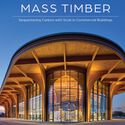
So what is with the hype about innovation in “mass timber” construction over the past few years? As Boyce Thompson argues in his thoughtful new book, Innovations in Mass Timber: Sequestering Carbon with Style in Commercial Buildings (Schiffer Publishing), this will be the next big thing in “green” tech for architects feeling guilty about their costly titanium skins and outsized carbon footprints. The color photos show some impressive buildings in places where the wood industry has always been healthy, such as the Pacific Northwest and Scandinavia. The Japanese build log cabins with imported material that might as well be gold.

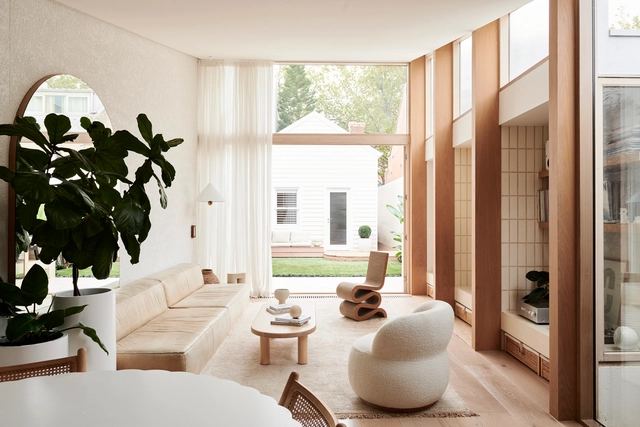
Today, architecture has become - or is in the process of becoming - more flexible and individualistic to accommodate people's diverse lifestyles and spatial needs. With this adaptation, the residential typology has changed and living rooms have become endangered. Many insist on the need of having a space dedicated to relaxation and leisure, while others claim it is simply a waste of space and money. This debate raised an important question: do we still need living/sitting rooms? In this interior focus, we will look at how living rooms evolved through the years, and how architects readapted and integrated the concept of “gathering space” in contemporary residential architecture.
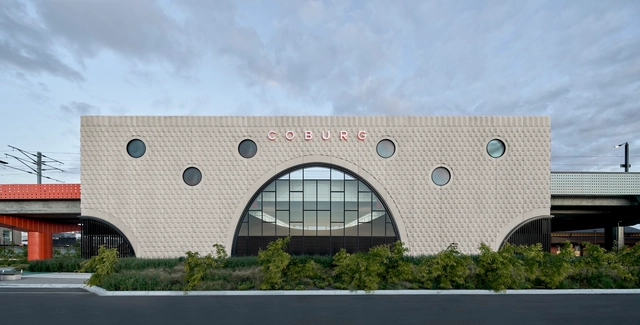
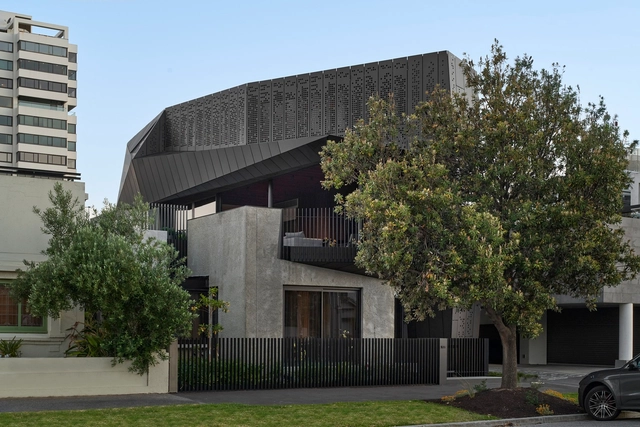
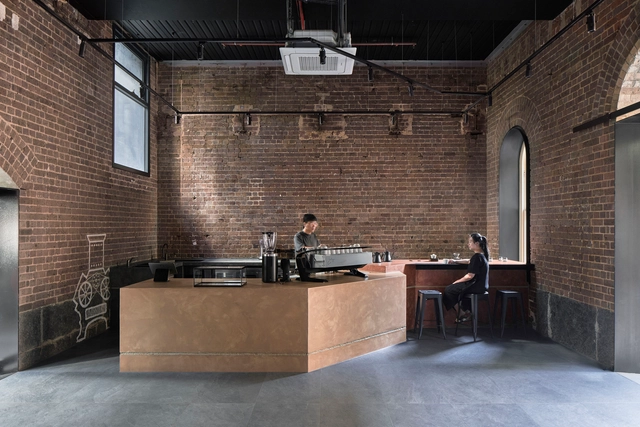
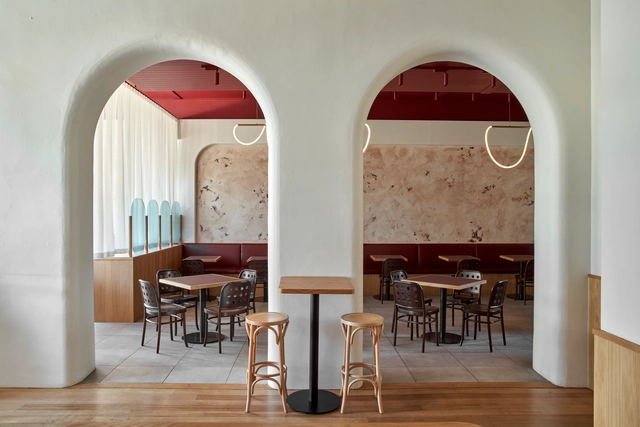

After the announcement of the selected projects in the categories of Airports, Campus, Railway Stations and Sports, followed by the announcement of the 70 Continental Winning Projects of the Prix Versailles 2021 in the categories of Shops, Shopping Centres, Hotels and Restaurants, there turned out to be a total of 94 new projects competing in the 2021 Prix Versailles World Final.
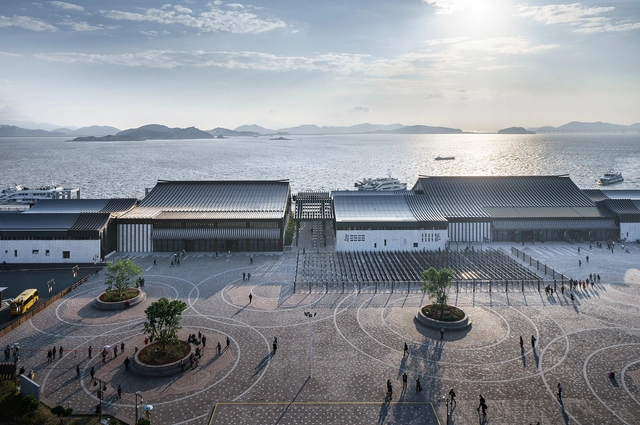
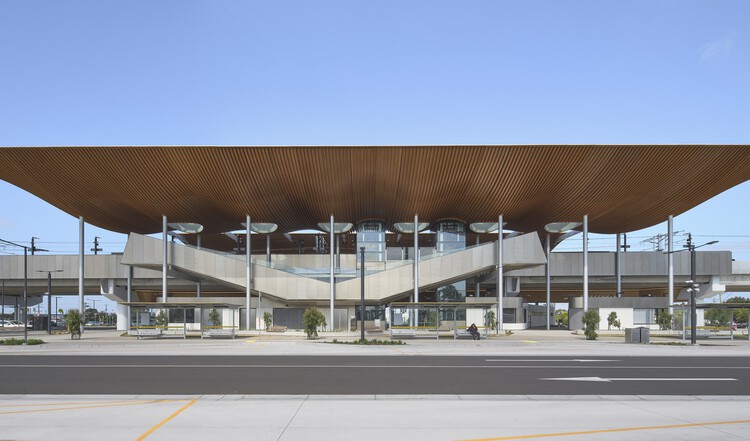
The annual Prix Versailles awards, created in 2015 to promote a better interaction between the cultural and the economic, announced the 2021 World Selections celebrating 24 projects in the categories of Airports, Campuses, Passenger Stations and Sports.