-
Architects: Foster + Partners
- Year: 2018
-
Manufacturers: Kuraray

With its quantifiable objectives and measurable performance, sustainability often passes as a technological challenge. Its primary language is that of data, equipment, and engineered systems, most often translated into a hyper-technologized layer hidden within a design upholding pre-existing aesthetic norms. As architecture is the image of society at one moment in time, how does the focus on sustainability translate into architectural language, further legitimatizing the efforts to establish an equitable relationship with the environment? Architecture serves as an expression of attitudes, and since sustainability has become a fundamental value, it is worth looking at whether or not it has produced an aesthetic transformation.


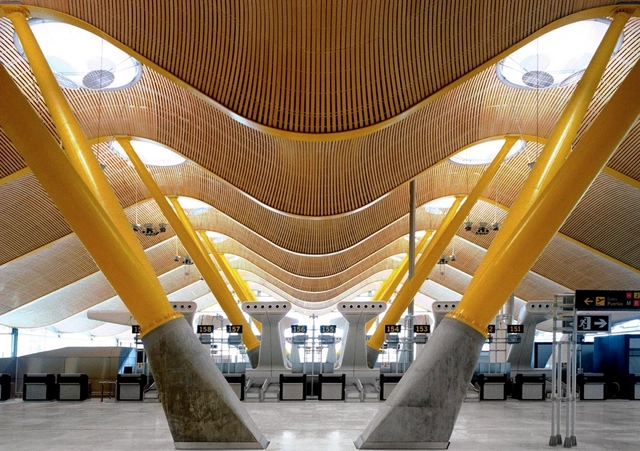
Modern airports have become larger and larger in scale. With increasingly bigger aprons, multiple programs, and countless travelers a year, this typology’s prevalence has grown exponentially. Known for a variety of unique spatial experiences, from massive waiting rooms and luxury lounges to compressed jet ways, airport architecture has really only emerged within the last century. Today, architects and designers are starting to creatively dissolve the daunting scale of airports to explore their role in contemporary urban life.
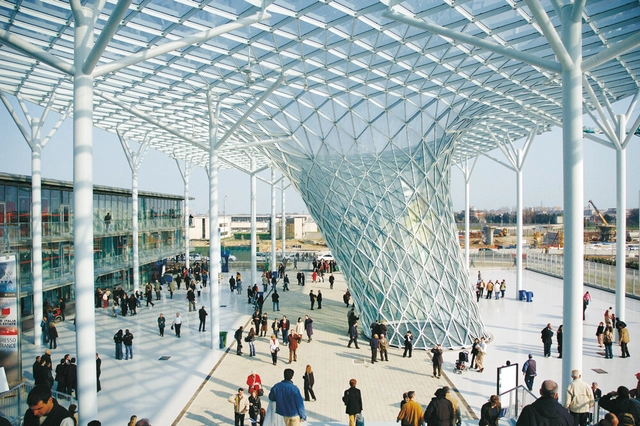
Recent years have seen an increased acknowledgement of the collective endeavour that is architecture and a better valuing of the different professions that participate in the design process. Within every extraordinary building, structural engineering plays an essential role in delivering the architectural vision. The article highlights the past and present contributions of engineering to the built environment, personalities that have stood in the shadow of architects delivering their design intent, and the collaboration between engineers and architects today.
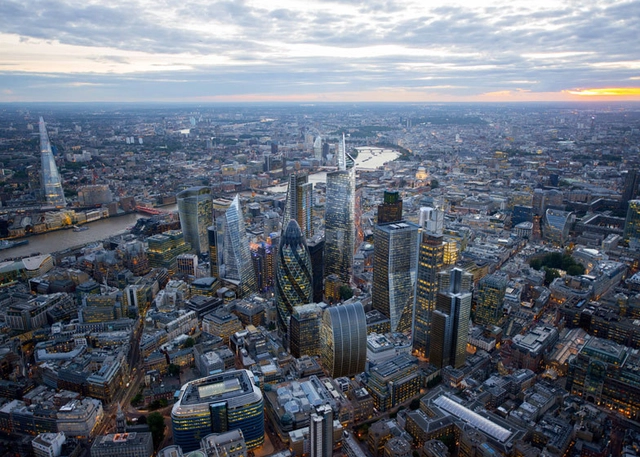
The Architects Registration Board, which is responsible for the licensing and registration of architects in the United Kingdom, has announced that UK architects no longer have an automatic recognition of their qualifications in EU countries following the country’s exit from the Union. This decision signifies that architects who wish to pursue their career in the Union’s 27 countries, are obliged to present compliance certificates and specific documentation to relevant authorities in each country.
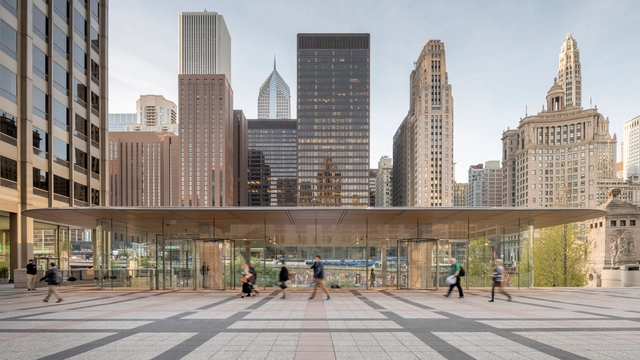
Chicago has long been a center of design. The third-most populous city in the United States with one of the world's largest and most diversified economies, the Windy City is a hub for commerce, transportation and culture. Chicago has continuously redefined hospitality architecture long before the pandemic, and the city will once again take stock as it looks to reimagine the future of travel and entertainment.
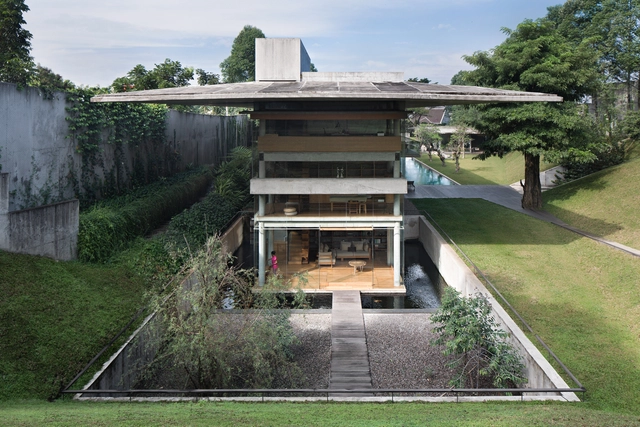
On behalf of the entire ArchDaily team, we would like to thank you for your continued support and for making 2020 our best year so far! We are now reaching more architects around the world and inspiring them in the creation of better built environments. With more than 5500 different projects published during the year, our curators are excited to share this collection of the 100 most visited projects of 2020. This selection represents the best content created and shared by the ArchDaily community over the past 11 months.
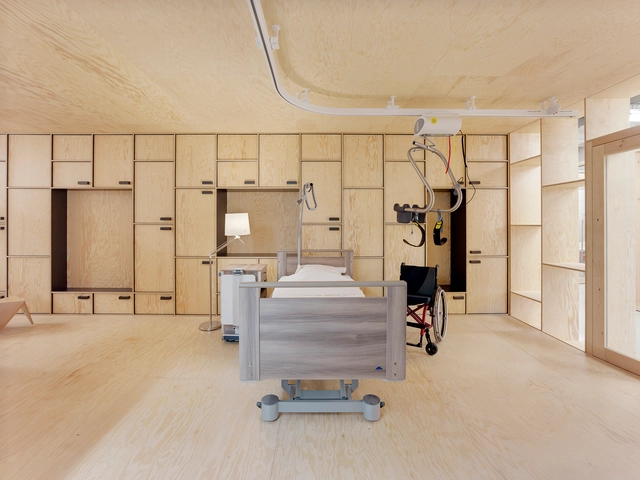
Hospitals and projects related to healthcare must follow specific guidelines based on the rules and regulations of their country. These standards help us to design complex spaces, such as those located in areas of surgery, hospitalization, diagnostics, laboratories, and including areas and circulations that are clean, dirty, restricted or public, which create a properly functioning building.
There are a few spaces that we, as architects, can develop with great ease and freedom of design: waiting rooms, reception areas, and outdoor spaces. These are spaces where architects can express the character of the hospital. To jump-start you into this process, we have selected 43 projects that show us how creativity and quality of a space go hand-in-hand with functionality.

Recently, Airbnb has begun to approach the architectural field, both by offering unique experiences in world-renowned buildings and by creating Archibnb, a platform that offers hosts the option to create architectural floor plans.
Through these initiatives, guests from various locations have had the privilege of spending a night in places like the Great Wall of China, the Louvre Museum, or the LEGO House.
But if your destination is Latin America, specifically Argentina, you can now stay in exemplary works by architects including Norman Foster, Clorindo Testa, Jorge Ferrari Hardoy, Juan Kurchan, Fermín Bereterbide, and Luciano Kruk. Explore below the list of works available for booking in the country.
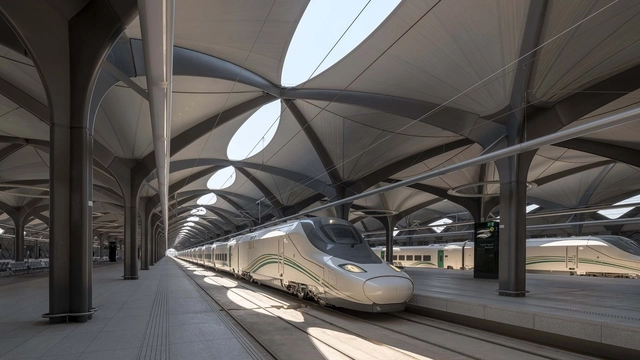
Train stations are usually complex programs since they must not only solve the departure and arrival of trains but also respond to the circulation of its users, provide certain services and be a connecting space between the transport systems of a city. Architects from different parts of the world have developed different solutions to this program. Below you can find 10 examples of train stations, their floor plans and sections.

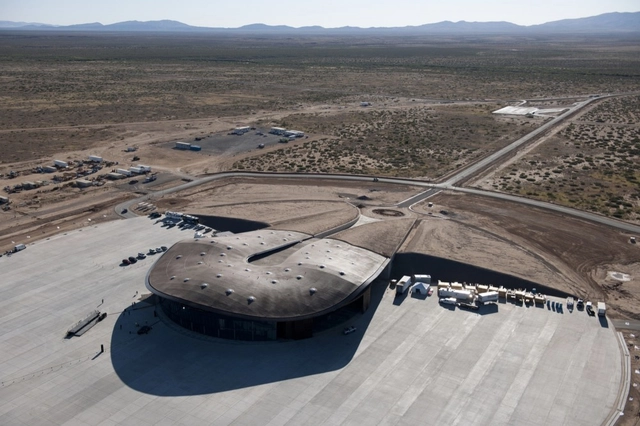
Arguably the leading name of a generation of internationally high-profile British architects, Norman Foster (born 1 June 1935)—or to give him his full title Norman Robert Foster, Baron Foster of Thames Bank of Reddish, OM, HonFREng—gained recognition as early as the 1970s as a key architect in the high-tech movement, which continues to have a profound impact on architecture as we know it today.
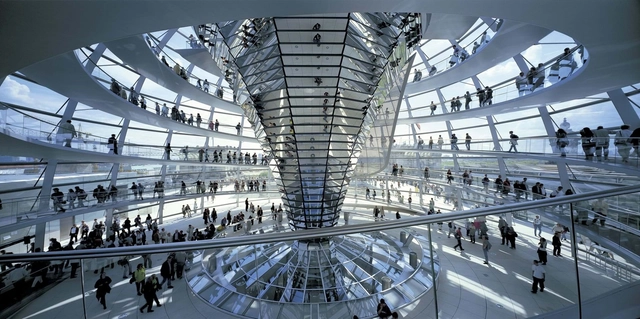
While many architects consider windows for brightening interior spaces, Norman Foster is intrigued by natural light from above. The British star architect has long held Louis Kahn and Alvar Aalto in high esteem for how they handled daylight - especially with regard to the roof. In particular large public buildings benefit from this strategy creating enjoyable spaces. Therefore, Foster regards daylight from above as indispensable when he develops megastructures for airports on the ground or tall skyscrapers for work. But daylight from above is much more than an aesthetic dimension, remarks Foster: "Quite apart from the humanistic and poetic qualities of natural light there are also energy implications."
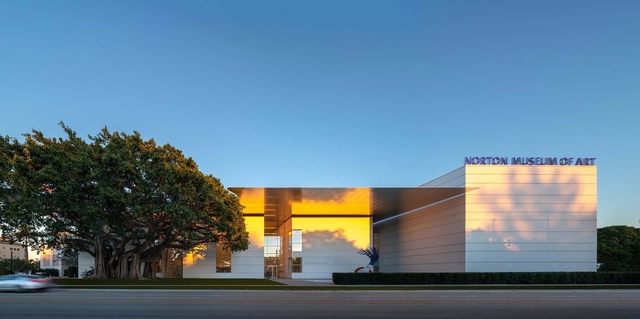
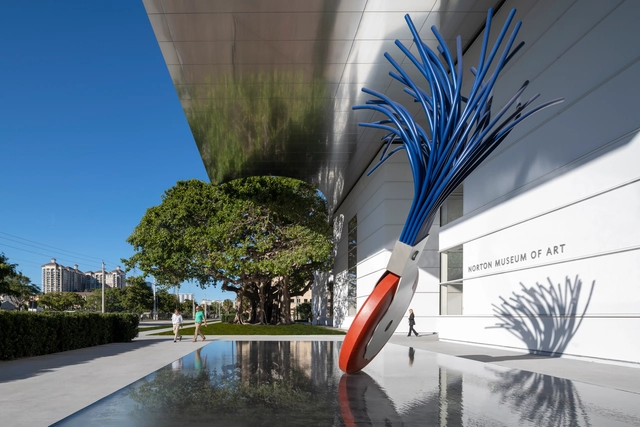
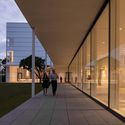
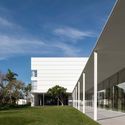
The new Norton Museum of Art expansion by Foster + Partners will celebrate its grand opening this weekend in West Palm Beach, Florida. Two years after the ceremonial groundbreaking, the museum will open its doors to the public and showcase a new street frontage with a transparent entrance lobby. The plan preserves the institution's original 1941 east wing and the logic of architect Marion Sims Wyeth's initial plan. The project aimed to transform the existing buildings into a world-class cultural destination within a sub-tropical garden.