-
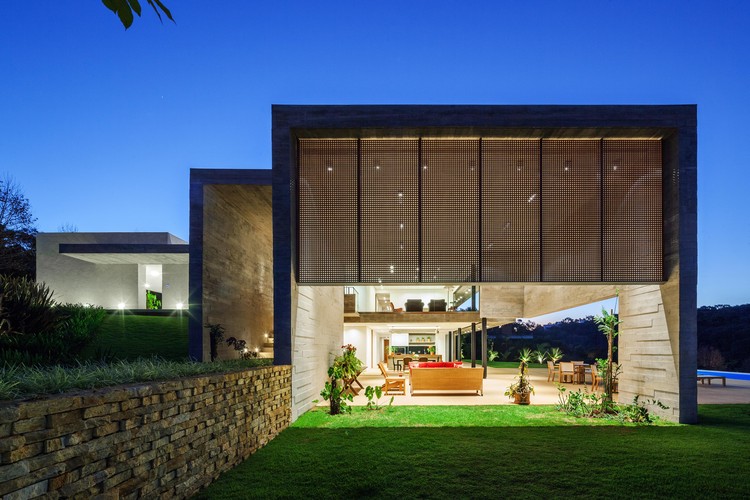
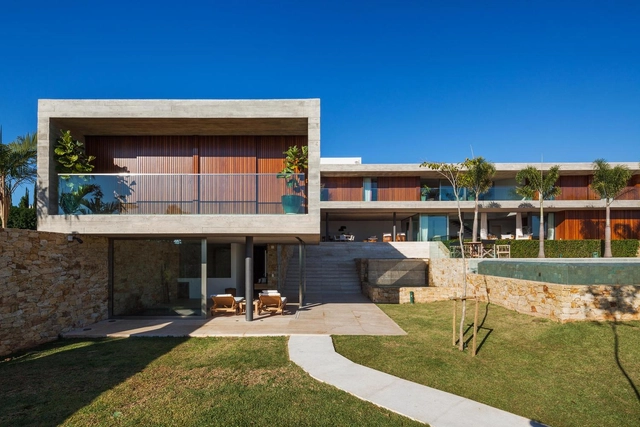
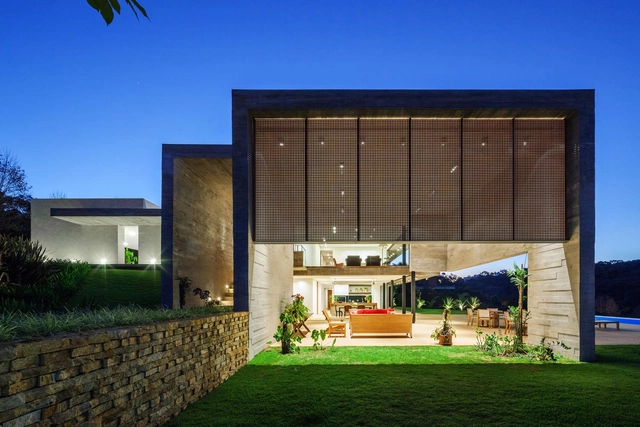
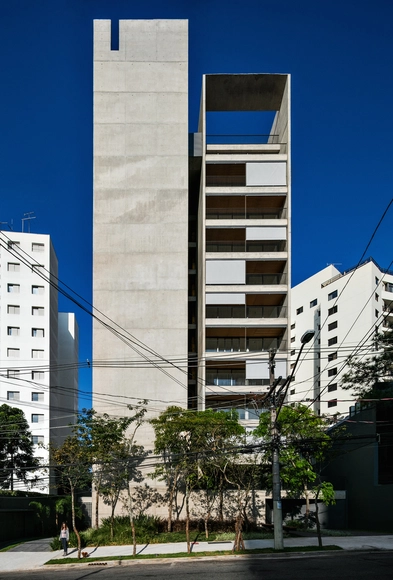
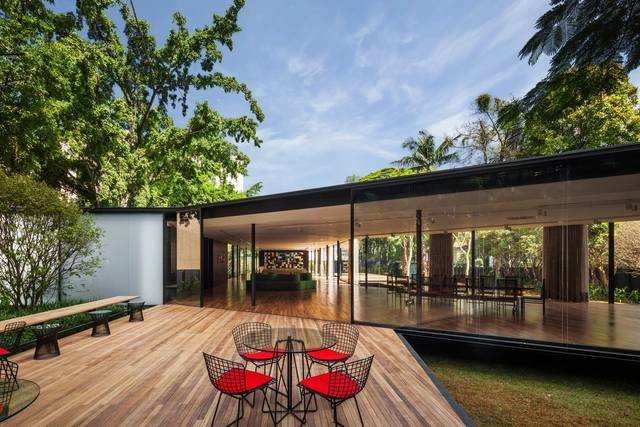
Architects: Andrade Morettin Arquitetos Associados
- Area: 7682 m²
- Year: 2015
-
Manufacturers: Concresteel, Neorex, Perfilor


_Morley_von_Sternberg_reduced.jpg?1485965617&format=webp&width=640&height=580)
Update: Paulo Mendes da Rocha was today awarded the RIBA Royal Gold Medal at a ceremony at the RIBA headquarters in London. The article below was originally published when the award was announced on September 29, 2016.
The Royal Institute of British Architects (RIBA) has awarded its 2017 Royal Gold Medal to Paulo Mendes da Rocha. The 87-year-old is among Brazil's most celebrated architects, known for his special brand of Brazilian Brutalism which has had a dramatic effect in his home country, particularly in the city of São Paulo. The award continues a spectacularly successful year for Mendes da Rocha, who won the Golden Lion for Lifetime Achievement at the 2016 Venice Architecture Biennale in May, and was announced the 2016 Premium Imperiale Laureate just weeks ago. Mendes da Rocha has also previously received the Pritzker Prize in 2006 and the Mies van der Rohe Prize for his Pinacoteca de São Paulo project in 2000.
Mendes da Rocha becomes the second Brazilian to win the RIBA's Gold Medal, after Oscar Niemeyer received the award in 1998. He joins other luminaries such as Zaha Hadid (2016), Frank Gehry (2000), Norman Foster (1983), and Frank Lloyd Wright (1941).
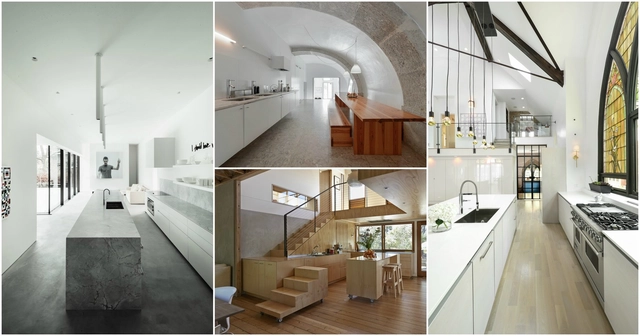
In the spirit of Thanksgiving, ArchDaily looks back to present a compilation of the most stunning kitchens we've covered in the last year. While it may be a bit too late for this year, read on to get some inspiration for perfecting your feast and amaze your guests in 2017.
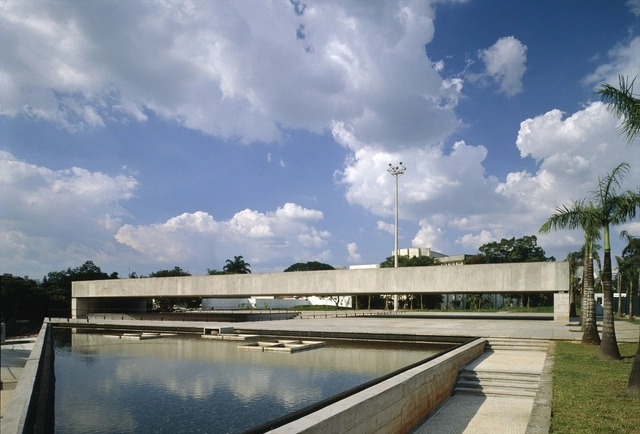
Paulo Mendes da Rocha is one of Brazil's most celebrated architects. And, in spite of the fact that very little of his work can be found outside São Paulo, his “Paulista Brutalism” is revered worldwide, earning him the Pritzker Prize in 2006 and, just last week, the Royal Institute of British Architects' Gold Medal. In light of the RIBA Gold Medal news, as part of his “City of Ideas” column, Vladimir Belogolovsky here shares an interview conducted with Mendes da Rocha in 2014. The interview was conducted in Mendes da Rocha's office in São Paulo with the help of Brazilian architect Wilson Barbosa Neto acting as translator, and was originally published in Belogolovsky's book, “Conversations with Architects in the Age of Celebrity.”
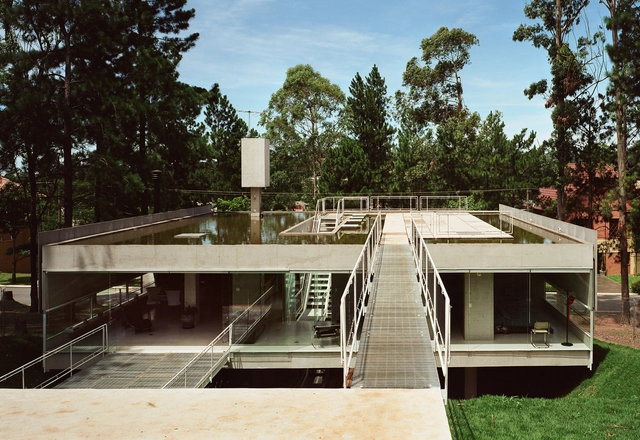
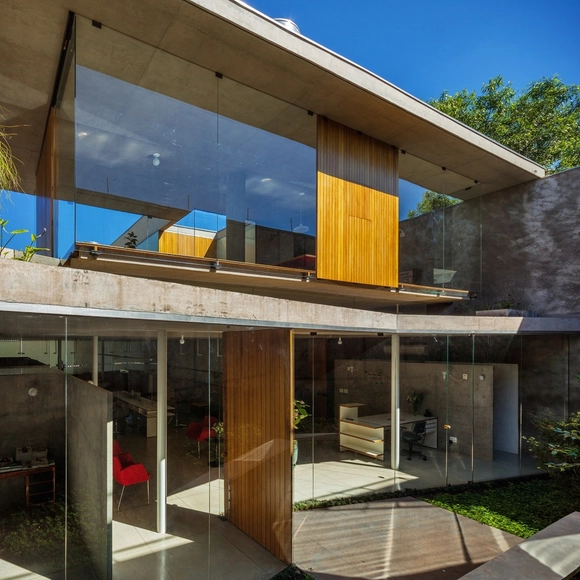
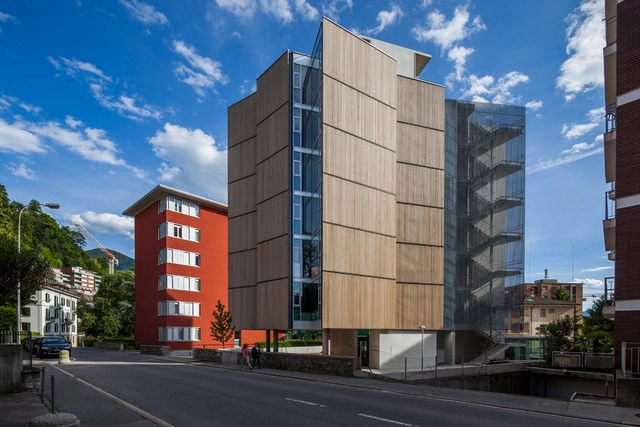
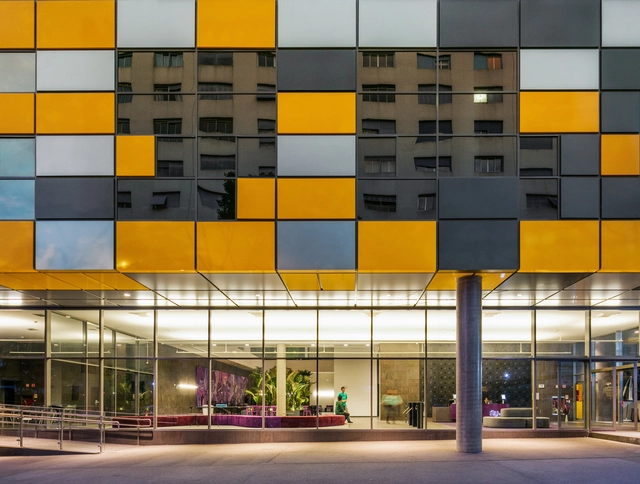

After four months of research identifying works in Latin America and the Caribbean that met the eligibility criteria of the 'Latin American Architecture Prize Rogelio Salmona: open / collective spaces' a list of finalist has been compiled. Members of the International Curatorial Committee, architects Ana Maria Duran (Andean Region), Ruth Verde Zein (Brazil Region) and Fernando Diez (Southern Cone Region), and Art History background Louise Noelle Gras (Mexico, Central America, and the Caribbean Region), postulated a total of 62 works covering the four regions.
On the 5th of August, upon completion of a shortlist the International Curatorial Committee selected 20 works whose authors will be invited by Rogelio Salmona Foundation to participate in the second round of this award.
Here are the 20 Finalists of the Latin American Architecture Prize Rogelio Salmona.
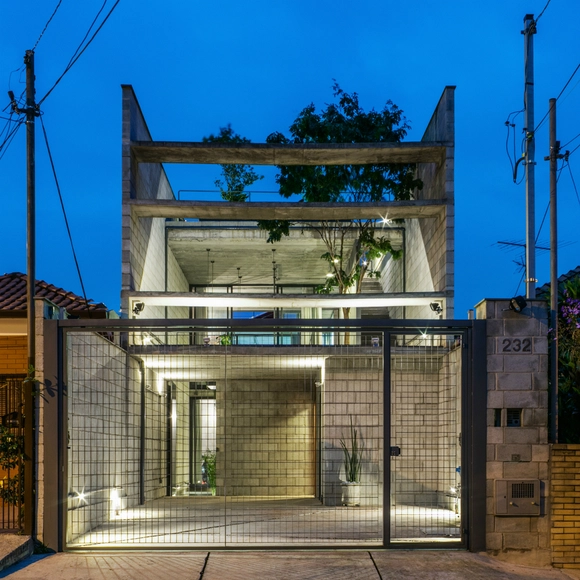
This article is part of our new "Material Focus" series, which asks architects to elaborate on the thought process behind their material choices and sheds light on the steps required to get buildings actually built.
The Mipibu House, designed by Brazilian firm Terra e Tuma Arquitetos Associados, measures 170 square meters, and uses exposed concrete blocks to complement an expansive layout. Located in an unusually sized site in Brazil, a key element of the architects' design involved the consideration of the possible - or rather the inevitable - verticalization of nearby buildings. In response to this challenge, they designed a compact, complex design that answers the needs of their customer with creativity in the selection and use of materials. We talked with architect Danilo Terra to learn more about the choices of materials and the challenges of the project.
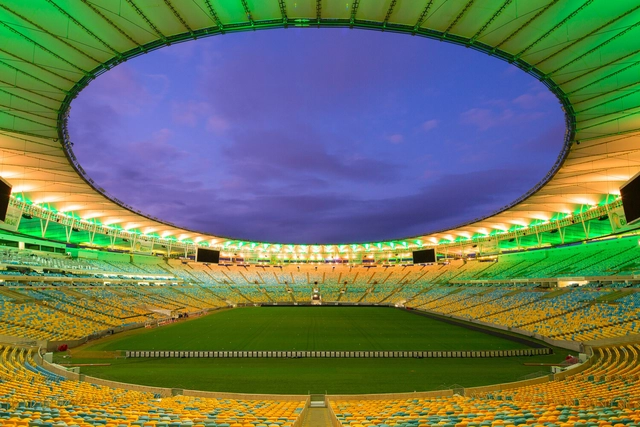
Rio de Janeiro is a city of sights and sounds. As diverse as its people is the collection of impressive architecture found in Brazil's second most populous city—from Eurocentric historical architecture to 20th century regionalist modern marvels, not to mention the city's growing crop of contemporary cultural venues. The combination of mountainous terrain, lush rainforest, and the ocean inspires many to create lively and unique architecture.
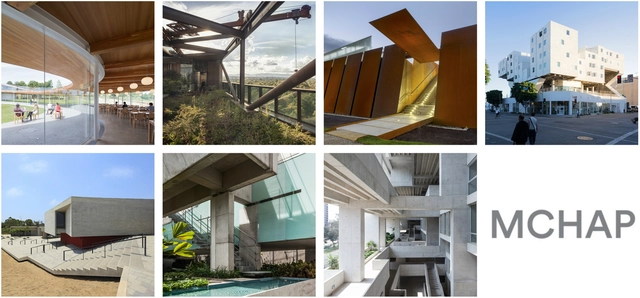
Seven projects have been named finalists in the second edition of the biennial Mies Crown Hall Americas Prize (MCHAP). Selected from a pool of 175 nominees, the chosen buildings represent the best built works of architecture realized in the Americas from January 2014 to December 2015. The inaugaral award, which was given to the best project from 2000-2013, was shared by Álvaro Siza's Iberê Camargo Foundation and Herzog & de Meuron’s 1111 Lincoln Road.
Continue after the break for the list of finalists.