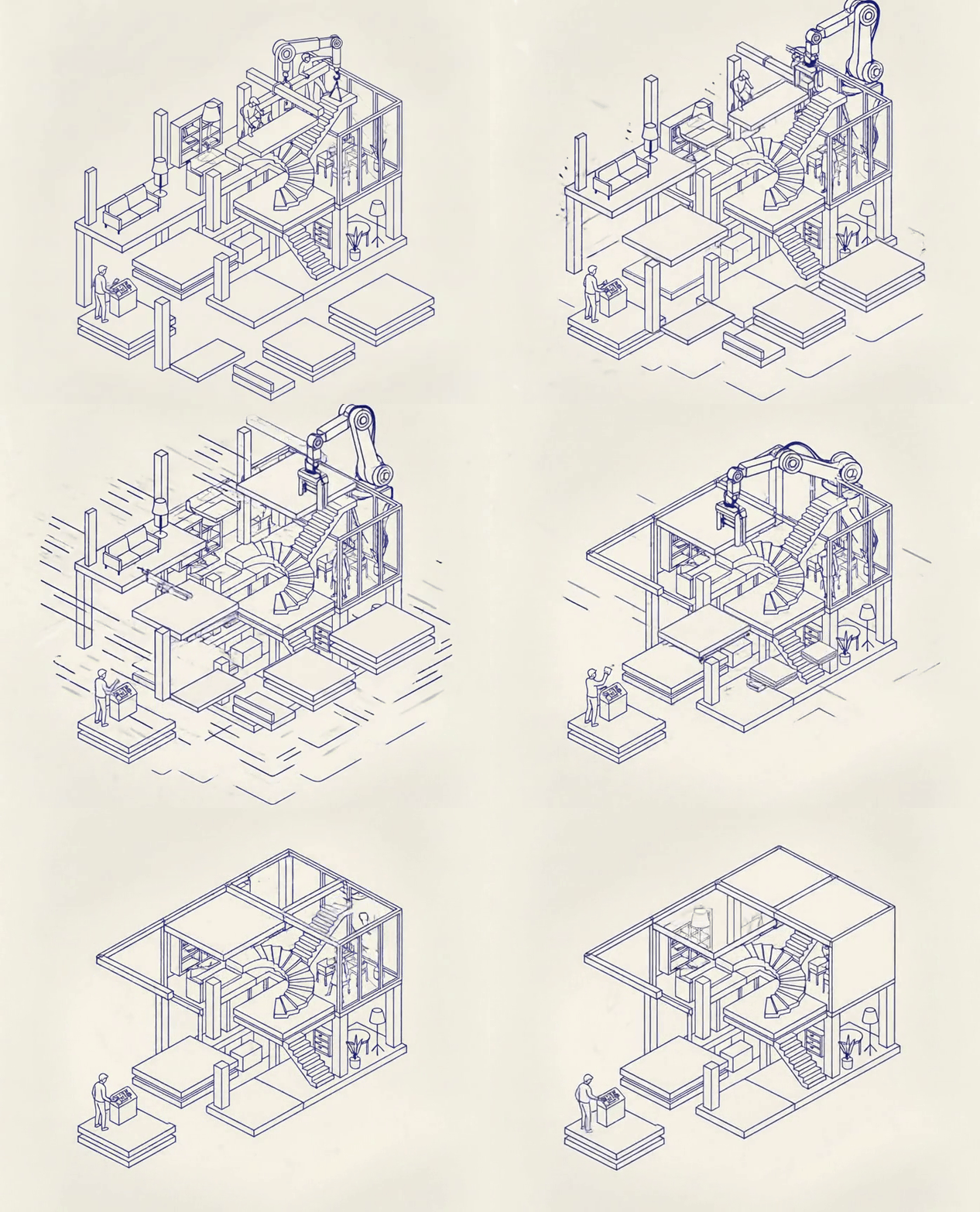
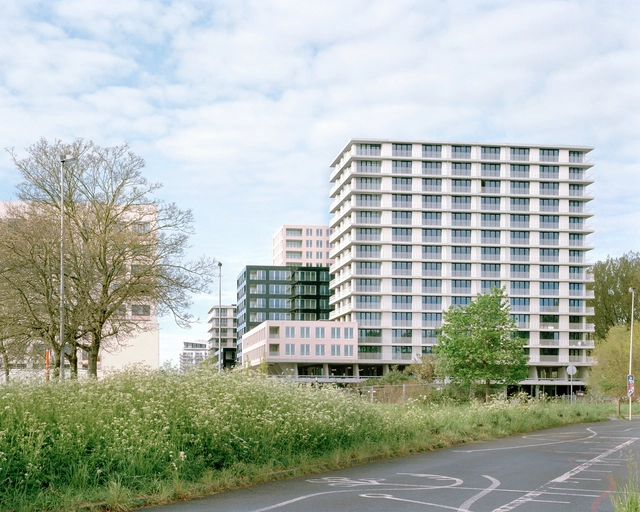
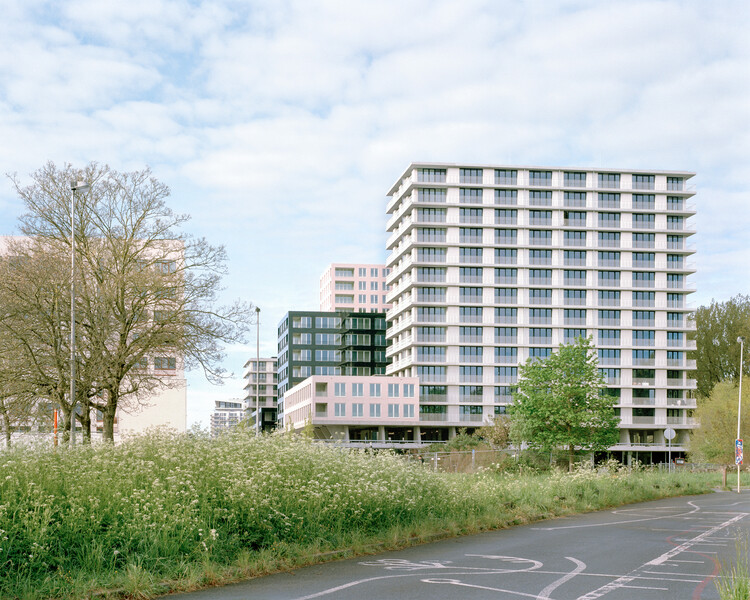
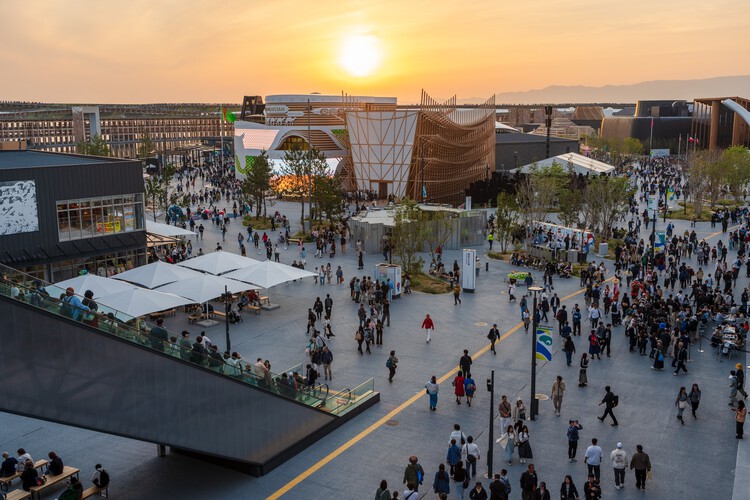
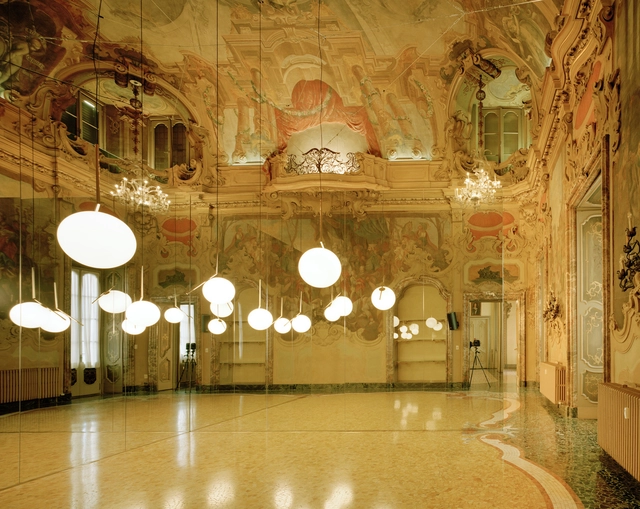
Generative AI (Gemini / Google DeepMind). Concept: Eduardo Souza / ArchDaily
Once synonymous with monotony, “prefabricated” buildings often bring to mind the gray, repetitive housing blocks of the postwar era. But that image no longer fits today’s reality. Powered by digital design, robotics, and advanced materials, prefabrication has evolved into a language of innovation and precision. Far from uniform, it now enables flexible, efficient, and sustainable spaces that reflect the individuality of contemporary architecture.
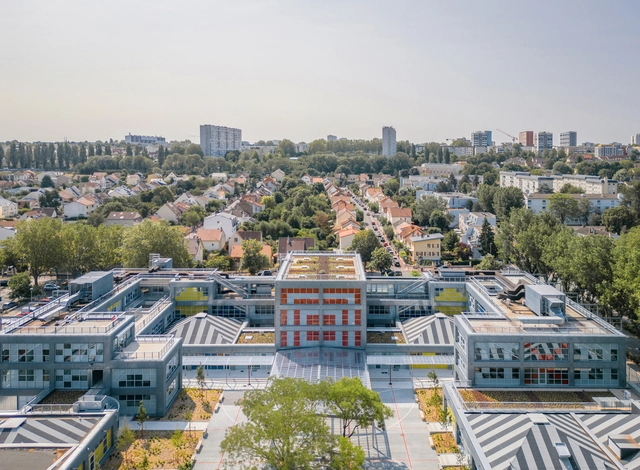
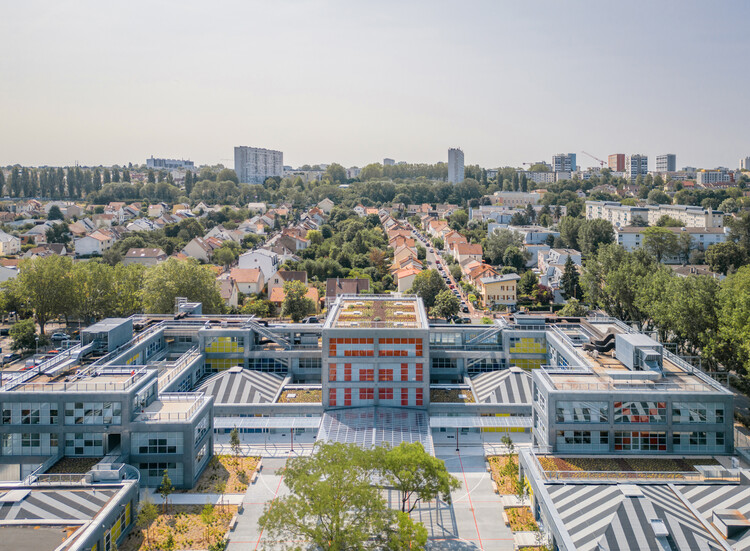
The EUmies Awards are organized annually by the Fundació Mies van der Rohe and the European Commission, with the support of the European Union's Creative Europe Programme. Based on the principle that "architecture is not merely a technical or aesthetic matter, but a cultural, environmental, and democratic issue," this 19th cycle of the Prize brings together 410 works from 40 countries and 143 regions across Europe. Beyond recognizing contemporary architecture projects, the Awards also aim to reflect European values such as cultural diversity, sustainability, democracy, and solidarity. This year, most nominated works (23%) are residential projects, including both collective and single-family housing, followed by cultural (13%) and educational (12%) programs. The selection shows a balance between transformations of existing buildings (44%) and new construction (56%), while 12% of the nominees are transnational works and 33% of the studios are 10 years old or younger, underscoring the growing visibility of emerging practices.
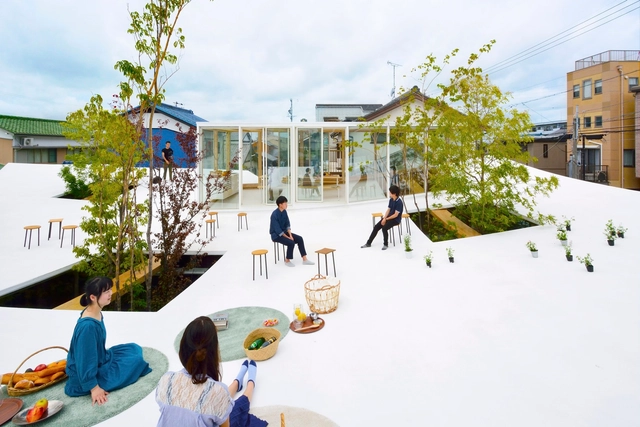
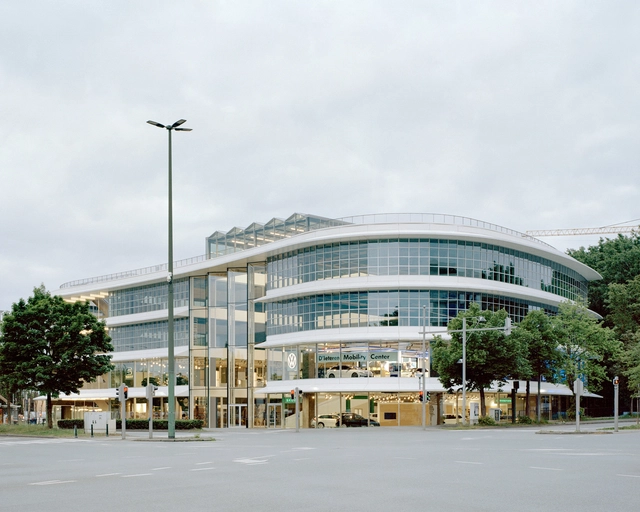
Office in Sanno / Studio Velocity. Image Courtesy of Studio Velocity
Historically, architecture and the built environment have insisted on creating flat, hard surfaces. In earlier eras, walking without paved ground meant mud-caked shoes, uneven footing, tripping hazards, standing water after rain, and high maintenance. Hence, as we shaped cities, we prioritized a smooth, continuous, solid horizontal datum. The benefits are real: easier walking, simpler cleaning, and straightforward programming—furniture, equipment, and partitions all prefer a level base. This universal preference for building on flat ground remains the norm and, for many practical reasons, will likely continue to be.
What's less recognized is that making a truly flat surface is surprisingly difficult—and many well-executed "flat" floors aren't perfectly flat at all. They are often gently sloped, calibrated to precise gradients for drainage. While interior spaces do not always require this, many ground floors and wet areas do incorporate subtle inclines as a safeguard—whether for minor flooding or to manage water that overflows from the street or plumbing when one of the discharge systems is malfunctioning.
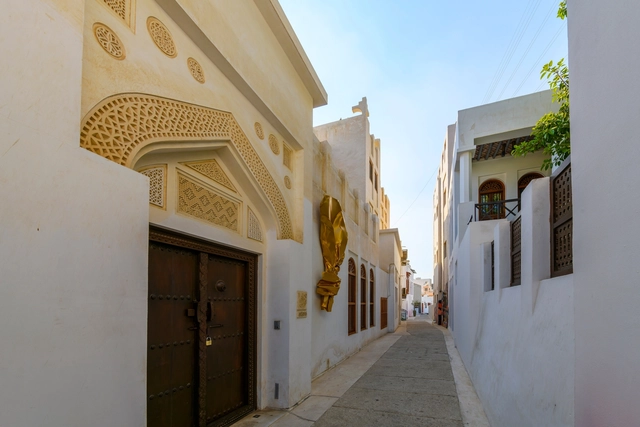
Pearling Path - Muharraq. Image via Shutterstock - Kirk Fisher
The Kingdom of Bahrain is being widely acknowledged recently through their worldwide architectural contributions at the Expo 2025 in Osaka, with their Anatomy of a Dhow pavilion by Lina Ghotmeh; or at the Venice Biennale, where the Heatwave exhibition was awarded the Golden Lion for Best National Participation. However, for the past few years Bahraini cities like Muharraq have been lending the stage for regional and international architects to discover their typical Persian Gulf architecture and add their own touches to the local sites. It's through the works of Leopold Banchini, Anne Holtrop, or Valerio Olgiati that the old has been brought back to life, along with the efforts of the local authorities and cultural figures.