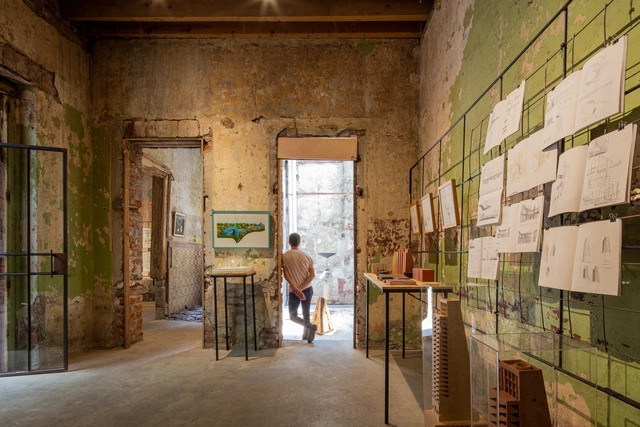
Luis Young

BROWSE ALL FROM THIS PHOTOGRAPHER HERE

When Art Came First: Spatial Experiments That Shaped Architecture in Latin America

Subscriber Access | 

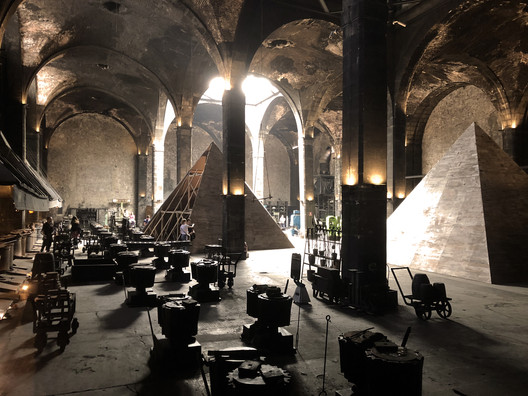
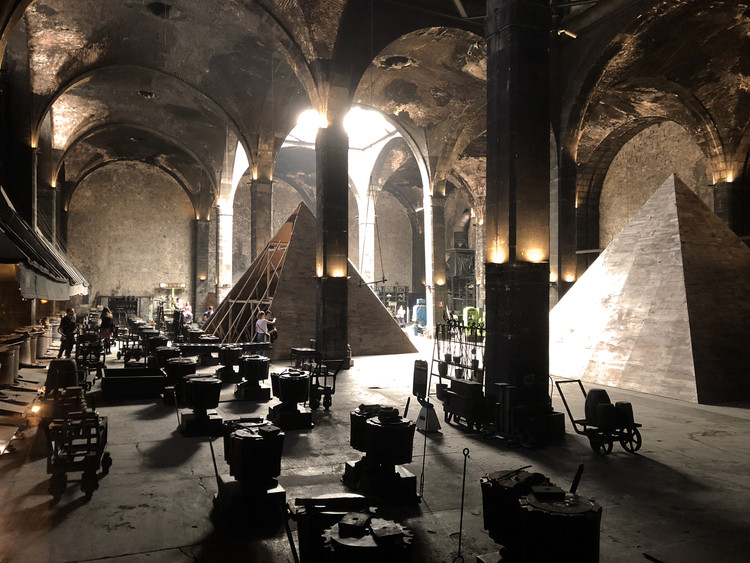
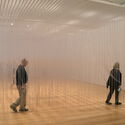
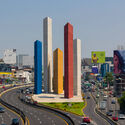
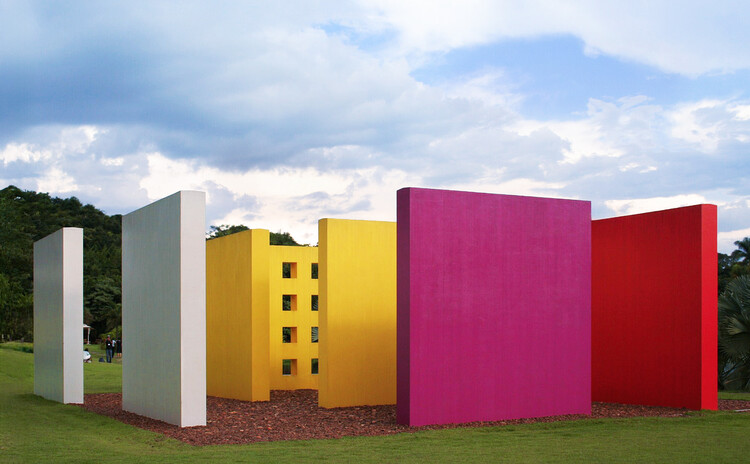
Many of the spatial ideas we now associate with contemporary architecture, collective use, and bodily experience did not originate in buildings alone. In Latin America, these ideas were often explored first through art, at a moment when artists were actively questioning how space could be occupied, shared, and experienced beyond traditional forms.

During the mid-20th century, the region underwent rapid urbanization and profound social change. Architecture was increasingly expected to respond to public life, collectivity, and new ways of inhabiting space. At the same time, art offered a more flexible ground for experimentation, one less constrained by function, regulation, or permanence. As a result, many spatial questions were tested through artistic practices before becoming part of architectural thinking.

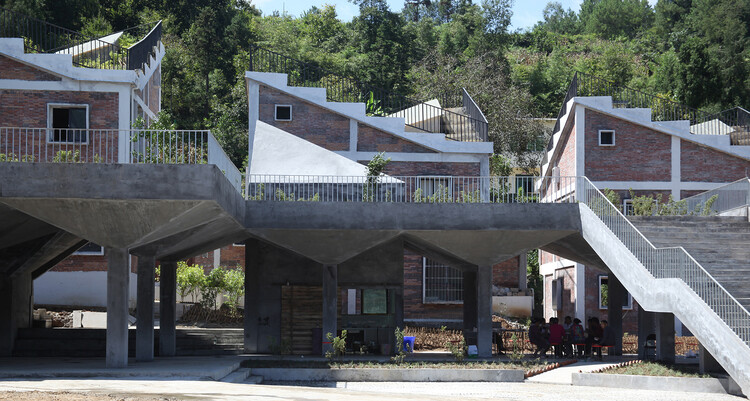
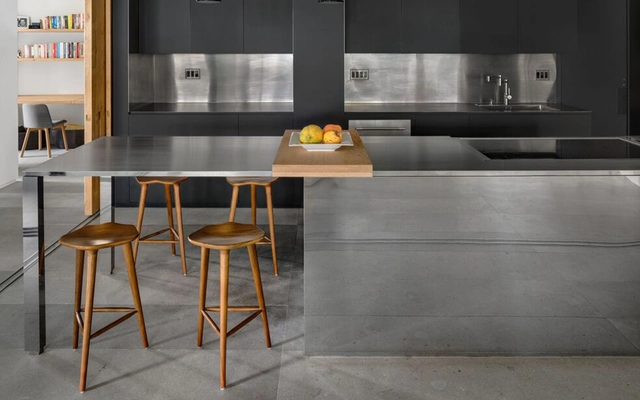
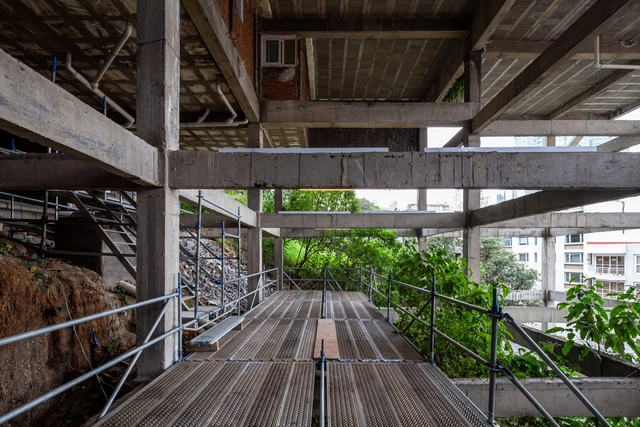
When Art Came First: Spatial Experiments That Shaped Architecture in Latin America - Image 1 of 4When Art Came First: Spatial Experiments That Shaped Architecture in Latin America - Image 2 of 4When Art Came First: Spatial Experiments That Shaped Architecture in Latin America - Image 3 of 4When Art Came First: Spatial Experiments That Shaped Architecture in Latin America - Image 4 of 4When Art Came First: Spatial Experiments That Shaped Architecture in Latin America - More Images+ 11

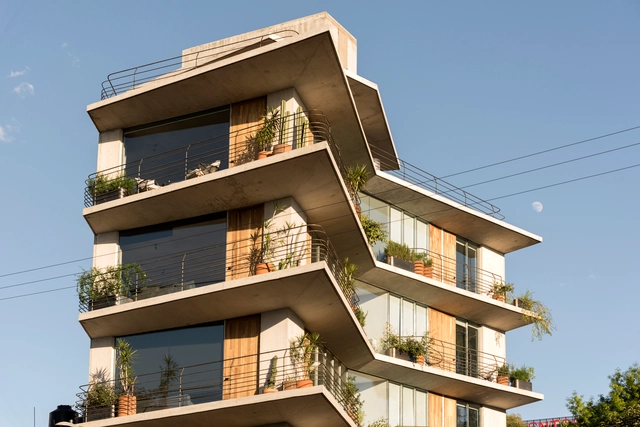
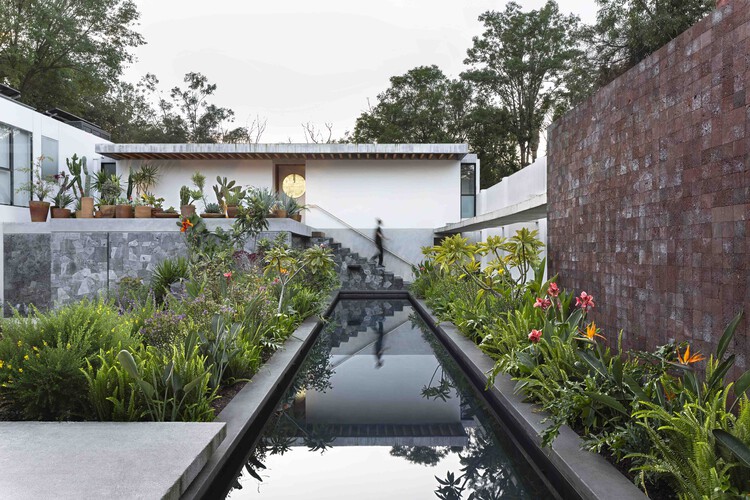
Hummingbird House / Estudio Libre MX

Hummingbird House / Estudio Libre MX - More Images+ 7

Ciudad de México, Mexico
  • Architects: Estudio Libre MX
  • Area Area of this architecture project Area:  376
  • Year Completion year of this architecture project Year:  2025

Sector 02 Irrigation Module Offices / 3ME Arquitectura

Sector 02 Irrigation Module Offices / 3ME Arquitectura - Exterior Photography, Office Buildings, Facade
© Luis Young

Sector 02 Irrigation Module Offices / 3ME Arquitectura - More Images+ 13

Salvatierra, Mexico
  • Architects: 3ME Arquitectura
  • Area Area of this architecture project Area:  723
  • Year Completion year of this architecture project Year:  2019
  • Manufacturers Brands with products used in this architecture project
    Manufacturers:  Interceramic, NOVACERMAIC

Are Living Rooms Still Relevant? 16 Projects that Explore how these Private Gathering Spaces Adapt to the Contemporary Home

Today, architecture has become - or is in the process of becoming - more flexible and individualistic to accommodate people's diverse lifestyles and spatial needs. With this adaptation, the residential typology has changed and living rooms have become endangered. Many insist on the need of having a space dedicated to relaxation and leisure, while others claim it is simply a waste of space and money. This debate raised an important question: do we still need living/sitting rooms? In this interior focus, we will look at how living rooms evolved through the years, and how architects readapted and integrated the concept of “gathering space” in contemporary residential architecture.

Are Living Rooms Still Relevant? 16 Projects that Explore how these Private Gathering Spaces Adapt to the Contemporary Home - More Images+ 16

Functional And Symbolic: Circular Skylights in Homes and Public Buildings

Subscriber Access | 
Functional And Symbolic: Circular Skylights in Homes and Public Buildings - Image 7 of 4
Villa Eze / Sofair Design. Image © Josh Hill

During the first half of the 2nd century AD, one of the most important buildings in the history of Western architecture was erected in Rome: the Pantheon. Its main and most impressive feature is its coffered concrete dome, which ends in a perfectly round central opening. This oculus kicked off a series of later projects that noted the value of circular openings, which were replicated as glazed skylights and as compositional elements on facades. This eventually evolved, for example, into the detailed and colorful rose windows of the Gothic basilicas. In all its configurations, the oculus (meaning "eye" in Latin) holds symbolism that goes beyond that of a traditional window: its luminous projection gracefully marks the passage of time, solemnly highlighting an architectural space.

Functional And Symbolic: Circular Skylights in Homes and Public Buildings - More Images+ 20

Chiripa Building / PALMA

Chiripa Building / PALMA - Interior Photography, Apartments, Facade, Chair
© Luis Young

Chiripa Building / PALMA - More Images+ 23

  • Architects: PALMA
  • Area Area of this architecture project Area:  400
  • Year Completion year of this architecture project Year:  2022

Reforma Offices / Circuito

Reforma Offices / Circuito - Exterior Photography, Warehouse, Facade
© Luis Young

Reforma Offices / Circuito - More Images+ 10

Mineral de la Reforma, Mexico
  • Architects: Circuito
  • Area Area of this architecture project Area:  987
  • Year Completion year of this architecture project Year:  2022

San Ignacio House / Palma

San Ignacio House / Palma - More Images+ 23

  • Architects: Palma
  • Year Completion year of this architecture project Year:  2022

Cascada House / Ana Nuño de Buen + Luis Young

Cascada House / Ana Nuño de Buen + Luis Young - Exterior Photography, Houses, Facade
© Luis Young

Cascada House / Ana Nuño de Buen + Luis Young - More Images+ 21

Mexico City, Mexico

Palm and Straw Roofs: Examples in Mexico That Explore Their Possibilities

Subscriber Access | 

Palm and Straw Roofs: Examples in Mexico That Explore Their Possibilities - More Images+ 33

Architecture in Mexico has a vast history that is made up of various aspects that touch astrological, political, spiritual and economic issues. Although today there are only ruins of some of the most important pre-Hispanic complexes, thanks to the in-depth research that has been carried out, we can have some representations of what those buildings that laid the foundations of what makes us today were like. In these representations, it is possible to notice the presence of natural materials that were a response to their environment such as basalt stone, stucco and some vegetable paintings whose remains persist to this day.

ArchDaily Selects the Best New Practices of 2021

As our world evolves at an unprecedented pace, the challenges that come with it are becoming more and more complex. The questions faced by the cities and networks of our global world, the physical and virtual environments where our evolution takes place, are making architecture more relevant than ever. 

The issues of the built environment are no longer exclusive to the incumbents who build and design it and have become transversal questions in our society. From the citizens who question the quality of their public spaces to the self-trained builder erecting a tiny house in the woods, to the homeowners using an app to codesign their interiors during lockdown, we want to have a saying and we want to take action. Why does architecture have to be so uncertain, so distant? 

Refurbishment, Adaptive Reuse and Extension of Apartments in Mexico

Refurbishment, Adaptive Reuse and Extension of Apartments in Mexico - More Images+ 8

It has become evident that the spaces we inhabit have changed. The COVID-19 pandemic has forced us to appreciate values as lighting, ventilation, and comfort when working in home.

Litibú Bungalow / PALMA

Litibú Bungalow / PALMA - More Images+ 23

Litigu, Mexico
  • Architects: PALMA
  • Area Area of this architecture project Area:  538 ft²
  • Year Completion year of this architecture project Year:  2020
  • Manufacturers Brands with products used in this architecture project
    Manufacturers:  Stuccolor

Architecture in Mexico: Projects that Highlight the Estado de Mexico Territory

Subscriber Access | 

Architecture in Mexico: Projects that Highlight the Estado de Mexico Territory - More Images+ 29

There are several reasons why the Estado de Mexico (a state, not the country) is important not only at the national level but also because of its intrinsic relationship with Mexico City since 59 of its municipalities are considered part of the Metropolitan Area of the Valley of Mexico. In this area, there are a large number of industrial plants. In addition, it houses some of the most visited archaeological sites such as Teotihuacán, Tetzuco, Azcapotzalco, Chalco, and Amaquemecan.

Colonia 300 Building / Circuito

Colonia 300 Building / Circuito - More Images+ 17

Pachuca de Soto, Mexico
  • Architects: Circuito
  • Area Area of this architecture project Area:  1345 ft²
  • Year Completion year of this architecture project Year:  2021
  • Manufacturers Brands with products used in this architecture project
    Manufacturers:  AutoDesk, Novaceramic

House in Ocuilan / Palma

House in Ocuilan / Palma - Exterior Photography, Houses
© Luis Young

House in Ocuilan / Palma - More Images+ 19

  • Architects: Palma
  • Area Area of this architecture project Area:  484 ft²
  • Year Completion year of this architecture project Year:  2021
  • Manufacturers Brands with products used in this architecture project
    Manufacturers:  Echale

Octavia House / PPAA

Octavia House / PPAA - More Images+ 19

Mexico City, Mexico
  • Architects: PPAA
  • Area Area of this architecture project Area:  340
  • Year Completion year of this architecture project Year:  2020

PP Nutritionist Office / LANZA Atelier

PP Nutritionist Office / LANZA Atelier - More Images+ 17

  • Architects: LANZA Atelier
  • Area Area of this architecture project Area:  16
  • Year Completion year of this architecture project Year:  2019
  • Manufacturers Brands with products used in this architecture project
    Manufacturers:  Dues Drapes, Grupo Arca, Mobiliario diseñado y producido por LANZA Atelier, Rústicos artesanales