


Reforma Offices / Circuito


https://www.archdaily.com/979545/reforma-offices-circuitoAgustina Coulleri
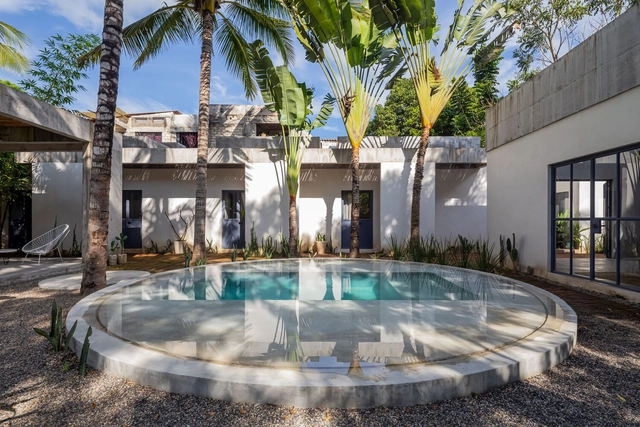


Cascada House / Ana Nuño de Buen + Luis Young


-
Architects: Ana Nuño de Buen, Luis Young
- Area: 140 m²
- Year: 2021
-
Professionals: Taller Nacional
https://www.archdaily.com/974709/cascada-house-ana-nuno-de-buen-plus-luis-youngAgustina Coulleri
Palm and Straw Roofs: Examples in Mexico That Explore Their Possibilities
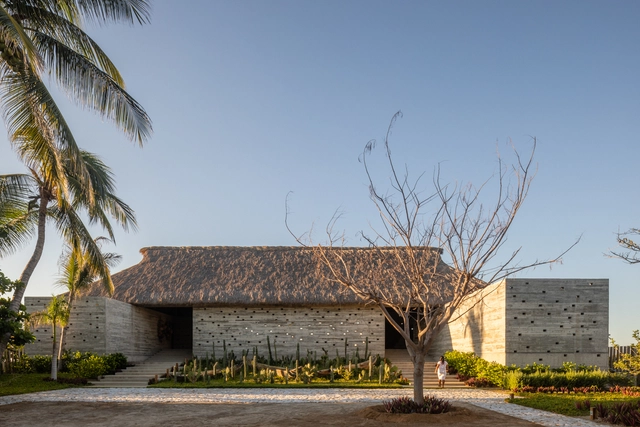


Architecture in Mexico has a vast history that is made up of various aspects that touch astrological, political, spiritual and economic issues. Although today there are only ruins of some of the most important pre-Hispanic complexes, thanks to the in-depth research that has been carried out, we can have some representations of what those buildings that laid the foundations of what makes us today were like. In these representations, it is possible to notice the presence of natural materials that were a response to their environment such as basalt stone, stucco and some vegetable paintings whose remains persist to this day.
https://www.archdaily.com/974339/palm-and-straw-roofs-examples-in-mexico-that-explore-their-possibilitiesMónica Arellano
ArchDaily Selects the Best New Practices of 2021

As our world evolves at an unprecedented pace, the challenges that come with it are becoming more and more complex. The questions faced by the cities and networks of our global world, the physical and virtual environments where our evolution takes place, are making architecture more relevant than ever.
The issues of the built environment are no longer exclusive to the incumbents who build and design it and have become transversal questions in our society. From the citizens who question the quality of their public spaces to the self-trained builder erecting a tiny house in the woods, to the homeowners using an app to codesign their interiors during lockdown, we want to have a saying and we want to take action. Why does architecture have to be so uncertain, so distant?
https://www.archdaily.com/972417/archdaily-selects-the-best-new-practices-of-2021David Basulto
Refurbishment, Adaptive Reuse and Extension of Apartments in Mexico
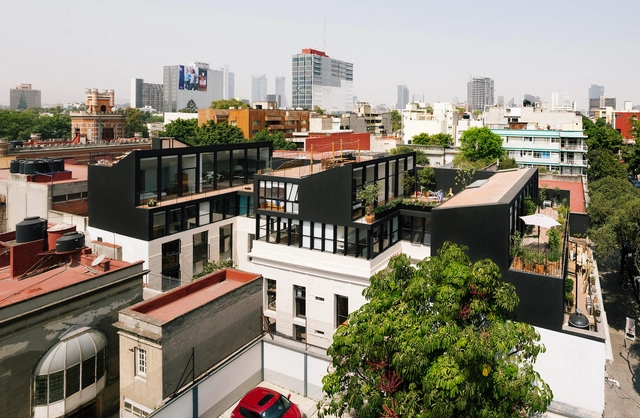


It has become evident that the spaces we inhabit have changed. The COVID-19 pandemic has forced us to appreciate values as lighting, ventilation, and comfort when working in home.
https://www.archdaily.com/971018/refurbishment-adaptive-reuse-and-extension-of-apartments-in-mexicoMónica Arellano
Litibú Bungalow / PALMA
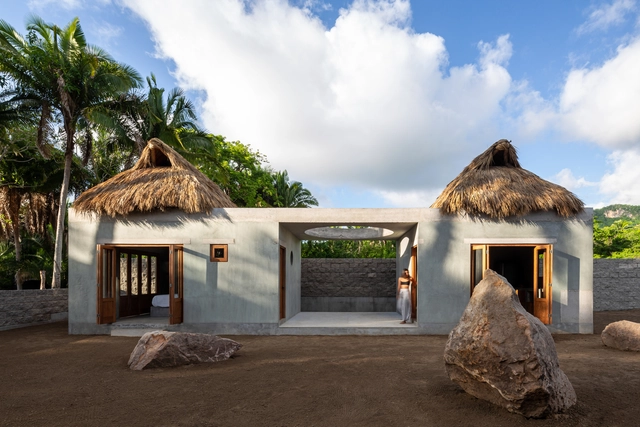


https://www.archdaily.com/947233/litibu-bungalow-palmaPilar Caballero
Architecture in Mexico: Projects that Highlight the Estado de Mexico Territory
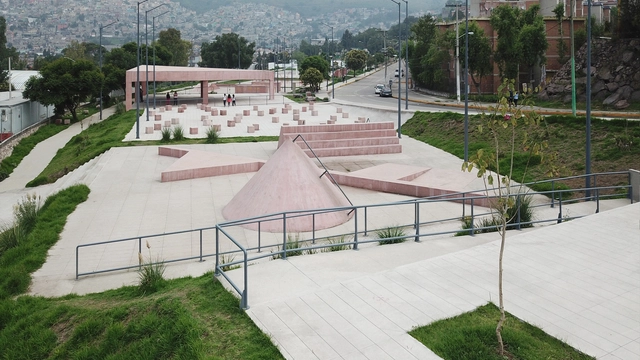


There are several reasons why the Estado de Mexico (a state, not the country) is important not only at the national level but also because of its intrinsic relationship with Mexico City since 59 of its municipalities are considered part of the Metropolitan Area of the Valley of Mexico. In this area, there are a large number of industrial plants. In addition, it houses some of the most visited archaeological sites such as Teotihuacán, Tetzuco, Azcapotzalco, Chalco, and Amaquemecan.
https://www.archdaily.com/969356/architecture-in-mexico-projects-that-highlight-the-estado-de-mexico-territoryMónica Arellano
Colonia 300 Building / Circuito
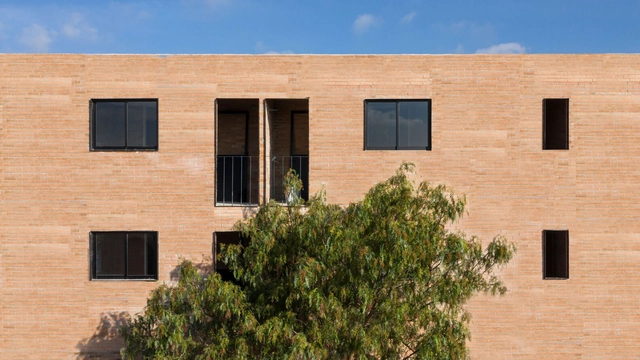


https://www.archdaily.com/967009/colonia-300-building-circuitoPilar Caballero


Winners of the 2021 Architectural League Prize for Young Architects + Designers Announced
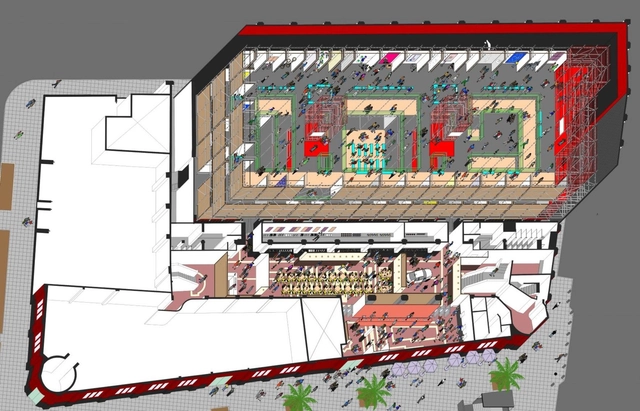
The Architectural League of New York has announced the 6 winners of 2021 Prize for Young Architects + Designers Awards, the North American annual competition that celebrates the works of young architects and designers who have completed their bachelor’s or master’s degree within the last ten years. This year's theme was Housekeeping, which asked participants to explore how the domestic settings have changed over the past couple of years, changing the definition of "ideal residence".


https://www.archdaily.com/961684/winners-of-the-2021-architectural-league-prize-for-young-architects-plus-designers-announcedDima Stouhi
Architecture in Mexico: Houses to Understand the Territory of Nayarit
.jpg?1611240450&format=webp&width=640&height=580)


.jpg?1611240450)
Nayarit is a state located in western Mexico, bordered by the states of Sinaloa, Durango, Zacatecas, and Jalisco, and facing the Pacific Ocean. With an area of 27,815 km², it is the country's ninth-smallest state. Its capital and most populous city is Tepic. Other notable localities include Nuevo Vallarta, Valle de Banderas, Ixtlán del Río, San Blas, Santiago Ixcuintla, Acaponeta, Compostela, Jala, Santa María del Oro, Rosamorada, Xalisco, San Pedro Lagunillas, Tecuala, and Huajicori.
https://www.archdaily.com/1127963/architecture-in-mexico-houses-to-understand-the-territory-of-nayaritMónica Arellano
Octavia House / PPAA
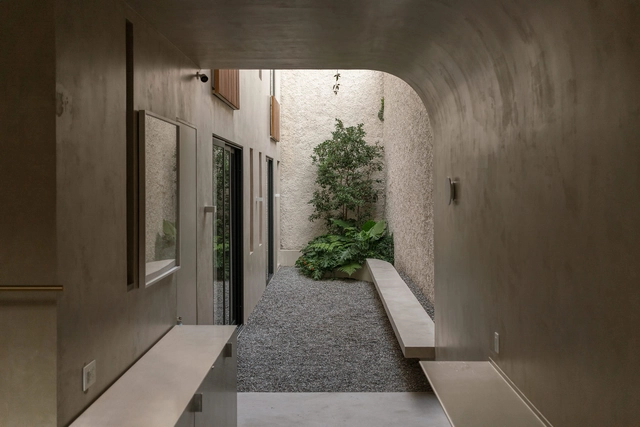


https://www.archdaily.com/954517/octavia-house-ppaa-perez-palacios-arquitectos-asociadosMaría Francisca González
PP Nutritionist Office / LANZA Atelier
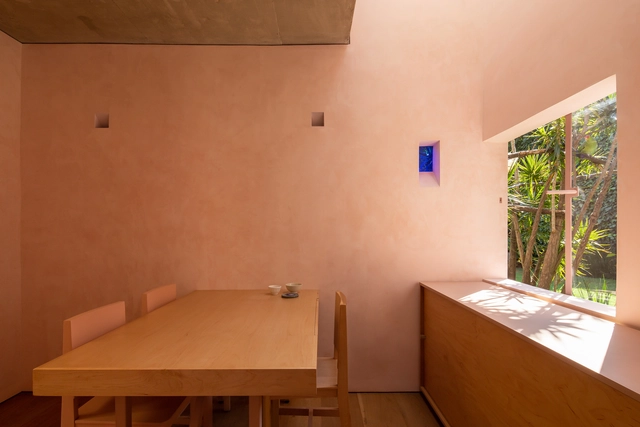


-
Architects: LANZA Atelier
- Area: 16 m²
- Year: 2019
-
Manufacturers: Dues Drapes, Grupo Arca, Mobiliario diseñado y producido por LANZA Atelier, Rústicos artesanales
https://www.archdaily.com/953348/pp-nutritionist-office-lanza-atelierValeria Silva
PALMA: "Quality in housing spaces is not only a human right, but a basic necessity"
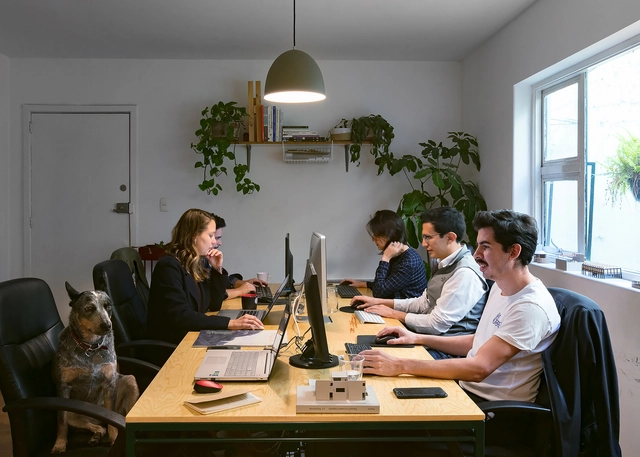


The National Social Distancing Campaign (Jornada de Sana Distancia) in Mexico began on March 23, 2020, but a couple of weeks prior—even as the Federal Government recommended continuing normal activities—social media users were already opting to replicate the European model and self-isolate. Right away, some architecture firms made the decision to close their physical offices and transition to a remote work model, while others took a few more weeks to do so. However, this period of social and physical (spatial) distancing is experienced differently in every household. Over the months that this pandemic has unfolded, it has exposed not only the inequality regarding basic needs in dense urban areas, but also the fragility of our established social order. Whether at a macro or micro scale, all these experiences occur within and are influenced by the built environment, making architecture both arbiter and active participant in this equation.
https://www.archdaily.com/1124318/palma-quality-in-housing-spaces-is-not-only-a-human-right-but-a-basic-necessityMónica Arellano
Oficinas Gifan Internacional / taller paralelo
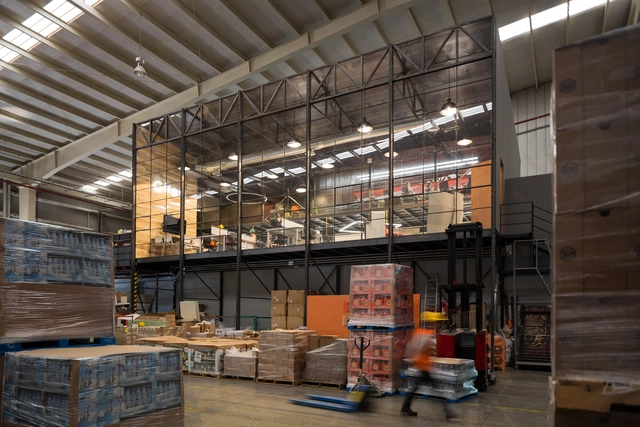


-
Architects: taller paralelo
- Area: 290 m²
- Year: 2017
-
Manufacturers: AutoDesk, Chaos Group, Interface, Adobe Systems Incorporated, Flos, +4
https://www.archdaily.com/929506/oficinas-gifan-internacional-taller-paraleloAndreas Luco
Discover all the details about the installation 'Dichotomies of Power' by Dellekamp / Schleich
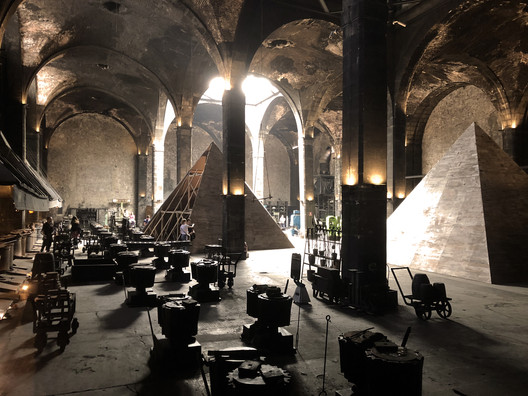


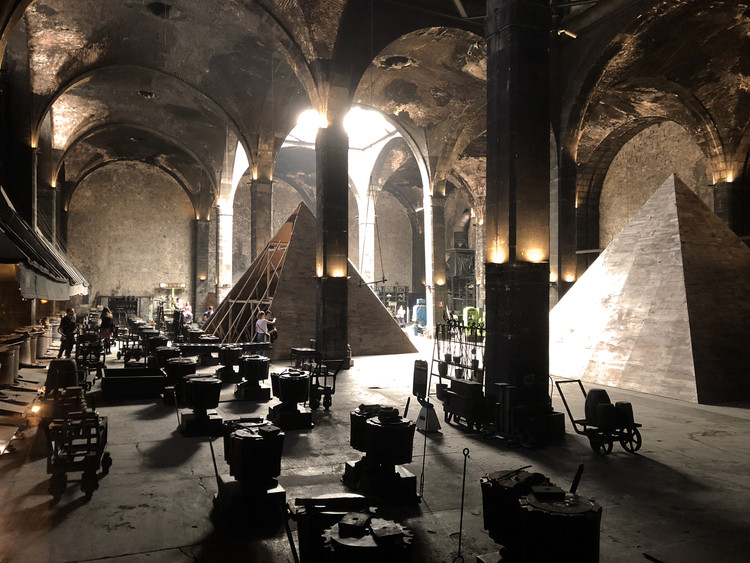
As part of the exhibitions featured in the 2019 Abierto Mexicano de Diseño, the firm Dellekamp / Schleich presented the installation Dicotomías del Poder at the Museo Numismático Nacional in Mexico City. The exhibition runs from October 9 to November 17, Tuesday through Sunday, from 10:00 AM to 4:00 PM.
https://www.archdaily.com/1119525/discover-all-the-details-about-the-installation-dichotomies-of-power-by-dellekamp-schleichMónica Arellano