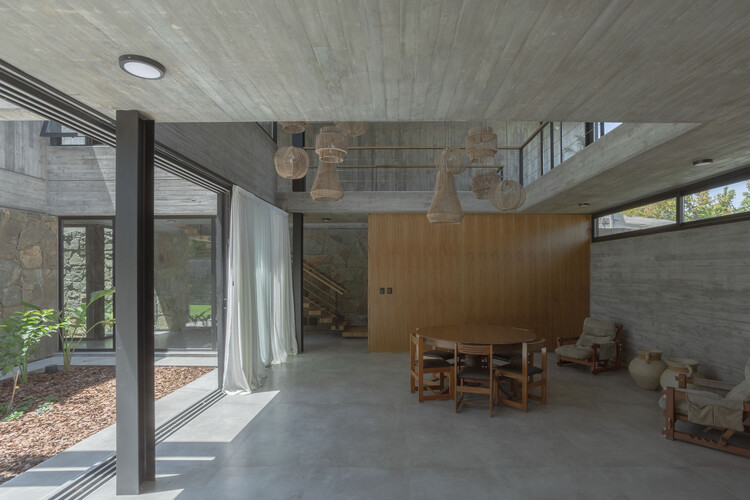
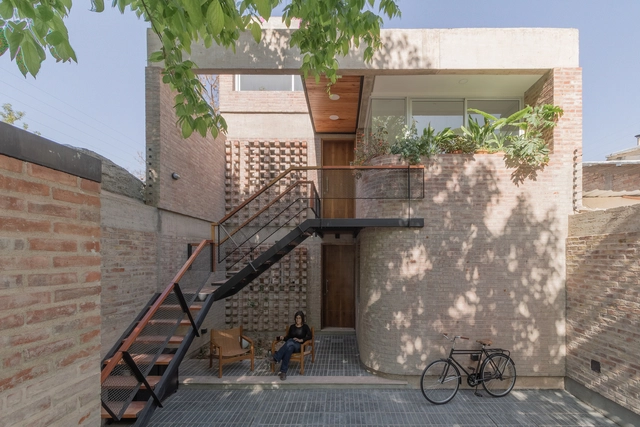
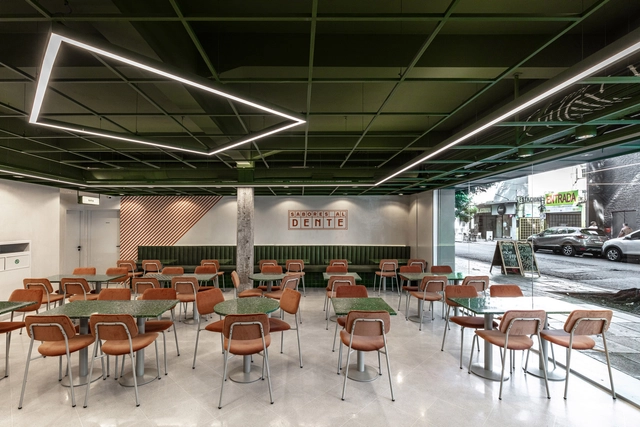
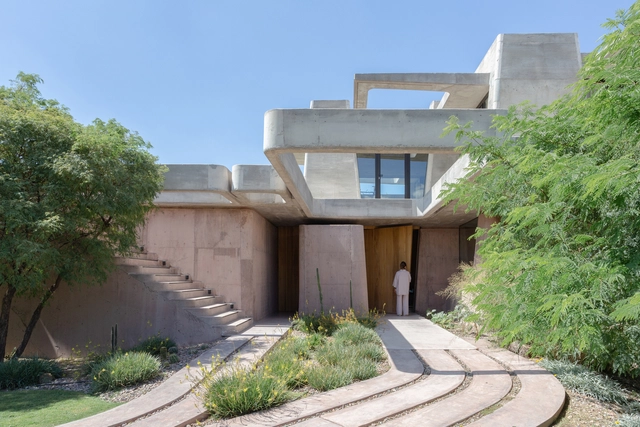
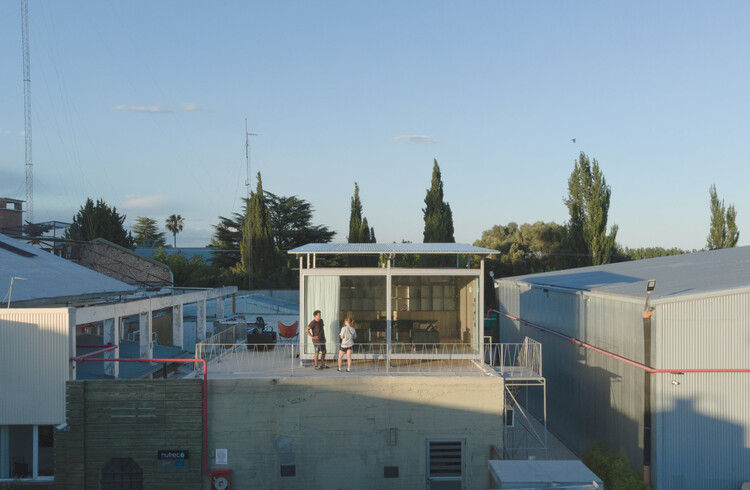
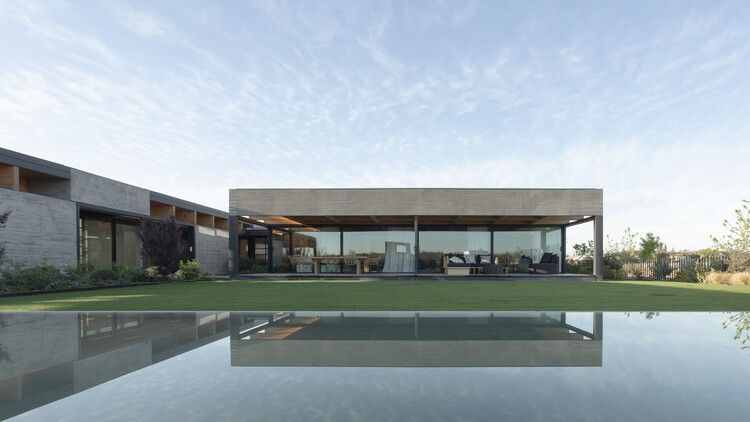
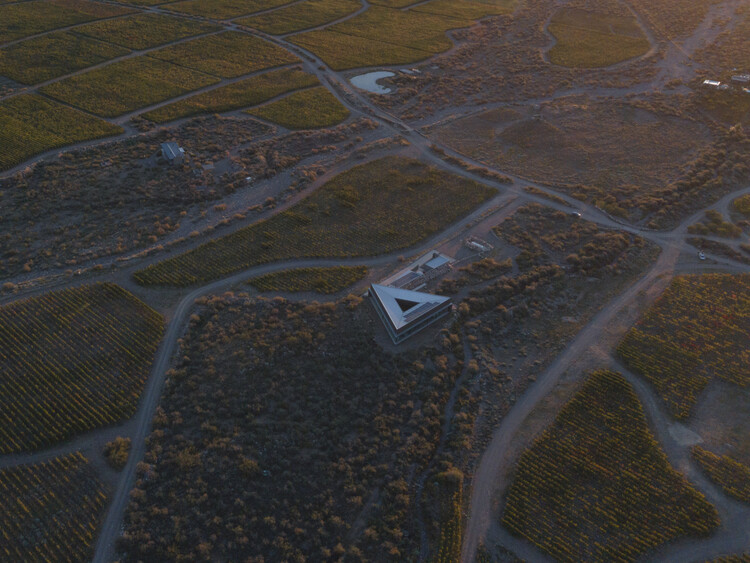
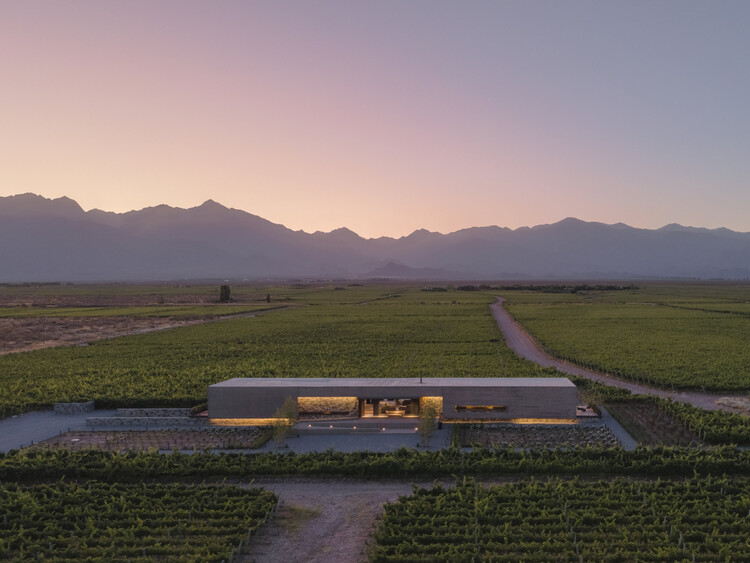
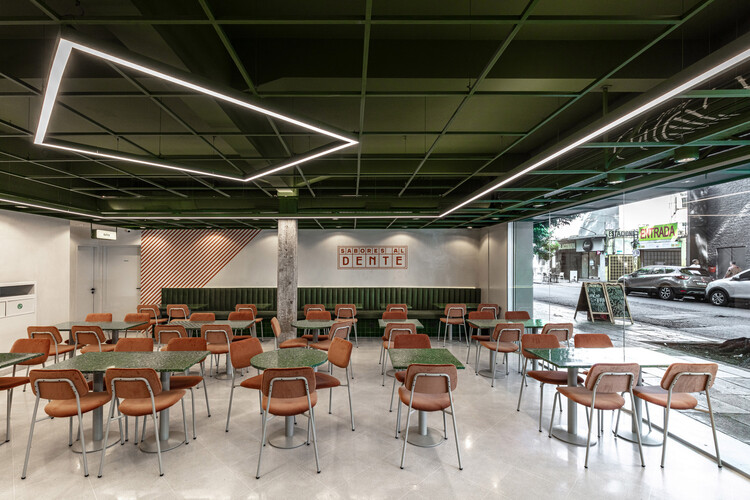
In contemporary interior architecture, service provisions—mechanical, electrical, HVAC, plumbing—are almost always treated as elements to be concealed. Thickened wall cavities, extensive dropped ceilings, and, in regions where solid construction such as brick or concrete prevails, furred-out walls are routinely employed to hide these systems. This approach has become so normalized that it often forms the starting assumption for spatial planning, inherently constraining imagination and reducing the range of spatial possibilities. The priority shifts towards covering-up, rather than exploring how these systems might coexist visibly within a design language.
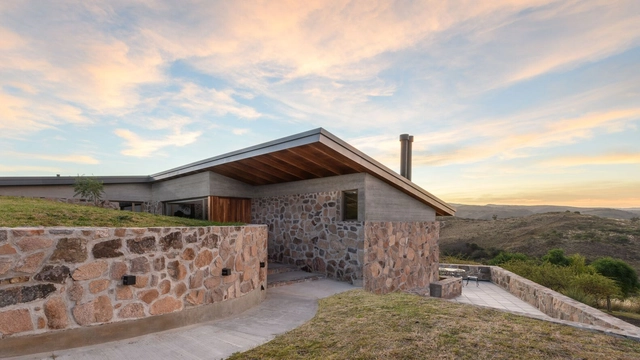
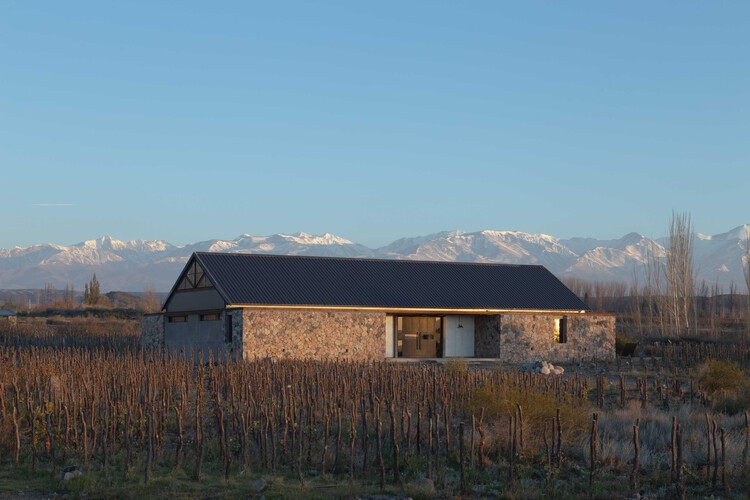
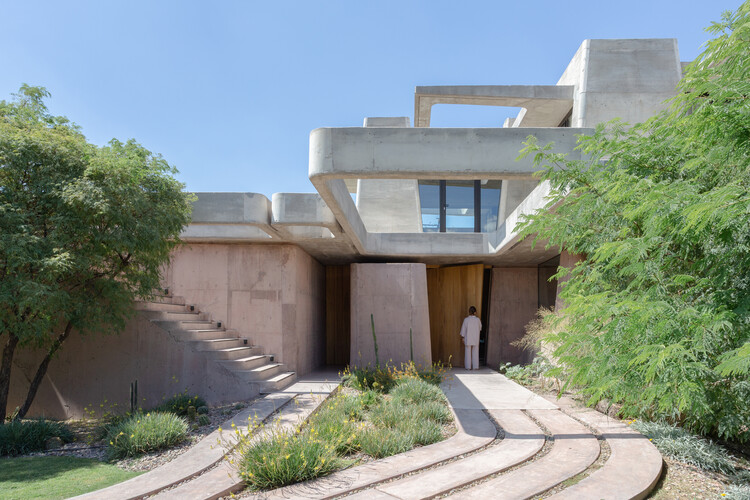
From Tafí del Valle to San Carlos de Bariloche, the implementation of natural stone in contemporary Argentine architecture reveals the decisions of architects seeking to maintain a dialogue with their surrounding environment and highlight the purity of materials. While stone is one of the oldest building materials, enduring throughout history, its application in homes in Uruguay, Brazil, and Mexico highlights different characteristics in terms of textures, shapes, shades, and patterns.