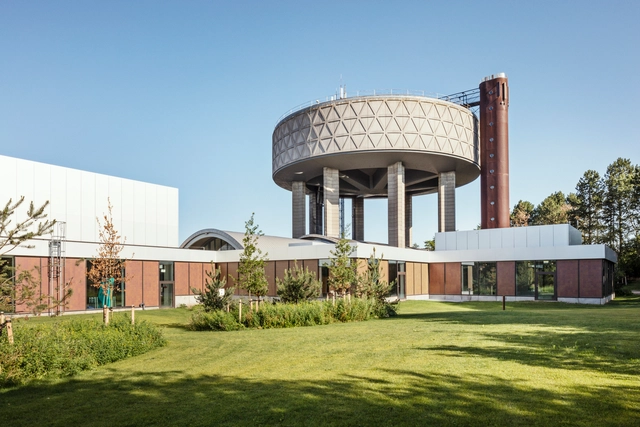
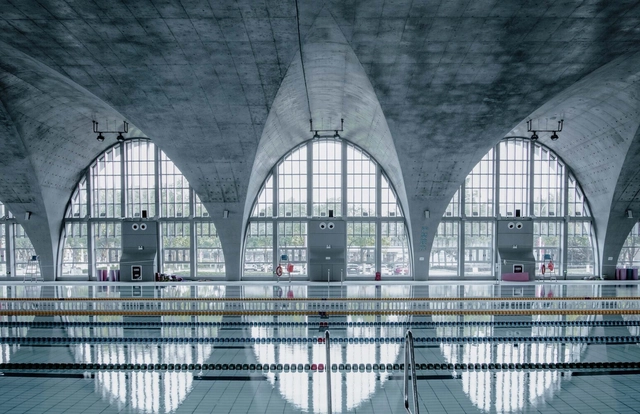
Natatorium of Southeast University / SEU-ARCH Zhou Qi Studio. Image Courtesy of SEU-ARCH Zhou Qi Studio
Sports infrastructure has become an important aspect of contemporary life, addressing the growing need for physical activity and leisure spaces to offset the stresses of urban living. In this context, architecture, particularly in the realm of sports facilities, plays a pivotal role in shaping these environments. Sports architecture, in particular, has evolved into a highly specialized discipline that not only addresses the functional and technical aspects—such as structural integrity, safety standards, and the specific requirements of different sports—but also emphasizes the importance of thoughtful design. A well-designed sports facility not only enhances the user experience but also integrates seamlessly into its urban or natural surroundings, contributing to the overall aesthetic and social value of the space. By blending functionality with innovation and creativity, sports architecture has the potential to positively impact both individual well-being and community cohesion.
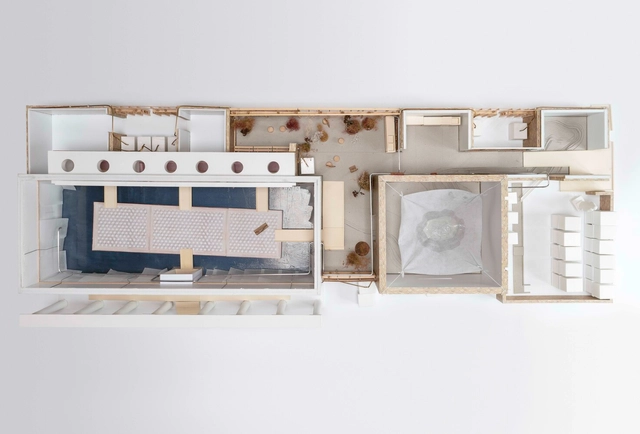
The “Women in Architecture “exhibition by the Danish Architecture Center aims to open the conversation about women in architecture and showcase their often overlooked, yet substantial contributions to the field. The historical part of the exhibition celebrates untold stories and forgotten accomplishments of women in Denmark from the 1920s to the 1970s. The exhibition also gives the floor to contemporary architects, asking them to share their experiences as architects in Denmark today. To further explore this position, Tatiana Bilbao Estudio, Siv Helene Stangeland from Helen & Hard , and Ensamble Studio explore the theme of the event inspired by Virginia Woolf’s 1929 essay, “A Room of One’s Own”, in which she asserts that women must be financially independent if they are to be able to create works of significance. They must have a room of their own, in both a physical and metaphorical sense.
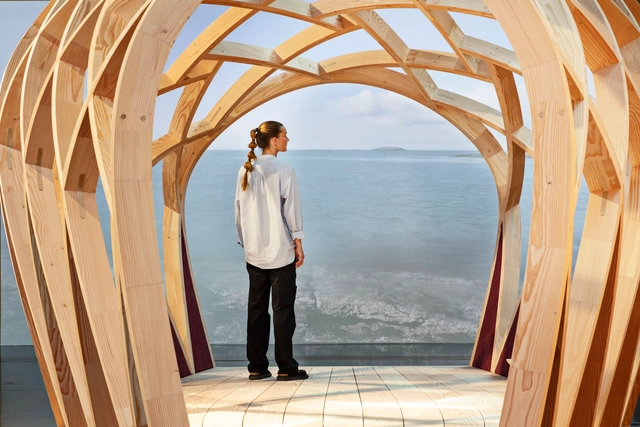
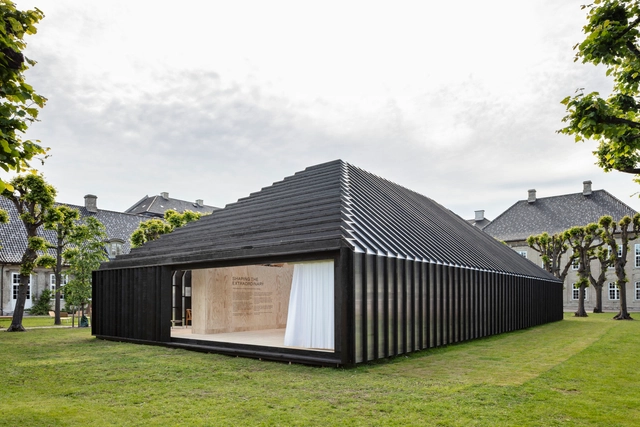
Henning Larsen has unveiled the "Fritz Hansen Pavilion", a sustainably-designed pavilion for the 3daysofdesign event in Copenhagen. Set in Designmuseum's Grønnegården, the Pavilion is developed with a Nordic approach, centered around daylight, using low-carbon materials, and circular design principles. The pavilion is designed to be disassembled, ensuring that its materials can be reused elsewhere. The pavilion will be open to the public during 3daysofdesign 15 – 17 June, and will then be used by Designmuseum Danmark until mid- Autumn.
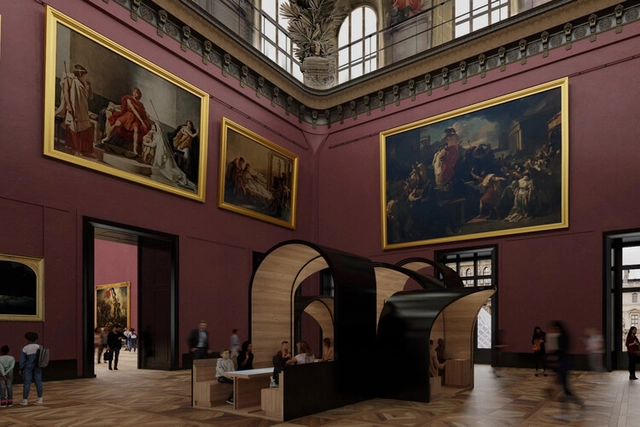
Louvre Museum Pavilions / France . Image Courtesy of Studio Malka Architecture
Housing objects of artistic, cultural, historical and scientific importance, the term ‘museum’ is derived from the Latin language. In regards to classical antiquity, in Ancient Greek ‘mouseion’, meaning ‘set of muses’ was a philosophical institution, a place for contemplation and thought. These muses refer to the 9 muses in Greek mythology, the goddesses of the arts and sciences, and patrons of knowledge. Early museums’ origins stem from private collections of wealthy families, individuals or institutions, displayed in ‘cabinets of curiosities’ and often temples and places of worship. Yet these ‘collections’ are predecessors of the modern museum, they did not seek to rationally categorize and exhibit their collections like the exhibitions we see today.
In definition, the modern museum is either a building or institution that cares for or displays a collection of numerous artifacts of cultural, historical, scientific or artistic importance. Through both permanent and temporary exhibits, most public museums make these artifacts available for viewing and often seek to conserve and document their collection, to serve both research and the general public. In essence, museums house collections of significance, whether these be on a small or large scale.
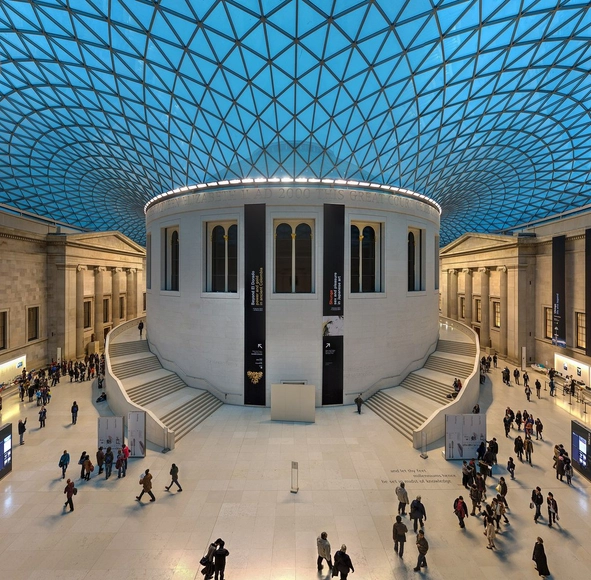
Across the globe, museums function as cultural landmarks – spaces of significance that quite often become defining symbols of a city’s architectural landscape. Historical examples such as the Museum de Fundatie in the Netherlands and The Louvre Museum in France continue to attract millions of visitors, with contemporary architectural interventions to them redefining their spatial contribution to their local context.
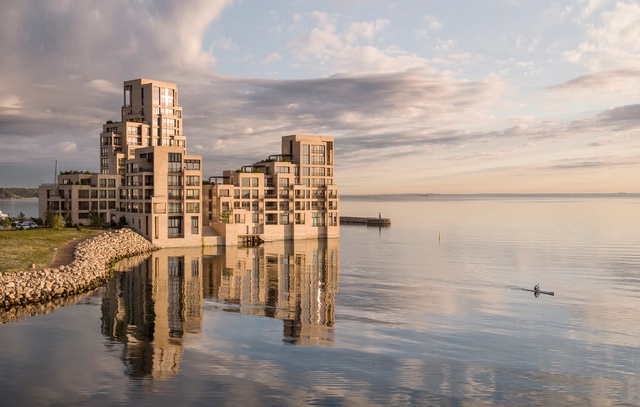
For the 17th international architecture exhibition – la biennale di Venezia 2021, Denmark is creating a water cyclic system that connects people with each other and with nature. The national pavilion, titled “Con-nect-ed-ness”, is curated by Marianne Krogh and Lundgaard & Tranberg Architects, and will be on display from May 22nd to November 21st, 2021.
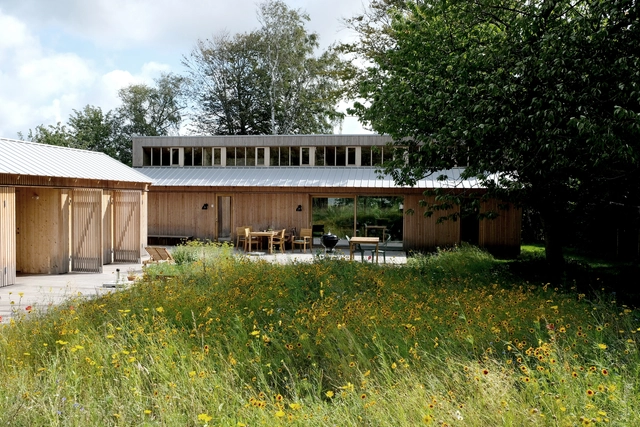
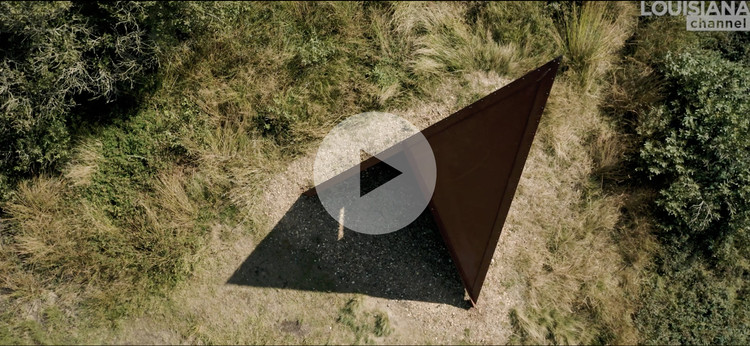
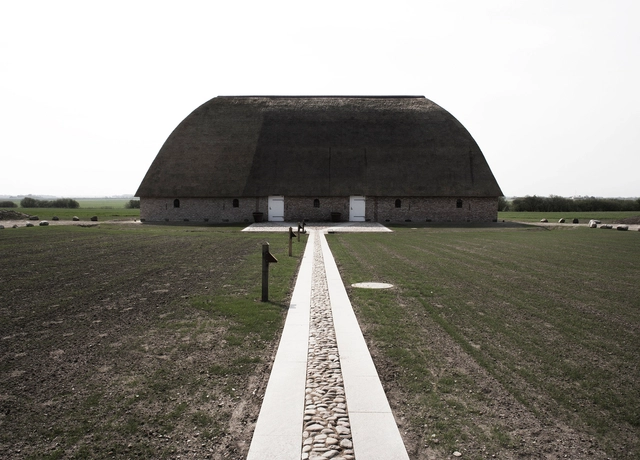
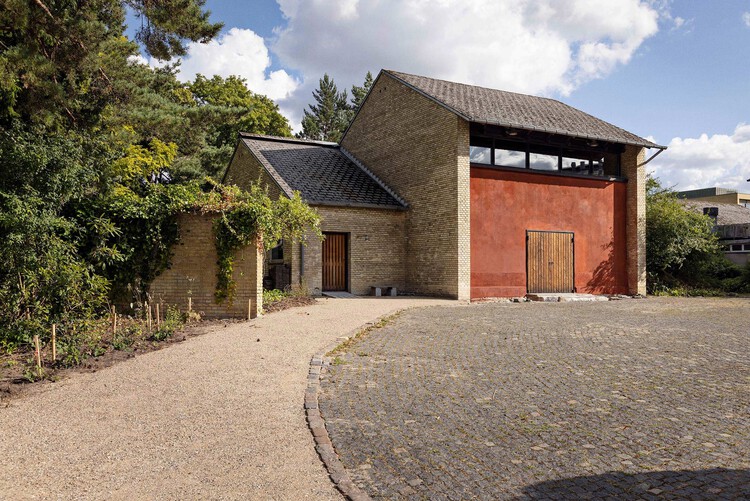
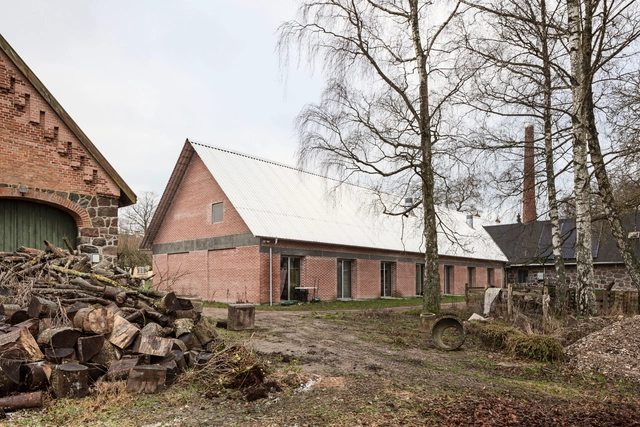
In a recent interview with Louisiana Channel, Copenhagen-based architects Søren Johansen and Sebastian Skovsted share insights into their design process - stating the importance of creating architecture that seamlessly blends into the landscape yet stands out on its own right. Discussing the minimalist nature of their projects, the architects are careful not to put themselves in a box, saying, "When you ask about minimalism in our work, or any other ism, we are not interested in simplicity for simplicity’s sake.”
Praksis Arkitekter has been awarded 500,000 DKK as winners of Nykredit's Architecture Awards, the most prestigious architectural distinction in Scandinavia. Founded in 1987 by the Nykredit Foundation, the awards also honored two practices with 250,000 DKK Prizes: the Motivation Award, won by ADEPT, is “an encouragement to continue and further develop an already obvious talent” seen in young architectural practices, while the Sustainability Award, which was introduced in 2016, was won this year by Leth & Gori.
Designing a museum is always an exciting architectural challenge. Museums often come with their own unique needs and constraints--from the art museum that needs specialist spaces for preserving works, to the huge collection that requires extensive archive space, and even the respected institution whose existing heritage building presents a challenge for any new extension. In honor of International Museum Day, we’ve selected 23 stand-out museums from our database, with each ArchDaily editor explaining what makes these buildings some of the best examples of museum architecture out there.












.jpg?1652860288&format=webp&width=640&height=580)
.jpg?1652860800&format=webp&width=230&height=230&crop=true)
.jpg?1652860271&format=webp&width=230&height=230&crop=true)
.jpg?1652861441&format=webp&width=230&height=230&crop=true)
.jpg?1652860454&format=webp&width=230&height=230&crop=true)
.jpg?1652860288)


.jpg?1652479150 "The Solomon R. Guggenheim Museum / New York . Image © Laurian Ghinitoiu")