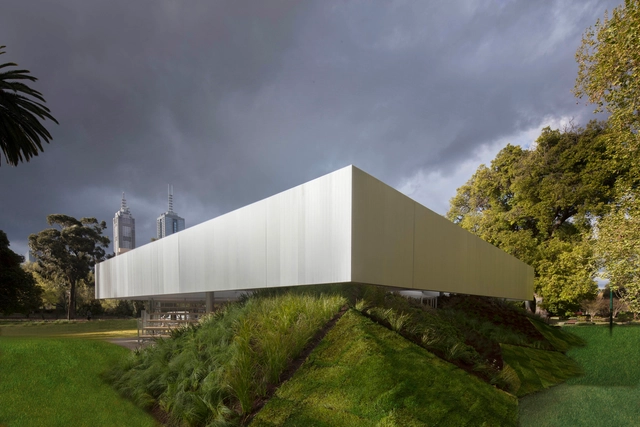
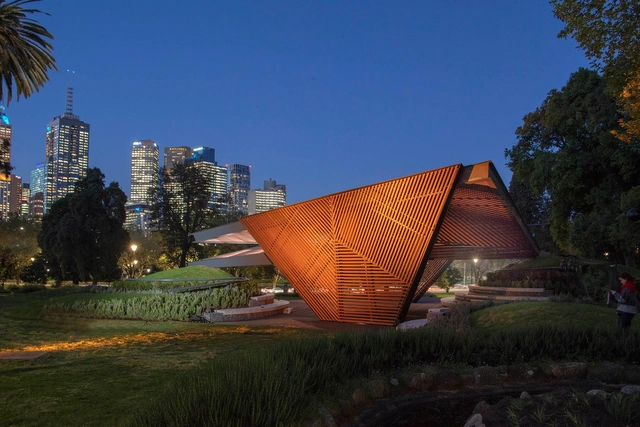
After a season packed with significant architecture news, Melbourne has announced the opening of the 2018 MPavilion designed by Carme Pinós. The pavilion is widely considered to be the southern hemisphere’s answer to the Serpentine Pavilion, and has featured designers such as Rem Koolhaas, Bijoy Jain, and Amanda Levete.
This year’s design, from Spanish architect Carme Pinós, takes its inspiration from origami, with wings opening out to welcome the city into the pavilion itself. The roof, made of two distinct halves, is perched upon three mounds incorporating public seating.
The Australian Institute of Architects’ Gold Medal recognizes exemplary work by architects who have designed buildings of high value and great distinction, resulting in the advancement of the architecture profession.
This year, Jury Chair Richard Kirk presented Australian practitioner and Emeritus professor Alec Tzannes with the ceremony’s highest honor.
In a recent interview with Metropolis Magazine, Kenneth Frampton answered questions about his existing architectural influence and his opinion as it relates to the direction of architectural theory and criticism. Frampton has long been a prominent voice in the world of architectural theory and writing. He has taught at Columbia University's Graduate School of Architecture, Planning and Preservation (GSAPP) since 1972, all the while publishing a large collection of critical essays and books on the topic of 20th-century architecture—the most notable of those being his 1983 essay “Towards a Critical Regionalism: Six Points for an Architecture of Resistance.”
Even today, Frampton's evaluation of critical regionalism is still widely appreciated. In the interview, Frampton admits that he now sees the influence of critical regionalism primarily outside of "the Anglo-American world," but he believes that the implied importance of a "direct democracy" is what he sees as most beneficial.
The Naomi Milgrom Foundation has announced that the fifth edition of the MPavilion will be designed by the Spanish architect Carme Pinós. The MPavilion 2018 will be the first public work commissioned to a Spanish architect in Australia and will be the successor of the pavilion designed by OMA / Rem Koolhaas and David Gianotten in 2017. The 2017 pavilion received more than 117,000 visitors and hosted 477 free events over 133 days.
On the choice of the Australian foundation, Naomi Milgrom stressed that Pinós' career "honors the responsibility of architecture to serve a community, by creating spaces that place human experience and environment at the center of her designs."
https://www.archdaily.com/888772/carme-pinos-will-be-the-first-spanish-architect-to-design-australias-mpavilionArchDaily Team
“The opening was an opening with many formal obligations and many excellencies, and that was exciting,” said Koolhaas about the pavilions opening events. “But frankly more exciting was this morning, when the thing performed really wonderfully spontaneously in terms of raising a lot of issues and having from the very first second a really animated discussion about a whole range of issues. And that’s exactly we intended it go.”
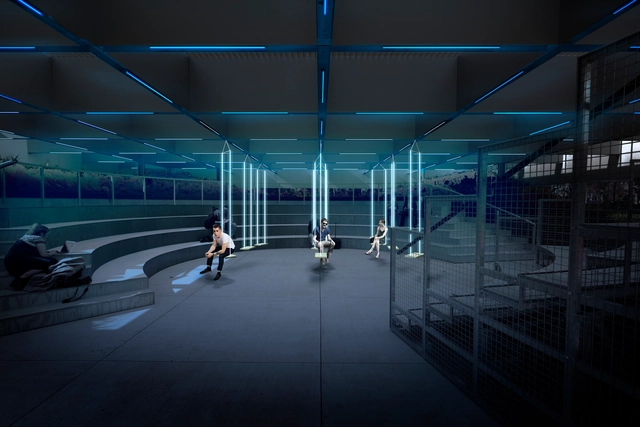
Inspired by the design of ancient amphitheatres and embedded into a raised landscape of native plantings, the project represents OMA’s first-ever completed project in Australia. The 19x19-meter, aluminum-clad structure will feature a rotating grandstand to allow the space to be reconfigured for the variety of events planned for the summer MPavilion program, as well as a two-meter-deep floating roof structure to offer shade and provide support systems for the programming below.
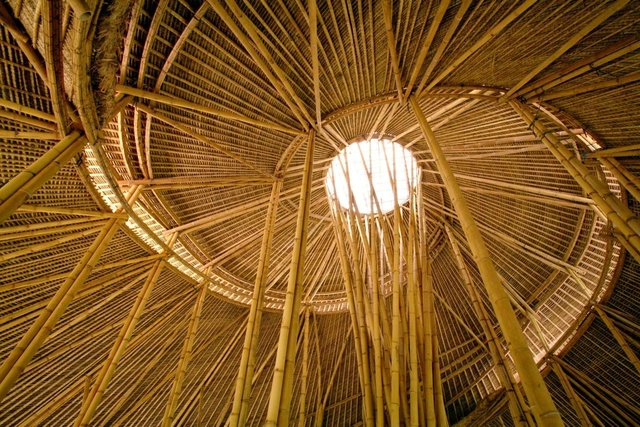
Bamboo has been used by man as a construction material since ancient times. The amazing thing about bamboo, besides being a totally natural material, is that it is sustainable, lightweight, flexible, and inexpensive. Although not widely used in the construction world (at least not when compared to materials like timber), the use of Bamboo enables original and attractive results. This week we have made a selection of 17 photos from well-known photographers such as Julien Lanoo, John Gollings, and Pasi Aalto.












.jpg?1518149458&format=webp&width=640&height=580)