

-
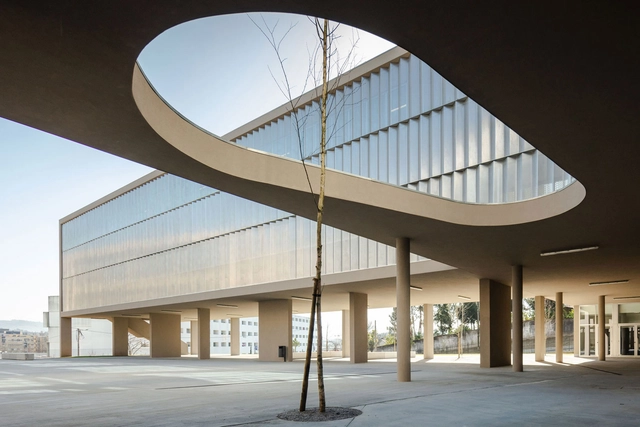
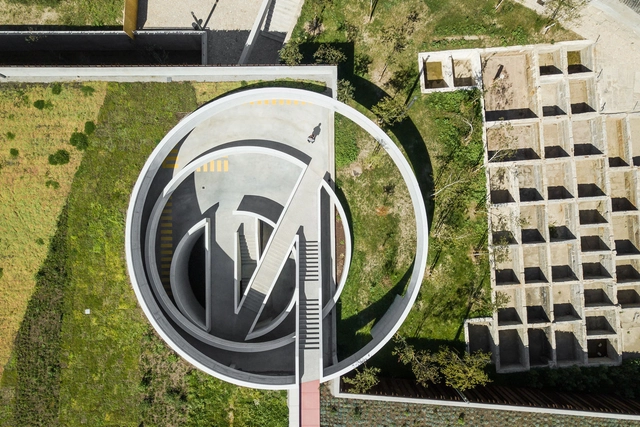
Architects: Pitagoras Group
- Area: 10460 m²
- Year: 2019
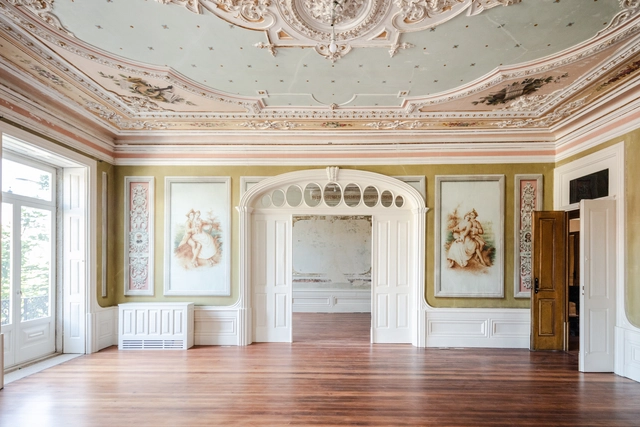

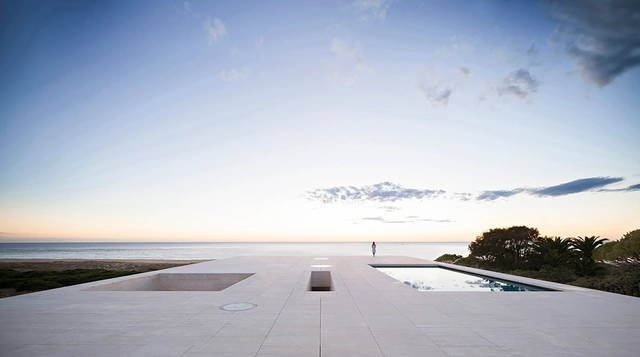
“A House is a place (…) as physical as a set of feelings. (…) a home is a relation between materiality and mastery and imaginative processes, where the physical location and materiality and the feelings and ideas are united and influence each other, instead of being separated and distinct. (…) a house is a process of creation and comprehension of ways of living and belonging. A house is lived, as well as imagined. The meaning of house and the way it materially manifests itself, it´s something that is created and recreated in an unceasingly way through every day domestic tasks, which are themselves connected to the spacial imaginary of the house”1
The sentence above is the starting-point of the current reflection, in an exercise that will mark meaningfully my approach to the way of projecting houses.

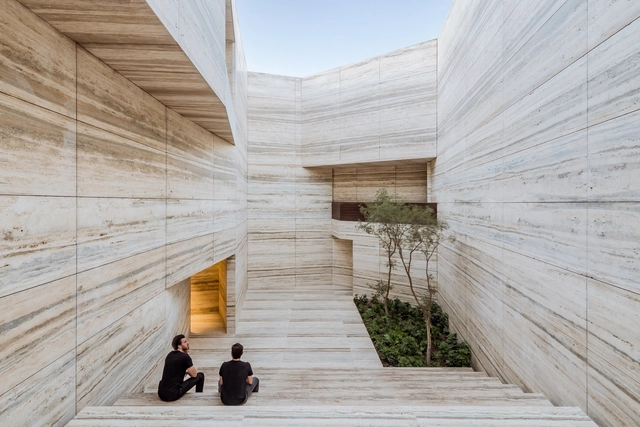
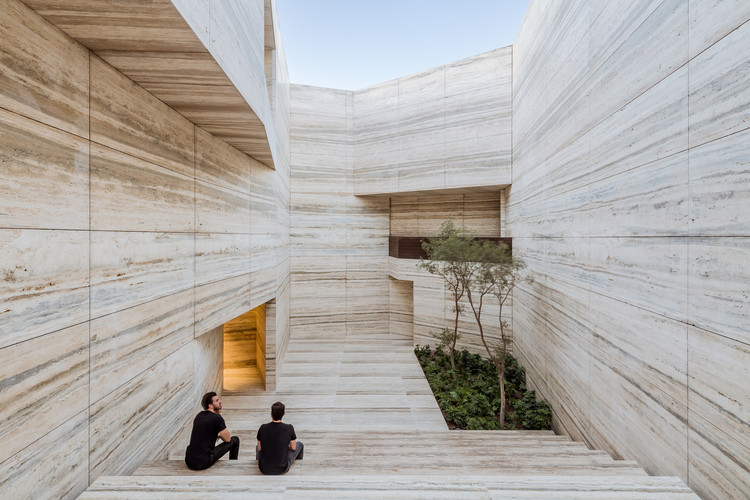
Michelangelo's sculptures. The ancient Greek temples. Castle interiors and palaces. The iconic Barcelona Pavilion of Mies van der Rohe. When we approach the history of architecture and sculpture, it is inevitable that we speak of marble. Originating from a chemical reaction in limestone when exposed to high pressures and temperatures for thousands of years, this notable material is a metamorphic rock generally found in regions where volcanic activity has occurred. Its extraction, by itself, is already a spectacle.
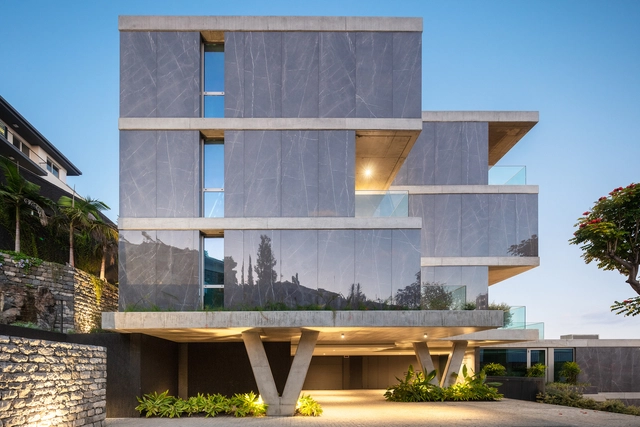


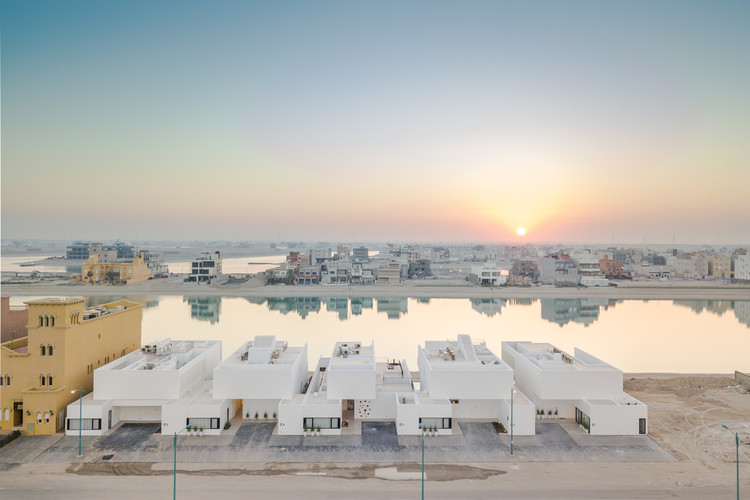
Modern architecture is tied to cultural history. In Kuwait, the country’s built environment and housing has been reshaped by larger economic and cultural movements. After the discovery of oil, the country experienced economic growth that drove development across diverse markets and transformed how citizens live today.
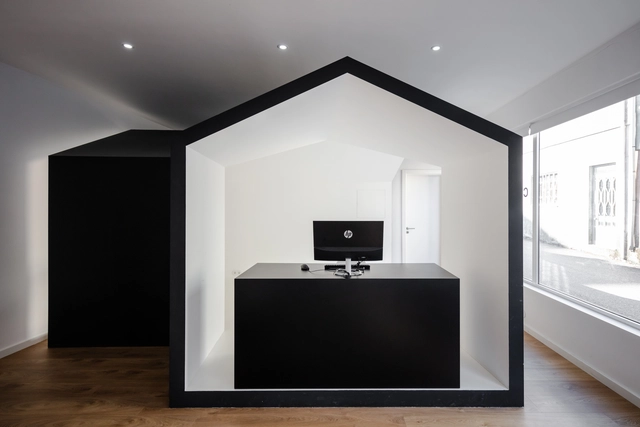
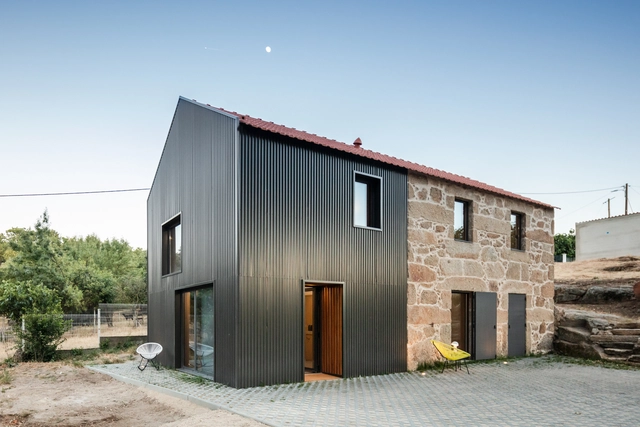
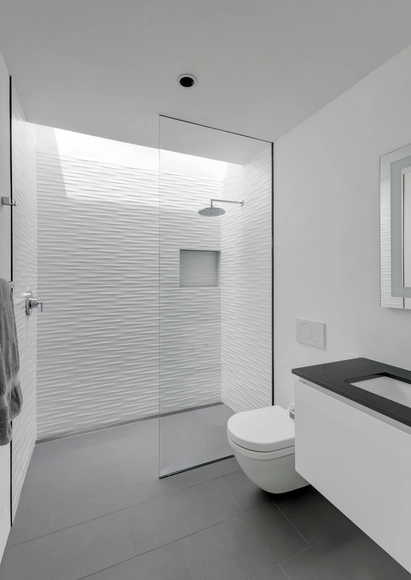
Because it doesn't include a bathtub, or require doors, screens, or curtains, the walk-in shower often makes bathrooms appear larger, cleaner, and more minimalist.
However, some precautions must be taken when designing them. Most importantly, the shower cannot be left completely open, even if it appears to be at first glance. Most designs incorporate a tempered glass that prevents water from "bouncing" out of the shower space, subtly closing the area. When this transparent division doesn't have a frame, the appearance of fungi due to accumulation of water and moisture becomes less likely.




.jpg?1581380717&format=webp&width=640&height=580)
.jpg?1581380822&format=webp&width=230&height=230&crop=true)
.jpg?1581380955&format=webp&width=230&height=230&crop=true)
.jpg?1581380901&format=webp&width=230&height=230&crop=true)
.jpg?1581381201&format=webp&width=230&height=230&crop=true)
.jpg?1581380717)




.jpg?1578099110&format=webp&width=230&height=230&crop=true)
.jpg?1578099267&format=webp&width=230&height=230&crop=true)
.jpg?1578099299&format=webp&width=230&height=230&crop=true)
.jpg?1578099332&format=webp&width=230&height=230&crop=true)


.jpg?1576370489&format=webp&width=640&height=580)
.jpg?1576370623&format=webp&width=230&height=230&crop=true)
.jpg?1576370917&format=webp&width=230&height=230&crop=true)
.jpg?1576370774&format=webp&width=230&height=230&crop=true)
.jpg?1576370758&format=webp&width=230&height=230&crop=true)
.jpg?1576370489)


